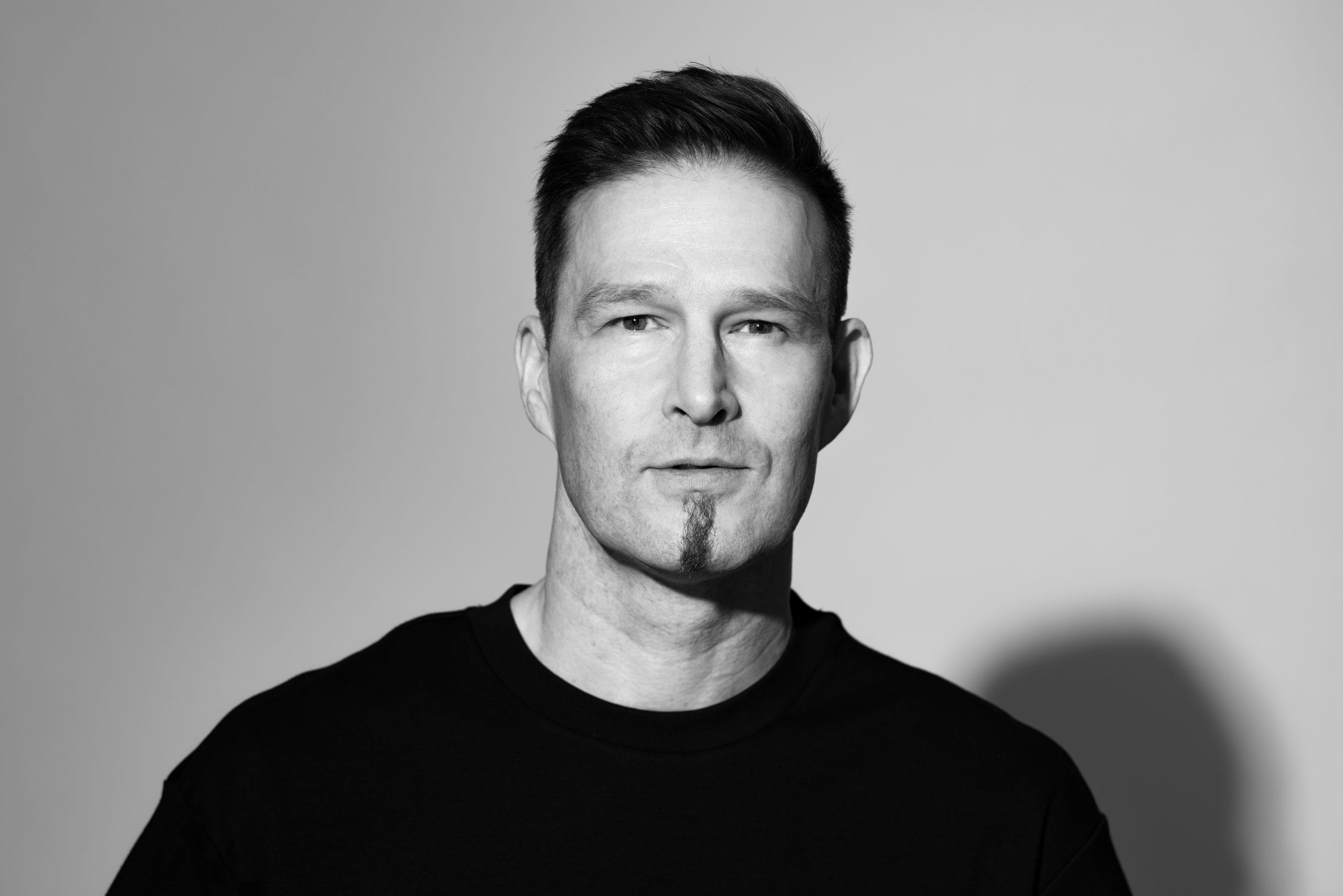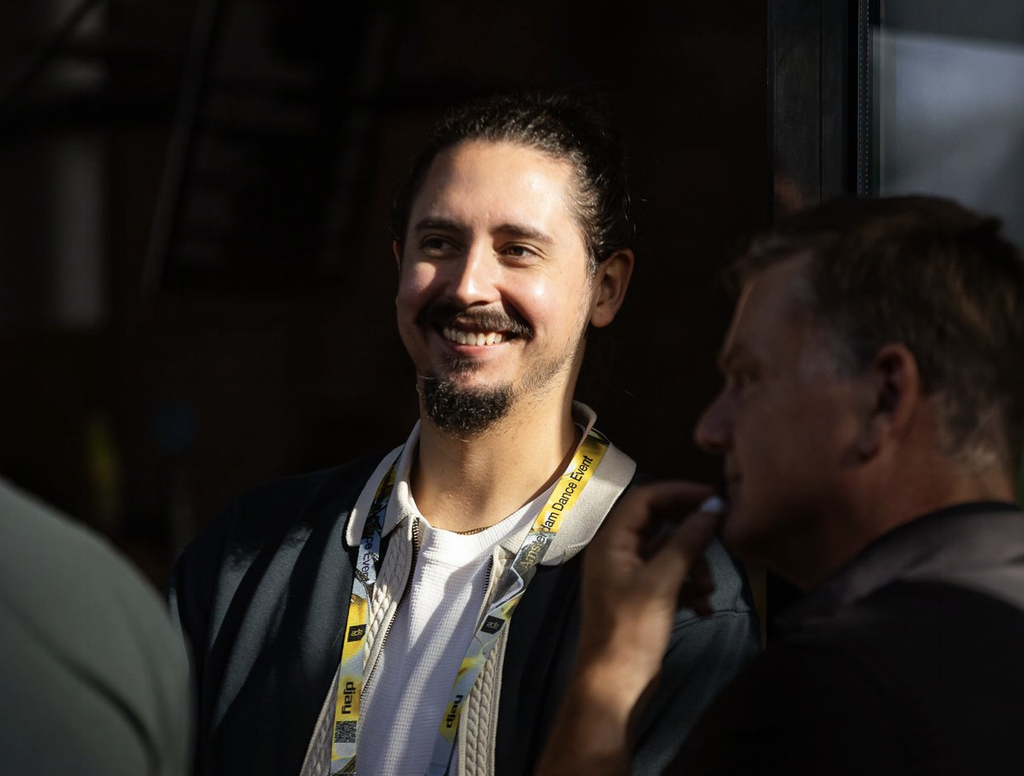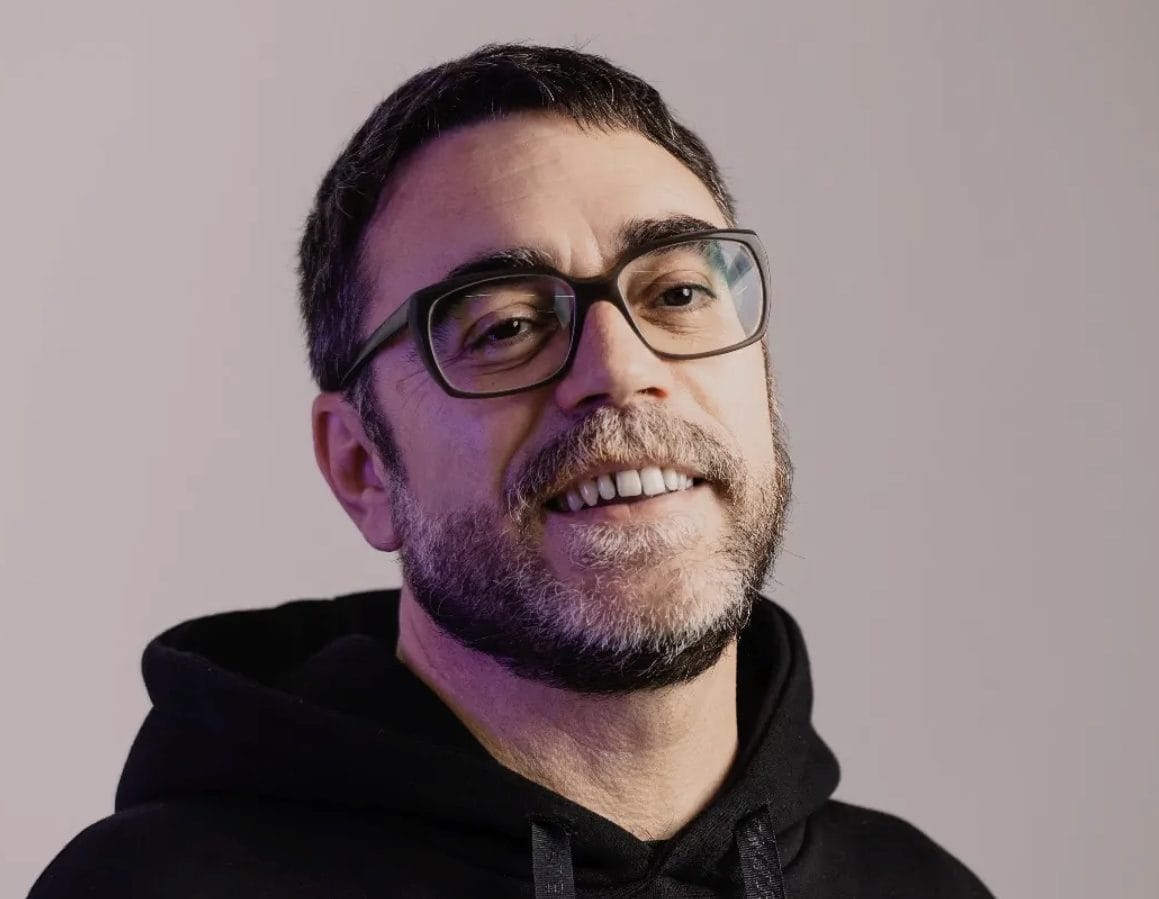
Dani Koala founded Dskonnect Booking Agency in 2003, starting with a local focus before building a wider network of promoters and artists across Spain. In the early years of the electronic music scene’s growth, Dskonnect became known for working with transparency at a time when club culture, touring, and artist representation were still being shaped in real time. Marc Barceló later joined as a partner and co-director, helping to expand the agency’s international reach while growing its roster and overall scope.
Koala has since worked across booking, management, label activity, and artist development, with credits that include years spent handling artists such as Maceo Plex, Raxon, and Giorgia Angiuli.
He also helped launch agency-related projects, including Dsk Records, which extends the company’s work beyond bookings to include release infrastructure. That background gives him a practical view of what artists need before they approach a booking agency, especially in a market where demand, positioning, touring history, and audience proof all matter.
In the interview below, Koala breaks down what artists should send when asking for representation, why live data helps agents move faster, and where pitches often become harder to use than necessary. His answers point back to a simple idea: agents and managers cannot manufacture a touring career from nothing.
The clearer an artist can be about their sound, market history, existing demand, and honest expectations, the easier it becomes for the right team to understand where they fit and how to help them grow.
Interview With Dani Koala

What should an artist send you when asking for representation or booking help?
First of all, the artist should make an introduction explaining their career highlights, trajectory, and sound style.
A press kit, releases, relevant gigs, videos, mixes, and links are always welcome and appreciated. Most importantly these days, artists should mention what associations and connections they may already have with established artists, brands, labels, agents, or promoters.
It is also very important to list recent and upcoming bookings or requests, as well as the release schedule, because that gives us an idea of the existing demand and potential.
Last but not least, the artist should highlight what differentiating factors they can offer compared with other acts of a similar profile.
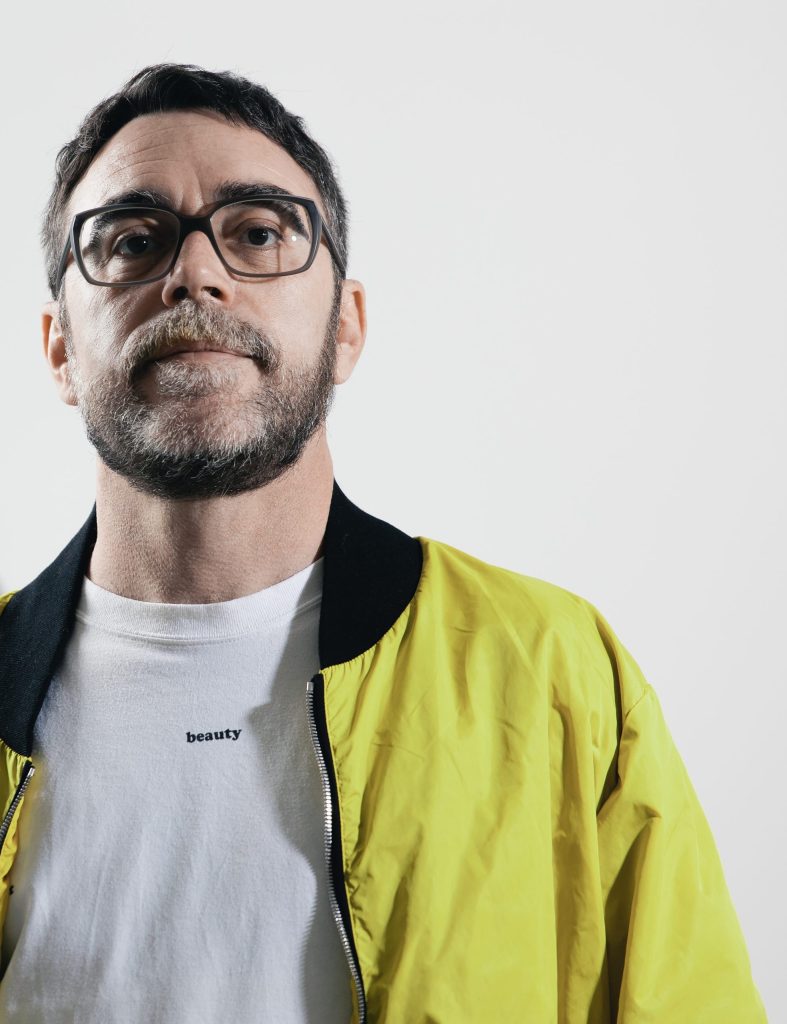
What live data, market history, and audience proof help you act quickly?
It is always relevant and worth providing all this information, as it can be really helpful, especially in certain markets like North America. When an act can prove solid numbers, it always helps speed up consideration.
Other factors such as upcoming release plans, connections, and potential links to established brands or consolidated artists are also relevant.
There is always a human aspect that influences the potential interest of a booking agency when considering one artist or another. Showing affinity with acts from the agency’s current roster can also be a positive influencing factor.
Where do artists make their pitch feel harder to use?
A clear pitch makes the work easier and helps people understand the artist’s positioning, so it is a key factor.
Artists often struggle with proper pitching on Spotify for Artists, though it is important that they are able to create a correct bio and storytelling, as well as select the appropriate genres, tags, moods, and timing when uploading their music. This helps industry professionals and fans categorize an artist correctly.
Other platforms such as SoundCloud, Instagram, Treelinks, and YouTube also allow artists to create an adequate asset system for their pitching to be clear and useful.
There are also plenty of best practices that can be recommended, such as not attaching heavy files to an email, sharing links instead of files, and using private download links. These things make everyone’s life easier.
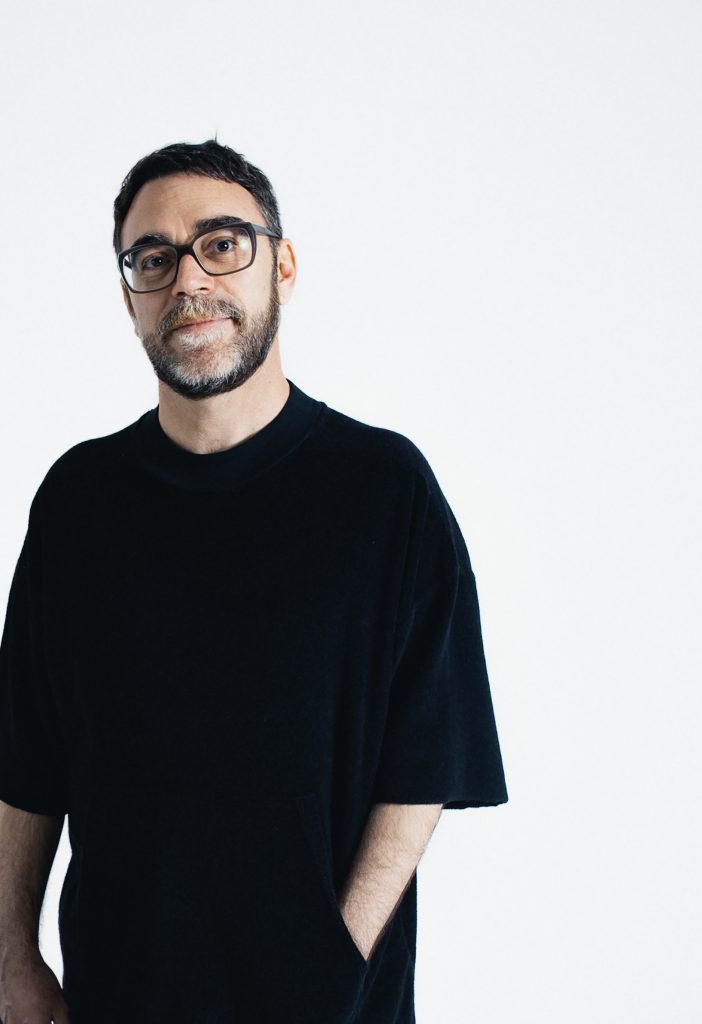
How should artists talk about rooms, fees, and past offers?
It is good for artists to be able to show the kinds of past offers and fees they have received, because it gives a reference point for the artist’s profile and where they have already been playing.
However, it is crucial to understand that past fees and past offers do not necessarily mean future clients will agree with those same numbers.
I would say it is always important to provide as many past references as possible, while also measuring expectations because the market is constantly evolving and demand changes from one year to another.
In my opinion, it is best for an artist to be transparent with their team or structure, while also being aware of the market’s challenges and constant changes. Past figures are very useful as references, though they should not create a constraint or limitation around future expectations.

Why does honesty around live demand help the booking process?
Honesty means a lot in this sector, and it needs to be applied in both directions.
When an act is able to work with full honesty and confidence with an agent or manager, and vice versa, the context created is perfect for building a career. It is important for an agent to be able to share market feedback, regardless of whether it is positive or negative. The same applies when the artist is talking to their team and showing messages or interest they have received from other peers.
In a moment of our industry where marketing, socials, and changing trends are taking over everything, there is still room for solid, music-driven projects that escape the usual procedures and get attention because of their originality or quality.
Obviously, if you can combine that with growing demand and booking requests, that is the best way to find your own position in this global scene. It is important for artists to understand that agents and managers do not do magic, and without releases and a profile that generates demand for gigs, the capacity of agents to find bookings will be limited.

Will Vance is a professional music producer who has been involved in the industry for the better part of a decade and has been the managing editor at Magnetic Magazine since mid-2022. In that time period, he has published thousands of articles on music production, industry think pieces and educational articles about the music industry. Over the last decade as a professional music producer, Will Vance has also ran multiple successful and highly respected record labels in the industry, including Where The Heart Is Records as well as having launched a new label with a focus on community through Magnetic Magazine. When not running these labels or producing his own music, Vance is likely writing for other top industry sites like Waves or the Hyperbits Masterclass or working on his upcoming book on mindfulness in music production. On the rare chance he's not thinking about music production, he's probably running a game of Dungeons and Dragons with his friends which he has been the dungeon master for for many years.