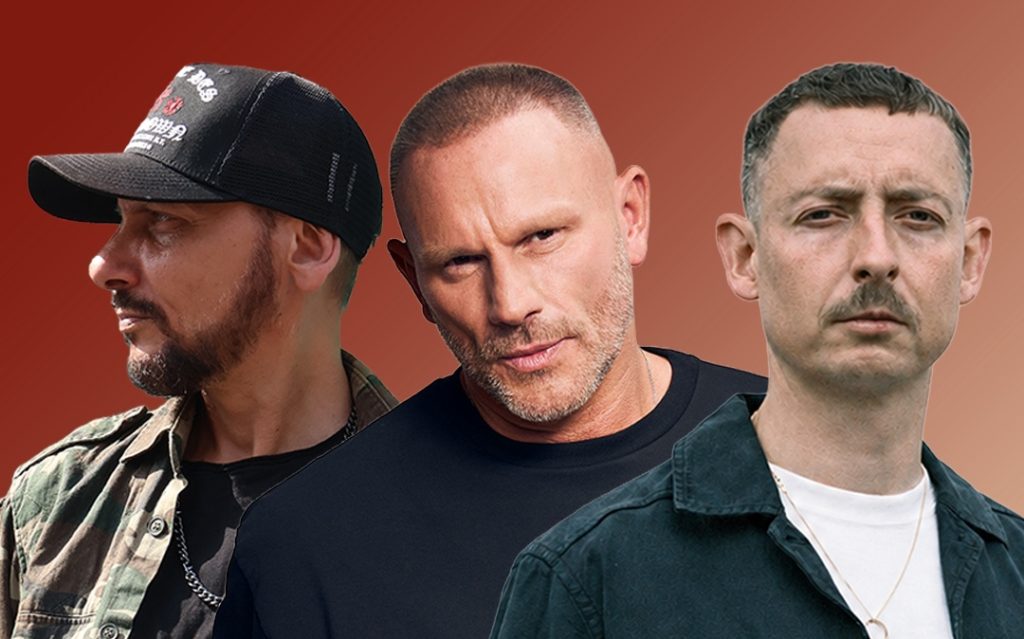
Thirty years is a long time to wait to release your debut album, but Mike Risk has hardly been sitting around. From organising illegal parties in Amsterdam and bringing Chicago house pioneers to the Netherlands in the early ’90s to DJing, promoting and running his own projects, he’s spent much of his adult life immersed in house music.
Now, after three decades in the scene, he’s finally put his name to a full-length record. Now Is Forever draws on that considerable history, moving between soulful house, acid, Detroit-inspired sounds and tougher club material, with contributions from Mike Dunn, Bluey Robinson, Marc Evans and John Agesilas.
We caught up with Mike to discuss the long road to his debut, his enduring love of house music, working with some of the genre’s originators and why, after all these years, he’s still not particularly interested in following trends.
In a 2015 VICE interview, you recalled discovering house music at illegal parties around Amsterdam’s harbour, having grown up on hip-hop. Thirty years later, how much of that wide-eyed kid can we still hear on Now Is Forever?
I’m a lot older now, obviously, but still very much young at heart. When it comes to house music, I’m still that little kid—getting excited about new releases, DJ sets and those magic moments on the dancefloor.
I’ve always collected records and bought music. I became part of the culture as a promoter, but I was a music lover first. Making this album was about being grateful for the joy house music has given me—and still gives me.
I started out at illegal raves, with techno, Detroit, warehouse sounds and acid. Then I went deeper into house: New York garage, Chicago house, the soulful side of it—and everything in between. That wide-eyed kid is still in there.
You’ve worked with Greg van Bueren for years. What’s the studio dynamic between you? Who disappears down the production rabbit hole, and who drags things back on track?
Greg and I have worked together since around 2018, starting with Welcome to My House on Kenny Dope’s Dopewax, then It’s All Right on Terry Hunter’s label. I have a lot of respect for Greg. He’s an amazing producer, and we work really well together.
I was the executive producer on the album, but the creative process was definitely a two-way street. Greg can disappear down a production rabbit hole, and I’m sometimes the one bringing things back or pushing them in a particular direction—but we’re both shaping the music.
We worked on the album for about a year and a half, mostly online, with weekly sessions between Singapore and the Netherlands. I travelled to Amsterdam about three times, and each visit we spent two or three days in the studio together.
Now Is Forever spans soulful house to acid and techno. Was that intentional, or did you follow what you fancied? Were there any tracks that took you somewhere unexpected?
The range was deliberate. I love soulful house, Chicago house, acid and the deeper, soulful side of Detroit techno. To me, it’s all part of the house music spectrum—I’ve never been someone who likes putting music into boxes.
I wanted the album to reflect the music I love. Nothing really took me by surprise in the end; each track found its place. It’s a bit like my ideal night at Club Risk: starting with vocal and soulful house, getting deeper and tougher as the night goes on, then finding your way back to the funkier, more eclectic sounds. That’s the kind of journey I wanted the album to take.
You played Chicago’s Chosen Few Picnic, and Mike Dunn features on Let Me Take You There. How did that collaboration come about, and what’s it like working with someone who was making house music before much of the world had heard the genre?
Playing the Chosen Few Picnic in Chicago was an unforgettable moment for me. To play in the birthplace of house music, surrounded by so many of the people who created it, with around 35,000 people there—it f’ed me up for life, in a good way. I think DJs and people in the industry understand what a moment like that means.
My connection with Chicago goes back to the early ’90s, when I started putting on parties in Amsterdam and Utrecht and booking American DJs, including Mike Dunn and Terry Hunter. We became friends through the music, and that connection has stayed with us.
Years later, Mike joined us on our SPIRIT podcast. While making the album, we felt an instrumental needed a vocal to take it somewhere new. I reached out to Mike, and he immediately said yes. That became Let Me Take You There. I have so much respect for him, and I’m grateful for the friendship and for the chance to make music together.
You’ve been a DJ, producer, promoter, agent and manager. Is there anything you haven’t tried? Has the time you’ve spent in the industry ever got in the way of enjoying making music?
I’ve worn a few hats over the years: promoter, agent, manager, DJ and producer. But house music was always the thread running through it. I was collecting records and DJing at home even when I was promoting. I still remember Kerri Chandler back-spinning my hip-hop records at my place in the early ’90s.
I’ve been focused on DJing for close to 20 years, first with RiskSoundSystem and then as a solo artist. Over the past two years, I’ve also been concentrating on producing, and I’m working on new music now.
It wasn’t really the industry that got in the way; it was life—COVID, moving from Amsterdam to England and then Singapore, and becoming a father. I’m still balancing music, work and family, but I’m grateful I’ve made this album. Better late than never.
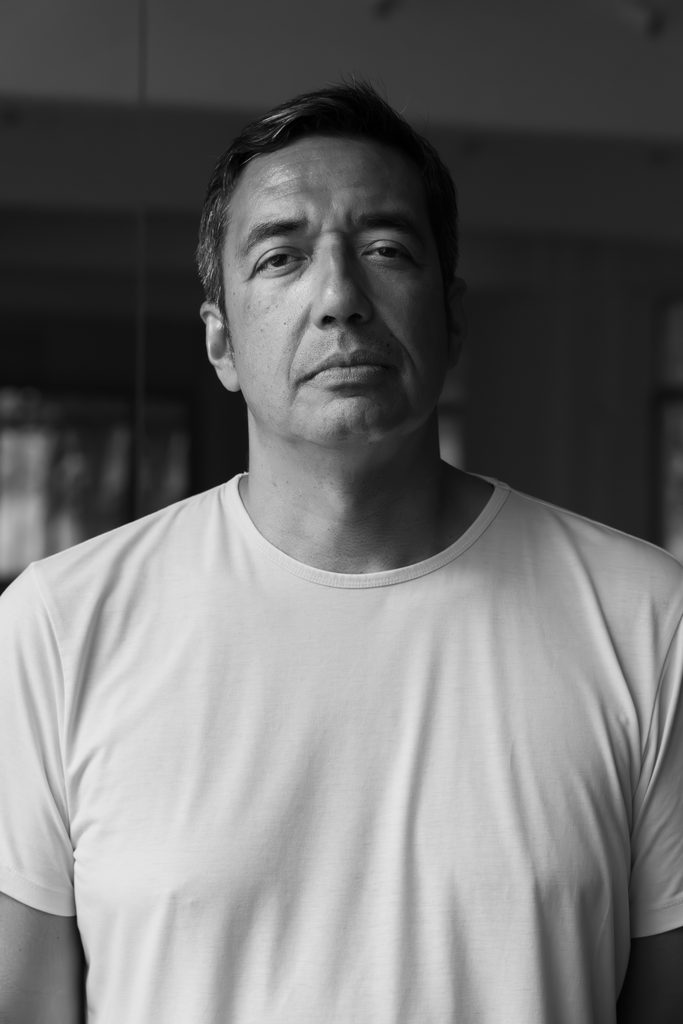
There’s a fine line between making timeless house music and sounding like 1994. How do you know when you’ve got the balance right? Are there any modern production trends you’d like to disappear?
I tried to keep the album pure and make the music I love. I didn’t pay much attention to trends or ask for lots of feedback. If Greg, my inner circle and I loved it, that was enough for me.
I think the balance comes from making music that feels true to you, rather than trying to sound like a particular year. For me, it’s about good music that connects with people and moves a dancefloor. One trend I do question is how short tracks are becoming. I understand attention spans are changing, but I still want to make extended versions for DJs, clubs and festivals. That’s where house music has room to breathe. A two- or three-minute track just doesn’t feel like house to me, in my humble opinion.
With vocalists like Bluey Robinson, Marc Evans and John Agesilas on the album, do you give them free rein, or are you the kind of producer who knows exactly what he wants?
It depends on the song. With Now Is Forever, the title track, I had a clear idea of what I wanted. It embodies what the album is about. I wrote the lyrics myself and reached out to Marc Evans, who I’d worked with in RiskSoundSystem. Our single Closer came out on Quantize Records, DJ Spen’s label. Marc did a fantastic job—I love his voice and his professionalism.
Your Love came about differently. It started as an instrumental, with a piano solo Martino Onorato created for us. We hadn’t made it with the idea of adding a vocal, so Greg wondered whether turning it into a song would work. But then we heard Bluey singing his first ideas into his mobile phone, and we went for it. Once we had the vocal parts, Greg and I spent quite some time getting the arrangement right. I’m glad we did.
John Agesilas is different again. He’s like family, so when we work together, there’s always a vibe. I had some initial thoughts, and then John made the track his own. I don’t have one fixed way of working. I try to follow the song and see where it takes us.
With so many house subgenres, has that made it harder to release an album that moves between styles, or do you ignore those distinctions?
I don’t worry too much about the labels. I wanted the album to bring together all the sides of house music I love. It’s house in its most eclectic form, I guess, but musically it’s rooted in New York, Chicago and Detroit.
Some people may know me mainly for soulful house, especially in the UK, but I also love playing tougher, main-room house sets. People who’ve followed me since the Club Risk and RiskSoundSystem days will probably recognise that side of me. Some tracks on the album might be a bit of a surprise to newer listeners. But this is me—this is the music I love.
After three decades in the scene, what does Now Is Forever tell us about Mike Risk in 2026 that your earlier records didn’t?
I’ve been part of house music for more than 30 years, and I’ve been lucky to experience it in so many ways: promoting parties, DJing, meeting people and sharing moments on dancefloors. I’m grateful for all of it. The nights end, but the memories stay with you.
With an album, you can put some of that experience into music that stays. That feels especially meaningful to me on vinyl. After spending so many years championing other people’s music, Now Is Forever is my way of adding my own chapter to the culture.
It feels like a full-circle moment, but it’s also the beginning of the next part of my house music life. I’m still producing, working on new music and building SPIRIT through our podcast. This album is a thank you to a culture that, after all these years, still gives me so much joy. When you’re truly in the music, there’s no past or future. Just now. And now is forever.
Mike Risk – Now Is Forever is out now on MWR Music