Jungle and drum and bass production can feel intimidating because the music demands speed, control, taste, and restraint all at once, but a few tips for making jungle can go a long way to help you dial in the sound you’re after.
The drums need to move fast without getting messy, the low end needs to stay clean without losing presence, and the arrangement needs enough variation to keep the track from feeling like a loop dragged out over five minutes.
After going through a deeper stack of Magnetic interviews and How It Was Made articles, the biggest thing I kept coming back to is that good jungle production usually comes down to choices made early in the session. A clear tempo, a focused break, a controlled sub, and a direct arrangement will get you further than another hour spent scrolling through plugins and if you’re ever looking for inspiration for making jugnle, even a quick glance at some of the best jungle tracks of all time can be an instant jolt of creativity.
The plugin choices still matter, especially when tools like Serum, ShaperBox, Serato Sample, Trackspacer, Trash 2, Transit, Soothe 2, and simple stock utilities keep coming up across real sessions just as much as having a collection of amazing samples for Jungle production. The larger lesson is that these tools are usually used to solve specific problems rather than being thrown onto a channel without reason.
That is the angle I wanted to pull from these pieces I’ve worked on over the last four years running Magnetic: what can we learn from producers who are making these choices inside finished records? If one of these tips connects with your own workflow, read the full article linked under that section because the full context usually gives the idea a lot more practical value.
Lock The Tempo Before Writing
One of the first takeaways I kept coming back to is that tempo needs to be a deliberate decision early in the session. Jungle and drum and bass usually live in a fast range, and once the project is set there, the drum edits, vocal phrasing, bass responses, and transitions all start reacting to that speed.
I would rather commit early and write around that decision than build half a track, change the tempo, and then wonder why the groove feels off. The Ravyn Lyte piece is worth checking out a bit here because it turns that tempo decision into a practical starting point for the rest of the production
Make The Break Carry Movement
The main drum lesson I keep taking from the countless articles I’ve read is that the break has to move before you start decorating it. A weak loop with no internal motion can be processed for hours and still feel stiff, while a good Amen-style break already gives the track something to lean on.
This is another one I learned from the Ravyn Lyte piece as it talks about ghost snares, hat movement, and layered hits as a way to support the break instead of replacing its personality. Read that little bit bove if you want a clean example of how classic drum language can be pushed into a modern liquid DnB setting.
Treat The Amen With Respect
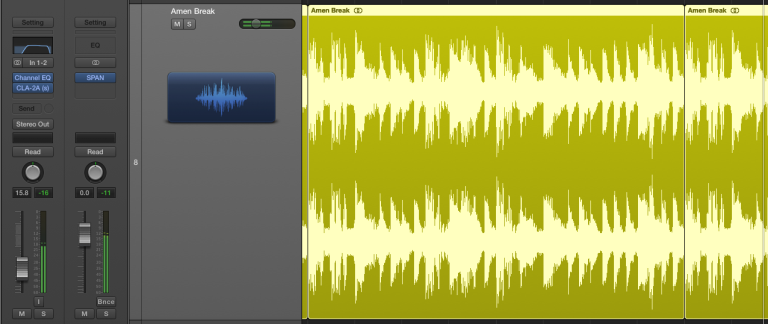
The Ceri feature reminded me that the Amen break is still one of the most important pieces of source material in jungle, and it is worth treating it as more than a quick drag-and-drop loop.
The point is not to use it because it is familiar; the point is to understand why it keeps working when it is chopped, filtered, pitched, layered, and placed correctly. If you use it lazily, it can sound like a shortcut, while a few smart edits can make it feel connected to the track.
Check out the Ceri feature if you want a reminder of how much history is packed into that one drum sample; while she doesn’t really make jungle, it’s still a fantastic piece to look over, packed with a ton of amazing tips.
Tighten Breaks Before Adding Layers
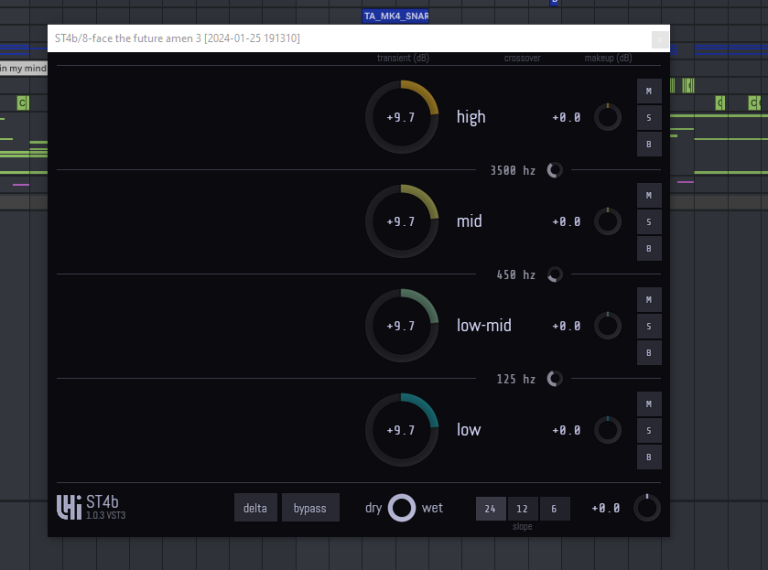
One thing I pulled from the longstoryshort article is that transient shaping can be a better first move than adding more drum samples. If the break already has the right pattern, a tool like ST4B can help tighten the attack, shorten the tail, or make the snare feel more direct before the channel gets crowded.
I think this is a good jungle habit in general because producers often stack too much when the real issue is that the original loop has not been shaped enough.
The longstoryshort interview we did is worth checking out if you want a useful angle on tightening pitched-up Amen fills and drum loops.
Build Drums From Multiple Eras
Danny Byrd’s essential jungle list reminded me that current jungle can pull from older source material without copying the production limits of the original records. Chopped Amen breaks, vocal cuts, Reese basses, and newer processing can sit together when each element has a defined role.
My article on Danny Byrd’s essential jungle records gives you a reference list for studying how those drum and bass ideas developed across different periods. If you need source material before applying the techniques in this section, my collection of 15 free jungle sample packs includes classic breaks, basslines, pads, vocals, and FX.
Once you have tested the free downloads, search Loopcloud’s premium jungle samples here when you need a larger catalog filtered by tempo, key, genre, and instrument.
Split Sub And Mid Bass
The low-end lesson that keeps coming up is that the sub and the mid-bass should usually be treated as separate jobs. A sine wave or low-passed square can handle the true low end, while the mid-bass carries the tone that helps the line translate on smaller speakers.
This gives the track enough physical low end for the club while keeping the bass’s musical identity readable on headphones and small systems. The Ravyn Lyte one linked above again is super good to check out here – it’s one of my favorite things we’ve ever done on Magnetic for jungle production – as it’s a killer reference if you want that split explained in a practical production context.
Start Reeses From Simple Patches
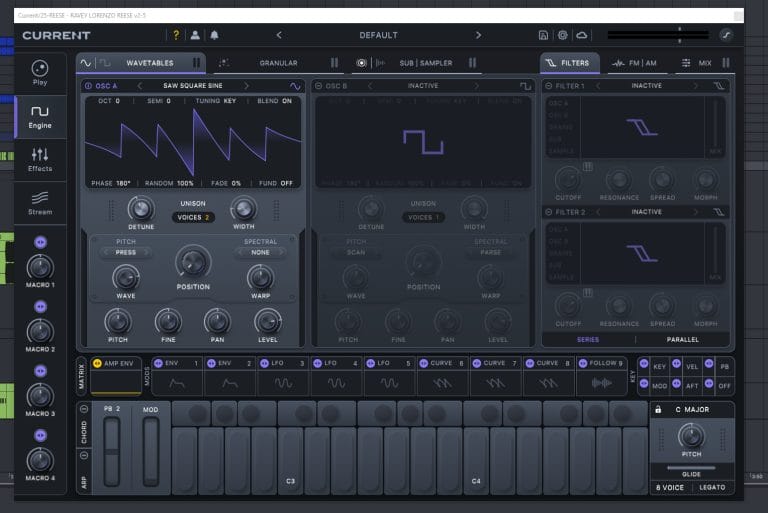
The Vektah feature is a good reminder that a Reese bass does not need to start from an overbuilt preset. Starting from a simple Serum patch forces you to decide which layer handles sub, which layer handles grit, which layer handles width, and which layer adds movement.
That makes the sound easier to mix because each part has a reason to exist. If you want to see how that kind of layered bass thinking can turn into a full DnB hook, the Vektah feature is the right place to dig in.
Print Bass Parts To Audio
One of the most practical takeaways from the Vektah feature is that audio editing can move a bass idea forward faster than endless MIDI tweaking. Once the core patch is working, printing it lets you cut, reverse, filter, resample, and rearrange the part in a way that feels more direct. I like this because jungle and drum and bass often need small edits that are easier to see and shape on the timeline.
Read the Vektah feature if you want a clear look at how resampling can turn a bass patch into arrangement material.
Use FM Bass For Support
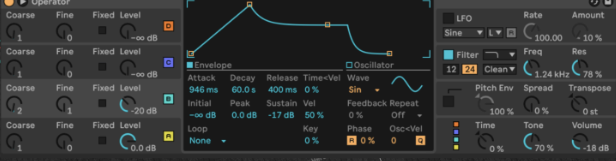
The Pocket feature is not a straight jungle breakdown, although its Ableton Operator section still carries a useful lesson for bass layering. FM does not always need to be the main sound, and sometimes it works best as a layer that gives a bassline extra edge, midrange detail, or movement.
That is a sick idea for jungle because a simple sub can stay clean while an FM layer adds the information that smaller speakers need.
Check out the Pocket article if you want a practical example of how a stripped-down FM synth can support a larger bass sound.
Keep The Main Patch Simple
The Subsonic feature reminded me that a memorable lead or bass hook does not always need an advanced patch. The main idea can come from a very simple Serum sound if the melody, arrangement, and processing are doing their jobs. I think that is a useful correction for producers who assume drum and bass requires complicated sound design at all times.
Read the Subsonic interview we did if you want a dope example of how a simple source can still anchor a polished, high-energy record.
Use Saturation As Glue
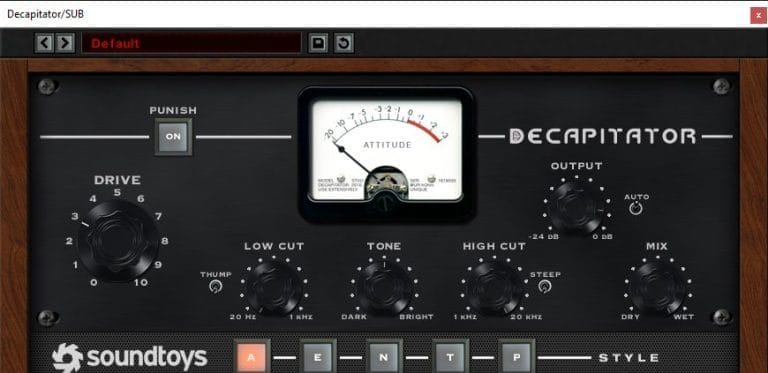
Shadow Child’s (who is the GOAT of music production) article gave me a useful reminder that saturation across bass and drums can do a lot of the cohesion work before the mix gets too technical. When the drums and bass feel disconnected, the answer is not always a new layer or a bigger bus chain.
Sometimes a controlled saturation stage can help the parts feel like they belong in the same record, especially when the source material comes from hardware, samples, and software together. The Shadow Child HIWM is a useful read if you want to see how saturation can sit at the center of a break-driven production.
Shape Distortion By Frequency
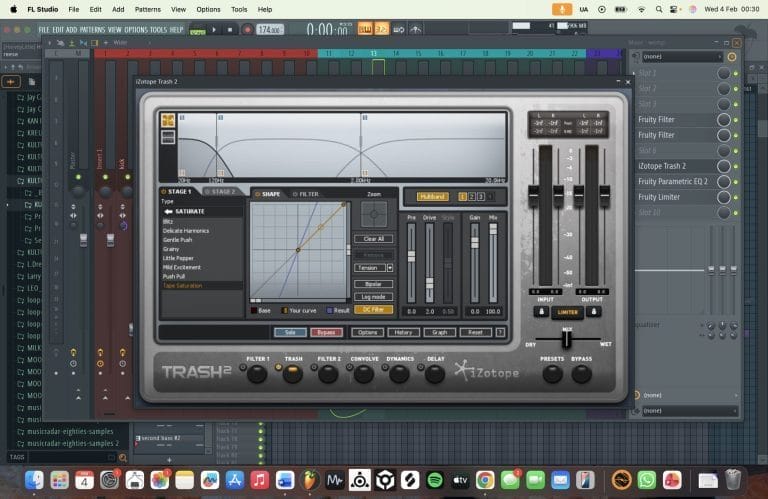
The HL and Elvii feature gave me a clean reminder that distortion does not have to hit the full bass signal in the same way. Multiband distortion lets the sub stay controlled, the mids carry aggression, and the upper range add bite without turning the full sound into one smeared block. That separation matters in jungle because fast drums already create a lot of midrange activity.
Check out the HL and Elvii spotlight piece if you want to see how Trash 2 was used to shape bass, lead, and brass-stab material in a drum and bass context.
Use Sidechain With More Precision
The Vektah bit gave me one of the clearest mix reminders in this whole batch: full-range sidechain compression can be too blunt.
If the kick only needs space in the sub, there is no reason to pull the whole bass sound down each time it hits. Multiband volume shaping keeps the low end controlled while allowing the mid-bass to keep speaking. If that kind of surgical movement is what your mixes are missing, spend time with the Vektah breakdown that we already linked above.
Let The Snare Clear Space
The Casey Club article is framed around dubstep, although the snare advice translates directly into drum and bass. The point that stuck with me is that the snare often needs other parts to move out of the way, especially when the track is dense. In jungle, the snare can carry a huge amount of the groove, so it cannot sit behind bass mids, synth layers, and break clutter.
Check out the Casey Club track breakdown if you want a useful cross-genre reminder on how snare placement affects the full drop.
Duck Around The Vocal
The Hybrid Minds chat that we did has one of the most useful vocal-mix lessons for drum and bass: sometimes the music needs to move around the vocal rather than forcing the vocal louder. Using a tool like Trackspacer to duck the music bus around the vocal can create room without making the instrumental feel hollow.
That is useful in jungle and liquid DnB because the drums, bass, pads, and FX can quickly crowd the midrange. Read the Hybrid Minds production walkthrough if you want a direct example of vocal space being handled inside a dense DnB mix.
Tune Vocals Before Big Effects
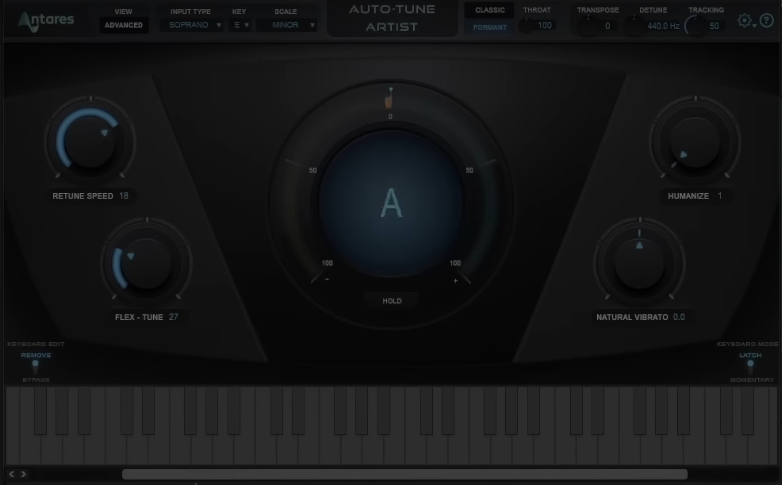
The MOONBOY piece made me think about vocal processing in a very practical order. If the vocal is going into big reverb, delay, resampling, or chopping, the tuning needs to be handled before those effects spread the signal across the mix. Getting
the key, formant mode, and retune speed right first gives every later step a cleaner source. If vocal-led liquid DnB is the goal, the MOONBOY track walkthrough is worth reading before you build the FX chain.
Turn Vocals Into Atmosphere
Another MOONBOY takeaway I liked is that vocals do not always need to sit in front of the track. With heavy reverb, resampling, filtering, or pitch work, a vocal can become a pad, background layer, or transitional texture while still keeping some human detail. That can be useful in the jungle when you want emotion without adding another obvious synth part. Click that link in the tip above article goes deeper into that vocal-processing chain, and it is worth reading if you work with toplines or chops.
Use ShaperBox For Session Motion
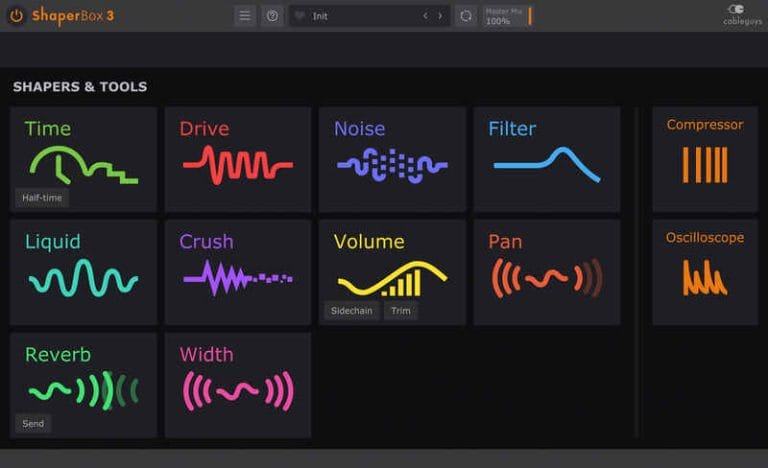
The SEEDR article made a good case for using modulation tools as part of the arrangement, not just as special effects. Volume, pan, time, reverb, and width movement can keep a section active without adding another instrument. I like that because dense jungle sessions can get worse when the answer to each problem is another layer.
The SEEDR HIWM article is a sick piece to read if you want to see how ShaperBox-style movement can help a liquid DnB track breathe without losing focus.
Keep The Center Reliable
A useful mix lesson from SEEDR’s track breakdown is that the sides can move while the center stays dependable. Pads, vocal texture, FX, and atmosphere can pan, widen, or shift, while kick, snare, sub, and the lead idea stay focused. That gives the track motion without making the low end feel unstable.
Read the SEEDR feature if you want a practical look at how stereo movement can add interest without weakening the core of the mix.
Add Randomness With Intention
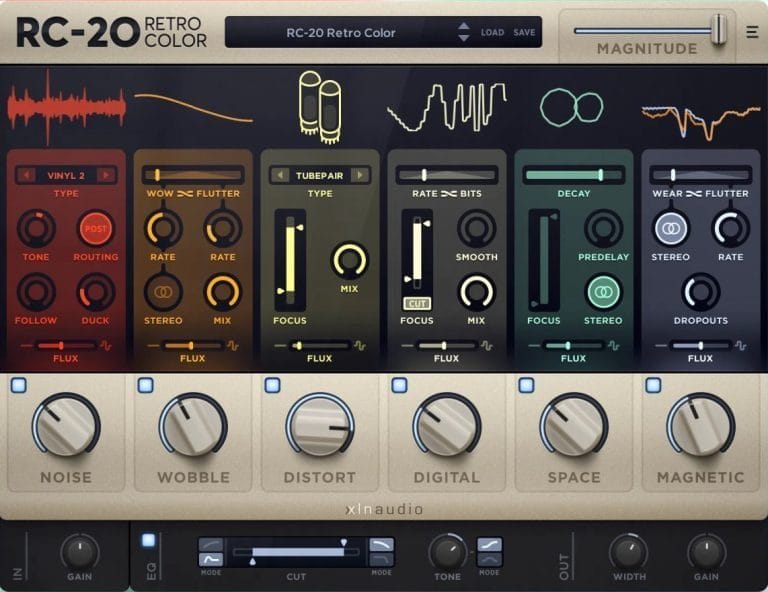
The Carlo piece is not straight jungle, yet the sample-work lesson applies well to jungle because the genre often depends on repetition that still needs small changes.
His use of randomized note behavior is a good reminder that programmed parts can feel less rigid when controlled chance is built into the pattern. I would use that idea on percussion, chopped stabs, short vocal slices, or texture loops rather than letting the whole track become unpredictable. The Carlo one is worth linking here because it shows how a loose, sample-driven approach can stay controlled inside a club track.
Use Granular Texture With Restraint
Wisdom Water’s feature gave me a useful reminder that jungle breaks can live next to granular processing, physical-modeling sounds, and rave-inspired bass without the track losing its shape.
The key is restraint, because texture works best when the rhythm and low end already have direction. I would use granular material for atmosphere, transitions, or background movement rather than letting it compete with the break. The Wisdom Water feature is a good link if you want to show readers how jungle influence can connect with experimental sound design.
Build Around Breakbeat Texture
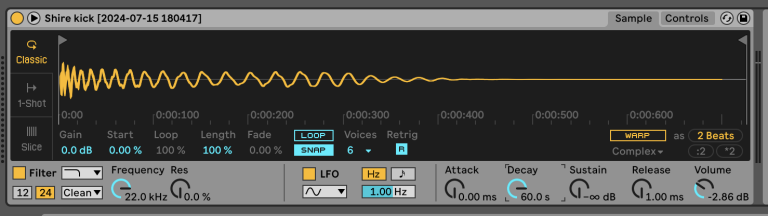
The Banksia tutorial really taught me all about how break-driven music does not always need to be aggressive to work. Texture, nature-inspired atmosphere, and restrained processing can still support a rhythm-forward track if the drums have enough detail.
For jungle producers, that matters because not every track needs to be full pressure from the first bar to the last. Read the Banksia article if you want a breakbeat-adjacent reference for using texture without losing the rhythmic core.
Use References Without Copying
The SEEDR spotlight reinforced something I think matters across all fast electronic production: references should keep your ears honest, not make the track feel borrowed. A reference can tell you if the tempo, low-end level, vocal placement, and drum brightness are in the right range. After that, your own samples, chords, bass design, and arrangement choices still need to define the record. If
you want a good example of references guiding a liquid DnB session without flattening the identity of the track, read the SEEDR thing.
Arrange Before Polishing The Loop
A good loop can become a trap if the arrangement is not moving. I would rather sketch the full structure early, even roughly, because the intro, drop, breakdown, second drop, and transitions tell you what the sounds actually need to do.
Polishing an eight-bar section for hours can feel productive, then the track still has no direction when you zoom out.
Keep Stock Tools In Play
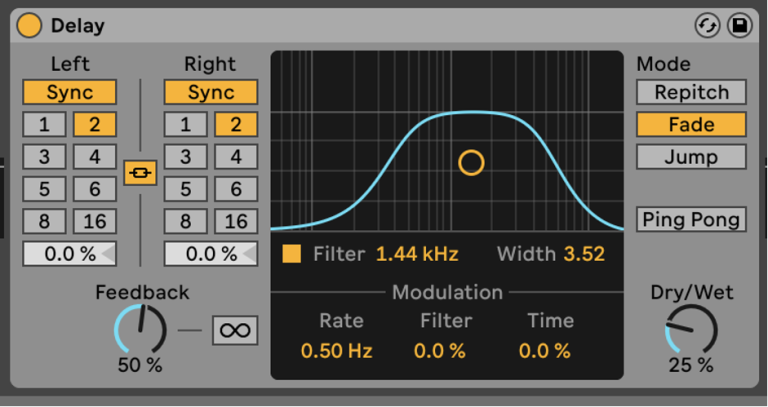
The Tommy Value feature gave me a useful reminder that stock tools are still enough to build interesting movement when the idea is clear.
For jungle more than most other genres, that matters because a producer can waste a lot of time looking for specialty plugins when a stock sampler, filter, chance device, saturator, or delay can solve the problem quickly. A simpler tool can also make the decision feel more direct because there are fewer parameters to hide behind.
Dig into the Tommy Value track breakdwon here if you want a reminder that smart stock-tool workflow can still hold up inside a modern production.
Mix Before Chasing Loudness
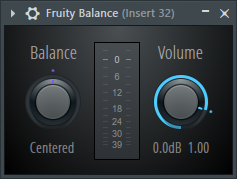
The Finalfix chat gave me one of the most sickest reminders in the whole research pass: loudness is not the same as a working mix. Jungle and drum and bass can feel exciting when pushed hard, although the sub, snare, break, and mid-bass still need a clear relationship before mastering can do its job.
If the balance is wrong, clipping and limiting usually make the problem more obvious. Read the Finalfix piece if you want a direct look at loudness, clipping, level control, and heavy DnB mix decisions.
Let The Room Test Ideas
The Wigman interview is not a production breakdown in the technical sense, but it carries a useful reminder for producers making jungle: the room is still one of the clearest tests. Metrics and online reach can shape bookings, yet a track still has to work when people are reacting to it in real time. I think that should affect production choices, especially arrangement length, drop timing, snare impact, and how much space you leave before key changes.
Do yourself a favor and jump headfirst into the Wigman feature that I just published not long ago if you want that dancefloor-first mindset from someone inside the drum and bass scene.
Learn The Genre’s Technical Rules
The Blanke interview reinforced a point that is easy to underestimate from the outside looking in: the technical skill set is specific. The way the drums sit, the way grooves are built, the way bass layers move, and the way sound selection works are not interchangeable with other genres.
That does not mean producers cannot bring in outside influence, although it does mean they need to learn the genre’s internal grammar before bending it. The Blanke interview is worth reading if you want a broader, artist-level view of what changes when a producer takes drum and bass seriously.

Will Vance is a professional music producer who has been involved in the industry for the better part of a decade and has been the managing editor at Magnetic Magazine since mid-2022. In that time period, he has published thousands of articles on music production, industry think pieces and educational articles about the music industry. Over the last decade as a professional music producer, Will Vance has also ran multiple successful and highly respected record labels in the industry, including Where The Heart Is Records as well as having launched a new label with a focus on community through Magnetic Magazine. When not running these labels or producing his own music, Vance is likely writing for other top industry sites like Waves or the Hyperbits Masterclass or working on his upcoming book on mindfulness in music production. On the rare chance he's not thinking about music production, he's probably running a game of Dungeons and Dragons with his friends which he has been the dungeon master for for many years.