PHOTO CRED_ CHLOE ANDERSON
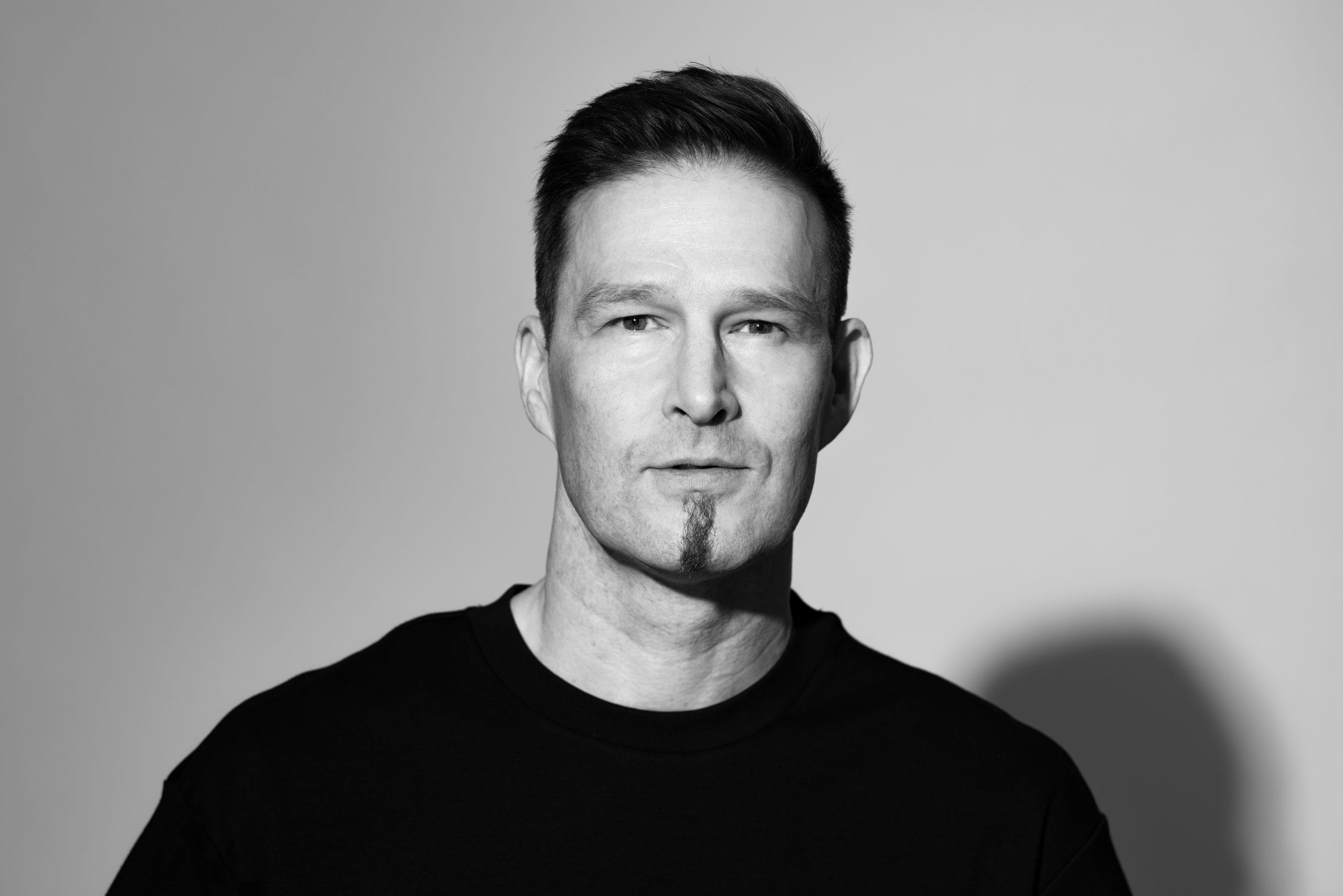
Shadow Child’s latest single “Say It Now,” which is official out via London Records, feels like a full-circle moment. It is his most direct nod to the UK rave era yet, built from the raw energy of breakbeats, euphoric vocal work from Bernard Fowler, and production techniques that trace back to 1991. After years of pushing his sound across bass-heavy club music, deep house, and crossover projects with artists like Jake Shears, this release marks a sharp, deliberate return to his roots while carrying the clarity and punch of a modern mix.
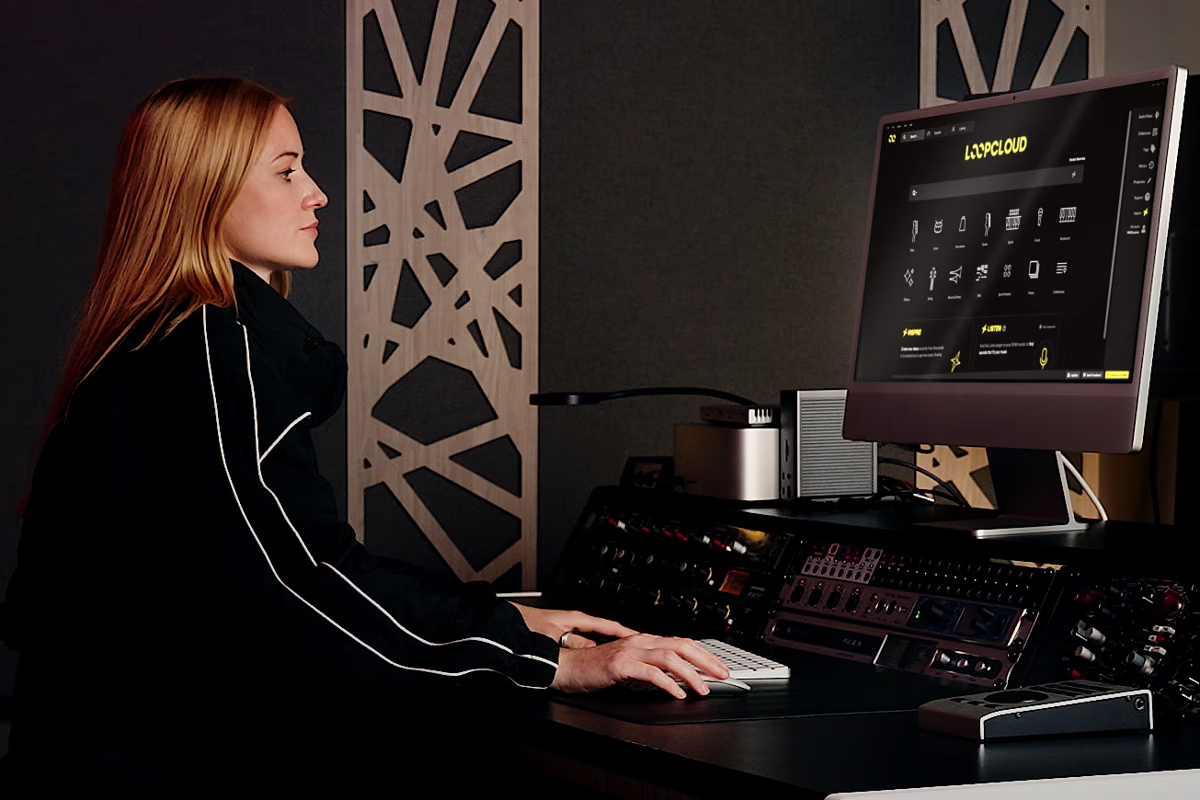
That balance between heritage and precision is what makes “Say It Now” is no accident. Shadow Child leaned on a mix of classic outboard gear and in-the-box processing to shape every detail of the track, from the tuned-up pads to the saturated drum layers. In this feature, he breaks down the exact tools that made it happen, explaining how he used them to get the grit, weight, and immediacy that defined the rave era without losing the power of a contemporary record.
It is a deep dive into the way Shadow Child thinks about production in 2025 – practical, informed by decades of experience, and rooted in a love for the raw techniques that first inspired him. Below, he takes us through the key plugins and gear that brought “Say It Now” to life, sharing the exact moves that producers can apply in their own sessions.
Unison Mangler
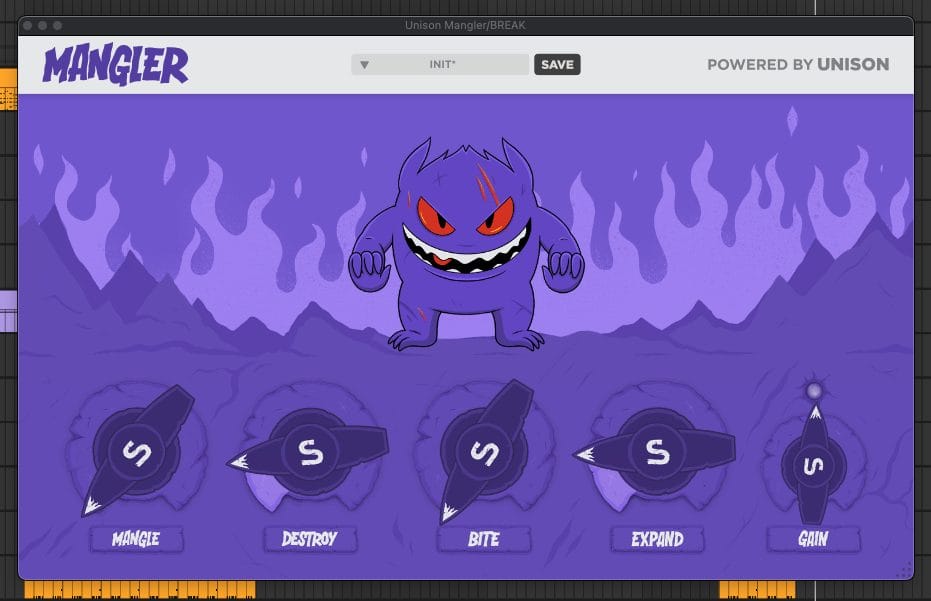
Excluding the vocal and breakbeat, all the sound sources in “Say It Now” are from outboard equipment, but processed in the box. One of the most important things in this track is the saturation across the bass and drums, and for that I’ve used the Unison Mangler… a plugin I initially turned my nose up when I saw it, but I’ve ended up falling in love with. It’s a basic one stop shop of tricks giving awesome vintage saturation, distortion and stereo width to shape and rough things up and in this case, provide that authentic rave sound to the drums. Big up Unison… I’m sorry I hated (the idea of) it to start with!
I’ll talk about the external sound sources on this one as it’s the only thing I can do.
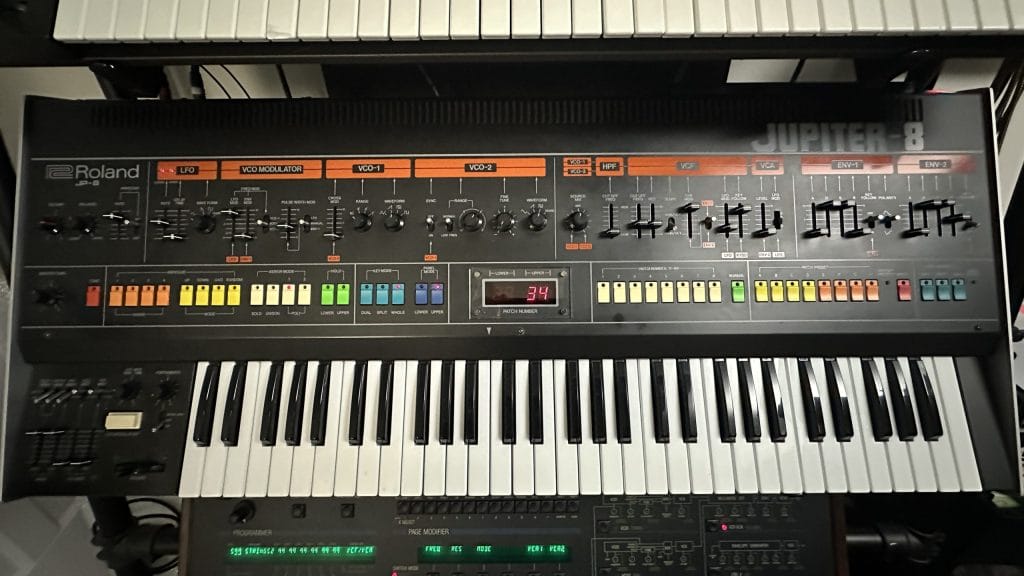
The pad is from a Jupiter 8 and built from preset 34 on the original factory bank from 1981. I processed it with basic Valhalla reverb and ping-pong delay for width and warmth.
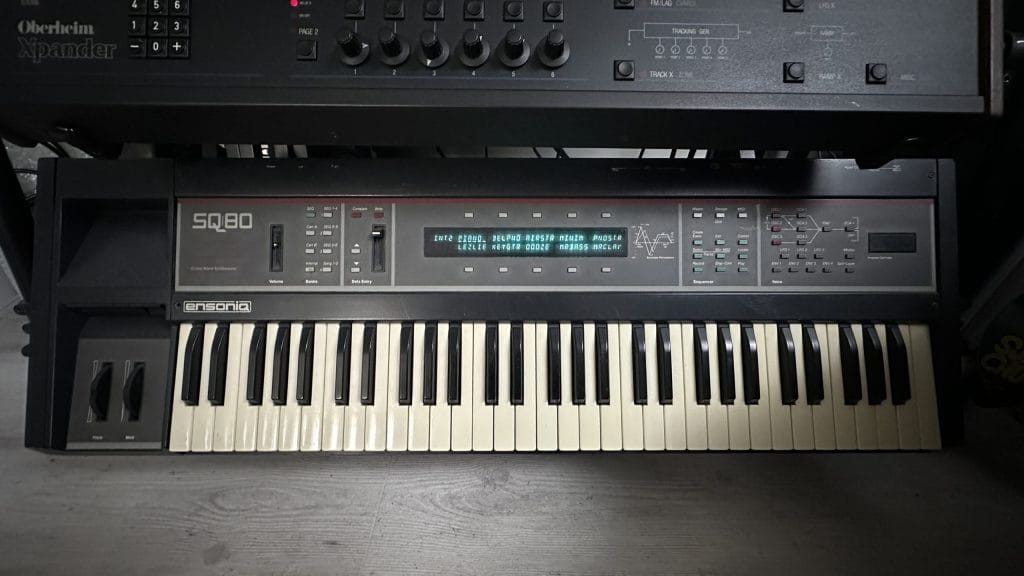
The piano is from the SQ80 which I bought for filming a documentary, but it sat in my studio not doing a lot since. The classic piano sound is from the original soundbank, most famously used by Adamski but also Sterling Void and on Rhythm on the Loose’s ‘Break of Dawn’. I did retune the 2 oscillators closer together to be not so ‘honkytonk’, making a similar sound to Cola Boy’s ‘7 Ways’. This record is an unapologetic tribute to the UK rave explosion in 1991 so it’s all about pure authenticity, as if I’d made it back then as a kid.
The Unison Mangler is like a Swiss army knife, but for me the instant character it gives your sounds is so much fun to dial in. Lessons I’ve learnt, especially if you’re playing with breakbeats, rave, or jungle, is not to be scared of going in heavy. The whole thing from that original rave era is that nobody really knew what they were doing, sampling things into 12-bit samplers in mono with the record gain too high, running it into small home studio mixers like the Mackie VLZ and running the channel too hot. It was all about vibe and not perfection, so plugins like this help get that sound with little effort. We’re subject to thousands of plugins and samples these days that are so clean and perfect, that there’s often little character. Aside from melodies and rhythms, great music and recordings are all about vibe. Insert the vibe!
UAD Precision Maximiser
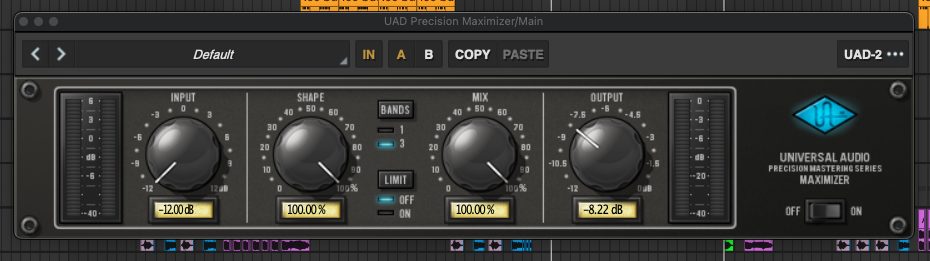
UAD’s Precision Maximiser goes across the master chain on every tune I make. It’s a “dynamic impact processor, designed to increase loudness without sacrificing dynamic range”… exactly why I use it. I simply boost the shape and don’t use the limiter at all. Basic stuff that’s incredibly effective. My music is all about that in every aspect.
There’s many other plugins that will do similar stuff but you can’t fault using the Precision Maximiser which I hope will become part of UAD’s Spark offering so I can use it on the road more.
FabFilter Pro-Q 4
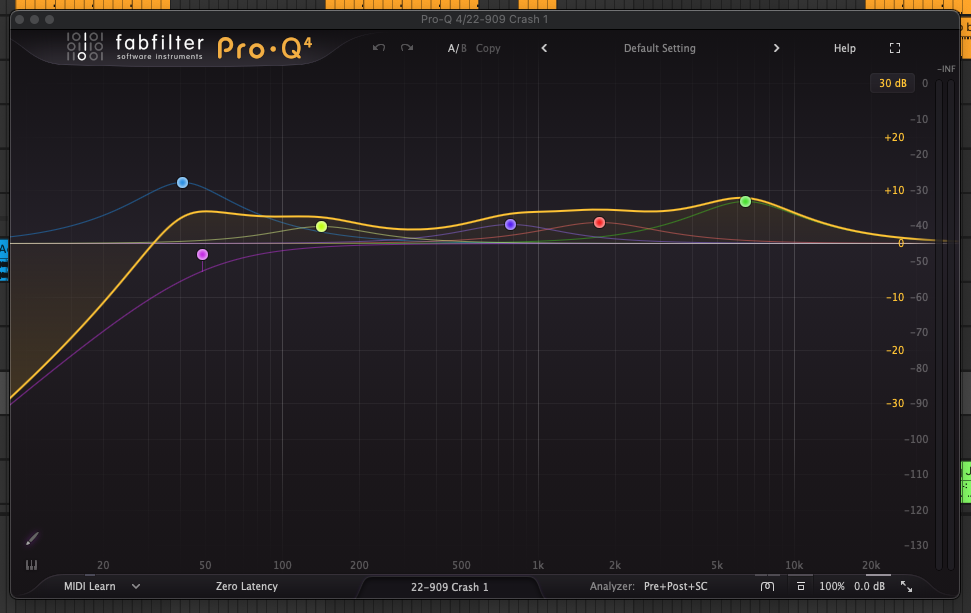
EQ is just EQ, but FabFilter have the interface absolutely locked down and the features and tools on Pro-Q 4 are insanely good. It’s all over my music (as was Pro-Q 3 and all in the past) and I can’t live without it. Picking out nasty frequencies and inverting them, left/right/mid/side EQ especially are my go-to’s. Putting one across the whole mix and boosting a low db high shelf from 2k up with sides on will give your mix so much more space and brightness without simply boosting it. Magic.
Pro-Q 4 is essential for me and used on every track in the arrangement. You can’t mix music without some form of EQ, especially to allow space for low end. Everything needs its own space in the mix and this one makes that so simple.
Quick Fire Tips For Making Music
#1 For me I was creating a ‘time capsule’ piece of music, back to some of the techniques I used as a kid. Using Ableton and all the sound sources and processing in a primitive way was essential.
#2 Find a break and rough it up, find a hook or a vocal sample (clear it if monetising!), make some emotive pads and uplifting piano and be true to where this music comes from.
#3 Remember the era, think about the primitive equipment and limitations people had in their bedrooms in 1991.
#4 Have fun.

Will Vance is a professional music producer who has been involved in the industry for the better part of a decade and has been the managing editor at Magnetic Magazine since mid-2022. In that time period, he has published thousands of articles on music production, industry think pieces and educational articles about the music industry. Over the last decade as a professional music producer, Will Vance has also ran multiple successful and highly respected record labels in the industry, including Where The Heart Is Records as well as having launched a new label with a focus on community through Magnetic Magazine. When not running these labels or producing his own music, Vance is likely writing for other top industry sites like Waves or the Hyperbits Masterclass or working on his upcoming book on mindfulness in music production. On the rare chance he's not thinking about music production, he's probably running a game of Dungeons and Dragons with his friends which he has been the dungeon master for for many years.