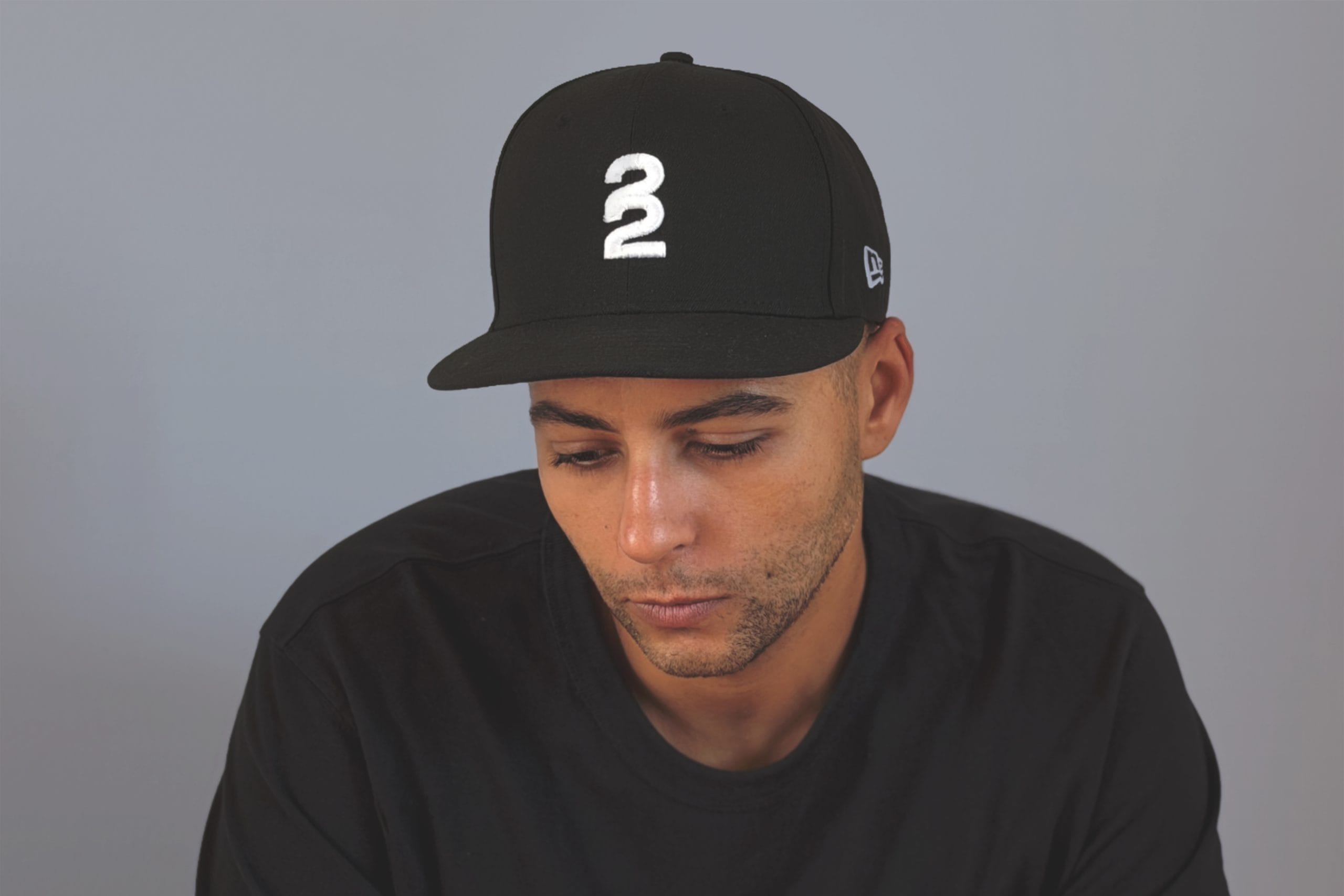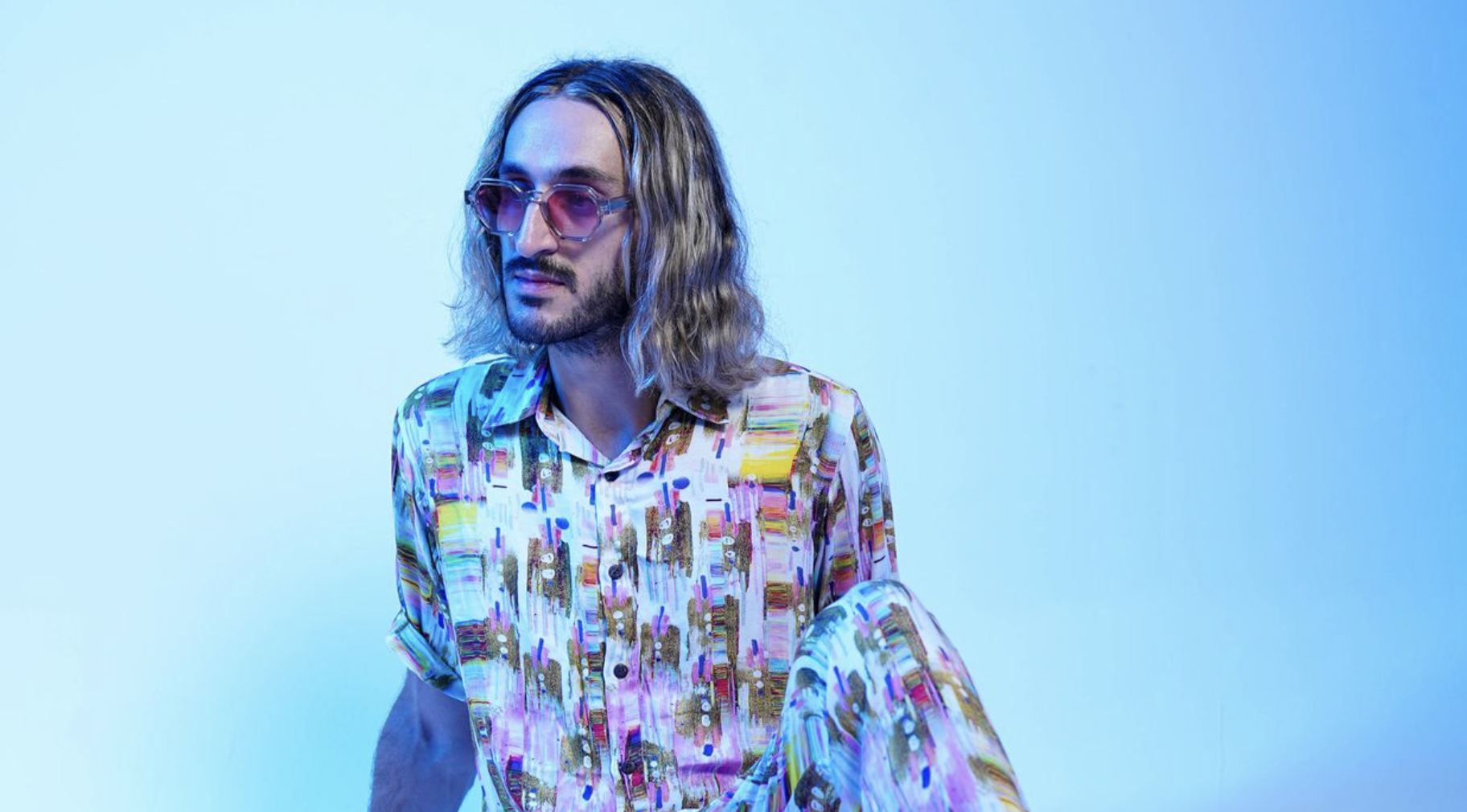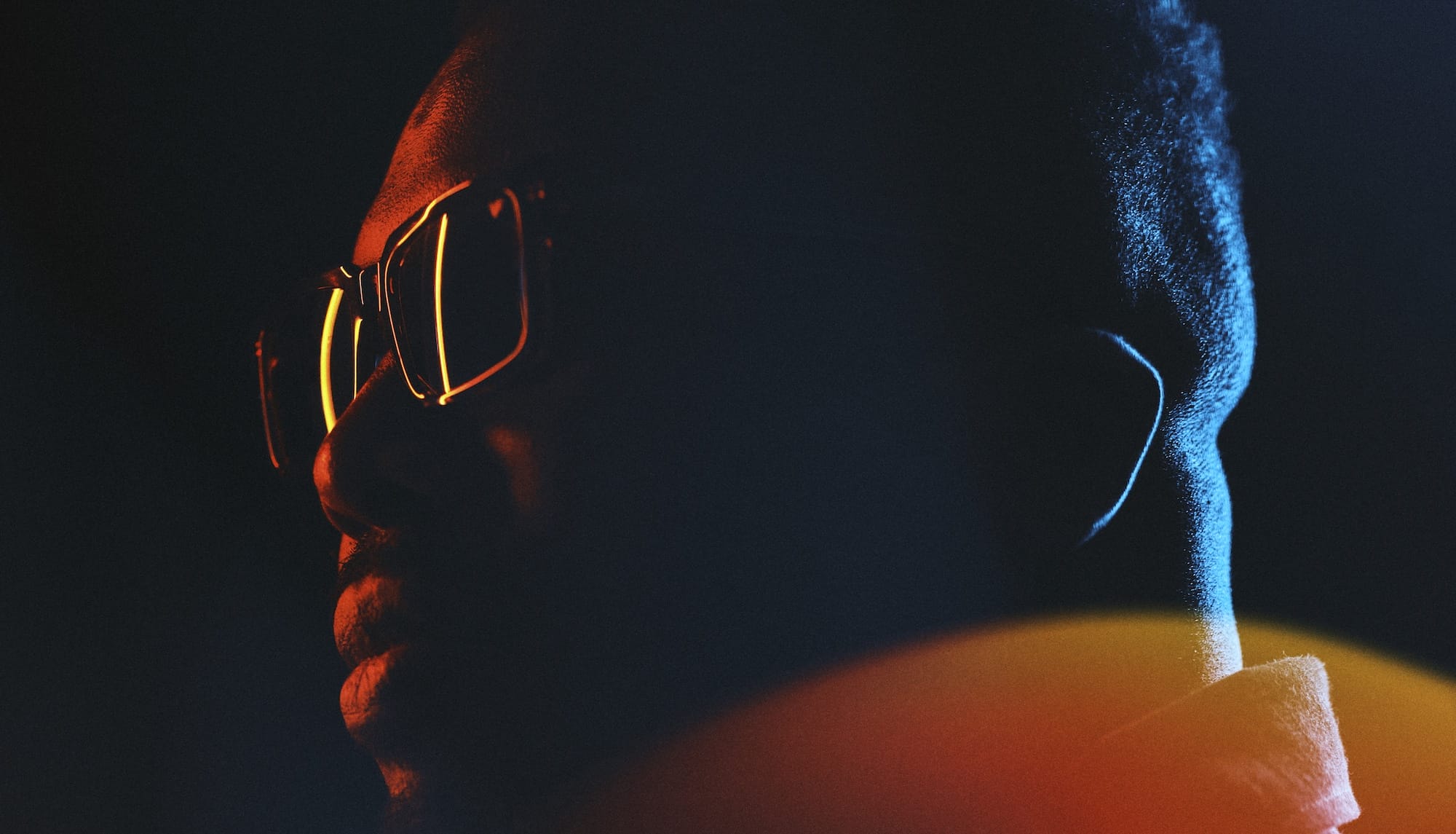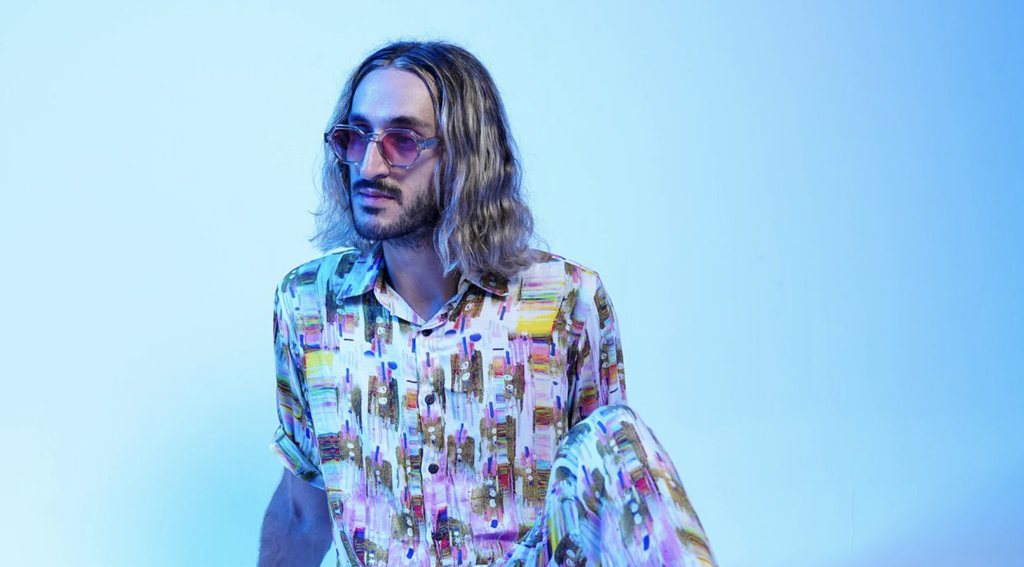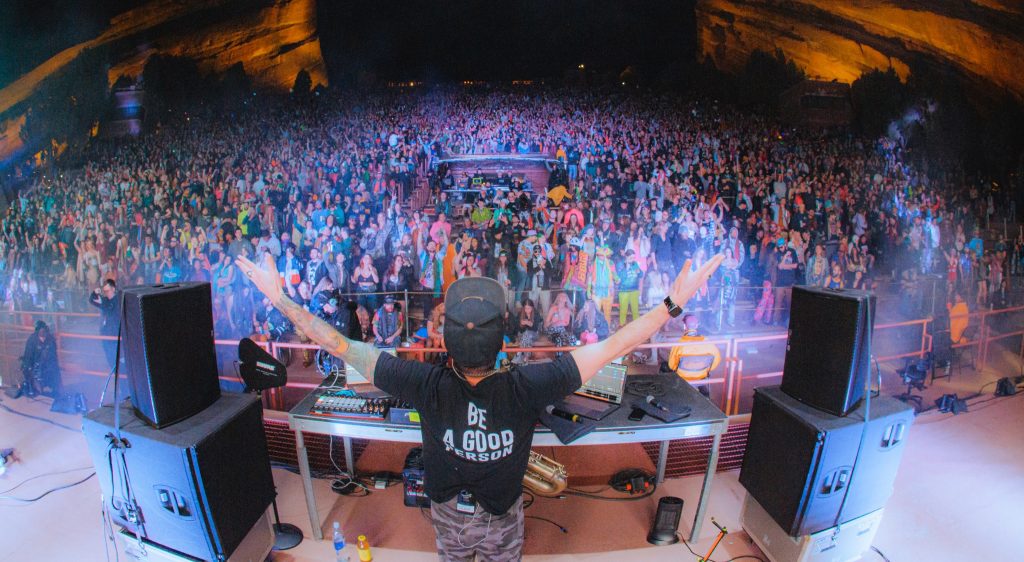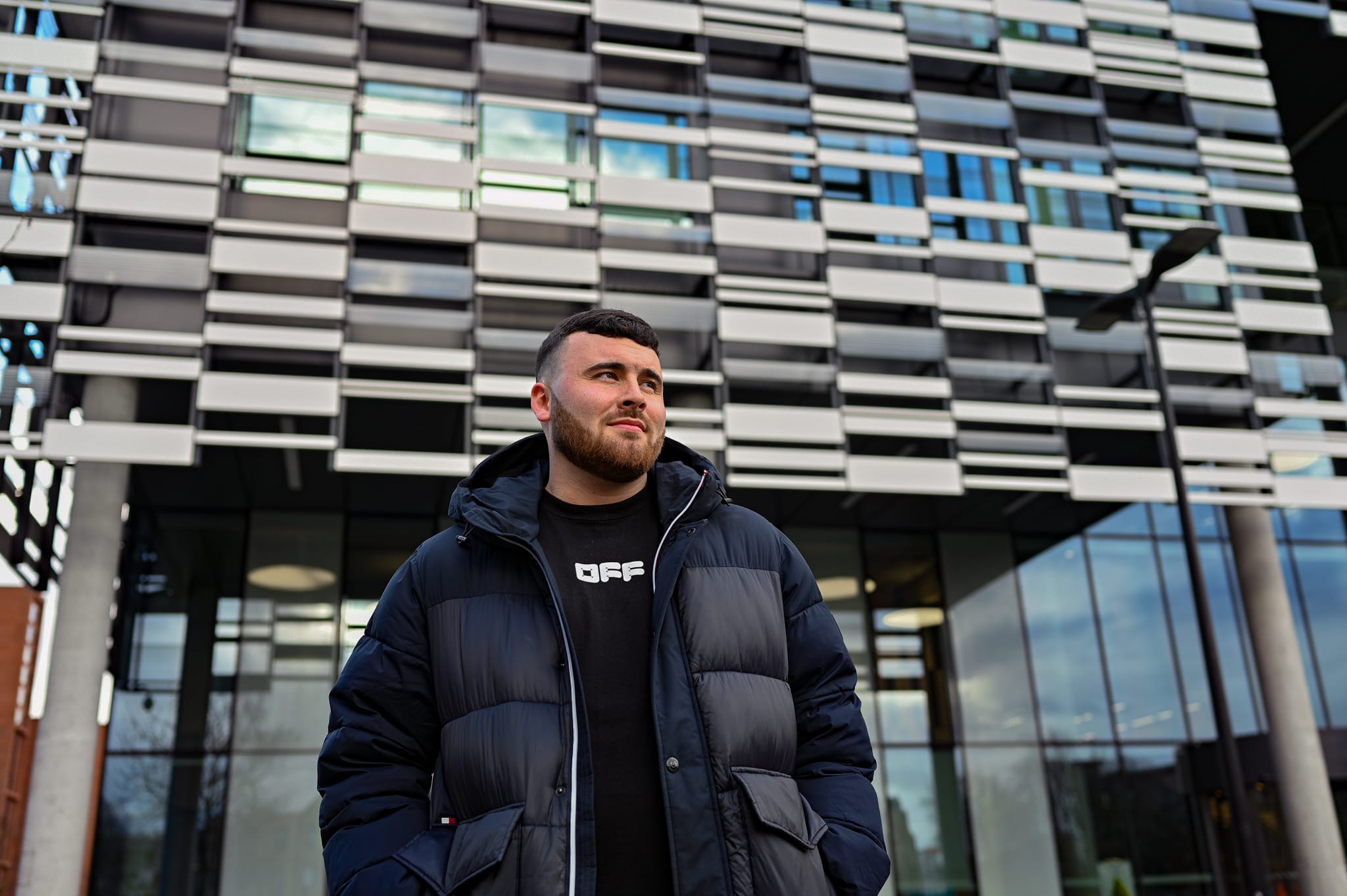
Wigman (@wigman_dnb)closes out the exclusive run of new singles from Make Your Era’s 2026 Spring Mixtape with “Ritual.” That placement feels earned because the label has structured this rollout to spotlight each artist individually before bringing the full project together, and Wigman’s track sits at the end of that sequence as part of a wider push around jump up drum and bass in 2026.
Founded by Vibe Chemistry, Make Your Era has built these quarterly compilations into a core part of its identity, and this one is framed around direct dancefloor pressure, sharp percussion, and the kind of low-end impact that works immediately on a system.
That bigger release plan matters here because the 2026 Spring Mixtape is clearly being presented as a real-time snapshot of where the label stands right now. Alongside Wigman, the compilation features new music from Falentin, Contact Point, DEL & GRISEO, Hamses, Magenta, JGA, and SXN JXN, with each artist bringing a slightly different angle to the format.
What makes Wigman’s interview useful is that he talks about the current state of bookings and visibility without losing sight of what still carries value in drum and bass. He is clear that numbers can get attention, but he keeps coming back to crowd reaction, selection, and the energy in the room.
That perspective fits a compilation like this well, because it cuts through the usual promo language and gets closer to the real question underneath it all: what actually lasts once the post, the metric, and the weekly cycle move on.
Interview With Wigman
Have you experienced moments where metrics played a noticeable role in booking decisions? How did you interpret that?
Yeah, you definitely notice it in the scene. Numbers and reach are a big part of how bookings get decided now. From my perspective, though, I’ve always tried not to focus too much on that side of things. My focus has always been the music and the energy I bring to a set.
I started out DJing years before I ever released music, setting up rigs and playing events, so for me the real value has always been the crowd reaction. Metrics can open doors, but what happens on the dancefloor is what really keeps people coming back.
How do you navigate the expectation to stay active online while remaining focused on your music?
It’s definitely a balance. Social media is part of being an artist now, but I try not to let it take over the creative side of what I do.
For me, the priority has always been making the best music I can and putting the hours into production. There were times when I was spending ten hours a day in the studio just learning and crafting my sound. The online side is important, but the music has to come first.
From your perspective, how are promoters balancing instinct with data today?
I think promoters are definitely using more data now, numbers, engagement, reach, but the good ones still trust their instinct as well. The energy an artist brings to a room can’t really be measured through statistics.
The best events I’ve been part of are usually when promoters trust their ears and the vibe of the scene, not just the numbers attached to a name.
Have you observed a gap between what feels artistically exciting and what gets programmed on lineups?
Sometimes, yeah. Some of the most exciting music in Drum & Bass comes from producers experimenting and pushing their own sound, but that doesn’t always translate into bigger bookings straight away.
I’ve always believed the scene moves forward through individuality. The artists who stay true to their sound eventually build something stronger than chasing what’s trending at the time.
In your view, how has reach influenced the kinds of risks promoters are willing to take?
Reach definitely affects how safe promoters feel about a booking. If someone has big numbers online it can feel like less of a risk.
But at the same time, a lot of the best moments in the scene come from taking chances on artists who might not have that reach yet but bring something fresh. That’s where new energy comes from.
How do you stay centered on your craft knowing visibility often factors into opportunities?
For me it always comes back to why I started in the first place. I got into Drum & Bass through the rave scene, through the energy of hearing music in a room full of people.
If I focus on that feeling and keep putting my heart into the music, everything else tends to follow. Not everyone will like what you make and that’s fine, music is subjective. The important thing is making something that feels honest to you.
Can you share a moment when someone without much online presence delivered a set that shifted the room?
That happens more often than people think. I’ve been to plenty of raves where a DJ who isn’t big online completely changed the atmosphere in the room just through their selection and energy.
Those moments remind you that the dancefloor is still the real test. When a track lands and the whole room reacts, it doesn’t matter how many followers someone has, the music speaks for itself.

Will Vance is a professional music producer who has been involved in the industry for the better part of a decade and has been the managing editor at Magnetic Magazine since mid-2022. In that time period, he has published thousands of articles on music production, industry think pieces and educational articles about the music industry. Over the last decade as a professional music producer, Will Vance has also ran multiple successful and highly respected record labels in the industry, including Where The Heart Is Records as well as having launched a new label with a focus on community through Magnetic Magazine. When not running these labels or producing his own music, Vance is likely writing for other top industry sites like Waves or the Hyperbits Masterclass or working on his upcoming book on mindfulness in music production. On the rare chance he's not thinking about music production, he's probably running a game of Dungeons and Dragons with his friends which he has been the dungeon master for for many years.