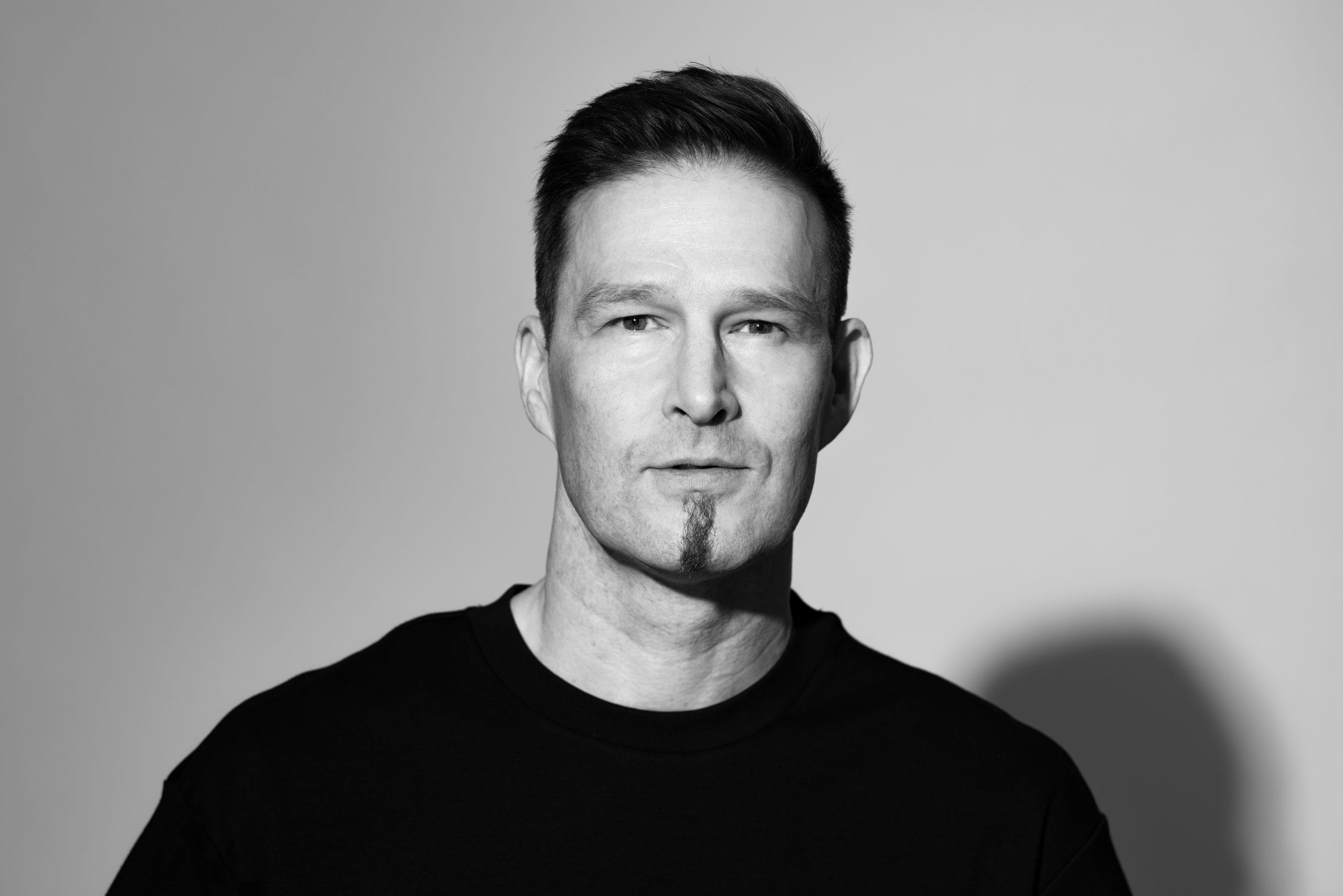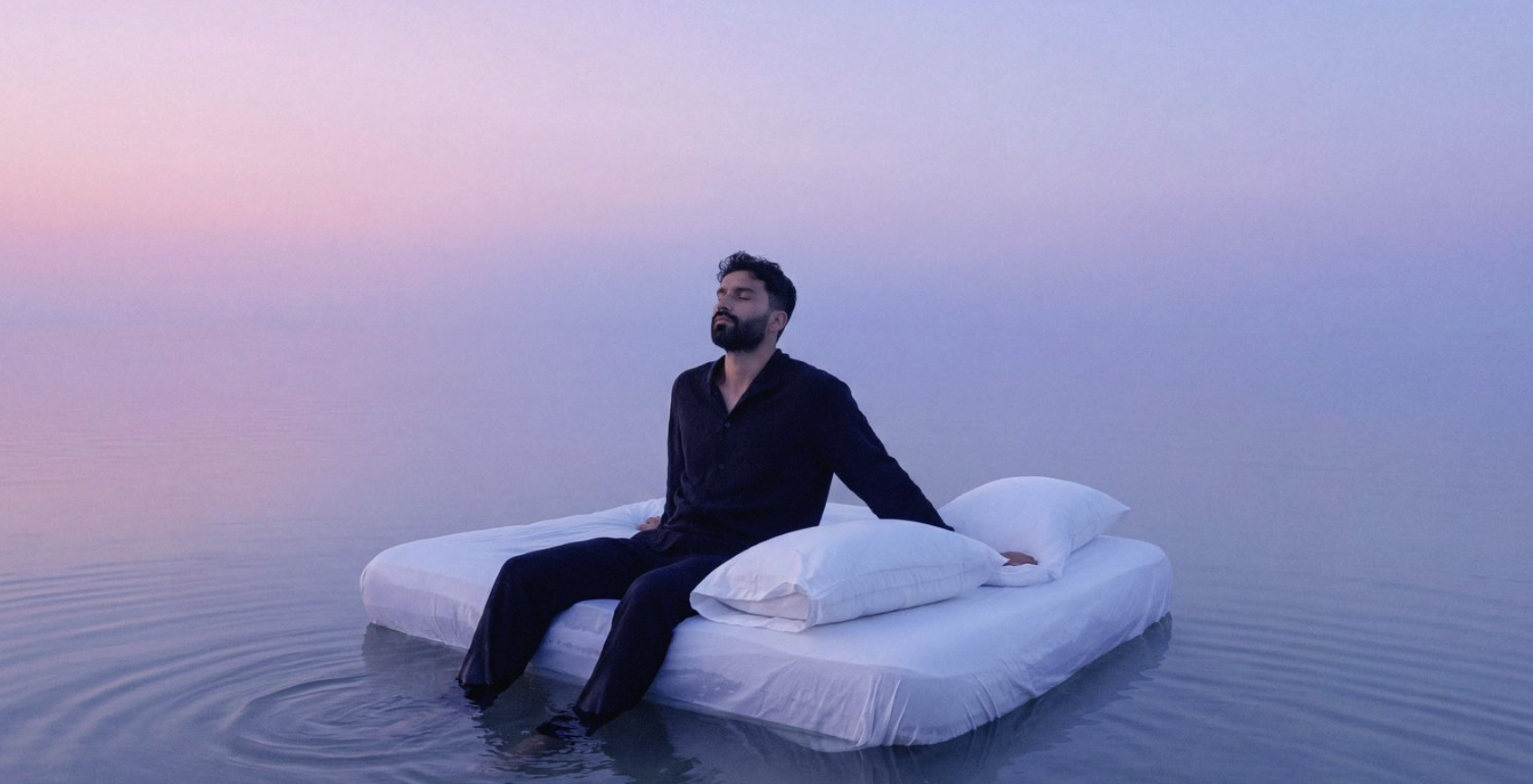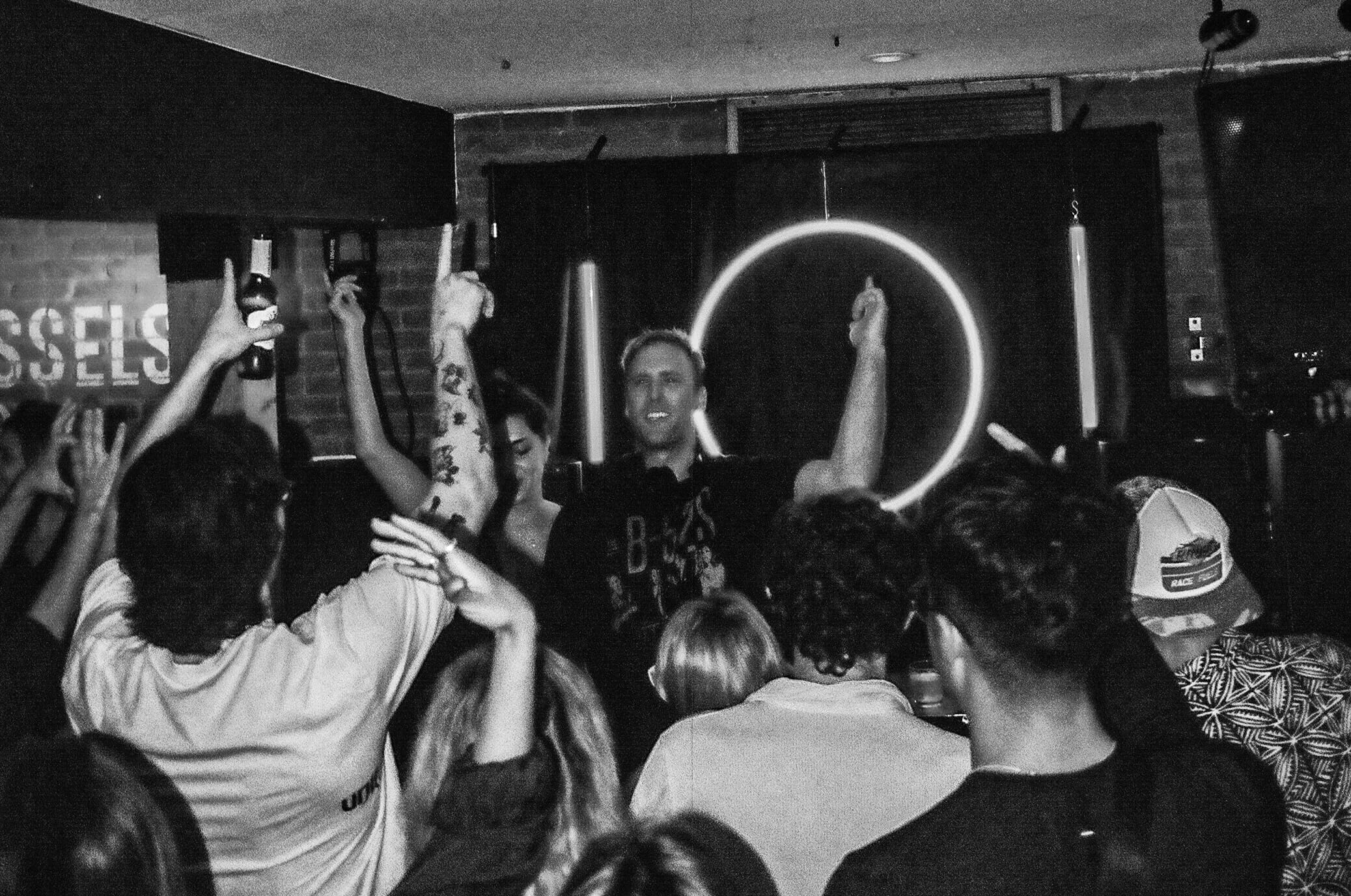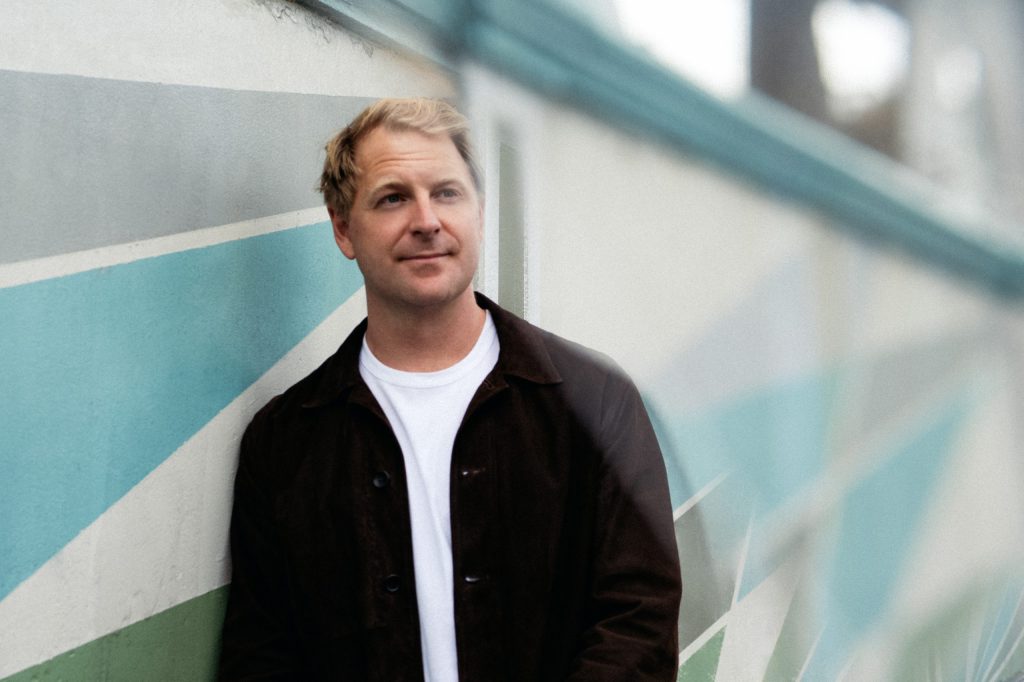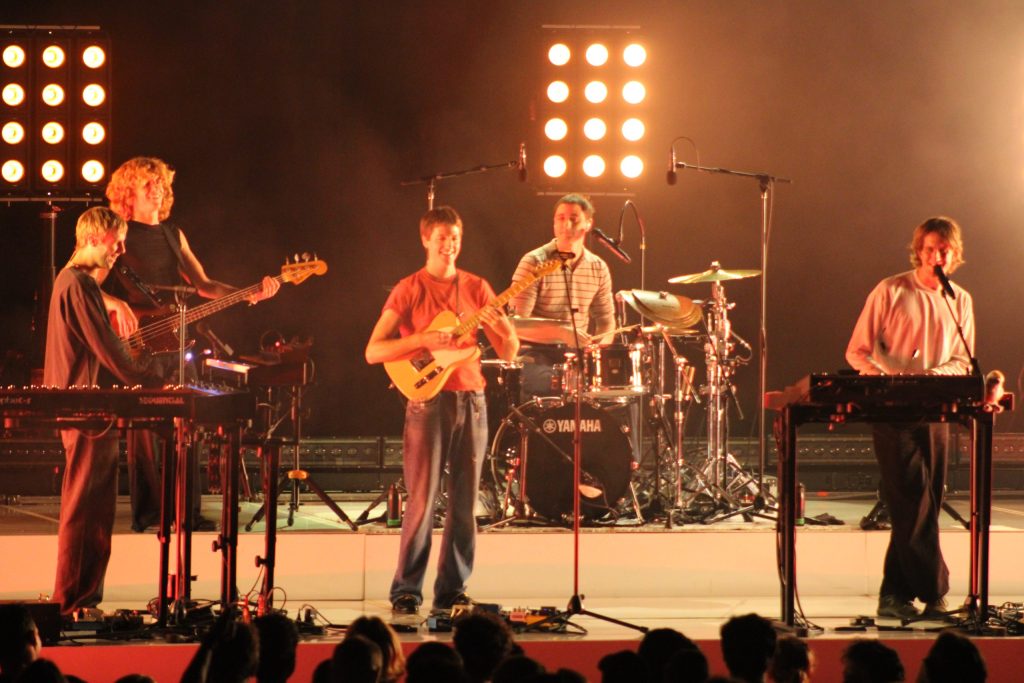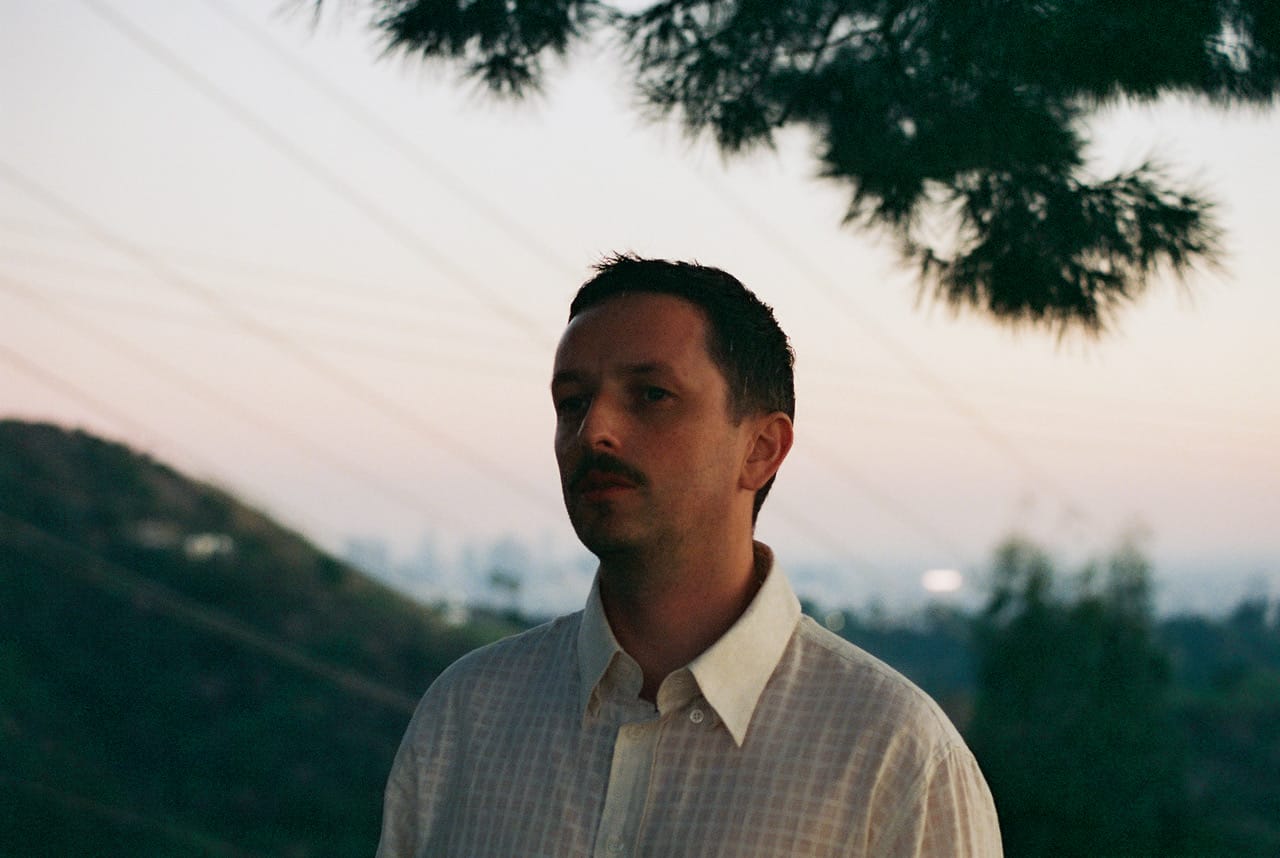
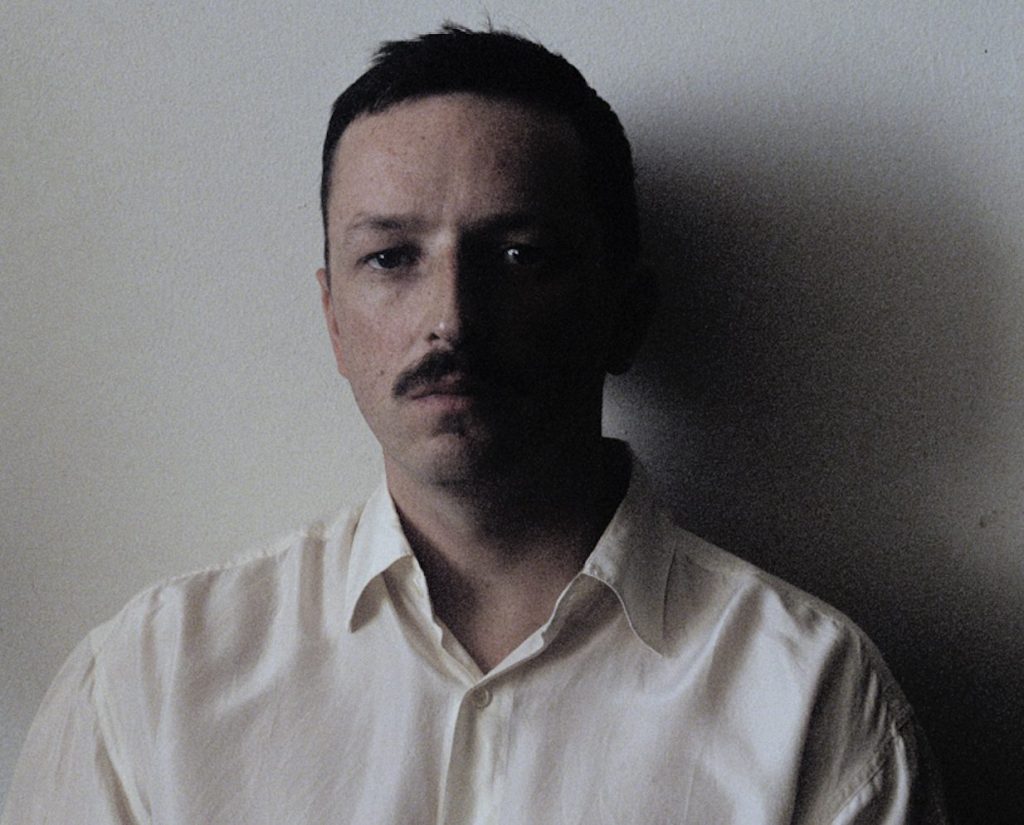
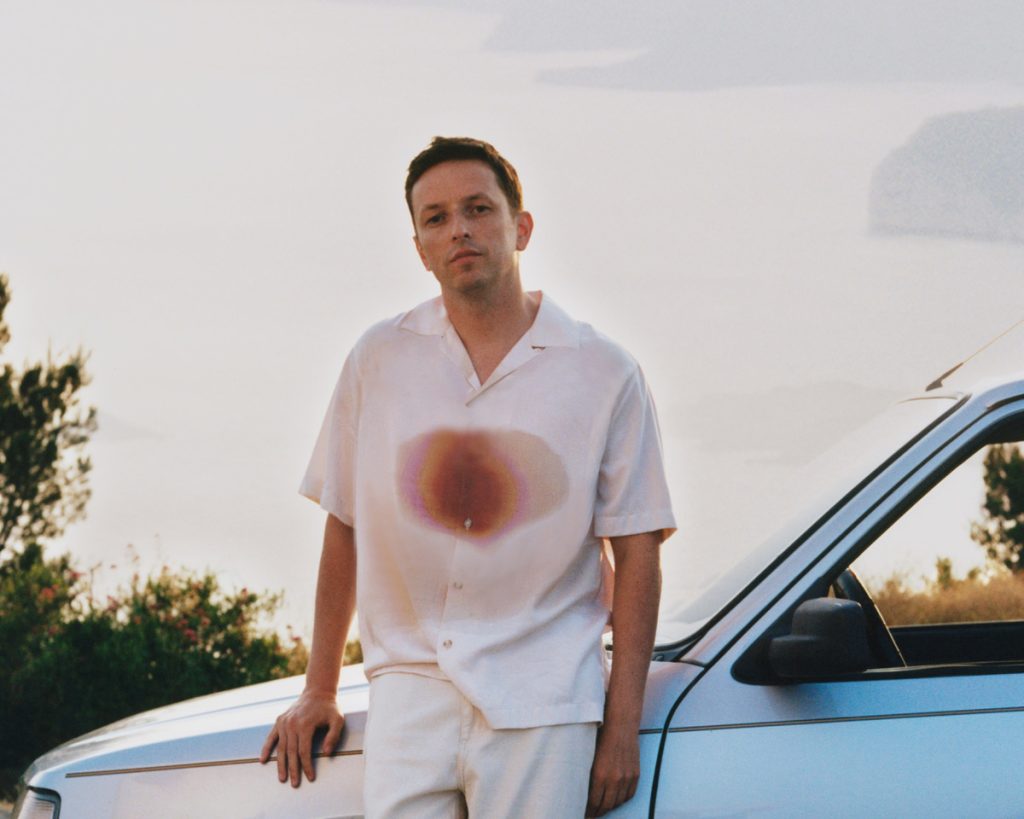
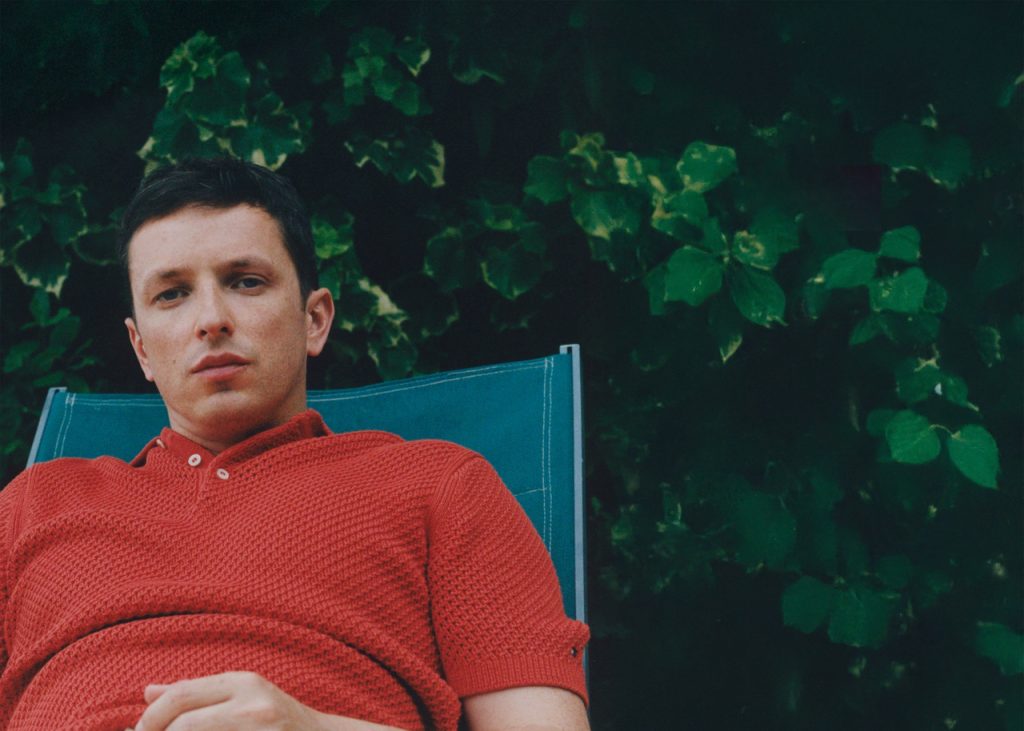
Totally Enormous Extinct Dinosaurs (@teed) returns with a new DJ-Kicks mix for !K7 Records, and the whole thing feels like a reminder that a DJ mix can still say something about where an artist is living, what they are listening to, and how they imagine people actually using the music. TEED built this one around the feeling of getting ready for a night out in Los Angeles, having a drink, putting music on with friends, and letting the energy build before anyone has even left the house.
That idea gives the mix a very different shape from the slower, more patient arc people sometimes expect from a compilation series like this. TEED wanted it to move quickly, get into the groove early, and feel immediately useful, so the tracklist leans into house music, vocals, soul, and the kind of momentum that makes sense inside modern DJ culture.
Casino Times, Joe Goddard, Austin Ato, Jacques Greene, Oscar Farrell, Dennis Ferrer, Hercules & Love Affair, Seven Davis Jr., K.T. Brooks, Malibu, and several TEED exclusives all fit into that wider arc, with the mix getting deeper, heavier, and more psychedelic as it moves forward.
There is also plenty here for anyone interested in music production, because TEED did much more than simply select and sequence tracks. He fully rebuilt versions of “Never Seen You Dance” and “Persuasion,” changing drums, basslines, tempos, intros, and outros, while also recording his own cover of KC and The Sunshine Band’s “Please Don’t Go.”
The interview below gets into the mindset behind that kind of work, along with the larger question of how artists keep making music they care about when platforms, promotion, AI, release pressure, and outside metrics all keep pulling attention in different directions.
Interview With TEED
After the early excitement around attention on stage, release promo cycles, and outside vanity metrics fades, what keeps music-making worth doing?
It has only ever been my interest in making music, to the point where people I work with get frustrated by my lack of visible excitement about the other things.
I love that music is bigger than us and that we are all keeping it alive and moving in so many different ways. I know that trying to make beautiful things and using your imagination is a great way to live.
How can artists build a process that still works as platforms, tools, and industry expectations change?
Prioritize music and allow your creativity to have some involvement in business decisions. The industry is lazy and greedy. It always takes the path of least resistance and most profit, and in that sense, it is easy to predict.
I have seen all the marketing techniques and the ways people scam their way to popularity, and it still comes down to people falling in love with good music.
Never forget that the platforms need you. Their trick is making you think you need them.
What habits do you think help artists stay connected to their own taste instead of chasing whatever the current trend is?
You have to be honest with yourself about what really moves you. Explore a lot, and come back to what you love as often as you like.
Find people you can talk to about art and have disagreements with. Try to intellectualize it, if only to remind yourself that only the heart matters. Conversation is the coolest thing we have going for us.
I will say this about chasing trends: none of your heroes did that.
How does finishing music regularly change the way an artist hears and makes decisions in the studio, or even in life?
I think it is still a tricky balance. We are pulled between the pressure of the consistent-output era and the serious matter of quality control.
Someone once said to me, “People only remember the hits,” and I find that very useful. If you are in it for the long run, then a dud track is not going to ruin anything, so take the risk. I guess that is a bit like life.
How should artists think about their own effort now that finished material is easier to generate with AI or access to loops?
I am not that interested in the technology and AI discussion from the point of view of artistic creation. People will do all sorts of things.
The part I wonder about is the effect on music culture in society. I am going to assume that AI will lower the standard of music for some time, and it will also increase the amount of this not-very-good music, and people will get used to it.
When we normalize a standard of music that is not special, heartfelt, brave, personal, human, artistic, passionate, diligently made, or loved, then we have ruined one of humanity’s greatest achievements.
So artists should think about that.

Will Vance is a professional music producer who has been involved in the industry for the better part of a decade and has been the managing editor at Magnetic Magazine since mid-2022. In that time period, he has published thousands of articles on music production, industry think pieces and educational articles about the music industry. Over the last decade as a professional music producer, Will Vance has also ran multiple successful and highly respected record labels in the industry, including Where The Heart Is Records as well as having launched a new label with a focus on community through Magnetic Magazine. When not running these labels or producing his own music, Vance is likely writing for other top industry sites like Waves or the Hyperbits Masterclass or working on his upcoming book on mindfulness in music production. On the rare chance he's not thinking about music production, he's probably running a game of Dungeons and Dragons with his friends which he has been the dungeon master for for many years.