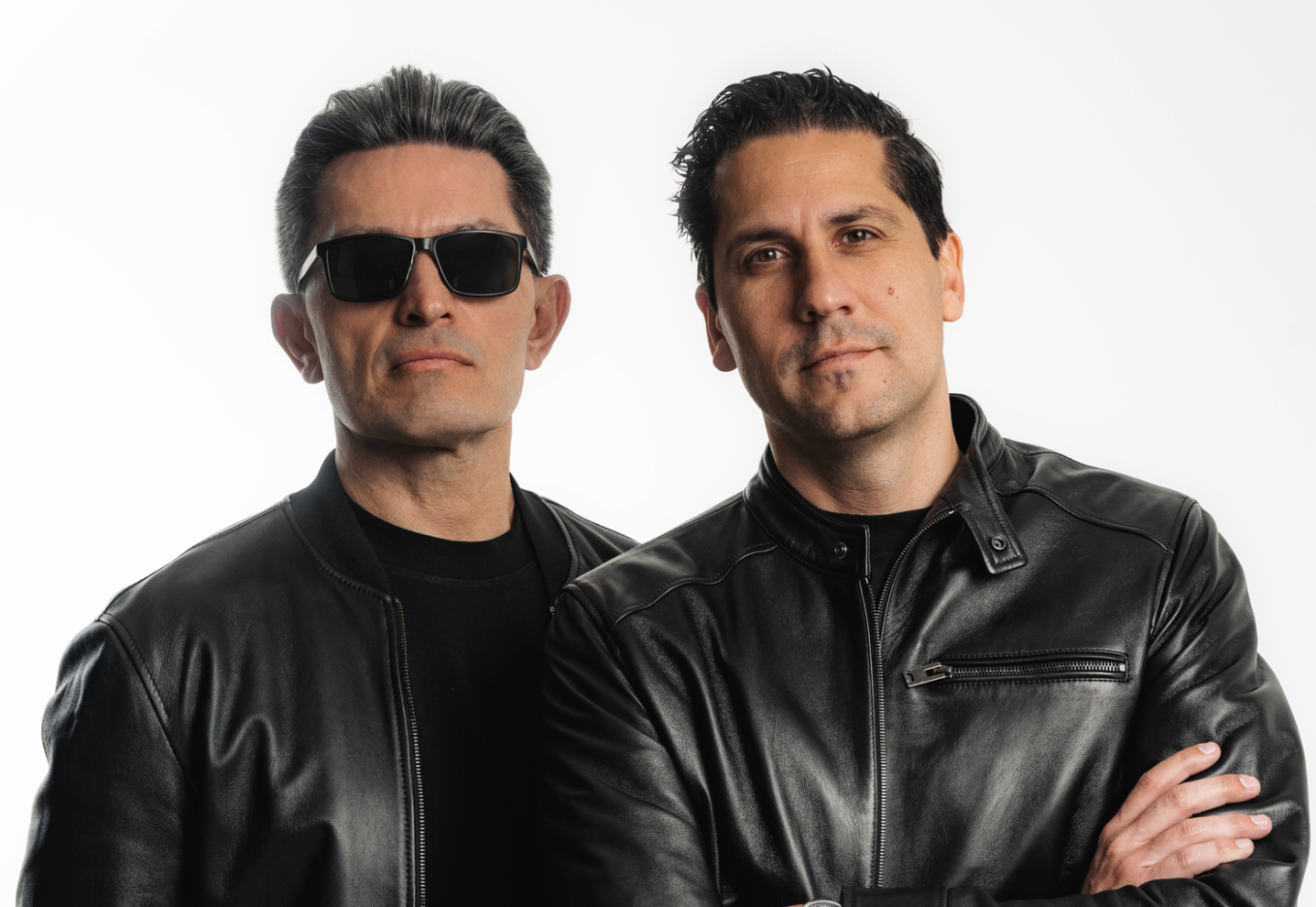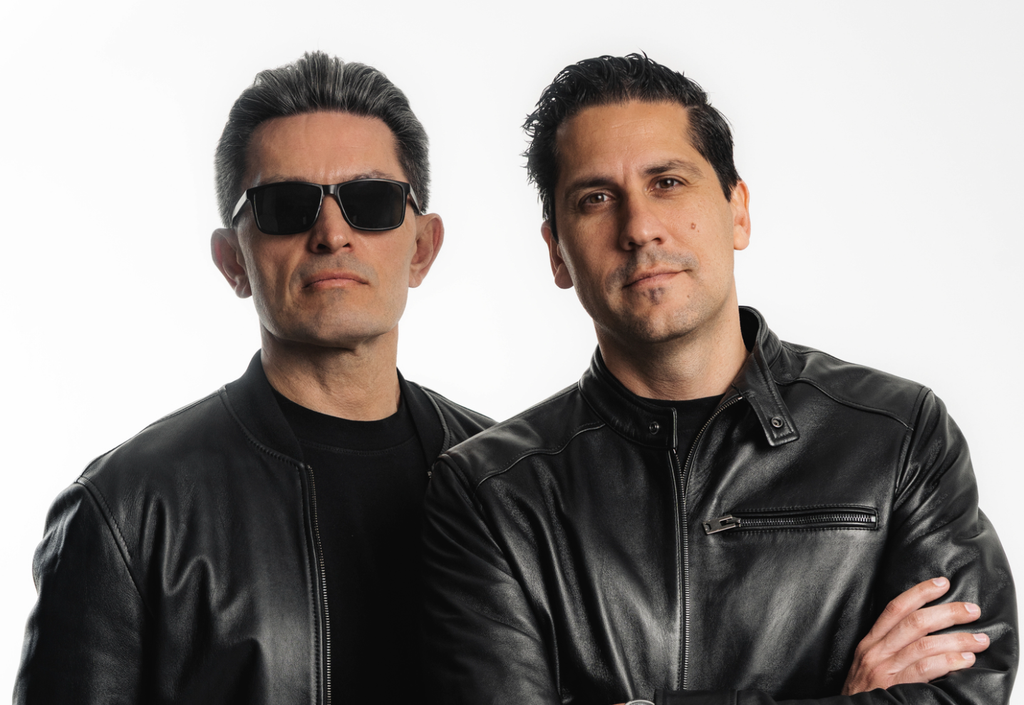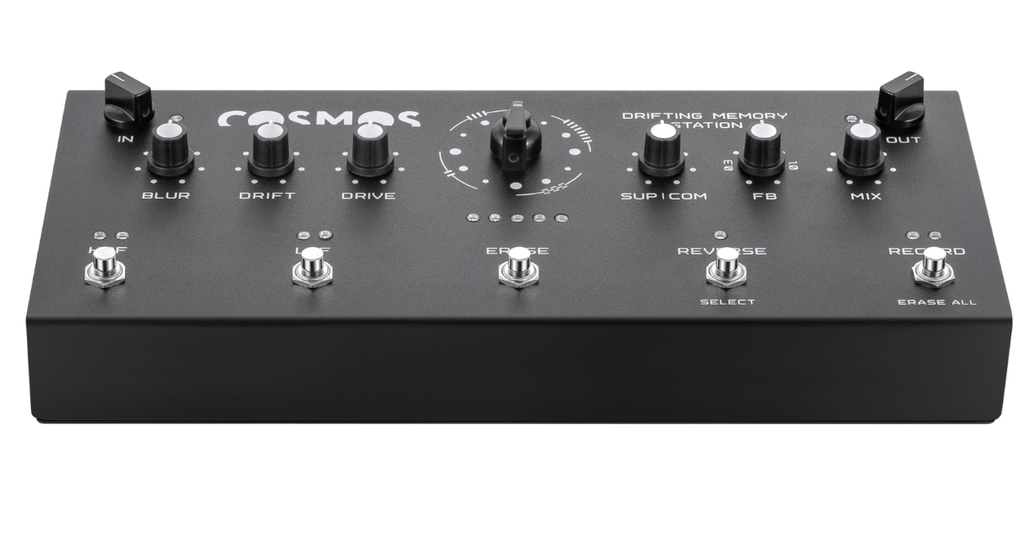
Myselor (@myselor__) has spent the past sixteen years developing a strain of electronic music that treats sound design, rhythm, and concept as parts of the same idea. The Greek producer, now based in Basel, has moved from Drum & Bass into increasingly experimental territory across releases like Evolution, Rebirth, Soul Power, and Intuition, and his forthcoming 20-track album Cosmic Expression takes that approach considerably further.
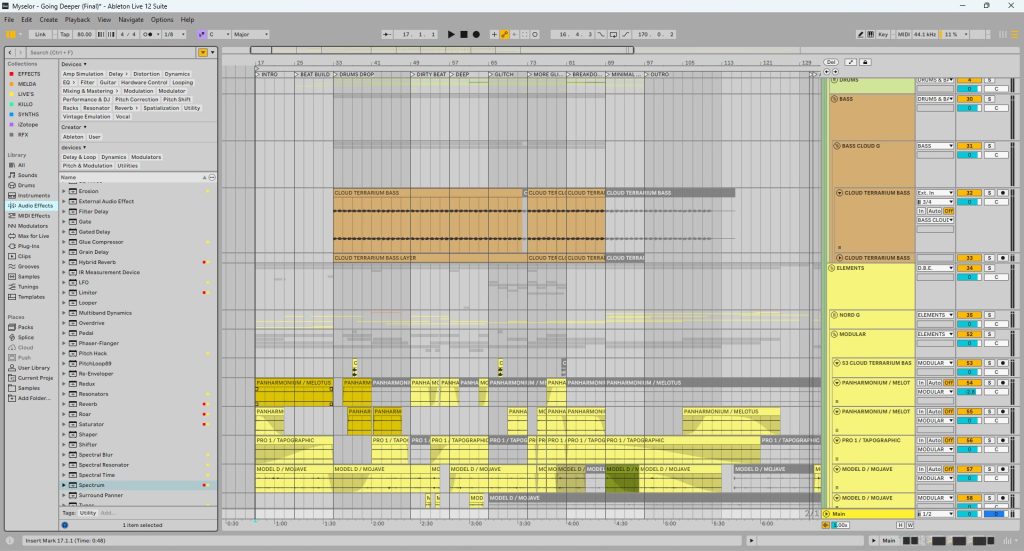
“Going Deeper” sits naturally inside that wider album concept. Much of Cosmic Expression is concerned with consciousness, identity, personal freedom, and the relationship between individual experience and collective life, while the production itself moves outside conventional Drum & Bass formatting.
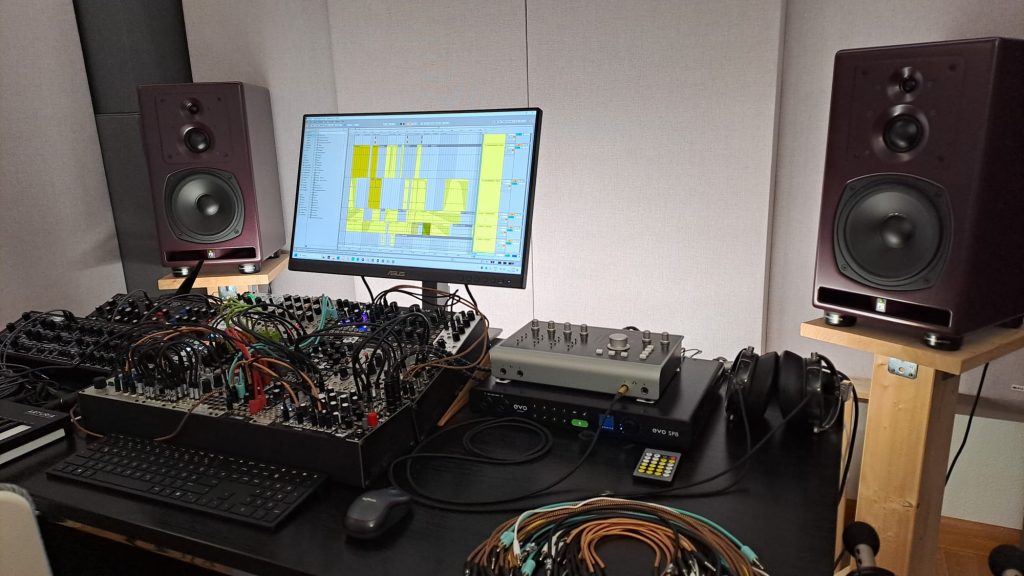
Myselor leans heavily on modular hardware here, allowing random modulation, granular processing, feedback, and evolving synthesis to become compositional elements rather than decoration added after the fact.
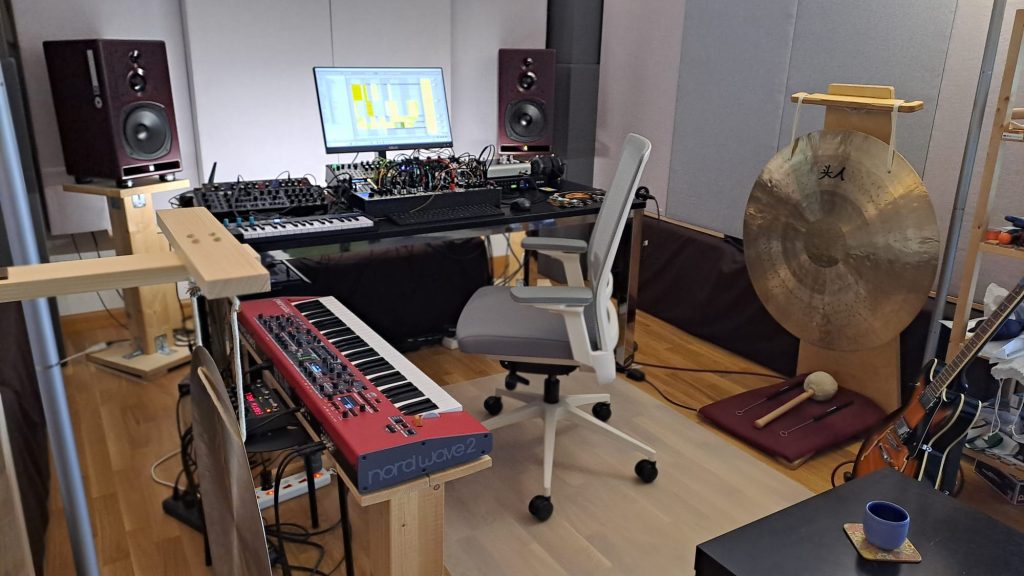
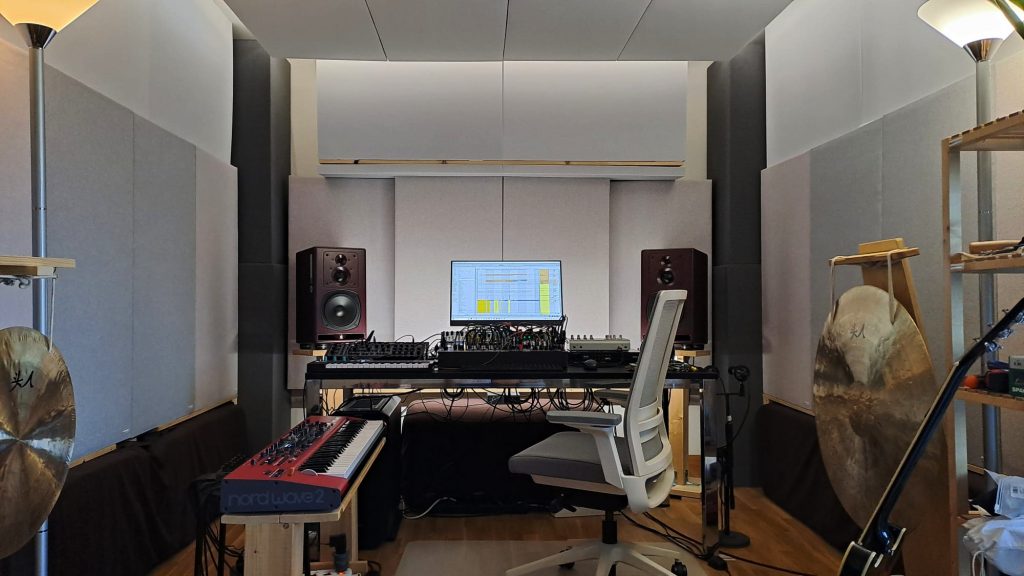
For this How It Was Made feature, Myselor gets into the Eurorack setup behind “Going Deeper,” including the Synthesis Technology E352 Cloud Terrarium, 4ms Tapographic Delay, Make Noise Erbe-Verb, and Noise Engineering Melotus Versio. The interesting part is how often randomness enters the process while still being controlled enough to keep the track harmonically connected.
E352 Cloud Terrarium
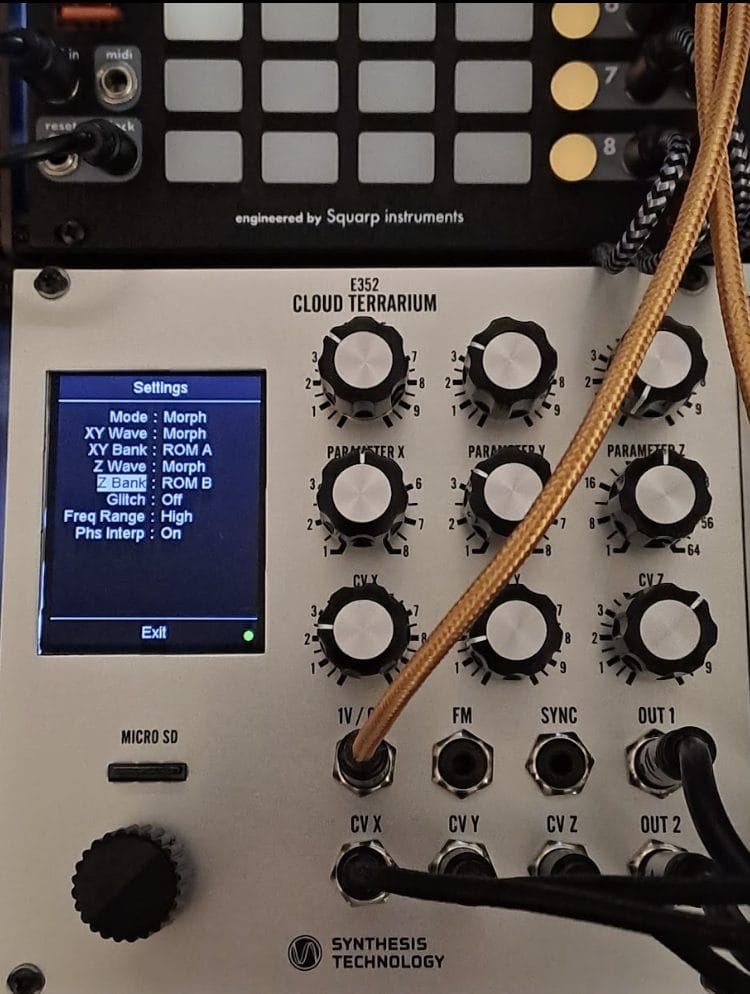
The E352 by Synthesis Technology is a digital wavetable Eurorack oscillator with a huge range of sounds. It includes a wide selection of wavetables, smooth morphing between them, FM capabilities, and many modulation options. It can produce everything from clean and simple tones to very complex textures and extreme noise. It is one of my favourite hardware oscillators because of its sound quality and flexibility.
I used the E352 to create the main bassline. If I remember correctly, I was morphing between ROM A and ROM B while sending a random LFO to the X, Y, and Z parameters, creating a constant random but harmonically related movement that drives the track throughout. After recording it, I split the sound into two channels, one for the lows and one for the mids and highs. I then grouped them together so I could blend and shape the sound to fit the rest of the mix.
Cloud Terrarium is a universe of possibilities. Basslines are just one option but you can also create amazing leads, especially by taking advantage of its stereo movement. One thing I really enjoy is using it to make percussion and abstract tonal sounds. The Cloud morphing and Noise sections are excellent for that.
Tapographic Delay by 4ms
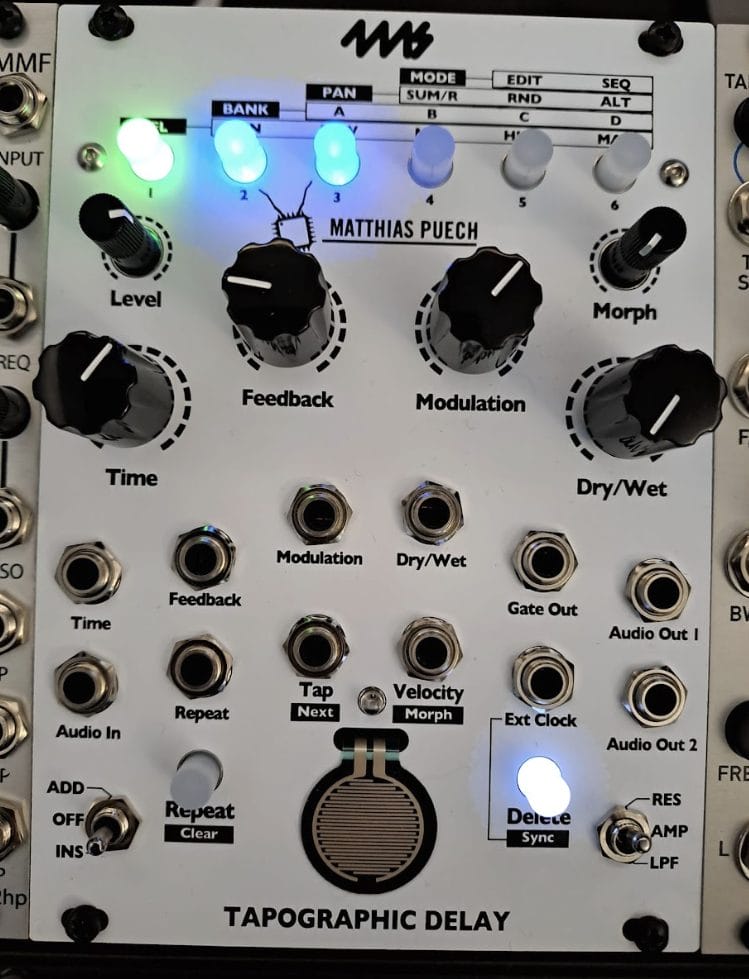
Tapographic Delay by 4ms is a Eurorack delay that lets you create your own delay patterns by tapping them in live. It can record long and expressive tap sequences, which are then repeated and can be shaped with its controls and CV modulation. This makes it much more than a traditional delay, allowing you to create evolving rhythms and unique textures. Every delay pattern feels unique and alive.
I sent a weird signal from my Pro-1 through Tapographic Delay to create an evolving, speech-like sound that adds even more movement to the bassline. I used the Resonance mode so the tapped pattern created multiple filter feedbacks across the frequency spectrum. After that, I used an EQ to remove the low end and add a little emphasis to the mid frequencies, making its “voice” more present in the mix.
I think this delay is amazing for creating ambient textures. With a single note, you can build evolving pads that keep changing for minutes. It is also great for abstract sound design and experimental textures. On top of that, it is a lot of fun to play live and can produce some really inspiring results.
Erbe-Verb by Make Noise
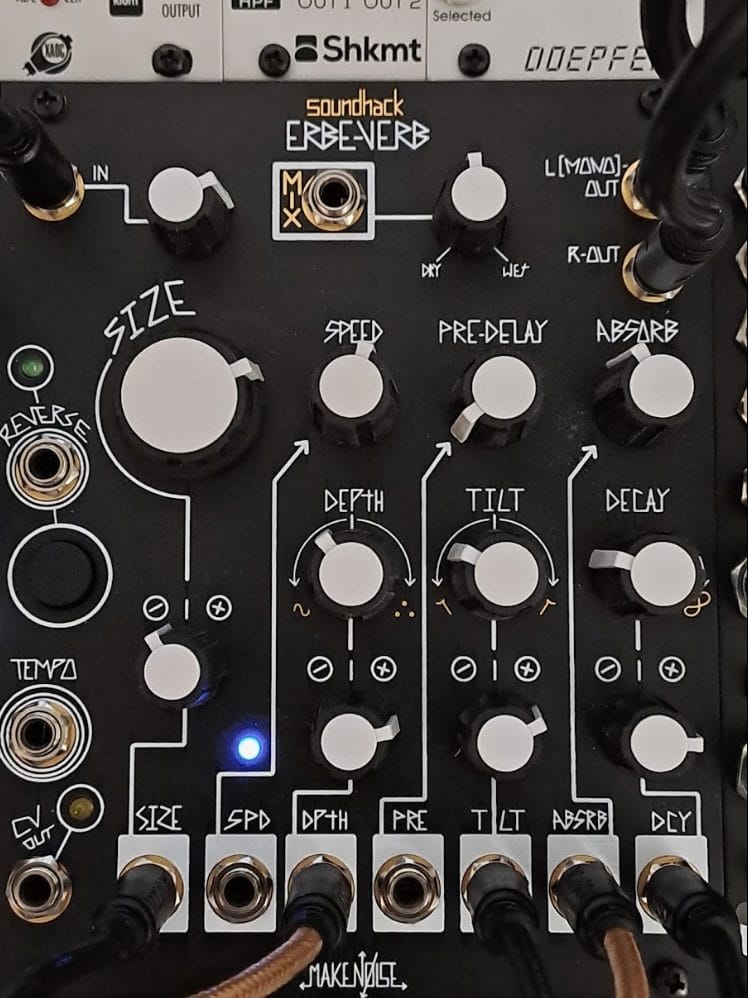
Erbe-Verb by Make Noise is a fully voltage controllable digital reverb for Eurorack. Instead of being just a traditional reverb effect, it can become part of the sound itself through modulation and feedback. It is capable of everything from small natural spaces to huge experimental textures, and it is especially characterised by its unique shimmer tone. I love it because it can turn even the simplest sound into something alive and unique.
In this track I used Erbe-Verb mainly on the drums, especially the snare and hats. I sent a random LFO to the Size, Depth, Tilt, Absorb, and Decay parameters, creating a constantly moving reverb layer that gave the snare its unique character. After that, I used an EQ to remove the low end and added a little saturation to shape it and fit it into the mix.
Because of its unique character, I think Erbe-Verb really shines as a sound design tool. Play with it and let experimentation guide you. The Decay and Feedback controls can make it come alive even without an input signal. It works especially well on drums and percussion, and it’s an excellent way to add another “voice” to a sound that already has character.
Melotus Versio by Noise Engineering
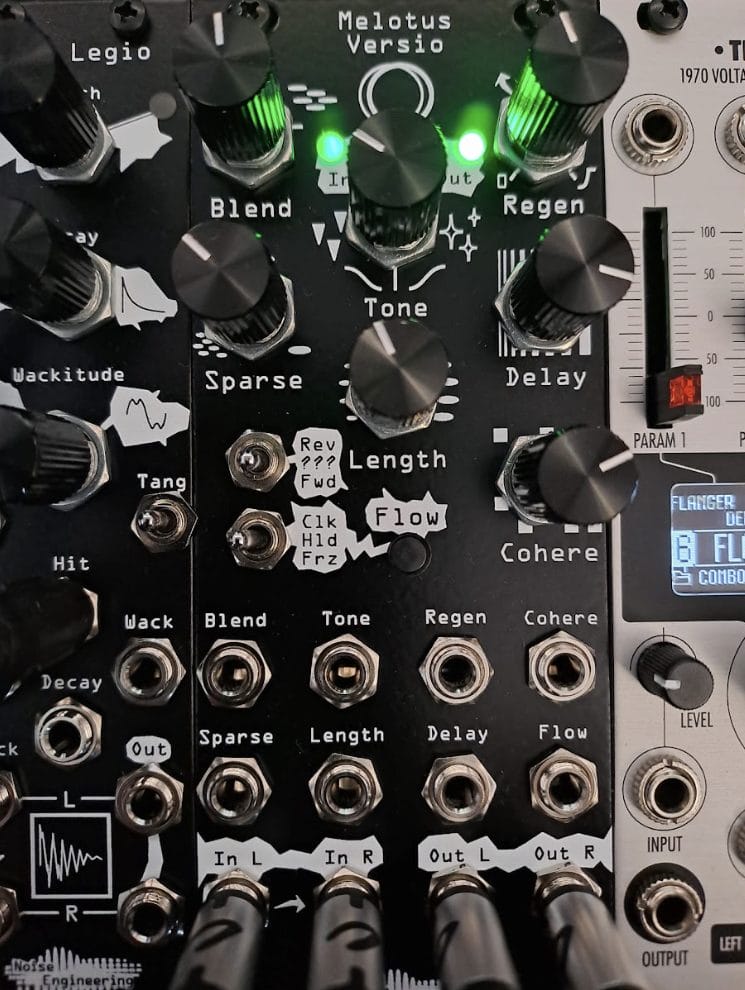
Melotus Versio by Noise Engineering is a granular module for Eurorack. One of its most interesting features is the Tone control, which shifts the grains into lower and higher octaves, creating rich harmonies and very unusual textures. Together with its grain controls and full CV modulation, it can completely transform even the simplest sound. It is an endless source of evolving atmospheres and sound design ideas.
With Melotus I created the most “alien-speaking” sound in the track, which is also the first sound you hear. Using a signal from the Rossum Electro-Music Panharmonium, I experimented a lot with the Tone parameter to create these strange textures and octave shifts. After a long jam, I found the right balance with the other controls to create random, repeating grain textures that give the track a unique character. Finally, I used an EQ to remove the low end and add some presence to the mid frequencies.
The thing with granular effects is that everyone will use them differently because of their unpredictable processing. I think Melotus is an excellent tool for sound design. From sharp upfront effects to lush background ambiences, it can do miracles!
Quick Fire Hot Takes
Hot take 1. Music is a language, greater than any other. The industry is a system that keeps this language censored and misrepresented.
Hot take 2. Learning production techniques and tricks is like learning how to speak a language correctly. You can master pronunciation and grammar, but if you have nothing meaningful to say, you are saying nothing.
Hot take 3. As an artist, your role is to serve and honestly express the ideas that appear to you. Play with music like a child plays with toys, and whatever needs to come will come.
Hot take 4. It is better to have the tools you truly need so they can serve your purpose. You don’t need to buy an entire restaurant just because you want to make a sandwich.
Hot take 5. Following trends is like repeating someone else’s joke after everyone has already laughed. People will eventually get bored and move on.

Will Vance is a professional music producer who has been involved in the industry for the better part of a decade and has been the managing editor at Magnetic Magazine since mid-2022. In that time period, he has published thousands of articles on music production, industry think pieces and educational articles about the music industry. Over the last decade as a professional music producer, Will Vance has also ran multiple successful and highly respected record labels in the industry, including Where The Heart Is Records as well as having launched a new label with a focus on community through Magnetic Magazine. When not running these labels or producing his own music, Vance is likely writing for other top industry sites like Waves or the Hyperbits Masterclass or working on his upcoming book on mindfulness in music production. On the rare chance he's not thinking about music production, he's probably running a game of Dungeons and Dragons with his friends which he has been the dungeon master for for many years.