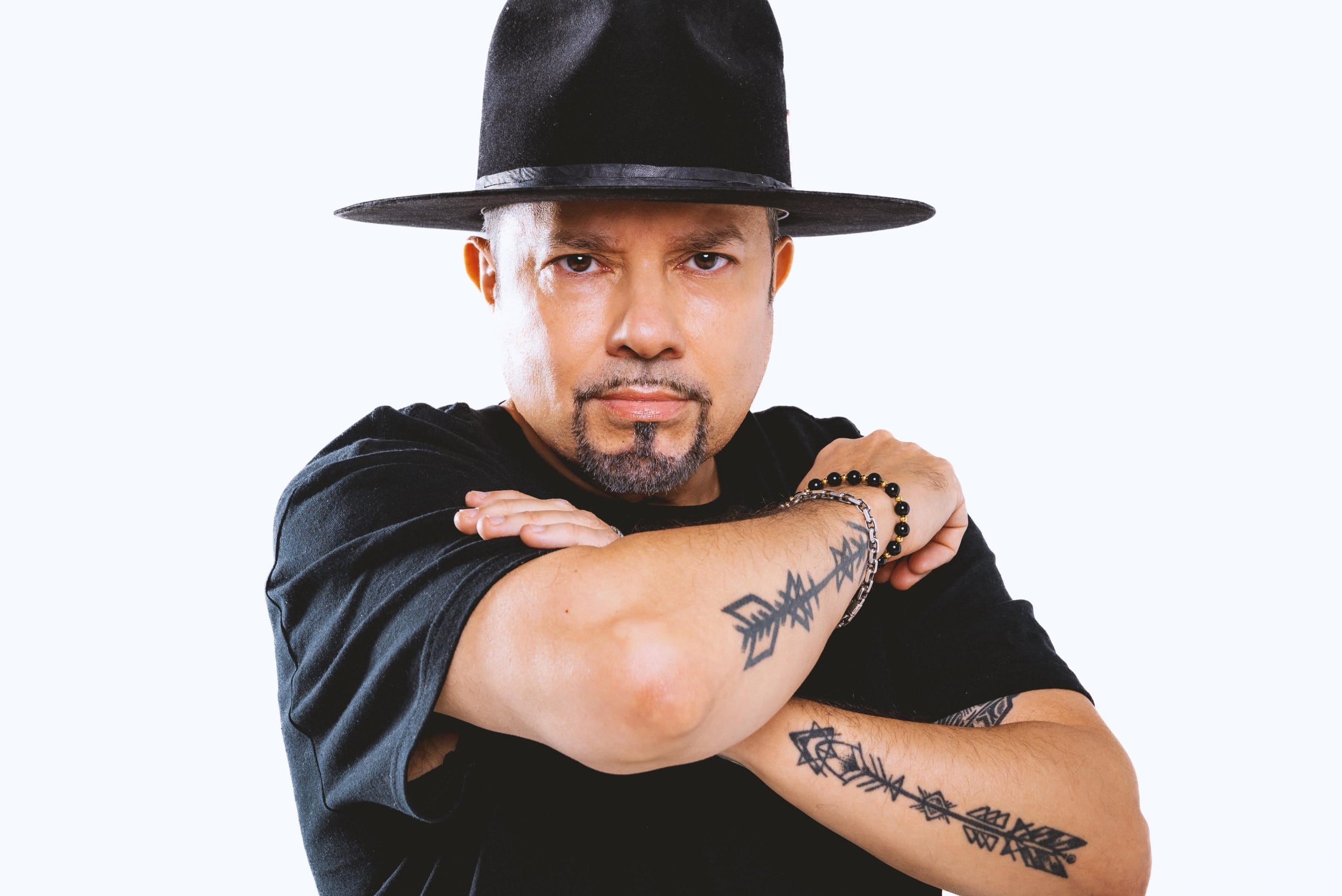
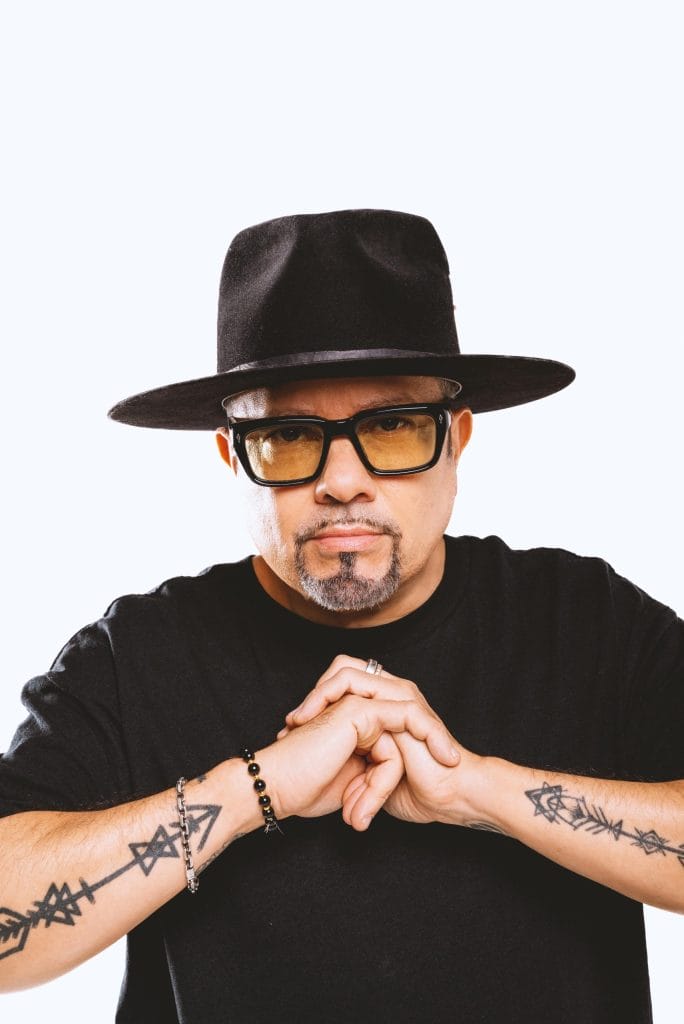
Louie Vega’s (@louievega) Funki Cadets featuring Willy Soul returns with a remix package for “Feelin’ Good Tonight,” out April 17 via Vega Records. The project was built by Vega as a studio platform centered on mentorship, collaboration, and giving new artists room to work alongside someone whose career sits at the foundation of modern house music.
That context gives the release a clear purpose, because it connects new voices to a lineage that runs through clubs, labels, producers, vocalists, dancers, and communities.
The original version of “Feelin’ Good Tonight” placed Willy Soul’s spoken-word performance inside a deep house framework built around chords, pads, percussion, and space.
The remix package opens the record into several city-rooted perspectives, with DJ Minx bringing a Detroit interpretation, Kai Alcé adding his Atlanta-rooted house sensibility, Rimarkable pushing the track toward direct club use, and Willy Soul reshaping his own vocal across two skate versions. The result feels like a conversation between generations, regions, and approaches to house music.
That makes Louie Vega the right person for this conversation.
The interview below gets into bookings, social capital, lineups, managers, agents, and the relationships that shape access in dance music. Those topics sit close to the larger idea behind Funki Cadets, because the project itself is about opening doors, sharing process, and creating a path where experience can meet new perspective without losing the cultural foundation that made the music matter in the first place.
Interview With Louie Vega
What’s something you wish more people understood about how bookings actually happen from a DJ or artists perspective?
Most people think bookings are just about talent or popularity—but that’s only part of the story.
From the artist side, it’s really a mix of relationships, timing, and trust. Promoters aren’t just booking a name—they’re investing in an experience. They’re thinking about whether you understand their crowd, whether you can deliver in that specific room, and whether you’re someone they can rely on to show up prepared and elevate the night.
There’s also a whole layer people don’t see: agents coordinating schedules months in advance, routing tours so dates make sense geographically, negotiating fees, aligning with releases, and making sure the moment feels right. Sometimes a gig doesn’t happen not because someone doesn’t want you—but because the timing, budget, or context doesn’t line up.
And honestly, energy matters. The way you build with people over time—how you carry yourself, how you support others, how you contribute to the culture—that travels. Word moves fast in this world.
So yeah, it’s not just “book the hottest DJ.” It’s about fit, connection, and creating something meaningful for that specific night.
Have you ever gotten booked for a reason that had nothing to do with the music—and how did that feel?
Yeah, it happens more than people realize.
There are moments where you can tell the booking isn’t purely about the music—it might be about name recognition, optics, ticket sales, or even just filling a certain slot on a lineup. Sometimes it’s politics, sometimes it’s timing, sometimes it’s just how the business moves.
How it feels really depends on the situation. On one hand, you respect the opportunity—because every stage is a chance to connect and do what you love. On the other hand, you’re aware of it, and it can light a different kind of fire in you. It makes you want to go even deeper, to remind people why you’re there in the first place.
At the end of the day, once you step into the booth, none of that matters. The only thing that counts is what you do with that moment—the music, the energy, the connection with the crowd. That’s where you take control of the narrative and bring it back to what it’s really about.
Do you think people in the scene are honest about how much social capital plays into opportunities?
Not really—at least not openly.
Social capital plays a huge role, but it’s often talked around instead of talked about. People like to frame everything as purely merit-based—talent, hard work, “the music speaks for itself”—and while that’s essential, it’s not the full picture. Relationships, reputation, and visibility carry real weight. Who knows you, who trusts you, who’s seen you deliver, who’s willing to vouch for you—that can open doors just as much as a great record or a strong set. And in some cases, it’s the thing that gets you in the room in the first place.
I think the hesitation to be honest about it comes from not wanting to diminish the art. Nobody wants it to sound like it’s all politics. But the truth is, it’s both. The craft gets you respect, but the connections help create opportunities.
The key is how you build that social capital. If it’s rooted in genuine connection, consistency, and contribution to the culture, it becomes something real—not just transactional. And over time, people can feel the difference.
How do you personally decide when to say yes to a booking—and when to pass?
I look at alignment more than anything. Does it make sense musically? Does the space, the promoter, and the crowd understand what I bring? I’m not chasing every opportunity—I’m looking for the right ones.
There has to be mutual respect. How they approach you, how they value the culture, how they handle the details—it all matters. Energy is a big part of it too. You can feel when something’s right and when it’s forced.
And timing plays a role. Sometimes saying no is just as important as saying yes. Not every look is the right look, and protecting your sound, your name, and your integrity is part of the journey.
At the end of the day, if it feels right in the spirit and I know I can deliver something meaningful to that room, I’m in. If not, I’m okay walking away.
Have you ever had to reframe your idea of success after seeing who gets booked and why?
Yeah—because if you don’t, you’ll drive yourself crazy trying to measure success by someone else’s lane.
At a certain point you realize not everyone’s getting booked for the same reasons. Some of it is music, some of it is relationships, timing, visibility… even perception. Once you really see that, you either get bitter about it, or you adjust your definition of what success actually means for you.
For me, success became less about how often I’m booked and more about why I’m booked—and what happens when I get there. Am I moving the room? Am I building something that lasts? Am I being respected for what I actually do? Because you can be everywhere and still not have substance… or you can be selective and build something with real weight. I chose the second path. So yeah, I’ve reframed it—but in a way that keeps me grounded and focused on longevity, not just moments.
What role do managers, agents, or collectives play in shaping a DJ’s visibility today?
They play a huge role—but they’re not magic. They amplify what’s already there. A good manager or agent helps shape the narrative, makes the right calls, puts you in front of the right people, and protects your value. They can open doors that would take you years to reach on your own. And collectives can build momentum fast—there’s strength in community, shared audiences, and a unified identity. But none of that replaces the foundation. If the music, the identity, and the consistency aren’t there, the push won’t stick. You might get visibility, but you won’t keep it.
At the same time, the right team can sharpen everything—how you’re positioned, where you show up, how often you say yes or no. They help you move with intention instead of just reacting to opportunities.
So it’s a balance. The artist sets the tone, and the team expands the reach. When that alignment is real, that’s when visibility turns into longevity.
Does who’s on a lineup still feel like a reflection of community—or has it become something else?
There are still spaces where a lineup really reflects a community… where you can feel the intention, the relationships, the culture behind it. Those nights usually come from people who are rooted in something deeper than just numbers—they’re thinking about energy, legacy, and who actually contributes to the scene in a meaningful way.
But at the same time, a lot of lineups today are driven by different factors. Visibility, social reach, ticket-moving power—that all plays a role now, whether people want to admit it or not. So sometimes it’s less about community and more about optics or business.
For me, I try to stay connected to the former. I look at lineups as an opportunity to build something—create a vibe, tell a story, bring different energies together in a way that feels intentional. When it’s done right, you can still feel that sense of community. It just takes more awareness and care to protect it now.

Will Vance is a professional music producer who has been involved in the industry for the better part of a decade and has been the managing editor at Magnetic Magazine since mid-2022. In that time period, he has published thousands of articles on music production, industry think pieces and educational articles about the music industry. Over the last decade as a professional music producer, Will Vance has also ran multiple successful and highly respected record labels in the industry, including Where The Heart Is Records as well as having launched a new label with a focus on community through Magnetic Magazine. When not running these labels or producing his own music, Vance is likely writing for other top industry sites like Waves or the Hyperbits Masterclass or working on his upcoming book on mindfulness in music production. On the rare chance he's not thinking about music production, he's probably running a game of Dungeons and Dragons with his friends which he has been the dungeon master for for many years.





![How It Was Made: Lang Father i(Junkyard Dog) [Welofi]](https://magneticmag.com/wp-content/uploads/2026/10/Press-Pic_2-1024x576.jpg)