Minimal Audio’s Memory Rites is a 60-preset expansion for Current, designed by EPROM and built around bass, lead, pad, key, and SFX presets that make heavy use of Current’s modulation system. The pack includes 25 basses, 14 leads, 9 pads, 6 keys, and 6 SFX, so the focus is clear before you even load it up. It all dropped last week and I got it a bit early, have been messing with it for a couple of weeks, and I’m ready to talk about it.
This is a producer sound pack built around movement, aggressive tone design, and playable macro control, and it makes the most sense for people who want presets that change shape quickly without a long editing process.
There are two ways to tap into it.
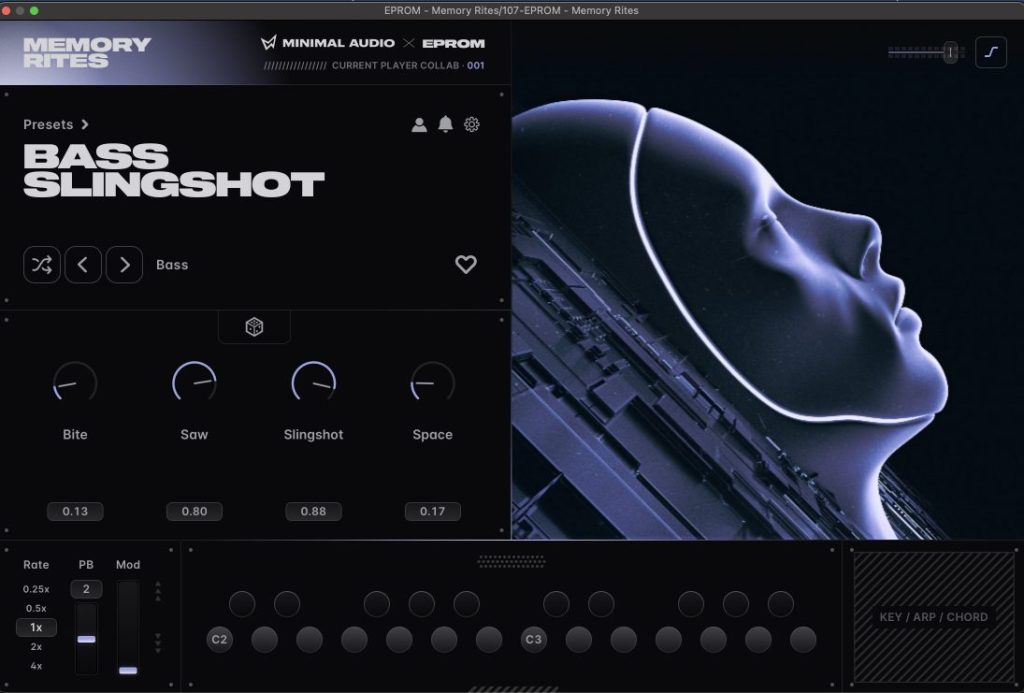
Current owners can buy it as a preset expansion, while producers who do not own the full synth can use it through the Current Expansion Player. That makes the pack fairly accessible and gives you a useful choice depending on how deep you want to go.
The Player option gives you sound and performance controls, while the full Current version lets you open patches, edit routing, adjust modulation, and push presets much further.
That second option is where Memory Rites has the most value for me. Presets are useful when they help you write faster, and they are even better when they teach you something about the instrument they were made in.
Memory Rites does that because the modulation is easy to hear, easy to control, and easy to pull apart once you want to customize the patch.
The Modulation Is The Main Reason This Pack Works
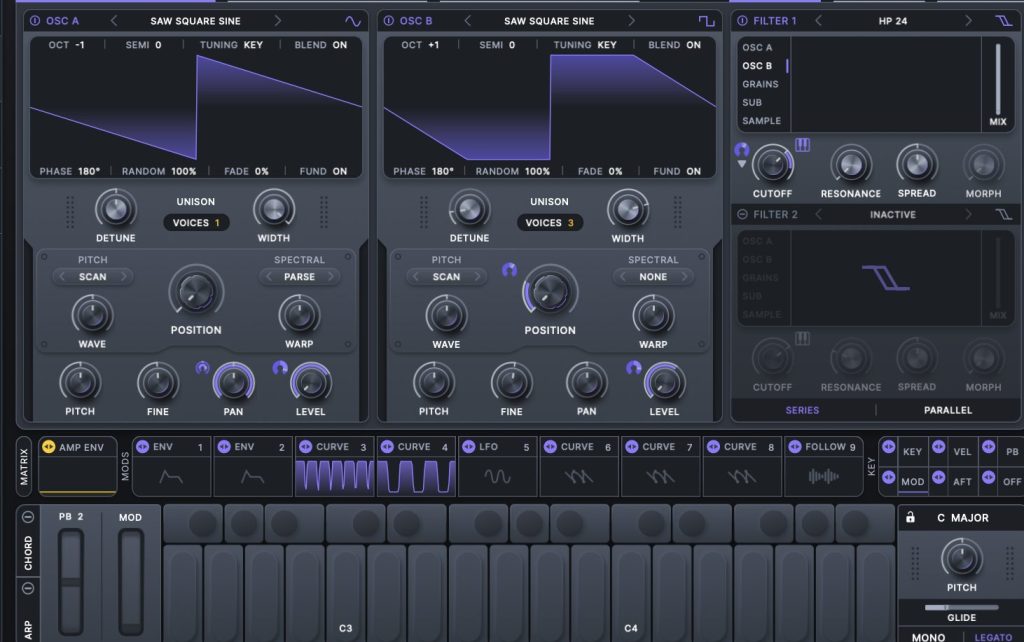
The biggest thing that hit me with Memory Rites is how much movement is built into the patches.
I have always found Current’s modulation system easier to understand and more fun to use than Serum 2’s, and this pack makes that difference feel obvious. The assignments are readable, the macro controls are useful, and the movement within the patches rarely feels random.
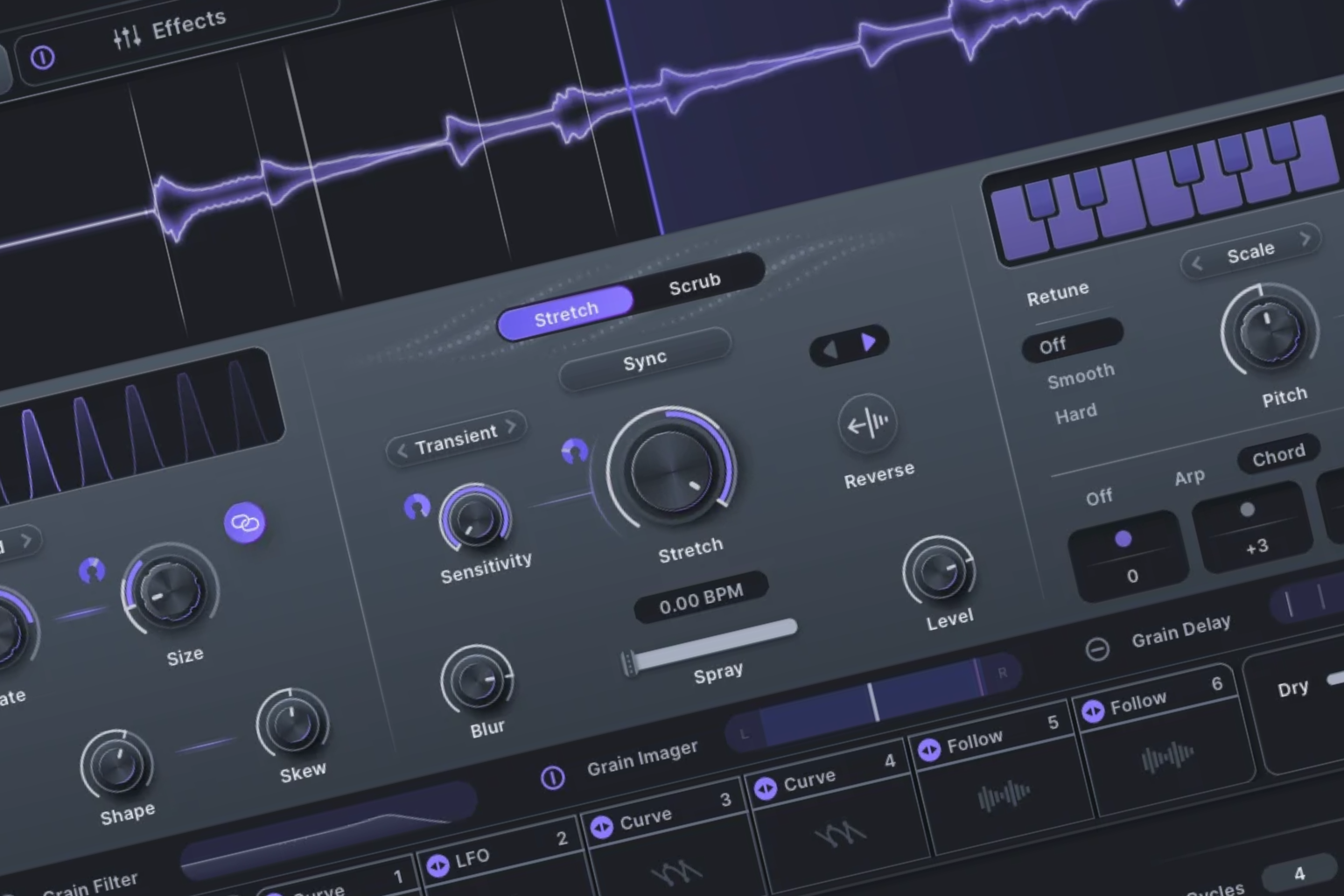
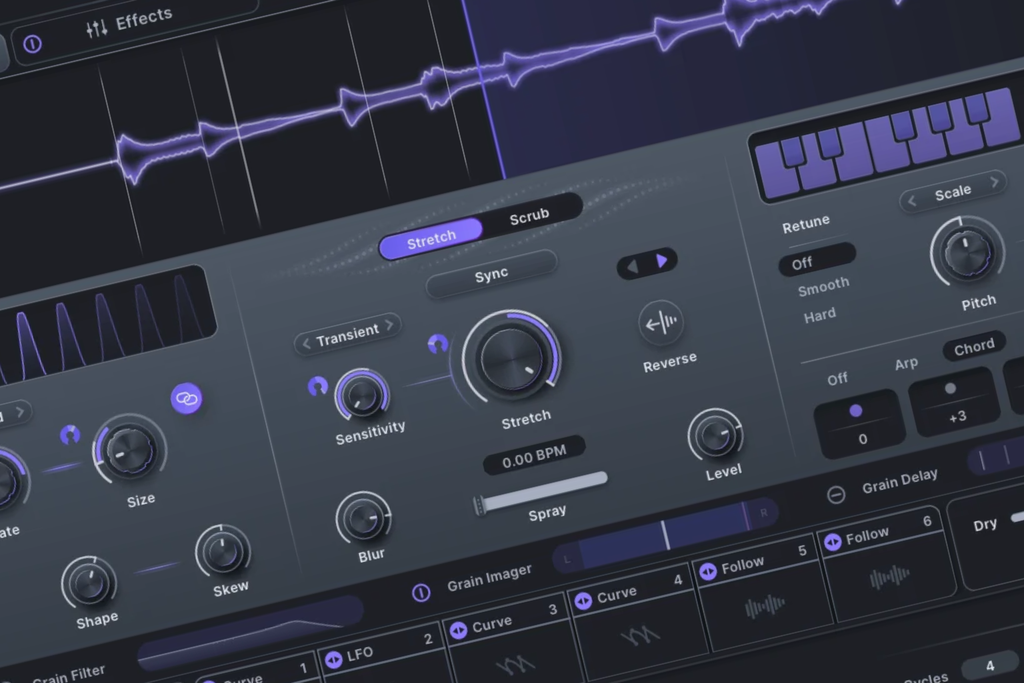
That is dope because many aggressive preset banks lose their value once the initial browser-preview moment wears off. Here’s a short clip of the bass patch pictured above; that movement is too juicy!
You load a sound, it feels exciting for one note, and then it becomes difficult to turn into a usable phrase. Memory Rites avoids that problem by giving you patches that respond well to small adjustments. A macro move can change the tone, motion, or intensity enough to make a repeated part feel active, making the presets useful in a session rather than just impressive in isolation.
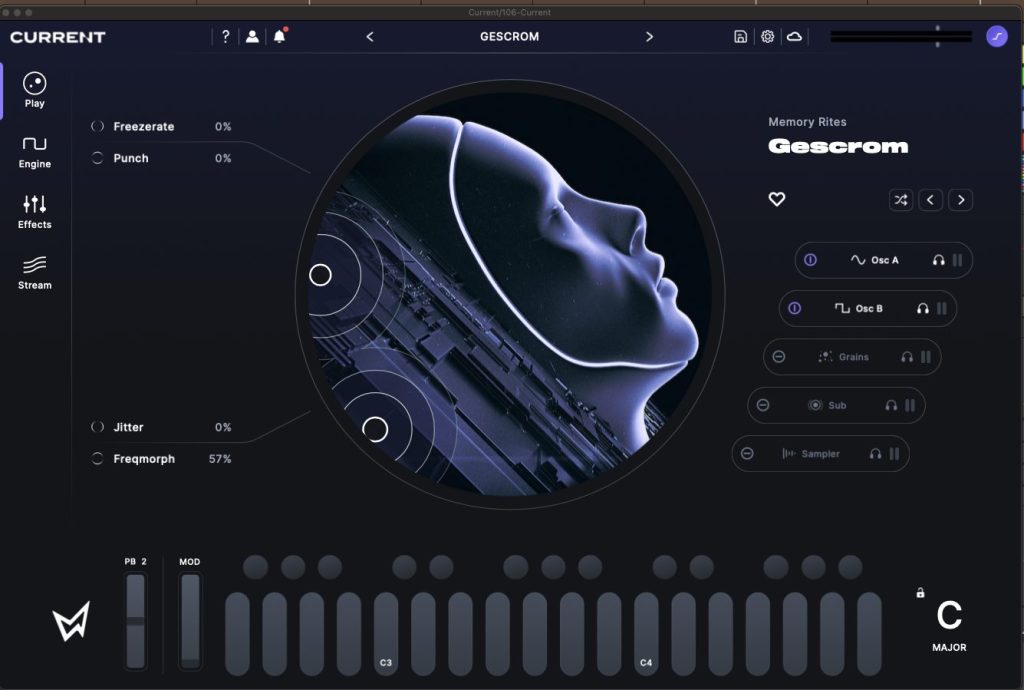
Current also makes the editing side feel approachable, especially because you can drag those little circles in the UI (pictured below) around and it changes the sound in real time.
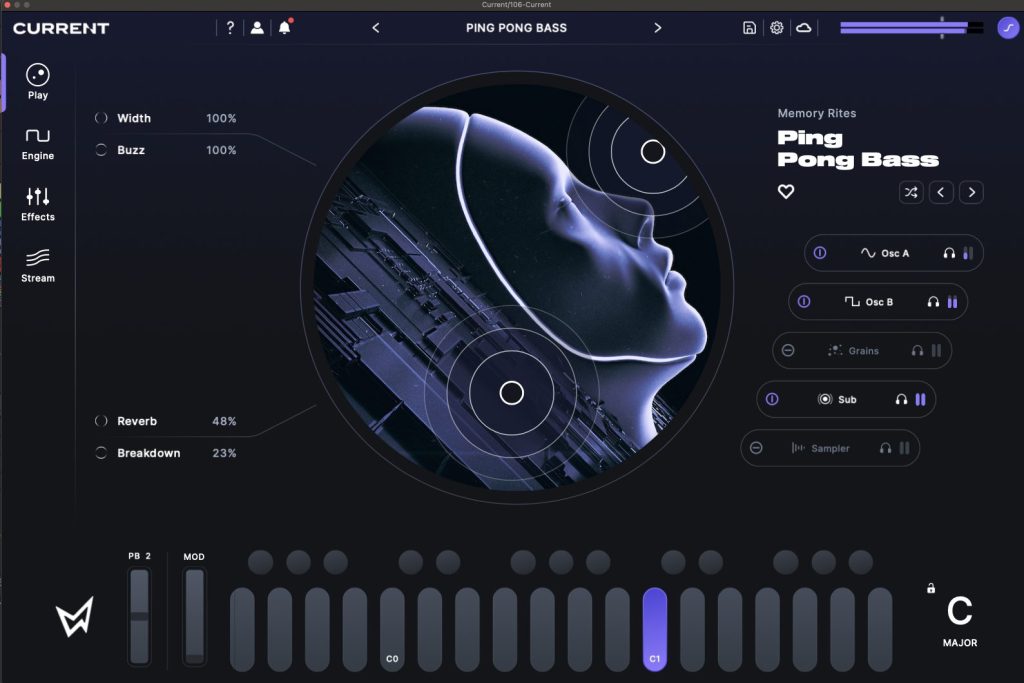
You can use the presets as finished sounds, or treat them as a way to study how EPROM uses movement within the synth. That is a real advantage for Current owners because the pack gives you ready-to-use sounds and also shows you how far the synth can be pushed without turning the workflow into a mess.
The Bass Patches Are The Obvious Draw

The bass folder is probably why most producers will check out this pack first, and that expectation makes sense. EPROM’s name carries a clear association with heavy low-end design, and Memory Rites gives you a lot of bass patches with sharp movement, aggressive tone changes, and enough macro control to make them feel playable.
What I like is that these bases do not feel locked into one use case.
Some aggressive bass presets sound good on a single note but feel too rigid when you try to write a full part. Here, the modulation gives the patches enough range to support real writing. You can pull a sound back so it sits under a section, push it harder for a main phrase, or automate a control to create a transition without rebuilding the patch from scratch.
The basses are clearly the main commercial hook of the expansion, and they deliver on that side. They have the impact people will expect from an EPROM pack, and they also make a good case for Current as a sound-design tool. The synth’s modulation system keeps the patches from feeling flat, while the macro setup keeps them from becoming too technical to use quickly.
The Pads Were My Favorite Part
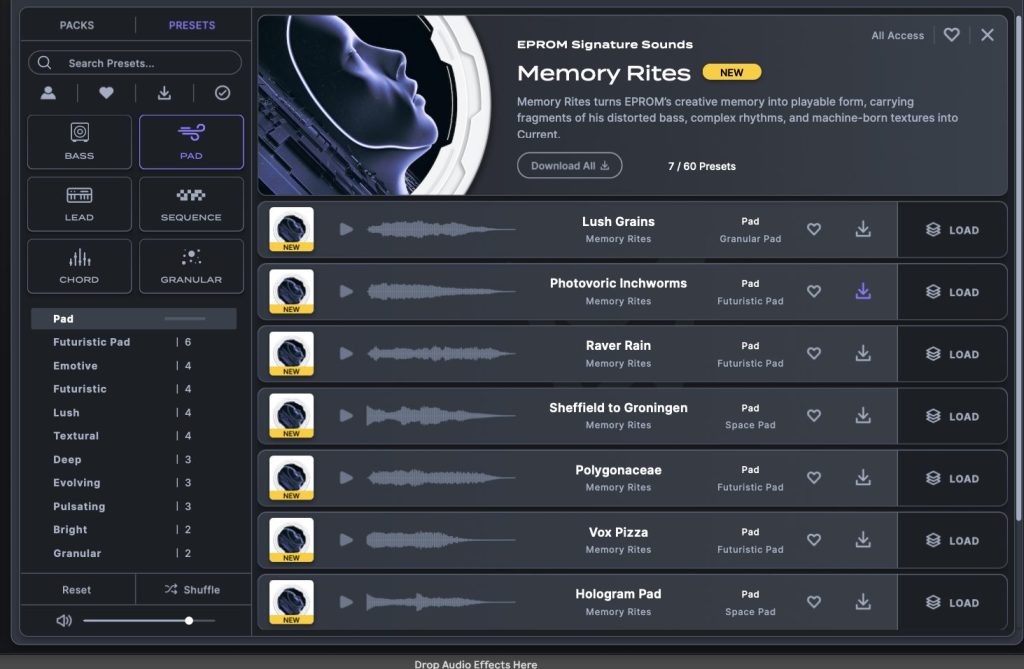
The pads surprised me the most!
The basses are the obvious draw, yet the pads are the part of Memory Rites I personally liked the most. They have texture and movement built into the sound, so they work well over simple chord progressions, whereas other pads often need more complex voicings to become interesting.
That is useful in real production work.
Sometimes you need a pad that fills space without making the whole arrangement busier. Memory Rites has pads that can hold a basic chord and still create enough internal motion to support an intro, breakdown, or background layer. You can play something simple, adjust a macro, and get enough tonal change to keep the section moving.
A lot of pad presets sound impressive when played alone and then become hard to fit once the drums, bass, and melodic parts are in place. These feel easier to use because they already have motion, yet they do not always demand the front of the mix. You will still need to process them for your track, and you will probably want to automate them, but the starting point is useful right away.
That was the biggest surprise of the pack for me. I expected to like the basses, and I did, but the pads gave me ideas faster. They made simple progressions feel finished enough to build around, and that is often what I want from a preset expansion.
The Leads Are Better Than Expected

Lead presets are usually one of the weaker parts of aggressive electronic sound banks. They often feel thin, overly familiar, or too dependent on a specific demo-style riff. Memory Rites does better here because the leads feel playable right away, and the macros help you hear the full range of the patch without needing to redesign it first.
That is pretty dope because a lead sound needs to inspire a part quickly. If a preset makes you spend ten minutes fixing it before you want to write with it, the momentum is already gone. The leads in Memory Rites avoid that problem. Some are sharp and direct, while others lean stranger and more textural, so the folder gives you options for main hooks and secondary response parts.
The mod wheel and pitch-bend assignments also help. The sounds feel designed for performance, and light movement on the controls can quickly change how the patch behaves. That makes the leads feel less static, and it gives you a practical way to test ideas without opening up every modulation lane.
Who Is Memory Rites For?

Memory Rites is not a general-purpose preset bank. It is not the first place I would go for clean pop keys, basic plucks, or classic synth tones. It has a clear, aggressive, modulated electronic sound design with a lot of bass and lead material.
That focus is a good thing if it lines up with what you make. Producers working in bass music, experimental electronic music, or heavier club-focused production will probably get the most use out of it. Current users who enjoy sound design will also get value, as the patches are worth opening up and studying.
For producers who just want simple bread-and-butter presets, this may be too specific. The pack has useful pads and keys, but the real identity is in the movement, the macro control, and the heavier sound design.
Final Verdict
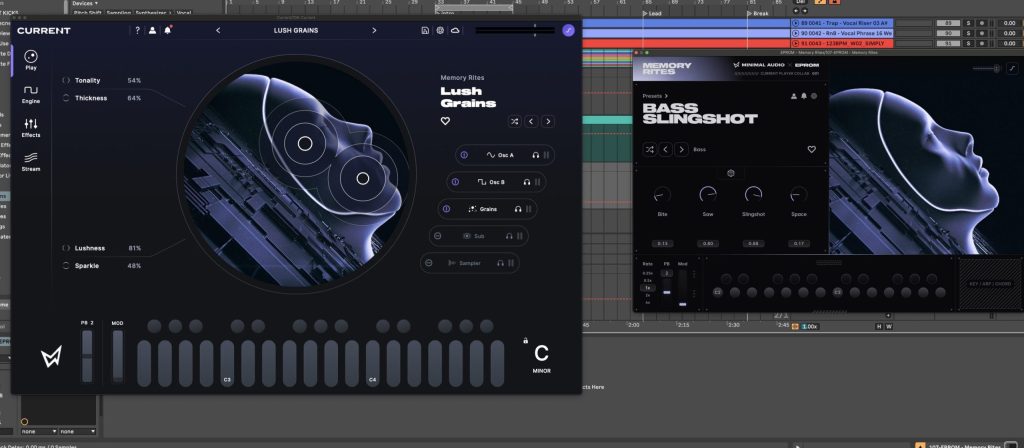
Memory Rites is easy to recommend for Current users. The pack gives you 60 presets that make clear use of Current’s modulation system, and the sounds feel practical because the macros let you change direction quickly. The basses are the expected draw, the leads are better than most aggressive preset-bank leads, and the pads were the biggest surprise because they work so well over simple progressions.
The Player version is also useful if you want access to the EPROM sound without buying Current first, and it gives you enough control to start writing right away. Still, the full synth version is where the pack makes the most sense. Memory Rites works best when you can open the patches, adjust the movement, and push the sounds toward your own track instead of treating them as fixed presets.
The main reason I like it is simple: the pack makes modulation feel musical and usable. It gives you motion without making the workflow feel confusing, and it shows why Current can be such a fun synth for producers who like sound design. If you already own Current, Memory Rites is one of the more useful expansions in Minimal Audio’s catalog. If you do not, the Player version gives you a solid entry point and a clear sense of what Current does well, plus you can snag it for free to try for a few days, which is amazing.


Will Vance is a professional music producer who has been involved in the industry for the better part of a decade and has been the managing editor at Magnetic Magazine since mid-2022. In that time period, he has published thousands of articles on music production, industry think pieces and educational articles about the music industry. Over the last decade as a professional music producer, Will Vance has also ran multiple successful and highly respected record labels in the industry, including Where The Heart Is Records as well as having launched a new label with a focus on community through Magnetic Magazine. When not running these labels or producing his own music, Vance is likely writing for other top industry sites like Waves or the Hyperbits Masterclass or working on his upcoming book on mindfulness in music production. On the rare chance he's not thinking about music production, he's probably running a game of Dungeons and Dragons with his friends which he has been the dungeon master for for many years.