The Short List
Finding your favorite plugins to add texture to music usually comes down to one question: what does the sound need to feel finished in the track? Sometimes the answer is harmonic color, sometimes it is movement, sometimes it is a frequency-specific push that brings out the part without making the whole channel feel overprocessed.
Texture in music production can come from saturation, modulation, delay, multiband tone shaping, reverb, gating, pitch movement, or small frequency changes that make a flat source feel like it’s so alive that you can almost touch it (i’ve always described it as the ‘soul of the sound’ to my students). The best texture plugins help you make those moves quickly without forcing the sound into a single, obvious identity. That is the part I care about most when I reach for plugins to add texture to music, because the goal is usually to make the source feel better inside the arrangement, rather than make the plugin announce itself.
A synth may need upper harmonics, a piano may need attack, a drum loop may need controlled high-end detail, and a vocal chop may need motion around the edges.
These are five of the best plugins for adding texture to music that Magnetic has reviewed, with Bark24 | Dyn taking the top spot because it handles tone, band-level compression, and frequency-specific detail in a way that feels unusually practical.
Bark24 | Dyn
Bark24 | Dyn takes the lead here because it handles texture before the usual mix-stage problem-solving begins.
The plugin splits audio into 24 bands based on how human hearing groups frequency information, so you can work with tone in a way that feels connected to how the sound actually reads in context.
That makes it useful when a synth feels sharp, a piano feels buried, a drum loop needs high-end detail, or a sample has low mids and upper mids fighting each other. The band-level compression is the key for texture, because you can push or control specific frequency areas without treating the full sound as one block.
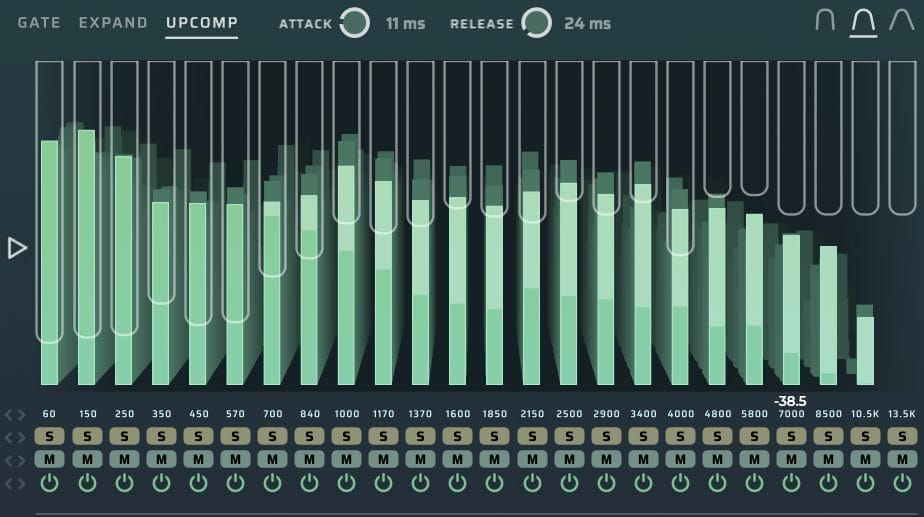
I like it most as an early source-shaping tool, since it can bring forward upper harmonic information, reduce brittle areas, tighten low-end movement, and make a part feel closer to finished before Pro-Q3 or another exact EQ enters the chain. On high percussion, the level of control over the upper bands can help dial in timbre without relying entirely on sample pitch.
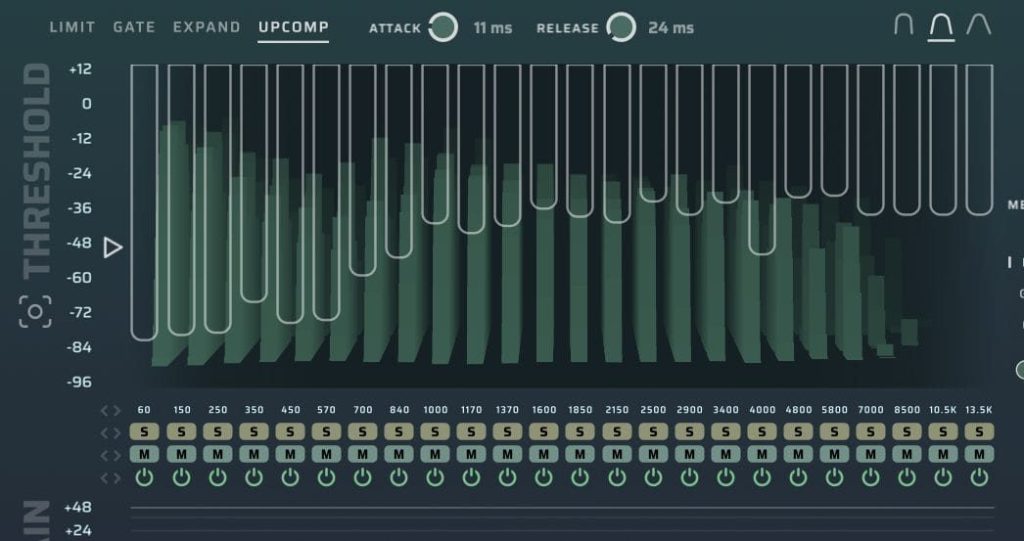
On guitars and pianos, it can pull out detail and presence without thinning the part too far. For producers who want one plugin that can move between tone shaping, compression, corrective work, and texture extraction, Bark24 | Dyn is the easiest first pick.
Baby Audio Transit 2
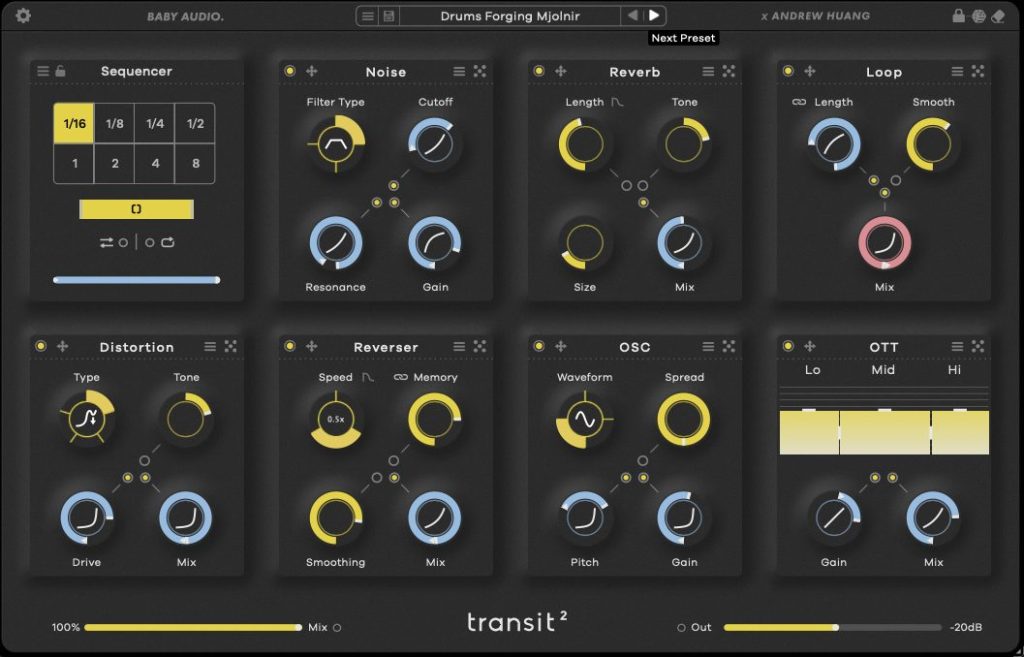
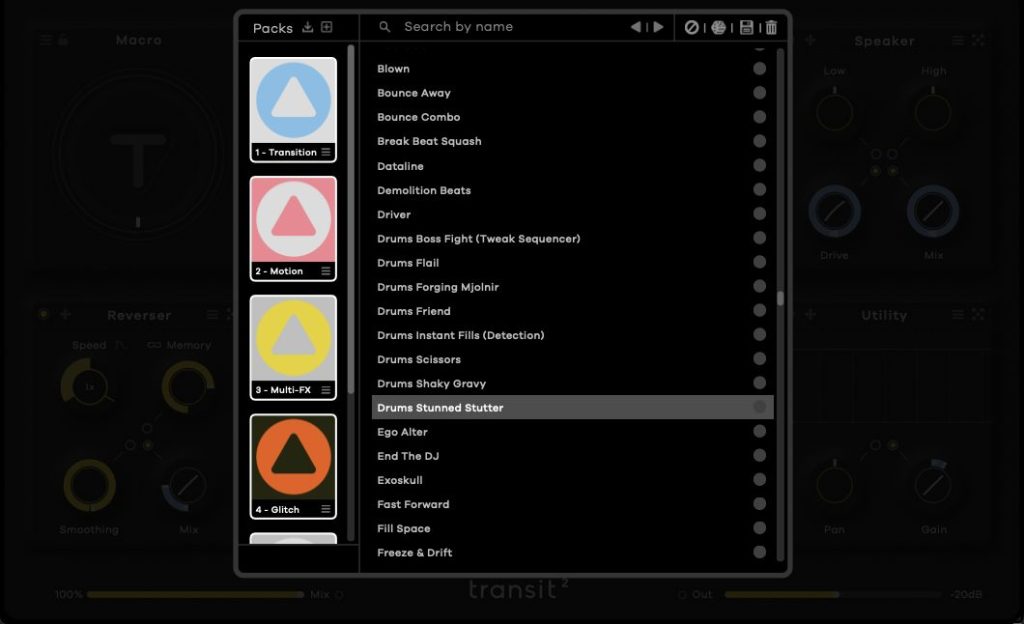
Transit 2 earns its place because movement is one of the quickest ways to add texture without rewriting the part. The plugin lets you load up to seven effects, then animate them through motion modes or the Macro knob, which makes it useful for transitions, rhythmic movement, and small shifts that keep a channel from sitting still.
The second version expands the idea with LFO, Follower, Sidechain, and Gate modes, so the motion can lock to time, react to incoming audio, duck in a controlled way, or trigger in real time. For texture, the Follower mode is especially useful because effects can respond to the source’s level rather than sit on top of it with fixed automation. The newer Warp and Reverser modules make Transit 2 useful for glitch edits, pitch movement, time-stretched effects, and short pieces of ear candy that can fill space around a hook or breakdown.
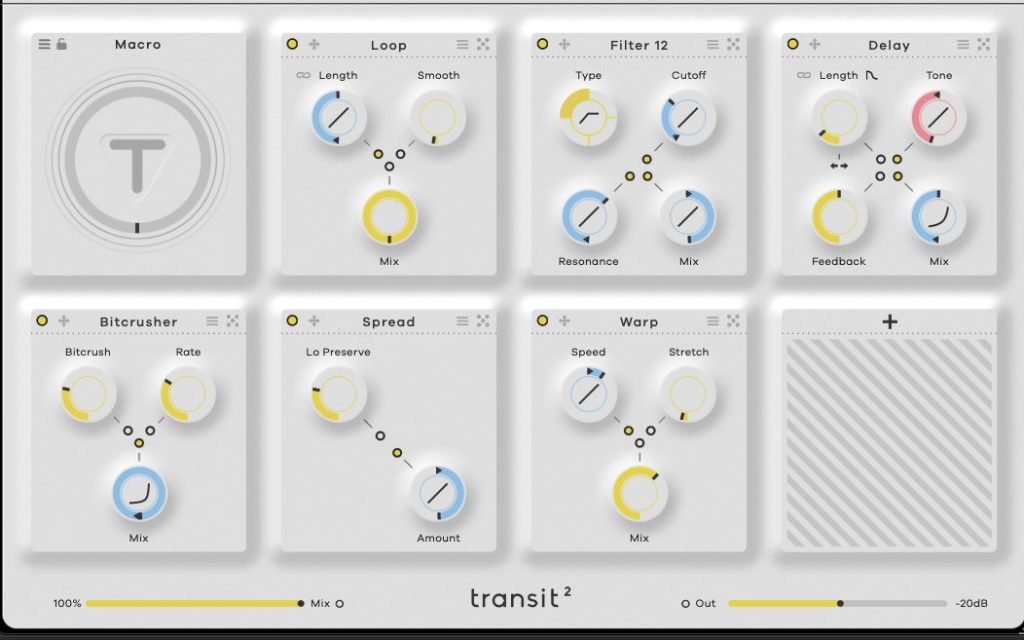
Retroverb, delay, chorus, filtering, and other modules can be stacked into one moving chain, then controlled from a single interface.
That makes Transit 2 a great pick when the track already has the right sounds, yet the arrangement needs motion around them. It is especially useful for producers who want texture to change over time without having to build five separate automation lanes. Plus I freaking LOVE the presets that this thing comes packed with.
Cableguys ShaperBox 3
ShaperBox 3 is one of the most useful plugins here for rhythmic texture, because it lets you build movement with editable LFO shapes across multiple effect modules.
The plugin includes nine Shapers, and each can be synced to the project, triggered by MIDI, or by audio transients, giving you tight control over how texture enters and leaves a sound. I think of it as a plugin for turning static parts into parts with internal movement.
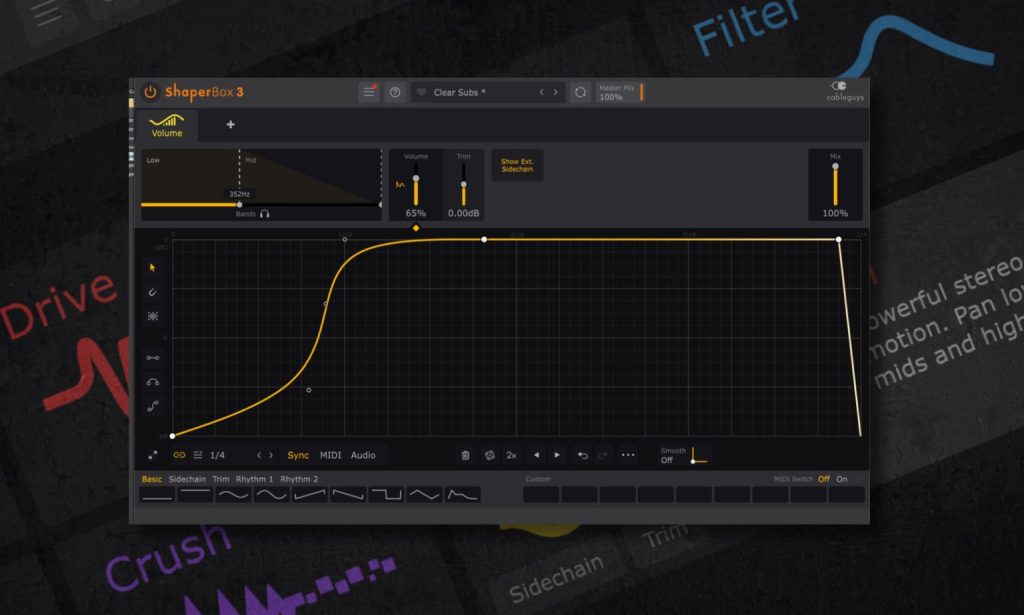
Pads, arps, plucks, percussion loops, and background synths can all derive a sense of motion from the same clock, helping the track feel connected rather than randomly modulated.
The preset bank also makes it easier to get moving quickly, especially when you need sidechain movement, filter effects, delay effects, gating, phasing, flanging, or time-based chops. The sidechain control is a major part of the appeal because you can draw exact volume curves, then pair them with filter movement or other modulation. That means ShaperBox 3 can handle utility moves and creative texture in the same channel strip.
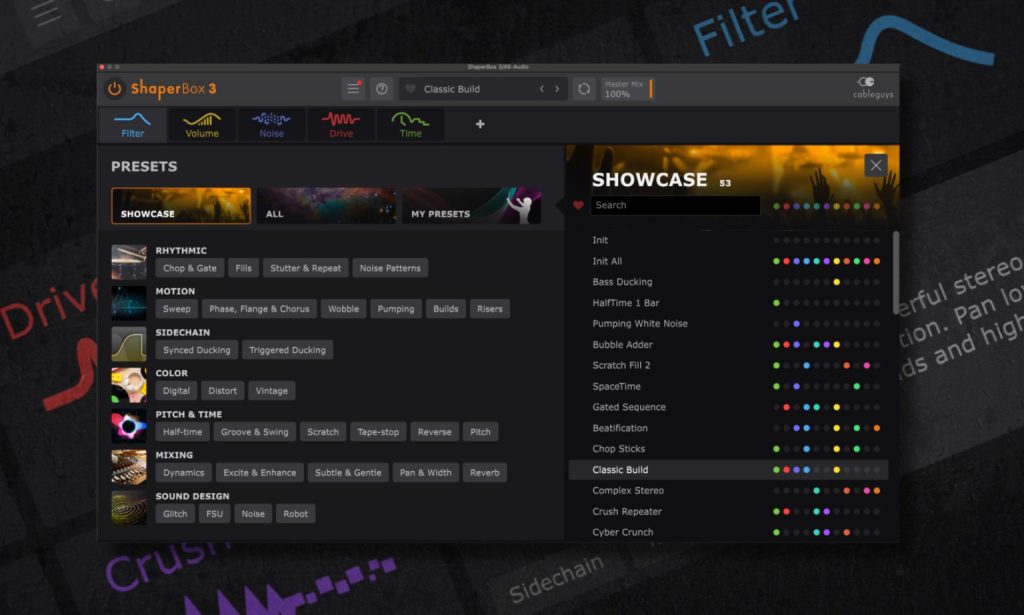
It can get noticeable fast, so the mix control and band controls matter, yet that obvious character can be useful when a part needs to cut through with movement.
Learn More About This Plugin And Snag It For Yourself Here️ ️️
AIR Music Tech Ether
Ether belongs on this list because it can take a simple sample, synth patch, pluck, or short phrase and turn it into a textured layer that starts feeding new ideas back into the track. It combines reverb, delay, pitch shaping, modulation, animation, compression, and LFO/envelope control, so the texture can come from space, timing, pitch, movement, or level response.
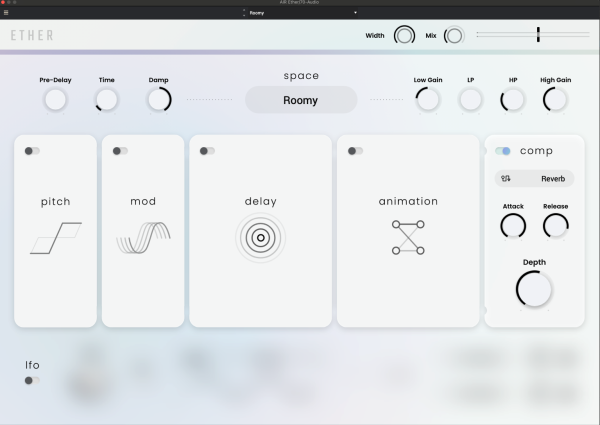
The best use case is running a slow tonal sample or synth patch through its texture-based presets, then letting the plugin reshape that material into something that can sit behind the main musical parts. It is also useful for one-shots, short phrases, and background details, since long delays and pitch-based presets can turn small source sounds into supporting material around the lead elements.
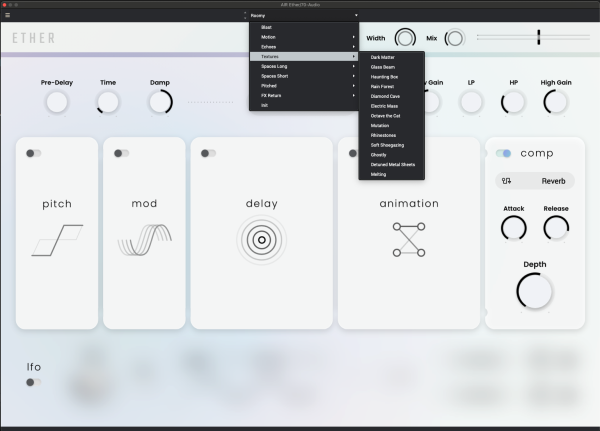
The Motion presets cover rhythmic delay-style movement, while the Texture presets push the sound much further from the original source. I would reach for Ether when a breakdown, intro, bridge, or background layer needs a sense of motion and space without having to build the effect chain from scratch. It can change quickly with small parameter moves, so automation needs a careful hand.
That sensitivity is also why it can be so useful for texture, since small adjustments can shift the sound into a new role almost immediately.
Purchase This Plugin Or Try It For Free Right Here
FabFilter Saturn 2
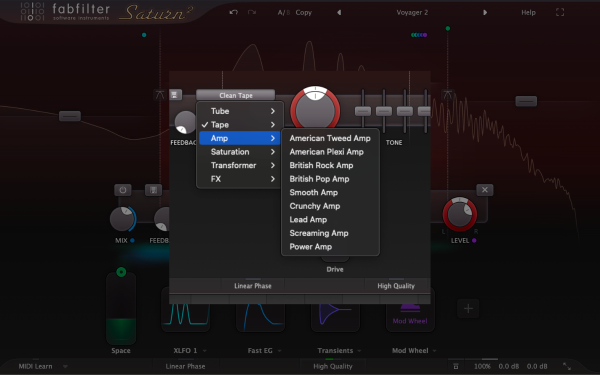
Saturn 2 remains one of the best saturation plugins for adding texture because its multiband setup gives you control over where the color happens. Many saturation plugins put the whole source through one general tone, while Saturn 2 lets you split the signal into bands and treat each frequency area differently.
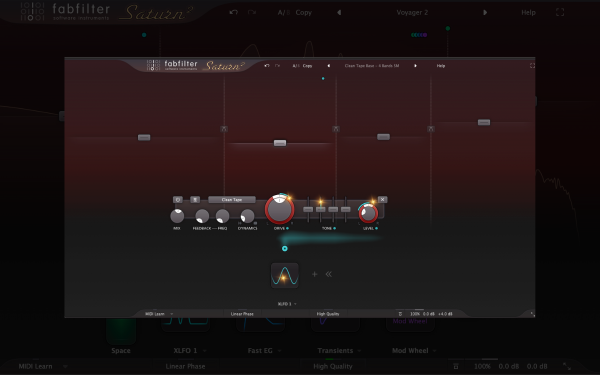
That is amazing when you want warm mids, brighter high-end detail, controlled low-end drive, or a wider top layer without turning the full channel into one distorted block. The distortion styles include tube, tape, amp, transformer, foldback, rectification, sample-rate reduction, and other digital- or analog-leaning colors, so the texture can remain subtle or become a central part of the sound.
For pads and sustained synths, adding small movement in the coloration can keep the part active behind the lead without adding another melodic layer.
For width, splitting higher frequencies into separate bands and coloring the left and right sides differently can help the top end feel wider without touching the low end.
Saturn 2 also works well when a sound needs grit, body, or harmonic information before it hits the rest of the mix chain. Bark24 | Dyn may handle cleaner band-level tone shaping, yet Saturn 2 remains the better pick when the texture needs saturation, drive, and harmonic color.

Will Vance is a professional music producer who has been involved in the industry for the better part of a decade and has been the managing editor at Magnetic Magazine since mid-2022. In that time period, he has published thousands of articles on music production, industry think pieces and educational articles about the music industry. Over the last decade as a professional music producer, Will Vance has also ran multiple successful and highly respected record labels in the industry, including Where The Heart Is Records as well as having launched a new label with a focus on community through Magnetic Magazine. When not running these labels or producing his own music, Vance is likely writing for other top industry sites like Waves or the Hyperbits Masterclass or working on his upcoming book on mindfulness in music production. On the rare chance he's not thinking about music production, he's probably running a game of Dungeons and Dragons with his friends which he has been the dungeon master for for many years.