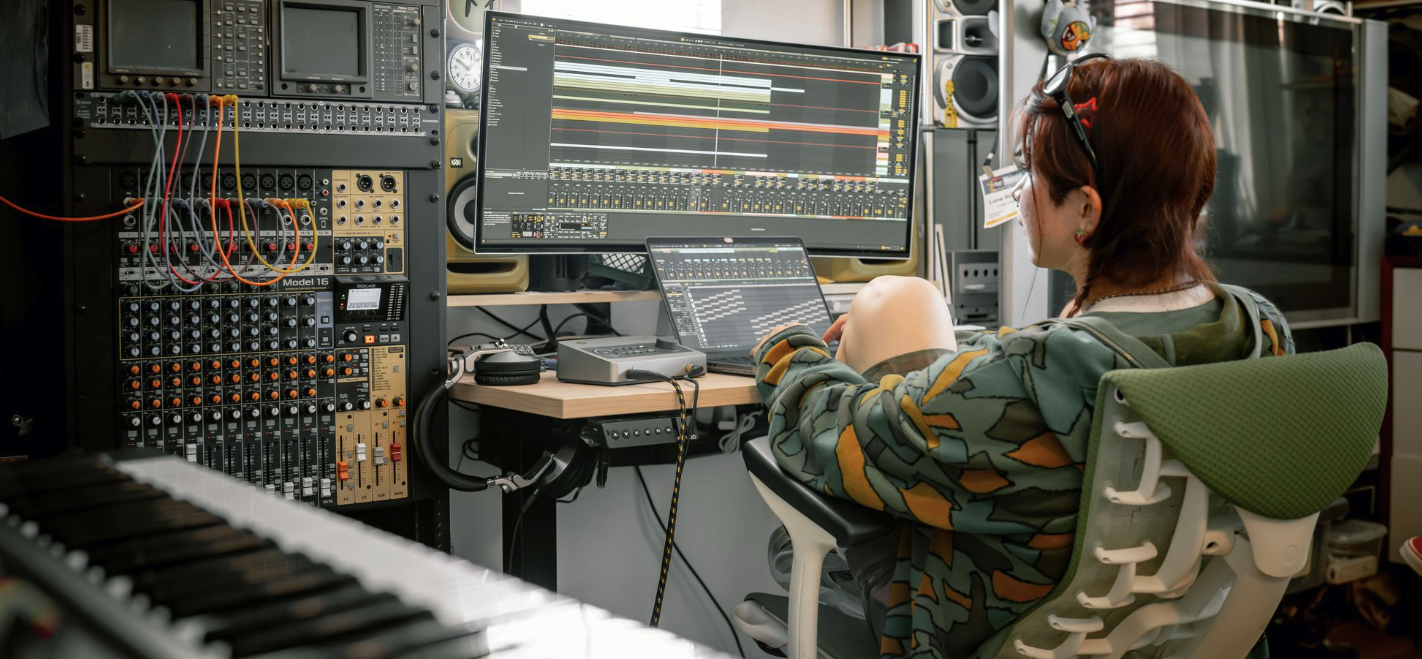
Most artists are doing more of the recording process themselves now.
That does not mean every artist wants to become a full-time mix engineer. It means the first round of decisions often happens before the song ever leaves the bedroom, rehearsal space, tour bus, dorm room, or apartment setup where the vocal was recorded. The tools need to be simple enough to keep the idea moving, but precise enough that the performance does not get flattened by one broad correction setting.
That is the lane BandLab is moving into with Retune.
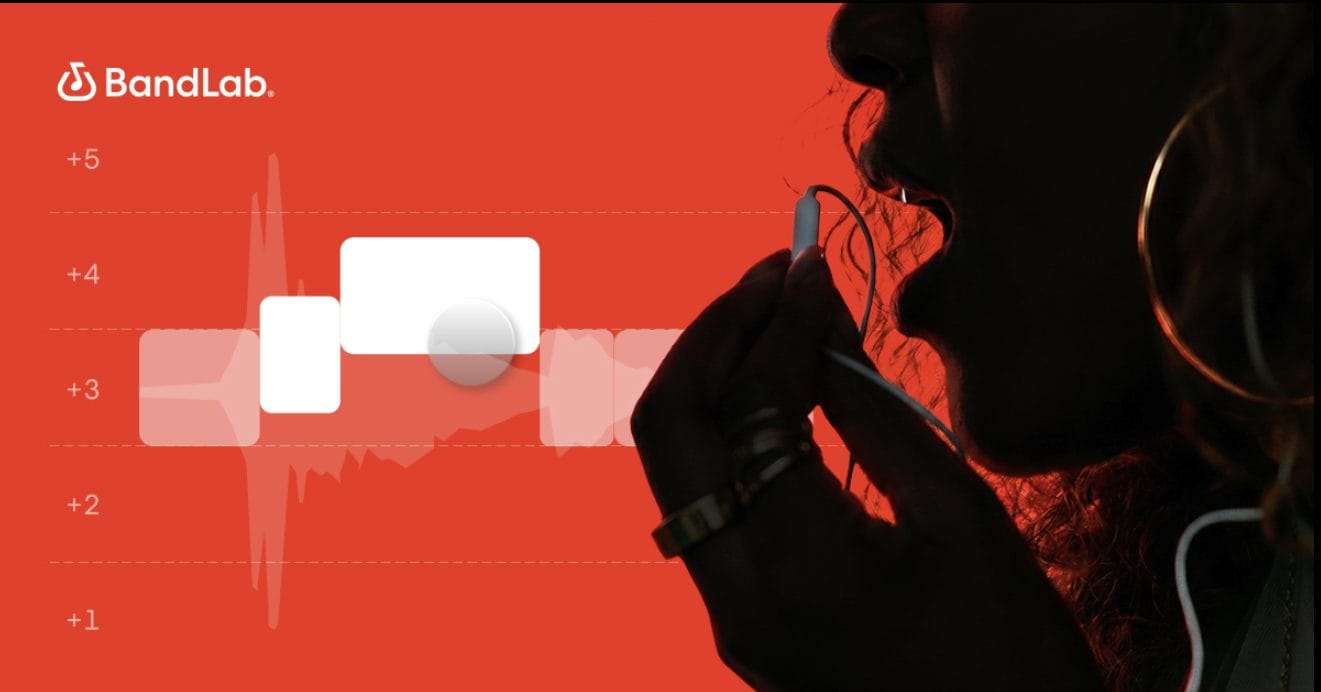
The new vocal editing tool gives creators a way to adjust individual notes inside a recording directly in BandLab Studio. Instead of applying pitch correction across the entire vocal in one sweep, Retune breaks the recording into separate pitch segments so each note can be shaped on its own.
That is a meaningful difference for artists who care about vocal emotion. Sometimes one word needs a tiny correction. Sometimes one note needs to lean harder into the melody. Sometimes a vocal needs a more obvious pitch shift for effect. Retune gives creators those options without forcing them to leave the BandLab environment.
Retune is built around individual note control
The central idea is segmentation.
Retune automatically analyzes a vocal recording and divides it into individual pitch segments. From there, creators can drag segments up or down by as much as a full octave, adjust pitch down to the cent, and slice segments manually when they want more detailed control.
That gives Retune two different uses.
The first is subtle editing. A singer records a take with the right emotion, but a few notes drift enough to distract from the song. Retune lets the artist pull those notes closer without treating the whole performance like a problem.
The second is creative vocal shaping. A producer can move notes more dramatically, rework melodic ideas, or create a more processed vocal effect while still working from the original take.
BandLab is keeping the workflow inside the studio
The bigger move is that Retune lives inside BandLab Studio.
That matters because a lot of vocal editing still pushes artists into separate plug-ins, desktop workflows, or more complex DAW setups. For experienced producers, that may not be a problem. For a newer artist trying to finish a hook while the idea is still fresh, those extra steps can slow the whole process down.
BandLab’s pitch has always been tied to removing barriers around making and sharing music. Retune fits that philosophy because it gives creators a more detailed vocal tool without asking them to rebuild their setup.
The key is that the tool sits between automatic correction and advanced manual editing. It gives artists more choice than a single global pitch setting, but it does not demand a traditional studio workflow before they can make one vocal line feel better.
That is also why the update feels connected to my article on plugins for vocal chops. Vocal production has become one of the main places where songwriting, arrangement, and sound design overlap. Retune gives BandLab creators another way to treat the voice as something that can be edited musically without losing the original performance.
The best vocal tools protect the take
The danger with pitch correction is that it can make everything sound too corrected.
That is not always the goal. In many songs, the best vocal is the one with the right feeling, even if it has a few rough edges. A tool like Retune is valuable because it lets creators keep the take and work around the moments that need attention.
That is a healthier way to think about vocal editing.
Do not throw away the performance because one line slips. Do not over-process the entire take because one word needs help. Do not flatten the human part of the vocal just to make the pitch graph look neat.
Retune gives creators a middle path: keep the take, edit the details, and decide how natural or processed the final vocal should feel.
That connects with our earlier discussion of vocal transformation tools because the best vocal processing is rarely only about polish. It is about deciding what role the voice plays in the song. Sometimes it needs to feel raw. Sometimes it needs to feel unreal. Sometimes it needs a small fix so the emotion can come through without the listener getting caught on the pitch.
Retune gives DIY vocals a better editing stage
The most important thing about Retune is not that it adds pitch editing to BandLab.
It is that it gives creators more control over how pitch editing is applied. Full-track correction can be fast, but it is not always sensitive to the performance. Manual note-level editing gives the artist more room to decide which moments need correction, which moments need exaggeration, and which moments should be left alone.
That is where DIY vocal production keeps heading.
Artists want tools that do not punish them for working outside a traditional studio. They want to record when the idea appears, shape the performance while the feeling is still alive, and finish more of the song without needing to hand it off too early.
BandLab Retune fits that shift. It gives creators a sharper vocal editing tool inside a platform already built around making, sharing, and growing music from one place.
For singers, producers, and songwriters working inside BandLab Studio, that means the vocal take can stay closer to the song while still getting the detail it needs.

Will Vance is a professional music producer who has been involved in the industry for the better part of a decade and has been the managing editor at Magnetic Magazine since mid-2022. In that time period, he has published thousands of articles on music production, industry think pieces and educational articles about the music industry. Over the last decade as a professional music producer, Will Vance has also ran multiple successful and highly respected record labels in the industry, including Where The Heart Is Records as well as having launched a new label with a focus on community through Magnetic Magazine. When not running these labels or producing his own music, Vance is likely writing for other top industry sites like Waves or the Hyperbits Masterclass or working on his upcoming book on mindfulness in music production. On the rare chance he's not thinking about music production, he's probably running a game of Dungeons and Dragons with his friends which he has been the dungeon master for for many years.