Most music merch still starts with the same familiar objects.
Shirts. Hoodies. Hats. Posters. Stickers. Maybe vinyl if the budget allows. Those formats still work, but the artists who build real fan communities are always looking for objects that feel closer to the music itself.
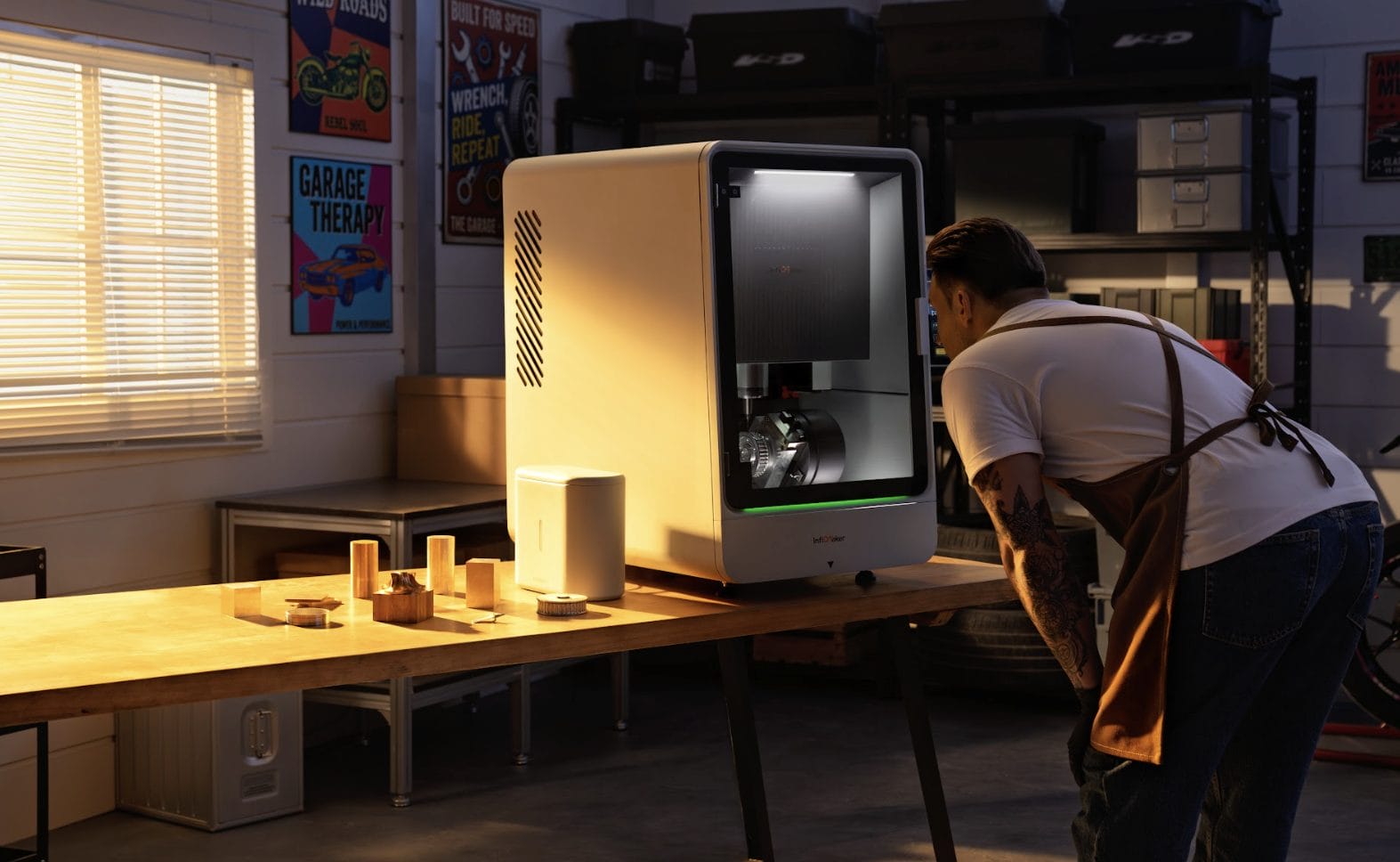
That is where machines like the new InfiMaker K1 become interesting, and it recently launched on Kickstarter on August 11th.
K1 is a desktop CNC machine, which means it cuts material away instead of building an object upward in layers. That distinction matters because the merch angle is different. 3D printing is great for plastic prototypes, figures, small accessories, and quick experiments. CNC opens another lane: aluminum, brass, copper, wood, acrylic, wax, resin, engineering plastics, composites, and even harder materials like steel, titanium, and jade.
For musicians, producers, labels, and creative teams, that means merch can start looking less like apparel and more like designed objects. Think engraved metal fan pieces, sculpted wood desk objects, custom pendants, synth-inspired keychains, numbered collector tokens, artist logos cut into acrylic, small stage props, or physical objects tied to a release campaign.
That connects directly with our earlier article on how independent artists can monetize merch without a label. The biggest opportunity is not only selling more items. It is making objects fans actually want to keep.
K1 is aimed above the hobby machine category
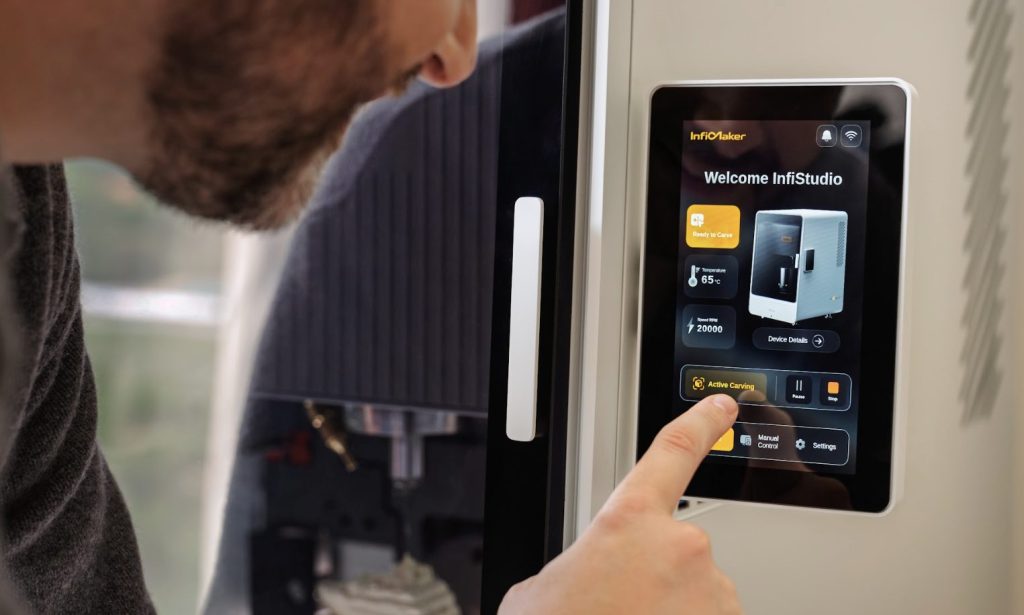
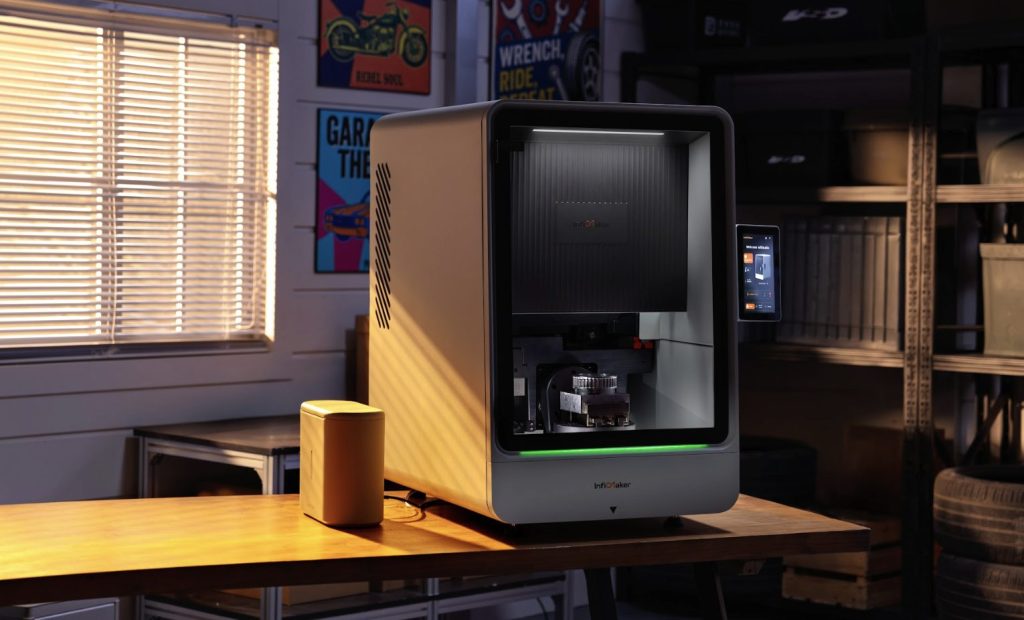
InfiMaker is launching K1 as a desktop CNC machine with true simultaneous 5-axis machining, a 1.5 kW spindle, automatic calibration, a six-station automatic tool changer, and its own InfiStudio CAM and machine-control software.
That is a serious setup for a desktop format.
The reason 5-axis machining matters is that the machine can move around a part in ways simpler systems cannot. K1 uses RTCP to coordinate all five axes during cutting, which lets it machine curves, undercuts, and multi-sided surfaces without repeatedly flipping, re-fixturing, or recalibrating the part.
That could matter a lot for small creative shops.
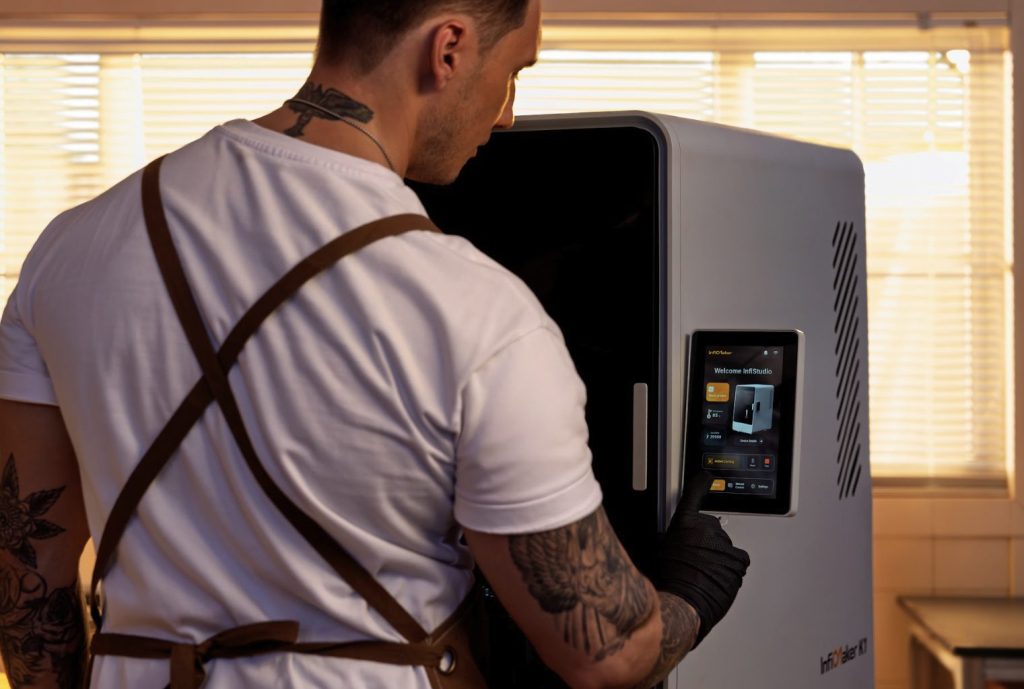
A label making a limited release object does not want a process that falls apart after the third manual setup. An artist building numbered fan pieces does not want every item to become a full weekend of alignment and rework. A producer making small hardware-inspired collectibles needs the machine to handle curved surfaces, engraved details, and shaped materials without turning the whole job into an industrial engineering class.
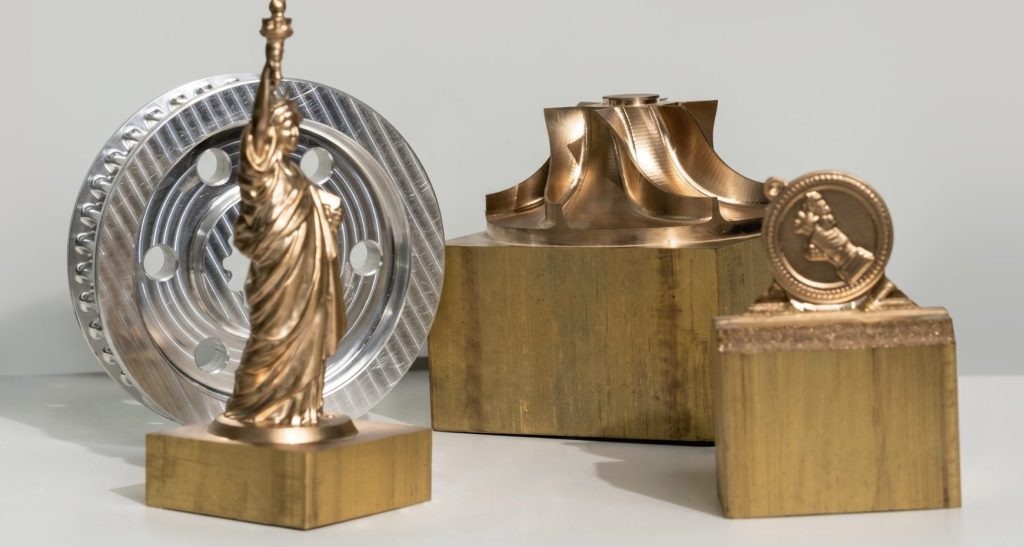
K1’s work area is 120 × 120 × 120 mm, with 0.01 mm repeatability and a spindle that runs up to 20,000 RPM. That size is not for giant stage builds. It is for small objects with detail, which is exactly where premium artist merch can get more interesting.
This is where 3D printing and CNC meet artist merch
A lot of artists have already started thinking about 3D printing as a merch idea.
That makes sense. Desktop 3D printers made it easier for artists to prototype physical pieces, test shapes, and create small batches without waiting on factories. We covered a version of that idea in our Neptune 4 Plus article about artists making merch for shows and fans, where the appeal was giving artists a way to make physical objects closer to home.
K1 sits in the next lane over.
It is not replacing 3D printing. It expands what artist merch can be made from. A 3D printer may help an artist create a plastic figure, logo object, or prototype. A desktop CNC can cut that idea into wood, aluminum, brass, acrylic, or resin with a different finish, weight, and feel.
That changes the fan experience. A metal piece feels different in the hand than a printed plastic object. Engraved wood carries a different kind of intimacy than a screen-printed shirt. Acrylic can catch stage light, booth light, or bedroom light in ways that connect to the visual side of a release.
For artists trying to turn a single, EP, or album campaign into something collectible, that material difference matters.
InfiStudio is trying to remove the hardest part
The machine is only half the story.
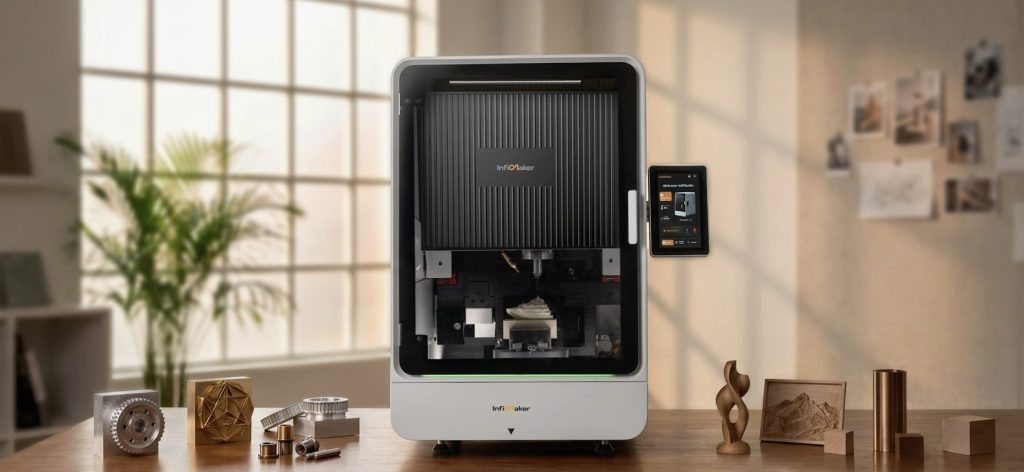
InfiMaker is also launching InfiStudio, its CAM and machine-control software for Windows and macOS. The software supports STL, STEP, and OBJ files, with standard G-code import as well.
The AI-assisted side is where this could become relevant to smaller creative teams. InfiStudio lets users begin with text, an image, or an existing 3D model. It can generate a machinable model, recommend tools, feeds, speeds, and cutting order, create simultaneous 5-axis toolpaths, and preview material removal and collision risks before machining.
That is important because CAM is where many artists would usually stop.
A musician may have a great symbol for an album. A designer may have a logo. A manager may have the idea for a limited fan object. But getting that idea from image to machined part often demands knowledge that sits far outside normal merch planning. Toolpaths, feeds, speeds, collision risk, material removal, and setup can create a wall between the idea and the object.
InfiStudio is trying to lower that wall.
That does not mean every musician suddenly becomes a manufacturing expert. It means the software is designed to help more small teams move from concept to finished part without outsourcing every step.
Automated setup makes small runs more realistic
The K1 hardware also focuses heavily on setup.
The machine includes a wireless ruby probe for locating workpieces and automatic calibration. The six-station automatic tool changer holds five cutting tools and the centering probe, covering operations such as roughing, finishing, drilling, and engraving. Breakpoint resume allows an interrupted job to continue without restarting the full machining process.
Those features sound technical, but the creative merch angle is pretty direct.
Small-batch artist objects often need several operations. A wood piece may need rough shaping, fine finishing, engraved text, and a small drilled hole for hanging or mounting. A metal token may need a different sequence. A limited collector item may need a logo, date, edition number, and shaped contour.
If every tool change turns into a manual interruption, the process becomes harder to justify. Automated tool management gives artists and small creative teams a better shot at making repeatable objects in small numbers.
This is the same reason artist merch strategy has moved beyond simply picking a blank garment and uploading artwork. In our article on free custom shirts and merchandise for your music, the bigger point was access. Artists need ways to make merch without handing away the whole process before they even know what fans respond to.
K1 pushes that access conversation into premium physical goods.
What artists could actually make with K1
The obvious use cases are not generic “products.” They are campaign objects.
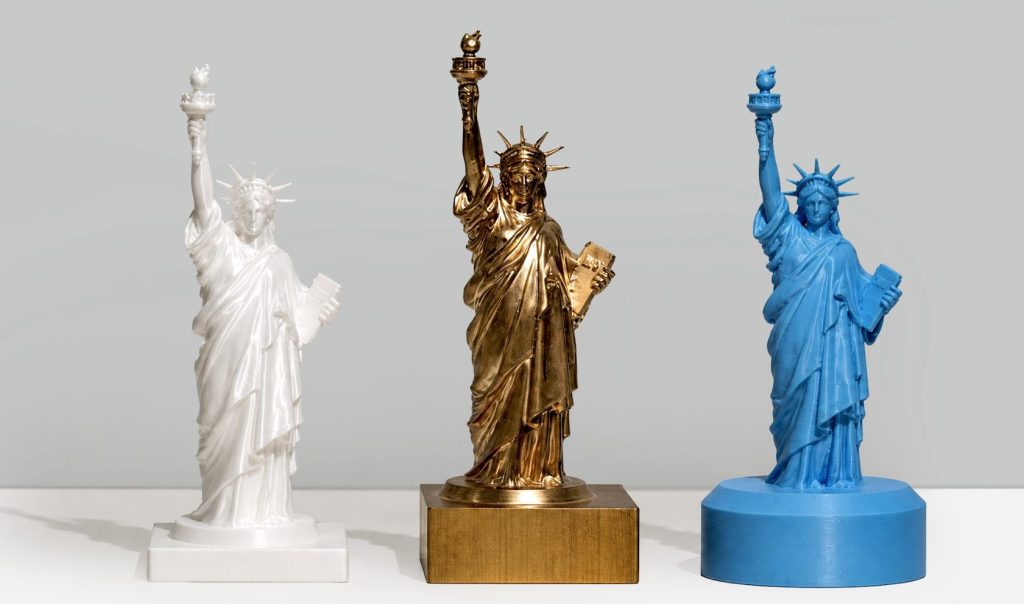
An electronic artist could machine a small acrylic emblem tied to a single artwork. A techno label could make numbered aluminum tokens for a warehouse event. A producer could create brass desk pieces with a release title engraved into them. A synth artist could cut custom knobs or small hardware-style accessories. A DJ could build limited VIP objects for a tour. A label could create physical collector pieces for superfans who already bought vinyl, apparel, and digital downloads.
The supported material list matters here: aluminum, brass, copper, steel, titanium, wood, acrylic, wax, jade, resin, engineering plastics, and composites.
That gives artists more personality to work with. Wood can feel intimate. Metal can feel industrial. Acrylic can feel club-adjacent. Resin can handle sculptural forms. Wax can help with casting workflows. Engineering plastics can work for functional accessories.
The merch does not have to be big. In fact, the smaller 120 mm work area almost forces the better idea: compact, tactile, collectible pieces that feel tied to the artist’s visual identity.
That is a more interesting fan object than another generic shirt with a logo dropped on the chest.

The bigger merch idea is control
The most interesting part of K1 for music is not that every artist now needs a CNC machine.
They do not.
The more interesting idea is that artist merch is moving closer to the studio mindset. Make a prototype. Test a limited run. Change the material. Adjust the object. Build around a release story. Sell something fans cannot get from a generic print-on-demand catalog.
That is where desktop manufacturing starts to feel relevant to music culture.
The same way producers used home studios to take more control over recording, tools like 3D printers and desktop CNC machines let artists take more control over the physical side of their releases. Not every artist will run the machine themselves. But more artists can work with designers and makers to create objects that feel closer to the music, the artwork, and the community around it.
InfiMaker K1 fits that shift because it gives small teams access to a level of material detail that used to feel much farther away.
For music makers thinking past standard apparel, this is the real story: merch does not have to stop at fabric. It can become an object, a symbol, a fan ritual, and a physical extension of the record.
InfiMaker K1 opens on Kickstarter today August 11, 2026, with Super Early Bird pledges starting at $5,199.

Will Vance is a professional music producer who has been involved in the industry for the better part of a decade and has been the managing editor at Magnetic Magazine since mid-2022. In that time period, he has published thousands of articles on music production, industry think pieces and educational articles about the music industry. Over the last decade as a professional music producer, Will Vance has also ran multiple successful and highly respected record labels in the industry, including Where The Heart Is Records as well as having launched a new label with a focus on community through Magnetic Magazine. When not running these labels or producing his own music, Vance is likely writing for other top industry sites like Waves or the Hyperbits Masterclass or working on his upcoming book on mindfulness in music production. On the rare chance he's not thinking about music production, he's probably running a game of Dungeons and Dragons with his friends which he has been the dungeon master for for many years.