Most producers know the feeling of working on a track so long that you eventually lose any real perspective on whether your changes are helping. Bringing someone else into the process can be one of the easiest ways out, though it also means accepting that another person might hear something completely different in the music than you do.
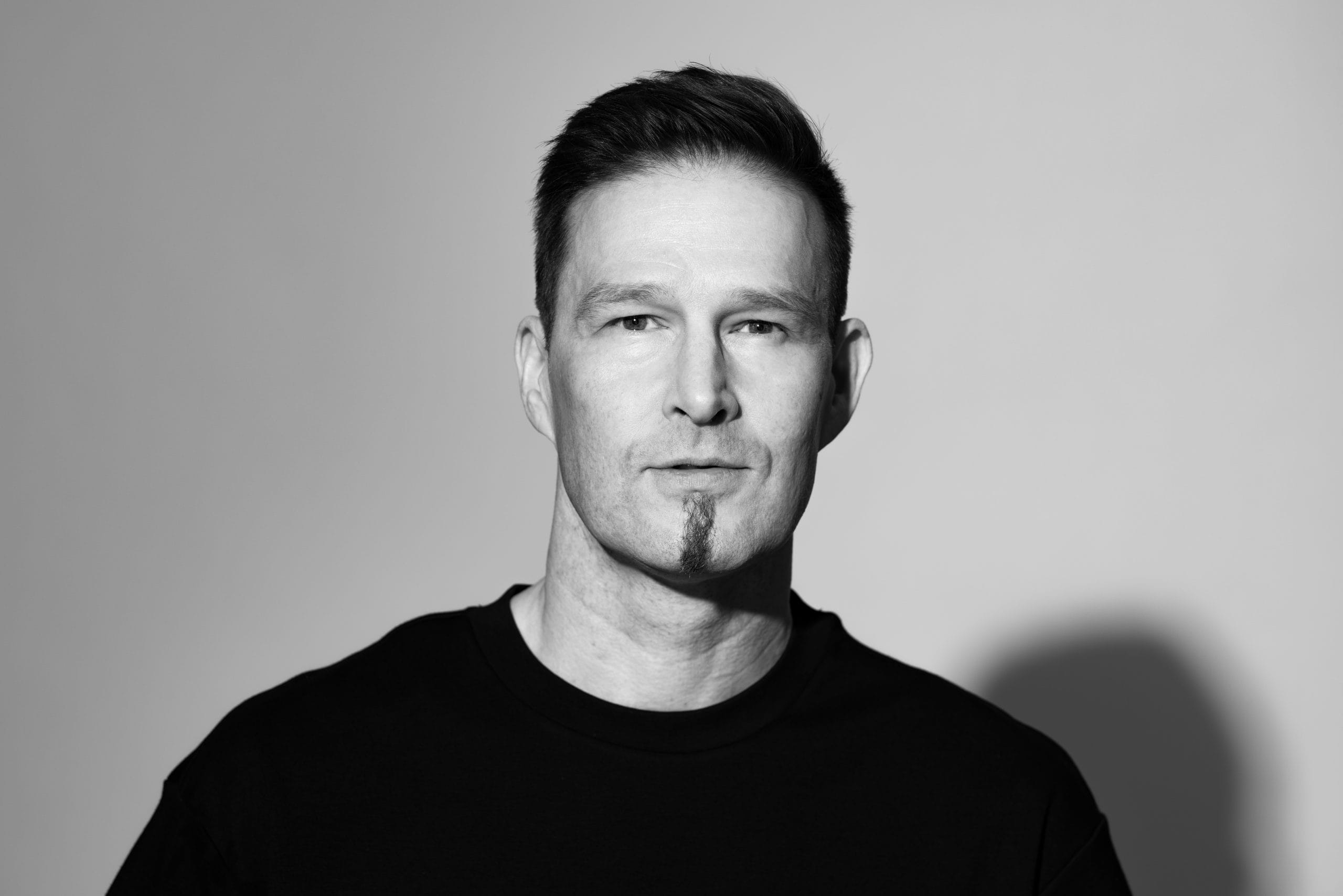
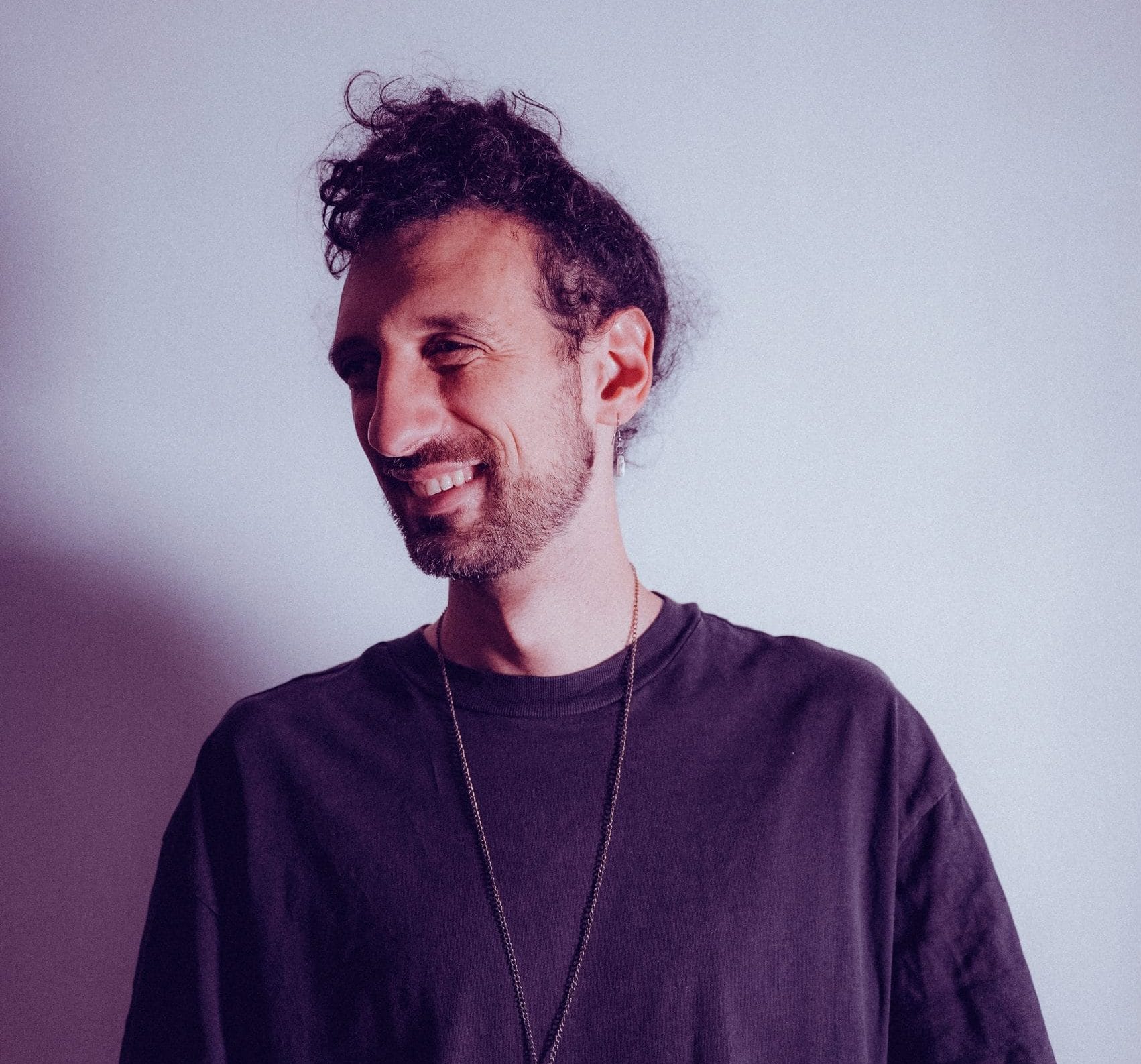
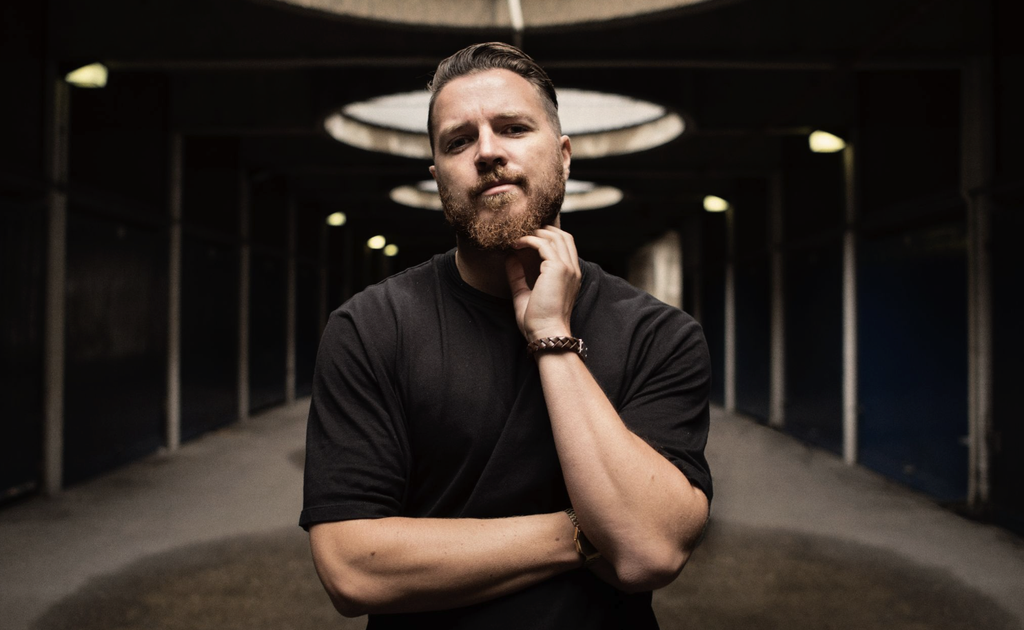
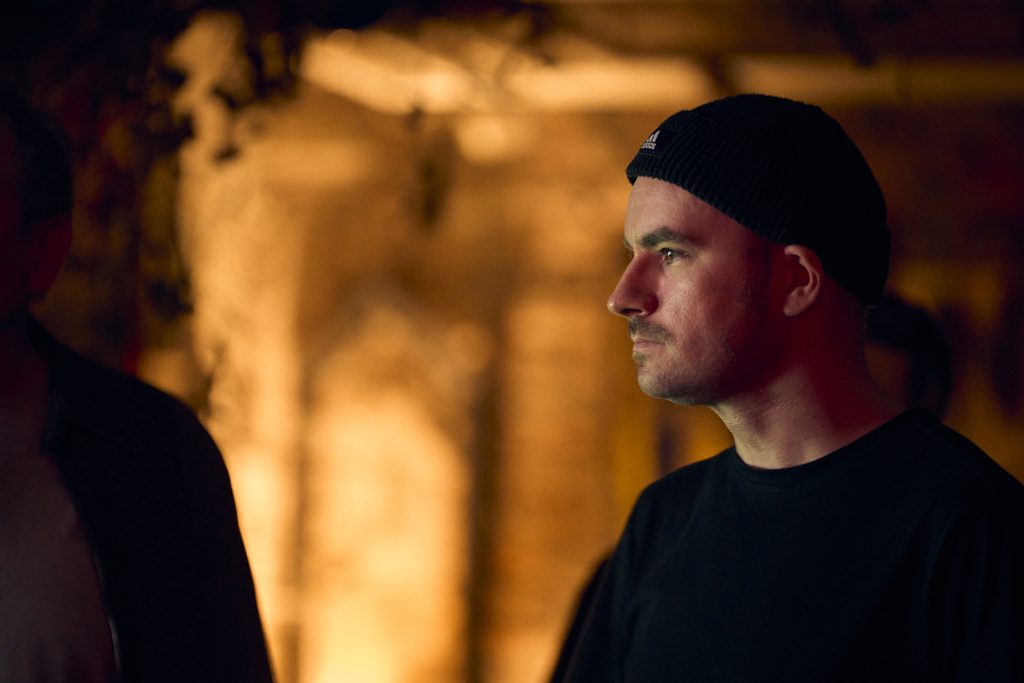
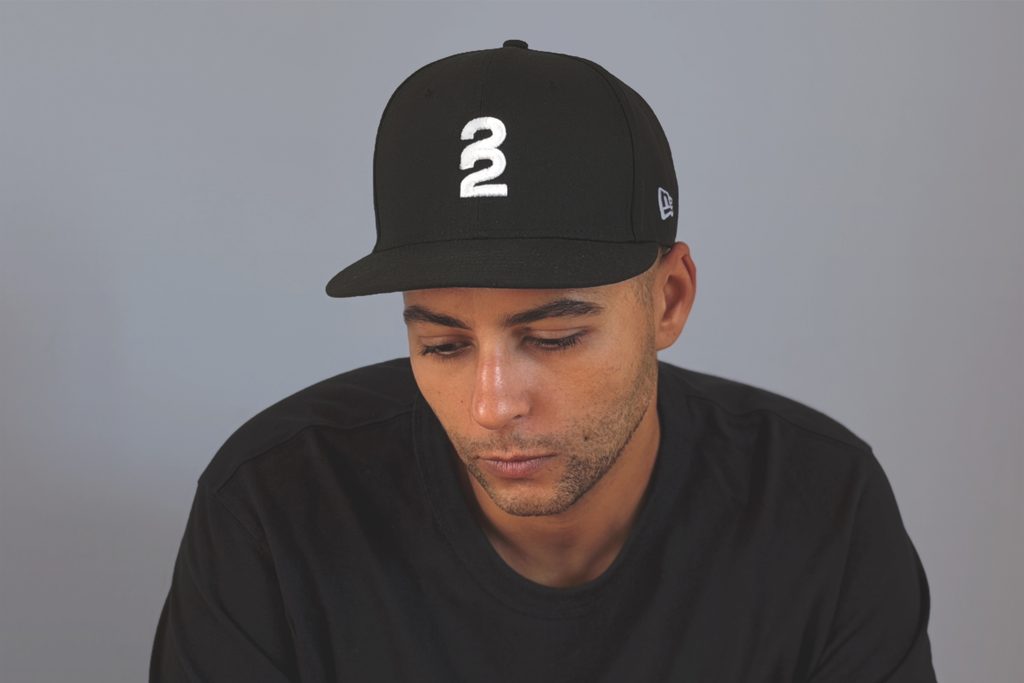
Monkey Safari (@monkeysafari) have spent more than twenty years making music together, and the way Lars and Sven talk about their creative partnership is a pretty good reminder that collaboration gets interesting when two people don’t necessarily agree on everything.
The German duo are currently preparing a new album for October 30, 2026, arriving after a run of releases on their Good Vibes From Paradise imprint. We’ve already covered their collaboration with Super Flu on “Confused” and the more recent “Joy,” featuring Sven’s DJ Island alias, which draws on gospel influences and a more traditional house approach. The singles show how comfortable the pair have become moving between different musical ideas, and their answers here offer interesting context for how they’ve kept that creative relationship working for so long.
What I find particularly interesting is that Monkey Safari don’t seem all that concerned with making sure every decision represents both members equally. They recognize that different tastes are part of what makes their records interesting, and sometimes that means trusting the other to pursue an idea they wouldn’t have come up with themselves.
We caught up with the duo ahead of their upcoming album to talk about creative disagreements, the importance of having another person in the studio, knowing when to ignore outside feedback, and why they believe AI still has a long way to go before it can replace the experience of making music with another human being.
Monkey Safari Interview

What does another person bring into a session that software can’t offer you?
For us, it’s over 20 years of experience, in the studio and on the floor, from hundreds of parties on all kinds of sound systems. That’s our subjective store of experience, and it’s hard for anyone else to reproduce, AI included.
On top of that, we’re two people who each exist only once. And then we talk about the track, find common ground, and at some point it’s: that’s cool, let’s do it like that, done.

How does an extra pair of ears change the structure of a track?
When you sit on a track alone, you eventually get lost in the details. A fresh pair of ears hears the track from a different direction, with different first impressions.
With us, Lars builds the sketch, Sven says what he likes and what he doesn’t, and if the track is still early, it’s sometimes just: nice, keep going.
Then we listen to the versions in very different situations: in the car, on headphones, on a walk, on a phone or laptop speakers. We take notes and talk it over in the studio.
The club test plays a role too, but not everything we release is a club track. With “Safe,” the sketch was sitting in a back folder, but one of us heard something in it. We kept building, and today it’s probably one of our most successful tracks.
Outside input can improve a track or dilute it. How do you tell the difference?
Too many cooks spoil the broth, as they say.
If you see music as purely functional, as is often the case in pop, outside feedback can push a track forward. There is some lovely pop music too, but also a lot of function.
For us, music is a form of expression, our language, coming from the heads of two people. There, outside feedback tends to dilute things and unsettle you.
Listening in the car or in the club is something else: nobody tells us what to do. With our experience, we get a feel for how the track sounds compared to others.
The question is simply: do I want to build something out of my own head, with all its blind spots and its enlightened ones, show it to the world and see what it says? Or do I listen to what the world wants, deliver that and make money from it?
Blind spots are fine. They’re intentional.

Where do trust and communication show up in the finished music?
We only release what we both back: cool, let’s do it.
That doesn’t mean we like every track equally. We have different tastes, and I think that’s why our music is so layered.
We don’t have a blueprint. For us, trust means: if one of us isn’t hit that hard by a track and the other is completely convinced, we still say: go for it.
We give each other the freedom to see things through, even if they’re not the other’s cup of tea, as long as he backs them for the sake of the project.
So is your music a compromise?
Well, could be.
If the compromise pleases us, that’s a great thing, and if it pleases other people, that’s a nice thing too.
How Monkey Safari would sound without compromise is probably something we’ll never find out, so we’re fine living with the supposed compromise.
The greatest love stories are compromises too, and they’re no worse for it. Wherever more than one thought or one person meets, it’s always a compromise.
Why should artists keep building real creative relationships even though automated tools keep getting better?
Right now, AI sits in front of every digital tool. That’s a trend and a hype, and I think it will pass.
In the end, they’re digital tools: we work with our heads, our hands, and digital tools, and music production is largely digital anyway. That’s not the problem.
The problem is when the only contribution is telling a chatbot, “Make me a track that sounds like so-and-so,” and then releasing the result.
For us, that has nothing to do with music production, and it isn’t what we mean by expressing ourselves.
And that’s exactly where the value of real relationships lies: two people with their experience, who exist only once and have to find common ground.
If an AI track still moves people, makes them laugh, cry, or feel energy, then that’s a cool thing too. But the training data has to be clean, and the original artists have to be asked and compensated.
That needs to be settled.
About Monkey Safari’s Upcoming Album
Monkey Safari’s forthcoming album arrives October 30, 2026, following a series of singles that have shown different sides of the duo’s musical interests.
The project has already included “Otherside” with AWEN, “Okonokwa,” “Future,” and “Confused” with Super Flu, while the most recent single, “Joy,” features Sven Fröhlich under his DJ Island alias. Released September 25 on Good Vibes From Paradise, “Joy” brings gospel-influenced vocals into a house record designed with the dancefloor in mind.
The album continues a lengthy recording career that has seen Monkey Safari release music on labels including Anjunadeep, Get Physical, Spectrum, and Armada Music, alongside remix work for artists such as RÜFÜS DU SOL, Röyksopp, Booka Shade, and Jan Blomqvist.
Good Vibes From Paradise, the duo’s own imprint established in 2023, has also become an important home for their recent output, giving them more freedom to explore different corners of house and melodic electronic music.
Closing Thoughts From The Editor
I think the biggest lesson in this interview is that working with another person doesn’t necessarily mean finding a decision that both people would have made independently. Sometimes the entire reason to collaborate is that the other person hears something you don’t, and being willing to follow their instincts can take the music somewhere you never would have considered on your own.
That sounds pretty obvious when you write it out, but I think it’s much harder to put into practice than most producers would admit. We spend so much time developing our taste, learning what works for us, and getting comfortable with our own production habits that it’s easy to become a little too protective of those decisions. Once you’ve spent enough time working on a track, even a perfectly reasonable suggestion can start feeling like somebody questioning your ability to make music.
Monkey Safari’s story about “Safe” is probably my favorite example of why having another person involved can be so important. The track was sitting in an old folder, presumably because it hadn’t convinced them to take it any further, until one of them heard something worth pursuing. They went back to work on it, and now they consider it one of their most successful records.
I wonder how many producers have their own version of “Safe” buried somewhere on a hard drive, waiting for somebody else to hear the potential in an idea they’ve already written off.
That also gets at something I’ve been thinking about since my interview with Parra for Cuva about his album Nacar. He talked about how working with other musicians and exchanging ideas helps keep him interested in making music, especially when touring and the business side of his career take up so much of his time. Monkey Safari are coming at that from a different perspective, having worked together for decades, but both conversations point toward the creative benefits of having other people involved in your musical life.
Of course, there is an important distinction between collaborating with somebody and asking everyone around you what they think of your work. I liked Monkey Safari’s answer about outside feedback because they seem perfectly comfortable acknowledging that the music might be better off retaining some of their own blind spots. I think a lot of producers could benefit from hearing that, especially when it’s become so easy to post a work-in-progress online and collect a hundred different opinions about what needs fixing.
At some point, you’ve got to decide whose opinions belong in the room and whose don’t.
What I find especially relevant is their argument that a creative relationship is built on experiences that cannot simply be reproduced by installing another piece of software. When Lars hears a sketch differently from Sven, that response comes from years of listening to music, performing in clubs, working together, and developing their own individual tastes. The suggestion has meaning because of the person making it and the history behind it.
You can hear some of the results of that long-running relationship in the way their current releases cover different musical territory. Their recent collaboration with Super Flu on “Confused” approaches emotion with a more restrained melodic sensibility, while “Joy” brings gospel influences into a more direct house setting. Those are different creative decisions, but the interview helps explain why the duo seem comfortable following ideas wherever they lead.
And I think that brings us back to their answer about compromise.
Producers usually associate it with giving something up, especially when someone has a different opinion about their music. Monkey Safari seem to have a much healthier relationship with the concept. They recognize that their records are inevitably influenced by both members, and they’re happy to let that process produce something neither of them would have made alone.
For producers who spend most of their time working by themselves, that might be the most important thing to take away from this conversation. Having complete control over every decision can be creatively rewarding, but it also means you’re limited to whatever you can hear, imagine, and recognize as worth pursuing on your own.
Sometimes the best thing you can do for a track is let somebody else convince you that you’re wrong.

Will Vance is a professional music producer who has been involved in the industry for the better part of a decade and has been the managing editor at Magnetic Magazine since mid-2022. In that time period, he has published thousands of articles on music production, industry think pieces and educational articles about the music industry. Over the last decade as a professional music producer, Will Vance has also ran multiple successful and highly respected record labels in the industry, including Where The Heart Is Records as well as having launched a new label with a focus on community through Magnetic Magazine. When not running these labels or producing his own music, Vance is likely writing for other top industry sites like Waves or the Hyperbits Masterclass or working on his upcoming book on mindfulness in music production. On the rare chance he's not thinking about music production, he's probably running a game of Dungeons and Dragons with his friends which he has been the dungeon master for for many years.