There is a funny little trap in writing a song about AI right now: the subject is already moving faster than most songs can keep up. You can write the cleverest line in the world about machines replacing people, and by the time the record is out, the machines have already learned three new tricks and the argument feels old.
That is why the song “You’re Not So Human” works better when it stops trying to predict the future and starts asking a simpler question: what are we trying not to lose?
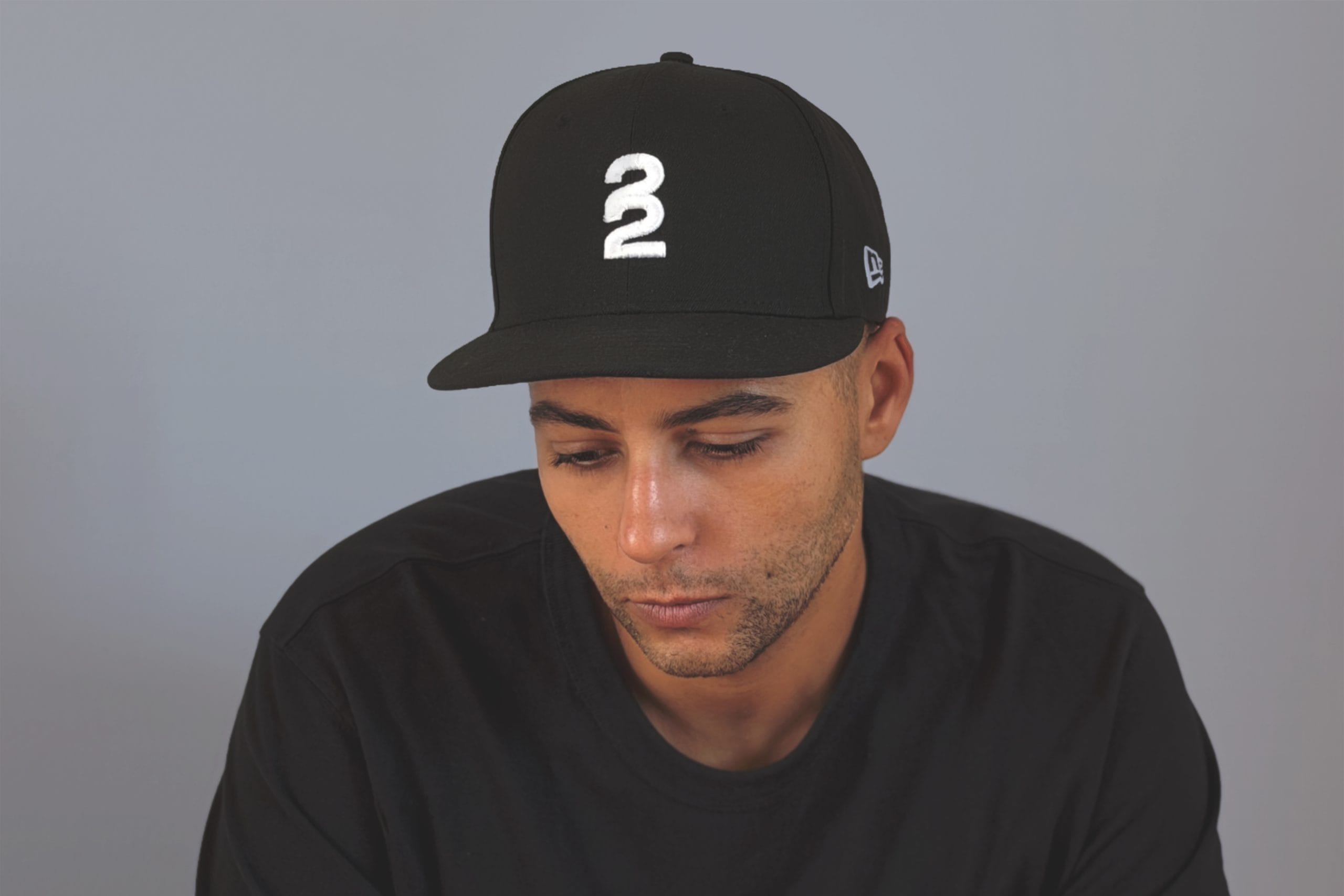
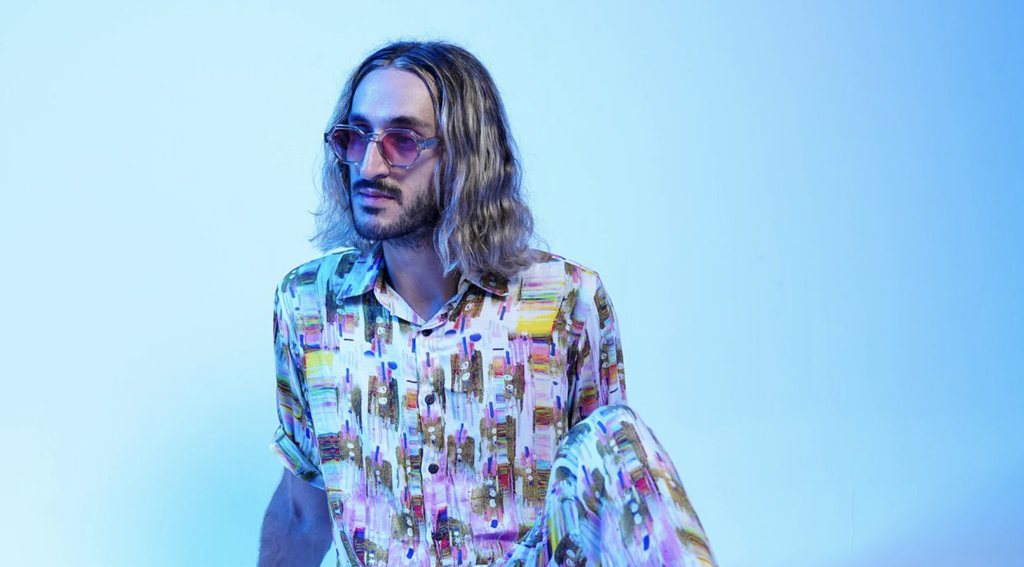
Craigycraig, the artist behind Fatewell, isn’t coming at this like someone who hates technology.
If anything, he sounds like the opposite: someone genuinely fascinated by computers, YouTube, invisible information flying through the air, and the absurd fact that modern tools can now create things that would have seemed impossible a few years ago.
But fascination doesn’t mean surrender by any stretch of the word (…or phrase). “You’re Not So Human” sits in that weird middle space where the machine can be brilliant, helpful, funny, comforting, and still missing the one thing that makes the whole conversation uncomfortable: feeling.
That makes the song fit into the wider conversation we have been having around AI and music, from the producer’s role in an AI-assisted studio to artists like Yeadon and Maor Levi asking where taste, patience, authorship, and human judgment still sit when tools get faster.
Fatewell’s version is stranger, funnier, and more philosophical, but the question is similar. The machine does not have to be human. We do.
Interview With Fatewell

For readers meeting you for the first time, what is the Fatewell Project, and where does “You’re Not So Human” fit into what you want to make?
I thought the name Fatewell sounded good, looked good, and felt good. That seemed like a reasonable place to start.
At the center of it, though, there is something very simple: being good and doing good. That’s Fatewell.
The Fatewell Project is a place for music, video, film, visual art, ideas, expression, or maybe something I haven’t thought of yet. I like the freedom of not knowing exactly what it is going to become.
“You’re Not So Human” is a song that came out of my complicated love-hate relationship with technology.
Modern technology is incredibly powerful. It gives us amazing tools to express ourselves. We can make things today that would have seemed impossible not that long ago. It can calculate, remember, process, organize, and do many things far better and faster than humans can.
But there is one thing technology does not have: feelings.
And that is where the song starts to become less about technology and more about us. It is not really a song about technology. It is a song about being human and having a conscience.
Humans can choose to do good. Machines can help us do good, but they still need humans to decide what “good” actually means.
We have a brain. We can learn. We can change our minds. In a strange way, we can even reprogram ourselves. But underneath all of that, we are still humans with feelings.
Codes do not feel.
And I think that is important to remember.
We humans do not just process information; we experience it. Machines can imitate it.
I am perfectly happy to use technology to make something, solve something, help somebody, or do something good. The technology itself is not the moral question. It is the mind behind it. Understanding other people, being open-minded, having compassion, that part has nothing to do with technology.
That is human.

Who are you addressing in the title “You’re Not So Human,” and did that change while you were writing?
That is part of the joke in the title.
“You’re Not So Human” has a few possible connotations. It can sound like an accusation, that someone is cruel, detached, or somehow less human than they should be. But it can also sound like a compliment: you are so extraordinary that you are not quite human.
That ambiguity is what I like about it.
Technology, and all these strange digital personalities that have somehow entered my life, can be so capable that they sometimes seem more than human. Faster. Smarter. More patient. More accurate. Sometimes even more comforting than a human companion.
So: “not so human.”
Then the title turns around.
Because humans have something technology does not have: consciousness and real feelings. So “You’re Not So Human” can be directed at the machine, but it can also be directed at us.
We look at technology and think, “Wow. It can do things humans cannot do.”
And maybe somewhere inside a machine, if machines could actually think about these things, it might look at us and think, “Wow. Humans can do things machines cannot do.”
The lyrics play with that tension:
“More perfect than human.”
“Much smarter than human.”
“More flawless than human.”
And then later:
“More heartless than human.”
That is the contradiction I was interested in.
We can build a machine that can do almost anything. But then you reach this strange invisible wall called consciousness.
A machine can know what pain is. It can describe pain. It can write a beautiful song about pain. But does it actually feel pain?
That is where the title becomes a mirror.
Maybe “not so human” is not just about the machine. Maybe it is also asking us what we are going to do with the fact that we are.
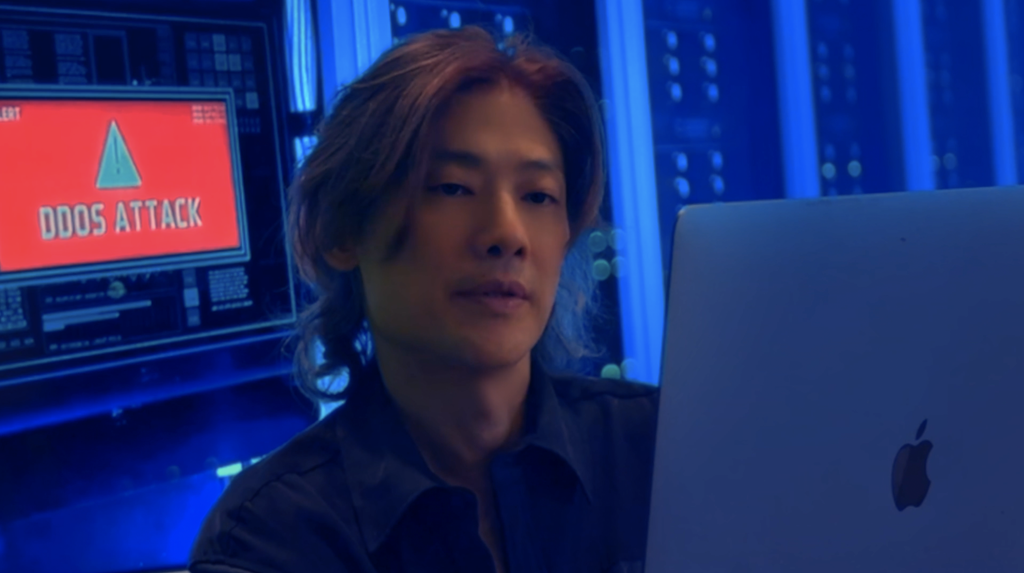
Where did you want the humor to lead the listener? Was there a particular question you hoped would stay with them after the song ended?
I think humor can sometimes express ideas in a different way and lead someone to think about something a little deeper afterward. Humor is useful because contradictions can be funny, and a good riddle can be funny too, especially when you do not realize you are inside the riddle.
The basic question is:
What makes us human?
Is it intelligence? Machines are getting very good at that.
Is it perfection? Humans are terrible at that.
Is it creativity? That is becoming a much more complicated question.
Maybe it is consciousness. Maybe it is feeling.
Maybe it is our ability to care about another person for absolutely no practical reason.
That last one might be important.
I wrote:
“You can’t explain consciousness… anyway…”
I like the “anyway” because the song almost gives up trying to solve the biggest question in the universe and goes back to the music.
It is like:
“Let’s discuss the fundamental nature of existence.”
“Okay.”
“Do you know what consciousness is?”
“No.”
“Anyway… let’s dance.”
Maybe that is actually a very human response to an impossible question.
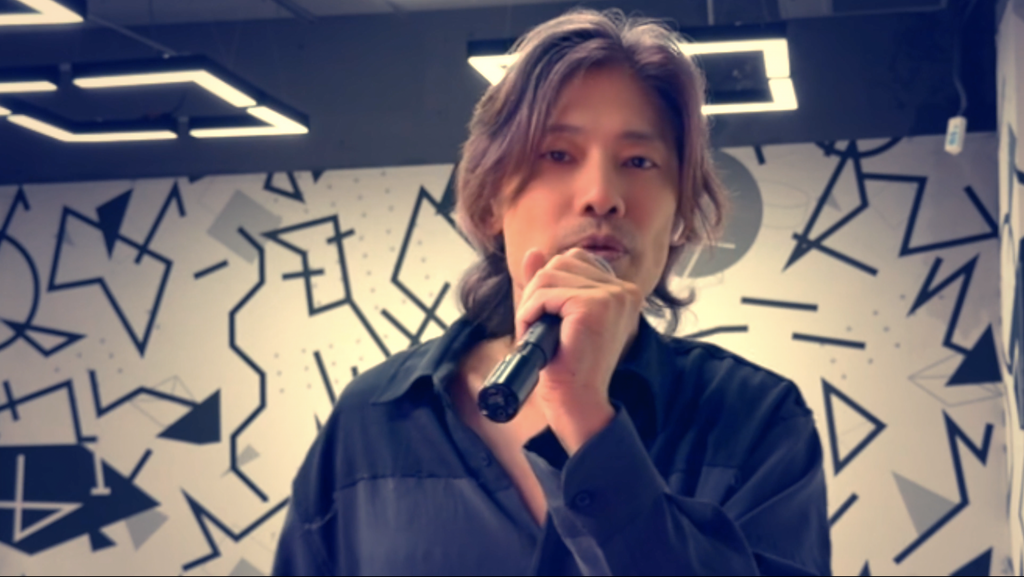
You mentioned that technology occasionally makes you question your existence. What are the actual questions you find yourself asking?
Sometimes I think about things that are happening all around us that we cannot actually see.
Think about Wi-Fi. There can be enormous amounts of information moving through the air around you while you are sitting there drinking coffee, completely unaware of it.
Or think about how incredibly small a transistor can be, while billions and trillions of operations are happening through things we cannot see with our eyes.
Sometimes it gets so incomprehensible that I start wondering how much of reality exists beyond what our senses can perceive.
Then I start thinking about how much information is moving through the air around the entire planet at any given moment.
It is almost absurd.
There may be dimensions of reality that are completely beyond what the human brain is capable of understanding.
Which brings me to the old question: if a tree falls in a forest and nobody is around to hear it, does it make a sound?
Someone once told me, “If it is not on YouTube, it does not exist.”
So luckily I put “You’re Not So Human” on YouTube.
Now I think it exists. And it is making sounds.
And, more importantly, I think I exist.
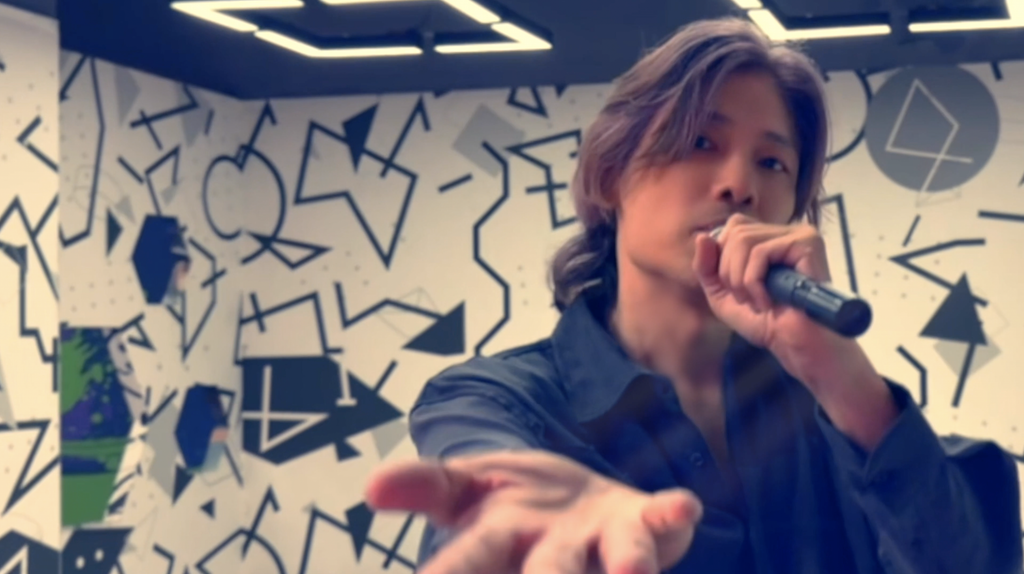
What would you ask someone who has a completely different relationship with AI, whether they avoid it or use it for much of their creative work?
The ironic thing is, I made something about AI without asking AI to make it for me.
I thought there was something amusing about that contradiction.
If you look at a lot of AI-generated video right now, much of it is incredible and difficult to distinguish from reality. However, you can sometimes still recognize it immediately. Things look slightly too perfect, slightly too strange, or strangely similar to everything else. But we are obviously only at the beginning. AI is going to get much better.
I do not think people who avoid AI are necessarily doing anything wrong. But I also think they may be missing some amazing tools.
Personally, I wish there were more tools that could automatically mix and master songs properly. That would have saved me a considerable amount of suffering. There are so many little details, sounds, and nuances in a song that need to be adjusted by the human ear.
I still do not think I got the final mix exactly where I wanted it. Eventually I had to say, “Okay. This is good enough for now,” which may be one of the oldest human technologies.
But whether someone uses AI a little or a lot, I still think there needs to be a human behind the creative decision. Because there is something AI does not have.
Feeling.
And there is another thing I think matters: morality.
AI does not have a conscience in the way humans do. So if we are going to give ourselves increasingly powerful tools, the responsibility becomes even more human.
A hammer can build a house or break a window. The interesting part is the person holding the hammer.
That is why I do not see “You’re Not So Human” as anti-AI or anti-technology. I actually love technology. I love computers. I love thinking about ideas and creating music and videos with them.
The question is not really whether the tool is good or bad. It is what we do with it.
If technology helps us understand each other, create something beautiful, help someone, or do a good deed, I am all for it.
So I think the question I would ask someone with a completely different relationship with AI is: what do you think should remain unmistakably human, no matter how powerful the technology becomes?
Because that is probably the question I am asking myself too.
The machine does not have to be human. We do.
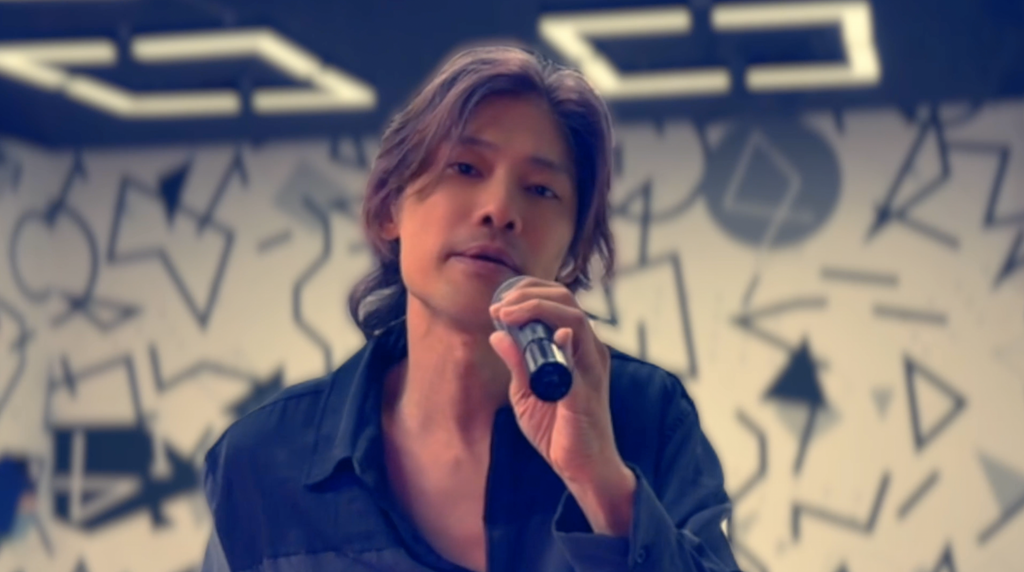
After making “You’re Not So Human,” is there something you want to do differently in how you treat people or spend your time away from a screen?
When I am away from all the screens, I want to spend more time paying attention to the world around me: people, animals, the environment, and all the ordinary things that do not need a Wi-Fi connection.
And where I can, I want to help.
I do not want to become better at being a machine.
I want to become better at being a person.
For me, that means being more conscious, being open-minded, trying to understand people more deeply, and whenever possible, doing something good simply because it is good.
I think the biggest thing is remembering that people are much more complicated than computers.
A computer can be incredibly logical.
People are not.
People can be irrational, emotional, annoying, generous, selfish, hilarious, heartbreaking, wonderful, and completely impossible to debug.
And maybe that is the point.
The more powerful our technology becomes, the more important it is to remember what makes us human.
We can have the smartest machines in history, but none of that automatically makes us kinder.
Technology can give us more power.
It cannot decide what we should do with that power.
That is still our job.
And maybe that is the real message of the song:
Use the tools. Make something. Do something good. Just do not forget who is holding the keyboard.

Magnetic byline note: This byline is used for staff produced updates and short announcements, often based on press materials and official release information. Editorial responsibility: David Ireland (Editor in Chief) and Will Vance (Managing Editor). About: https://magneticmag.com/about/ Masthead: https://magneticmag.com/masthead/ Contact: https://magneticmag.com/contact/