One of the most frustrating things about learning music production is realizing that getting better at using your equipment doesn’t necessarily mean you’re getting better at deciding what music you want to make. You can spend years learning synthesis, arrangement, mixing, and all the other technical aspects of producing records, and still find yourself constantly reaching for reference tracks because you’re unsure what direction to take.
I see this a lot with newer producers who have a pretty decent understanding of their DAW but haven’t spent nearly as much time figuring out their own musical preferences. It’s an interesting distinction because having the ability to recreate something you admire and knowing what you personally want to create are two different skills.
Purchase The Track On Beatport Here
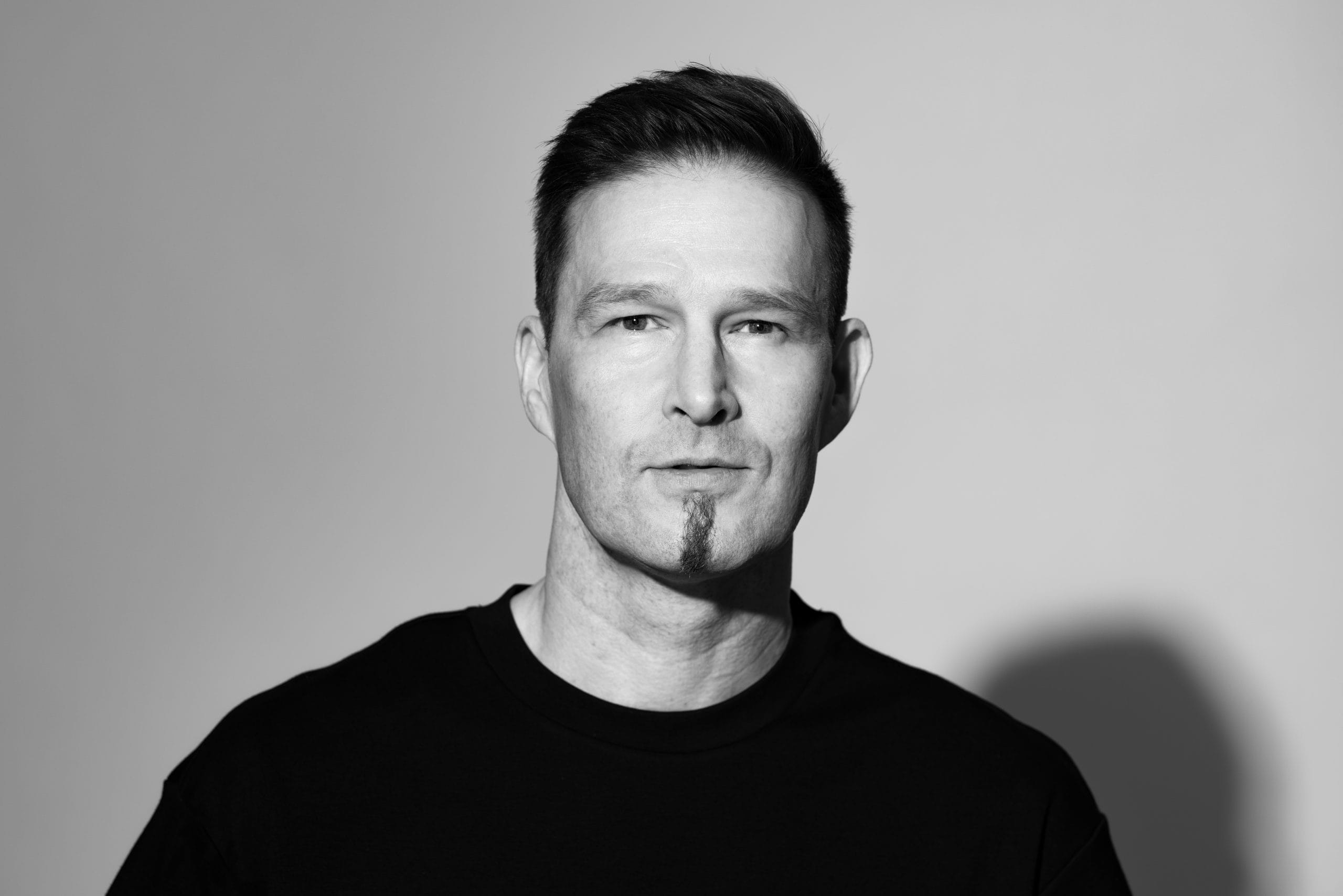
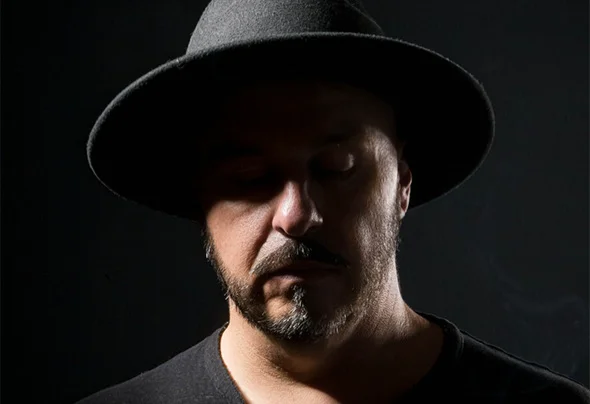
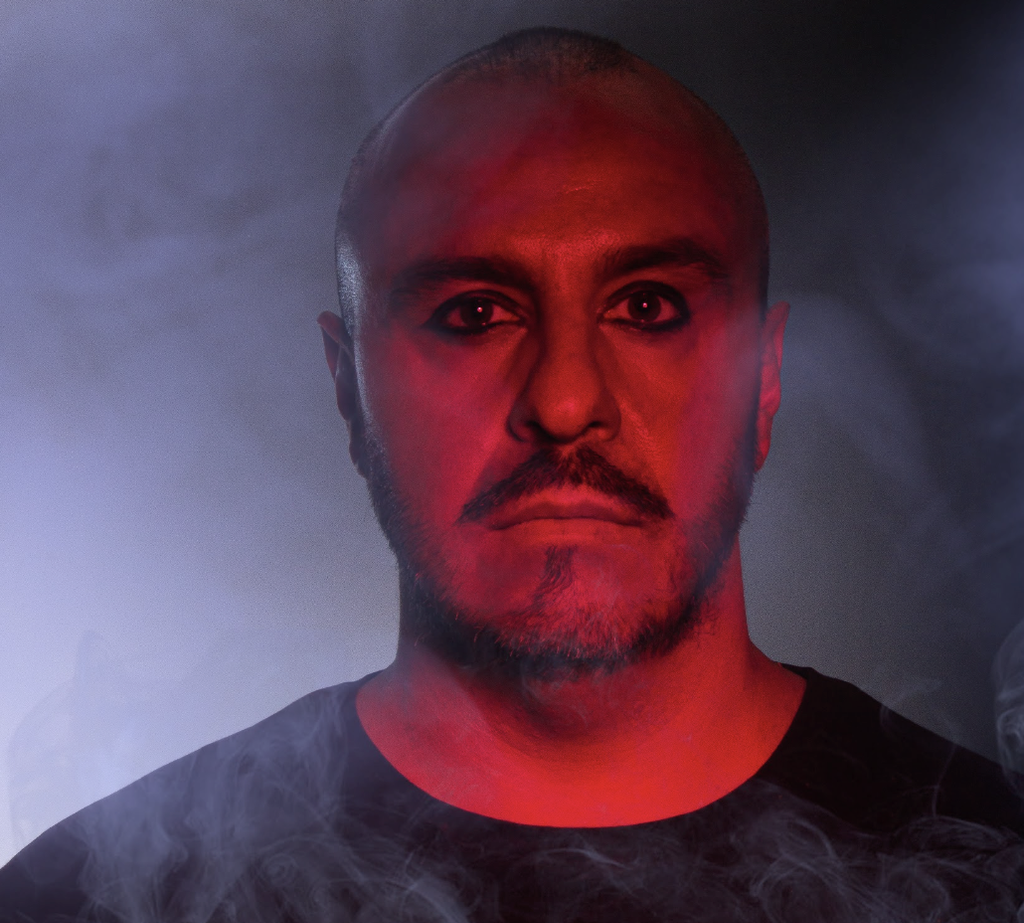
Chilean producer Diego Miranda (CH) (@diegomirands) has spent years developing that understanding through DJing, hardware experimentation, and releases across progressive house, organic house, and melodic electronic music. Originally from Santiago, Miranda spent part of his earlier career DJing in Barcelona before returning to Chile and concentrating on his own productions, eventually releasing music through labels including Sound Avenue, Take Away, Boys & Girls Records, and Café De Anatolia.
His latest single, “Love Odyssey,” arrives October 30 on our label, Magnetic Magazine Recordings, and after exploring his studio process with Magnetic in a previous feature, I wanted to hear how he thinks about the decisions behind the music rather than focusing exclusively on the equipment.
The conversation covers how producers develop their own taste when they’re constantly exposed to new music, how influences become part of an identifiable artistic direction, and why studying another artist’s production doesn’t necessarily mean copying it. Miranda also talks about how his personal experiences and the communities he’s participated in have influenced his preferences, along with the role hardware continues to play in developing his musical judgment.
One of his more interesting observations concerns how quickly producers can learn the technical aspects of making music compared with the time it takes to develop the ability to recognize what they actually like. It’s something I think producers at nearly any level can relate to, especially when they’re deciding whether a new idea is worth finishing or whether it simply resembles something they’ve been listening to recently.
Interview With Diego Miranda (CH)
1. With references, playlists, tutorials, and algorithms everywhere, how do producers learn what they actually like?
By noticing what they keep coming back to, not what they simply consume. The algorithm will happily feed you 500 tracks a week, and you’ll “like” most of them in the moment. Real taste shows up in repetition: the track you replay at 2 a.m., the one you keep opening in Ableton just to study the low end. For me, a big part of it happens at the hardware.
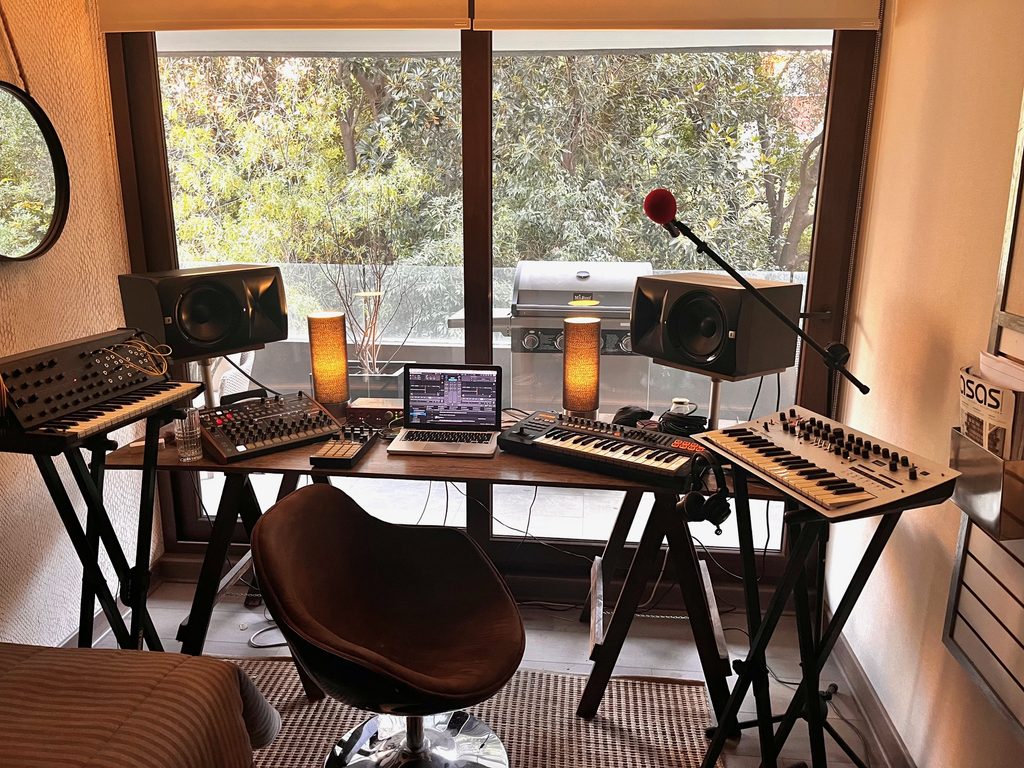
When you’re playing a line on the Roland A-300 and sweeping the filter on a Moog Subsequent 37, or programming a pattern on a DrumBrute, you find out fast what makes you lean in and what leaves you cold. I always tell artists to keep a private folder of music that moved them and look for patterns after a few months. Is it the space in the mix? The slow-building tension? A certain kind of melancholy?
Taste is less about genres and more about the feelings you keep chasing. And step out of the feed once in a while: dig through labels, listen to full albums, go to shows. Anything that takes effort tends to stick.
2. When an artist’s influences are clearer than their own direction, what should they do next?
First, relax. It’s a normal stage, and honestly a healthy one.
Then, finish more music. Direction rarely arrives through thinking; it shows up through volume and hands-on work. The more you finish, the more you notice what’s consistently yours: the way you build a groove, the chords you always lean on, the mood you fall into without trying. I’d also say, build your own sounds.
When you design a patch from scratch, even an imperfect one, it carries your fingerprints in a way a preset never will. A raw, slightly unruly oscillator on a Korg MS-20 will teach you more about your own taste than a hundred perfectly polished sample packs. Then blend your influences in unexpected ways, like an organic house pulse with a darker melodic techno bassline, or an indie dance vocal over something more hypnotic.
The overlap is usually where identity starts. And get honest feedback from people who know you and the scene, paying attention to which tracks they remember.
3. Studying other music can help. When does it turn into copying?
Studying is asking “why does this work?” Copying is asking “how do I get this exact result?”
If you’re analyzing the tension in a breakdown, how a bassline moves, or how a track breathes over eight minutes, and then applying those ideas through your own sound design and your own decisions, that’s learning. If your track could be mistaken for the reference, with the same sound palette, arrangement and melodic shape, you’ve crossed the line. A good check: take the reference away and ask what’s left that’s you.
When you build every sound yourself, from the synth patch to the drum programming, that question answers itself pretty quickly, because the palette is already personal. Everyone borrows; the craft is in transforming what you borrow.
4. Outside of technical skill, what shapes personal taste?
Life, basically. Where you grew up, what your parents played at home, the first club that blew your mind, the people you danced with, the places you’ve traveled, even the films and art you’re drawn to. Emotional memory plays a huge role: certain sounds feel right because they’re tied to a moment, a summer, a person.
Your environment matters too, from your friend circle to the scenes you belong to. I’ve seen artists change completely after moving cities or finding a new community. Taste isn’t built in the studio alone. It’s built from everything you let affect you, and that’s something only a human life can bring to a track.
5. Why does taste often take longer to develop than production ability?
Because production is a skill and taste is a point of view.
Skills can be learned relatively fast: there are tutorials, courses and clear techniques for almost everything. Taste has no shortcut. It comes from experience, from listening deeply, making mistakes, and slowly discovering what you can’t stand behind. There’s also a gap that frustrates a lot of producers: your ear develops faster than your hands, so you hear that something’s off before you know how to fix it. Working with hardware makes that gap very real, because there’s no undo button on a knob you’ve just turned too far, and you learn from it.
Closing that gap takes time, and it’s uncomfortable. But that discomfort is a good sign. It means your standards are growing, and eventually your taste and your technique meet in a sound that’s unmistakably yours.
Final Thoughts From The Editor
I think the most interesting thing Miranda says in this interview is that your ability to recognize what you like can develop faster than your ability to produce it.
I’ve experienced that gap plenty of times myself, and it’s particularly frustrating when you can identify exactly what isn’t working in a track but don’t yet understand how to fix it. You might know that the bass doesn’t interact with the drums the way you want, or that a particular synth patch lacks the character you were hoping for, without knowing which production decision would actually improve it.
I think that’s an important part of learning because having enough experience to identify the problem is already a form of improvement, even if you haven’t developed the technical ability to solve it immediately.
Miranda’s recommendation to keep a private folder of music you continually return to is particularly interesting because it gives producers a way to examine their preferences over time. There’s a difference between hearing a record and enjoying it for a few minutes and finding yourself returning to that same record repeatedly because there’s something about the arrangement, production, or emotional character that interests you.
I discussed a similar consideration in my interview with Totally Enormous Extinct Dinosaurs about taste and creative habits, where he talked about recognizing the music that genuinely interests you instead of responding to whatever happens to be popular. In Miranda’s case, he’s recommending that artists document those preferences and examine what the recordings have in common.
I think there’s real value in that because patterns become easier to identify when you’re comparing music you’ve selected over several months instead of relying on whatever you’ve listened to most recently.
I also appreciated that Miranda considers experiences outside the studio part of developing musical taste. We covered a related subject in our interview with Mundos Sutis about their musical backgrounds and influences, where the duo discussed how growing up in different countries, playing instruments, and participating in local electronic music communities influenced their approach. Miranda’s background offers another example, particularly his time DJing in Barcelona before returning to Chile to concentrate on making music.
Those experiences don’t automatically determine how somebody’s records will sound, but they can affect the music they listen to, the artists they encounter, and the decisions they eventually make when producing their own material.
The bigger lesson I take from this conversation is that developing taste requires spending enough time making decisions to understand which ones actually represent your preferences. Technical knowledge can help you execute an idea, but deciding which ideas deserve attention comes from listening, experimenting, finishing music, and examining what you consistently respond to. Miranda’s advice is a reasonable reminder that producers shouldn’t expect an identifiable sound to appear simply because they’ve learned another production technique or purchased another instrument.
The equipment can help you explore different ideas, but recognizing which ones are worth developing is something you learn through experience.

Will Vance is a professional music producer who has been involved in the industry for the better part of a decade and has been the managing editor at Magnetic Magazine since mid-2022. In that time period, he has published thousands of articles on music production, industry think pieces and educational articles about the music industry. Over the last decade as a professional music producer, Will Vance has also ran multiple successful and highly respected record labels in the industry, including Where The Heart Is Records as well as having launched a new label with a focus on community through Magnetic Magazine. When not running these labels or producing his own music, Vance is likely writing for other top industry sites like Waves or the Hyperbits Masterclass or working on his upcoming book on mindfulness in music production. On the rare chance he's not thinking about music production, he's probably running a game of Dungeons and Dragons with his friends which he has been the dungeon master for for many years.