Anyone who’s run a record label knows how much of the A&R process happens before you even press play. Producers send long biographies, folders with twenty unfinished tracks, broken download links, and emails that could have gone to fifty other labels without changing a single word.
I’ve written about this before in my article on how to send demos to record labels, and after years of receiving submissions myself, I think a surprising number of producers still overlook how much the initial email tells a label about the person sending it. The music will ultimately determine whether somebody wants to sign the record, of course, but getting that music heard shouldn’t be the difficult part.
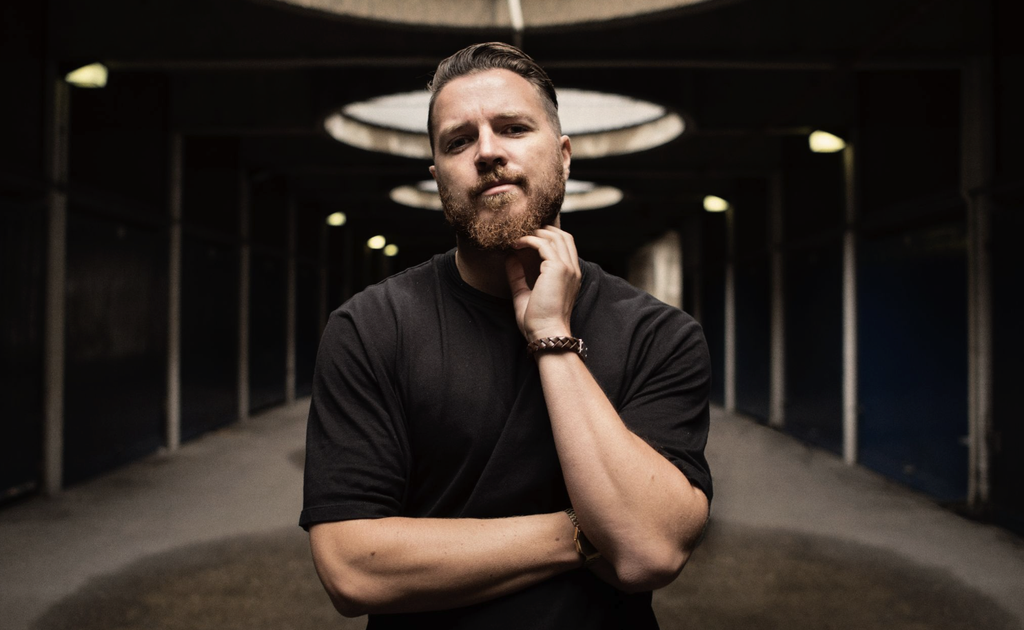
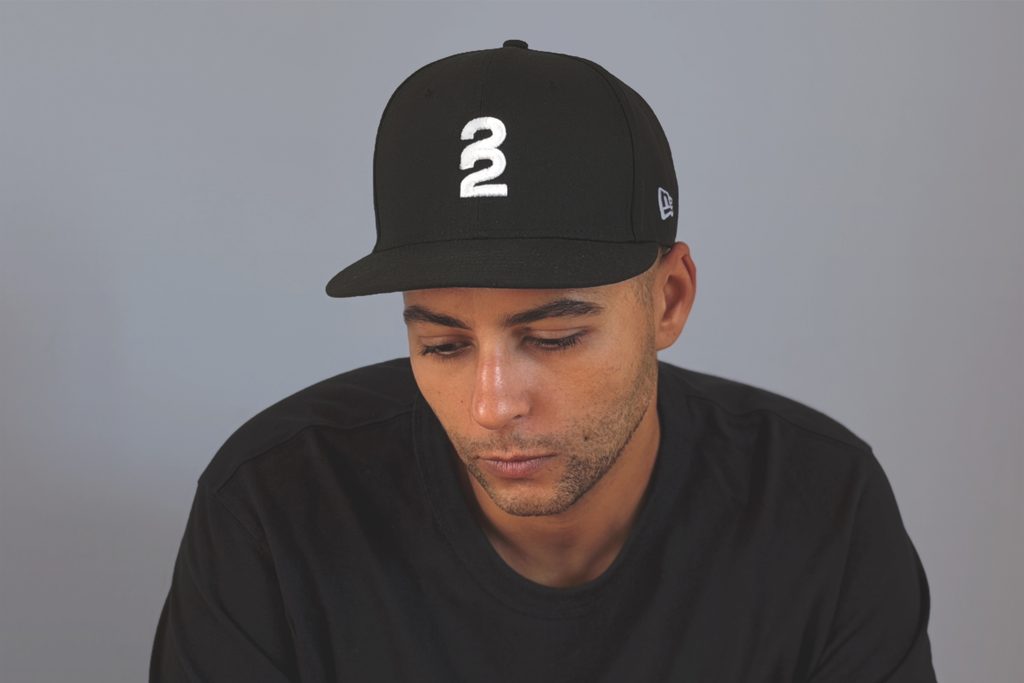
That’s particularly relevant to Raamo, the new Berlin-based label founded by Italian artists Cioz (@cioz_) and Corpino, whose working relationship began over a decade ago when they met at university and established Knobs Bergamo, a project connecting electronic music with live performance.
The new label builds on that history, with illustrator Daria Rosso developing its visual identity and collaboration and personal relationships informing its creative direction. Cioz, who has previously released music on Crosstown Rebels, Get Physical, and Monaberry, introduced the imprint on October 16 with his Amazed EP. The three-track release features two originals, “Amazed” and “Raamata,” alongside an Enamor remix of the title track.
With a new label comes the opportunity to establish exactly what kind of artists you want to work with, and I was interested in hearing how Cioz approaches that decision from the A&R side. His answers cover everything from how many tracks an artist should send and what should go in the accompanying email to the label’s stance on AI-generated music and why a personal introduction still matters in an increasingly automated industry.
The conversation also consistently emphasizes how much consideration artists should give to the people receiving their music. For producers hoping to get Raamo’s attention, Cioz offers a pretty specific explanation of what the team wants to hear and how they prefer to receive it.
Interview With Cioz

When a demo lands in your inbox, what do you want to see there?
Hello!! So, definitely artist name + DEMO in the subject is already a great start. Then ideally, a private SoundCloud link with downloads enabled, so we can listen properly and easily come back to it. We like submissions that are simple and direct, without too many links or a wall of information around them.
It also helps if the music feels like it was actually sent to Raamo specifically, rather than being fired out to half the internet. Ideally, the track hasn’t already been sitting online for months with 2,000 plays either. It’s always nicer hearing something that still feels fresh and getting the feeling you discovered it a little early.
What does an artist need to send along with the track?
A short introduction is enough. Just tell us a little about who you are, what you are doing musically, and why you think the music could fit Raamo. We definitely don’t need your full life story or a three-page biography. A few personal words are usually much nicer than a perfectly polished press text anyway.
Good manners always help too, because there are people on each side of the inbox. We like getting the feeling that the artist actually knows the label and genuinely wants to be part of what we are building, rather than just ticking another address off the demo list.
What are some things that can make a submission harder to deal with?
Sending twenty tracks at once definitely makes things harder. Weird download links, huge attachments, expiring folders, or links that need three accounts and a password to open are also not ideal.
Music that feels clearly AI-generated is a straight no for us. We want to hear the artist behind the music, their ideas, choices and personality.
Another thing is coming in a little too convinced that we are definitely going to love the music or that the release is basically already agreed. Confidence is great, but a little openness goes a long way. The track might be amazing, but it still needs to fit the label and the little universe we are trying to build around it.

Do you want much background on the track, or do you mainly want to hear the music?
A little background is always nice, especially if there is an interesting story behind the track or something that helps us understand where it came from. But ultimately the music has to speak for itself. We don’t really want to read three paragraphs explaining why a track is good before pressing play.
Usually within the first listen we already get a feeling for whether there is something there for us. The story becomes much more interesting once the music has already caught our attention. So give us enough to make it personal, but let the track do most of the talking.
Is it better when an artist sends one or two tracks that feel ready instead of dropping a whole folder on you?
No, definitely send the entire hard drive! The more the merrier! 😉
Jokes aside, one or two really good tracks are much easier for us to focus on and usually make a much better first impression. If those tracks connect with us, we’ll happily ask to hear more. A small selection also shows that the artist has already thought about which music represents them best and which tracks might actually fit Raamo.
About Cioz’s Amazed EP On Raamo
Released on October 16, 2026, Amazed marks the first release from Raamo and introduces the musical direction Cioz and Corpino are establishing for the imprint. The title track incorporates harmonic keys, pan drums, synthesizer textures, and warm bass, while “Raamata” takes a more percussion-focused direction with an emphasis on low frequencies and Afro house influences. Enamour completes the three-track package with his “Astral Voyage Remix” of “Amazed,” bringing guitar elements and syncopated synthesizers into the arrangement, with influences associated with early 2010s progressive house.
The EP also gives the label a starting point for the music it intends to release moving forward. With Cioz’s established recording history and the founders’ earlier experience developing Knobs Bergamo, Raamo enters its first release with an existing working relationship behind it and a stated interest in finding artists who want to participate in that collaborative approach.
Final Thoughts From The Editor
The thing I kept coming back to while reading Cioz’s answers was how much of a demo submission is really about demonstrating that you would be a reasonable person to work with. I think producers sometimes get so concerned about whether a track is good enough to get signed that they forget the label is considering the relationship that comes with releasing it.
If I’m going to spend the next several months discussing artwork, deadlines, promotional materials, distribution, and possible revisions with somebody, how they communicate before we’ve agreed to anything can tell me quite a bit.
There is also an interesting distinction here between finding music you like and finding music that belongs on the label you’re trying to develop. In my interview with Sondela about A&R and building Afro-electronic artists, the discussion covered similar territory, including how artists present their music, why communication matters, and how a signing can develop into a longer working relationship. The exact recommendations are different, particularly when it comes to how many tracks to submit, which I think is an important point in itself. Producers often look for one universal formula for getting signed, when the person receiving the music might have a very specific idea about what they want, how they listen, and what they are trying to accomplish with their catalog.
This also came up in our conversation with Where The Shadow Ends about running an independent label, where the volume of incoming music and the difficulty of finding appropriate releases were recurring concerns. There is no reason to assume an artist understands the label’s direction simply because their music falls under the same broad genre, and taking five minutes to listen to its existing releases before writing an email seems like a reasonable expectation.
Cioz’s comments about AI-generated music add another consideration, and I think his position is worth separating from the wider discussion about whether artificial intelligence has a place in music production. He’s describing what Raamo wants to release, and his emphasis is on hearing decisions and personality that he can associate with an individual artist.
You don’t need to convince somebody that the record is incredible before they’ve had a chance to hear it, and you certainly don’t need to send your entire catalog to prove how productive you’ve been.
The decision to sign a record will still come down to whether the music suits the label, but it’s sensible to start by considering the people receiving it.

Will Vance is a professional music producer who has been involved in the industry for the better part of a decade and has been the managing editor at Magnetic Magazine since mid-2022. In that time period, he has published thousands of articles on music production, industry think pieces and educational articles about the music industry. Over the last decade as a professional music producer, Will Vance has also ran multiple successful and highly respected record labels in the industry, including Where The Heart Is Records as well as having launched a new label with a focus on community through Magnetic Magazine. When not running these labels or producing his own music, Vance is likely writing for other top industry sites like Waves or the Hyperbits Masterclass or working on his upcoming book on mindfulness in music production. On the rare chance he's not thinking about music production, he's probably running a game of Dungeons and Dragons with his friends which he has been the dungeon master for for many years.