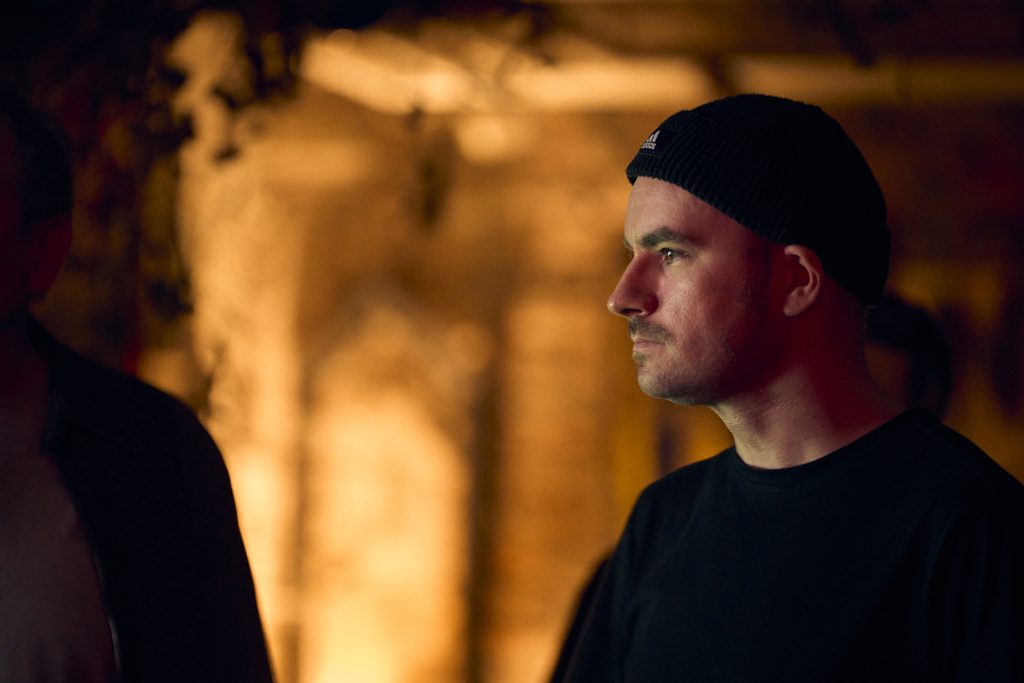
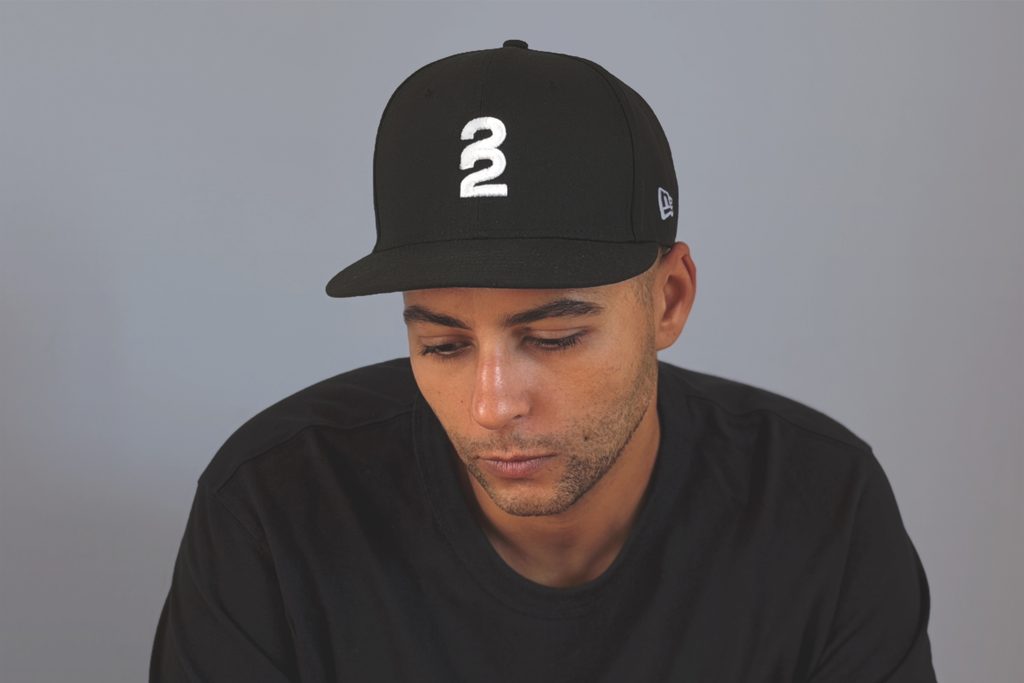
Many producers talk about taste like it’s a fixed thing you either have or don’t, which is usually where the conversation gets boring. Devstar (@devstar_dj) comes at it from a better angle. He is less interested in taste as an external standard and more interested in whether the record feels connected to the person making it.
That is a much more useful place to start, especially for a producer whose new Lost In Space EP pulls from UKG, bass pressure, rough low-end movement, and the kind of looseness that can disappear fast once a track gets polished too heavily.
That also helps explain where the EP sits in the Make You Move Records catalog.
Devstar co-founded the label with Timmy P in 2020, and Lost In Space brings him back to the imprint after last year’s Rinse Out EP and this summer’s Love Don’t Need on SPIL Records. The two originals, “Wormhole” and “The Way,” lean into skippy drums, warped bass, clipped vocal touches, and enough grit to keep the tracks feeling worked by hand rather than programmed into stiffness. Scott Diaz and Mees Mattern both pull those ideas into their own lanes on remix duties, giving the package more range without losing its club-first logic.
The interview below gets into the producer brain behind those choices.
Devstar talks about ignoring the idea of “right” taste, playing vocal chops on the MPC, keeping rough takes when they feel better than corrected ones, stepping away from a track before overworking it, and bouncing drums out so he can reverse, cut, and damage them into something less predictable.
It is a very practical conversation, but the bigger idea is simple enough: records usually get better when the producer knows when to leave the life in.
Interview With Devstar

What parts of making music do you think still come down to instinct and taste?
I really don’t care about “taste” because it’s subjective and specific to every individual. Who’s to say what’s right or wrong? There are genres I dislike that other people love, and vice versa.
For me, it’s not about making music to fit a perceived taste. It’s about making and releasing music that connects with you. Instinct and genuine expression of what’s inside you, based on your musical and life experiences, is the way to make music.
I’ve found that when I’ve made something I genuinely love, you tend to find the people who connect with it too.
How much does the way you physically play or interact with an instrument affect the finished record?
I can’t properly play an instrument per se, but I do think it’s really important to physically play in sounds and melodies when writing music. I particularly love playing vocal chops on the MPC, or finding unique one-shots to play in a sampler.
It comes back to expressing yourself and being playful when writing a record. Clicking notes with a mouse serves a certain point in finishing music, but for me, the idea’s origin comes from physically playing around, experimenting with hitting buttons, trial and error, and seeing what comes out.
Eventually, but not always, something good tends to reveal itself.

When do you know that a rougher take is the right one for the track?
Does it feel good? Yes or no.
Quite often I’ll write a melody or musical idea that I’m feeling, then I’ll quantize it and it sounds dreadful. I think we’re all guilty of this now that music has become so technologically advanced and can be made very precisely.
There’s something really interesting about how producers are trying to bring back the imperfections of older recordings and equipment: early or late hits, untidied notes, accidental ghost notes, roughness and little imperfections that make a recording feel human.
I try to remember that music is supposed to be imperfect.
Where do producers risk polishing a record so much that they remove what made it personal?
I’m definitely guilty of this. You get the raw bones of a track down really quickly, maybe in the first hour, and think, “I’ve pretty much made the track here,” only to still be working on it two weeks later.
I’m trying to bring myself back to the 80/20 rule and remembering you don’t necessarily need to keep adding things to make up the final 20%.
It’s good to step away and come back to it after a few days. Try to simulate hearing it for the first time again. I keep reminding myself that more work on a track doesn’t always equal a better track.
These days I’m challenging myself to make music with as few tracks and as little channel processing as possible.

Which smaller choices tend to have the greatest effect on a track, whether that comes down to timing, phrasing, edits, arrangement, or knowing when to leave something alone?
Making music is essentially thousands of small choices, but at every step I try to think: does this add to the track? If it’s “no” or “don’t know,” I try not to force it in.
Sometimes this is hard, as you might really love a sound, but it just doesn’t work in a particular project. I also like to mute sounds as I’m listening back. Often that can make space or reveal the true essence of the music and help identify sounds that are not, or no longer, required.
On a more technical side, one small change I’ve made to my production in recent years is bouncing my drums out and messing them up a bit. This is great for creating different edits of the drum pattern for different sections.
I particularly love reversing drums and mixing those into the existing groove. It makes them feel more alive and unpredictable. It’s a small extra thing I think about in most projects now that’s had quite a big impact in my music.

Closing Thoughts From The Editor
The most useful part of Devstar’s answers is that he does not over-romanticize instinct. He is not saying the first idea is always sacred, and he is not pretending roughness automatically makes something better. He is saying the producer has to keep checking whether the work is helping the track or slowly sanding away the reason it worked in the first place.
That sits close to Greggio’s interview on keeping the groove feeling human. Greggio talked about the danger of fixing the life out of a record, and Devstar’s answer about quantizing a melody until it sounds dreadful lands in the same place. Modern production makes correction easy. The harder skill is knowing when the correction made the part worse.
The 80/20 point is probably the most practical line here. Every producer knows the feeling of making the best part of a track in the first hour, then spending the next two weeks trying to justify the time spent after that. Sometimes the record needs that work. Sometimes the work is just anxiety in a better outfit.
That connects with Maor Levi’s interview on why speed is not taste.
Maor was talking about speed, tools, and judgment, but the overlap is clear: faster decisions are only useful when the producer still knows what is worth keeping. Devstar’s answer adds the other half. Slower work is only useful when it actually makes the track better.
That is also why Yeadon’s interview on progressive house in the AI era feels relevant here. Yeadon’s point was about keeping the artist inside the record as technology gets better at offering shortcuts. Devstar is working from a more tactile angle, but the concern is similar. The tool can help finish the track, but the record still needs some evidence of the person behind it.
That is the broader lesson in this interview.
Good records are not built from one giant decision. They are built from hundreds of smaller ones: when to quantize, when to leave it loose, when to mute a sound, when to print drums, when to reverse something, when to step away, and when to admit that more work has stopped meaning better work.
Devstar’s Lost In Space EP sounds like a producer leaning into those decisions with enough roughness left in the room to keep the tracks moving

Will Vance is a professional music producer who has been involved in the industry for the better part of a decade and has been the managing editor at Magnetic Magazine since mid-2022. In that time period, he has published thousands of articles on music production, industry think pieces and educational articles about the music industry. Over the last decade as a professional music producer, Will Vance has also ran multiple successful and highly respected record labels in the industry, including Where The Heart Is Records as well as having launched a new label with a focus on community through Magnetic Magazine. When not running these labels or producing his own music, Vance is likely writing for other top industry sites like Waves or the Hyperbits Masterclass or working on his upcoming book on mindfulness in music production. On the rare chance he's not thinking about music production, he's probably running a game of Dungeons and Dragons with his friends which he has been the dungeon master for for many years.