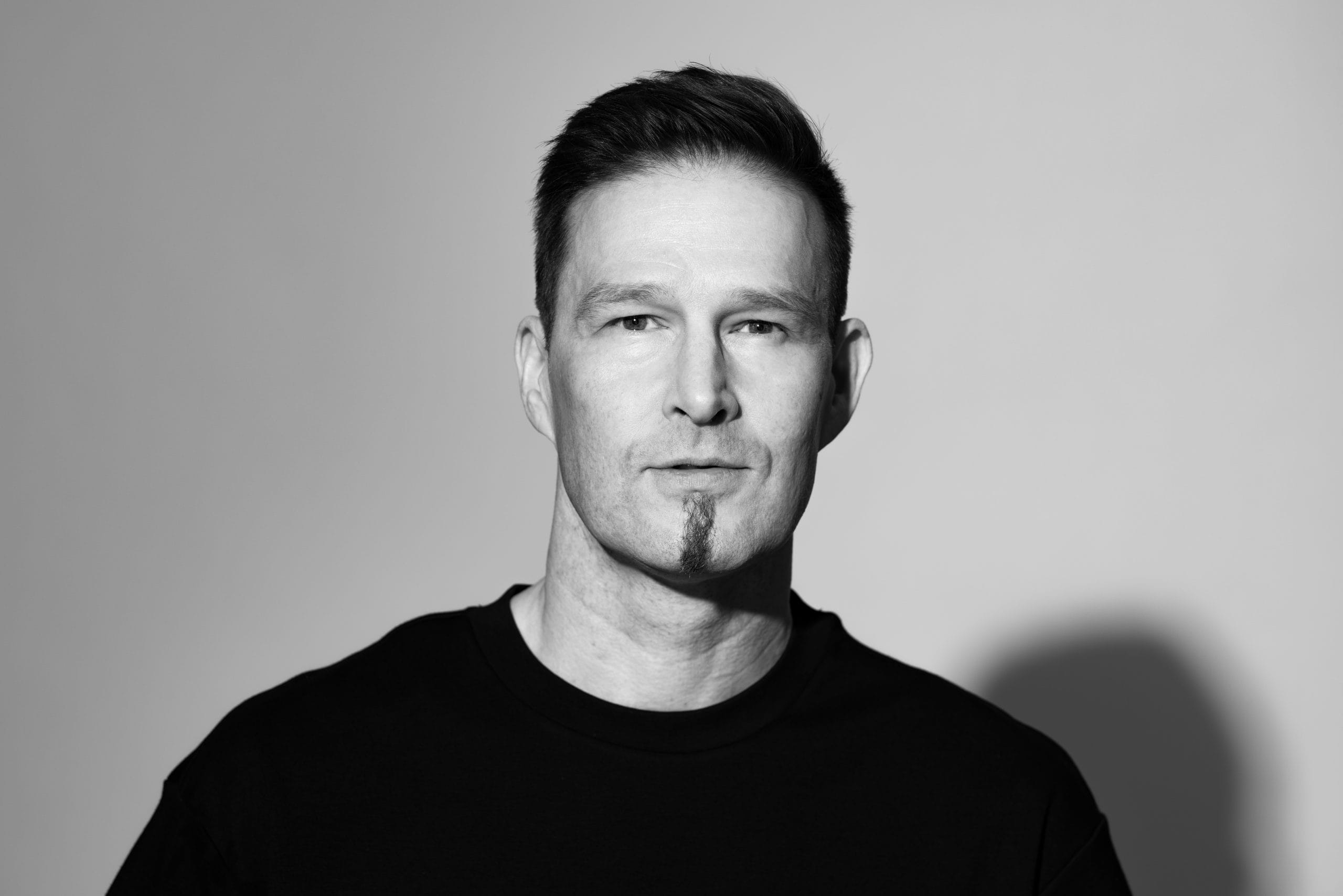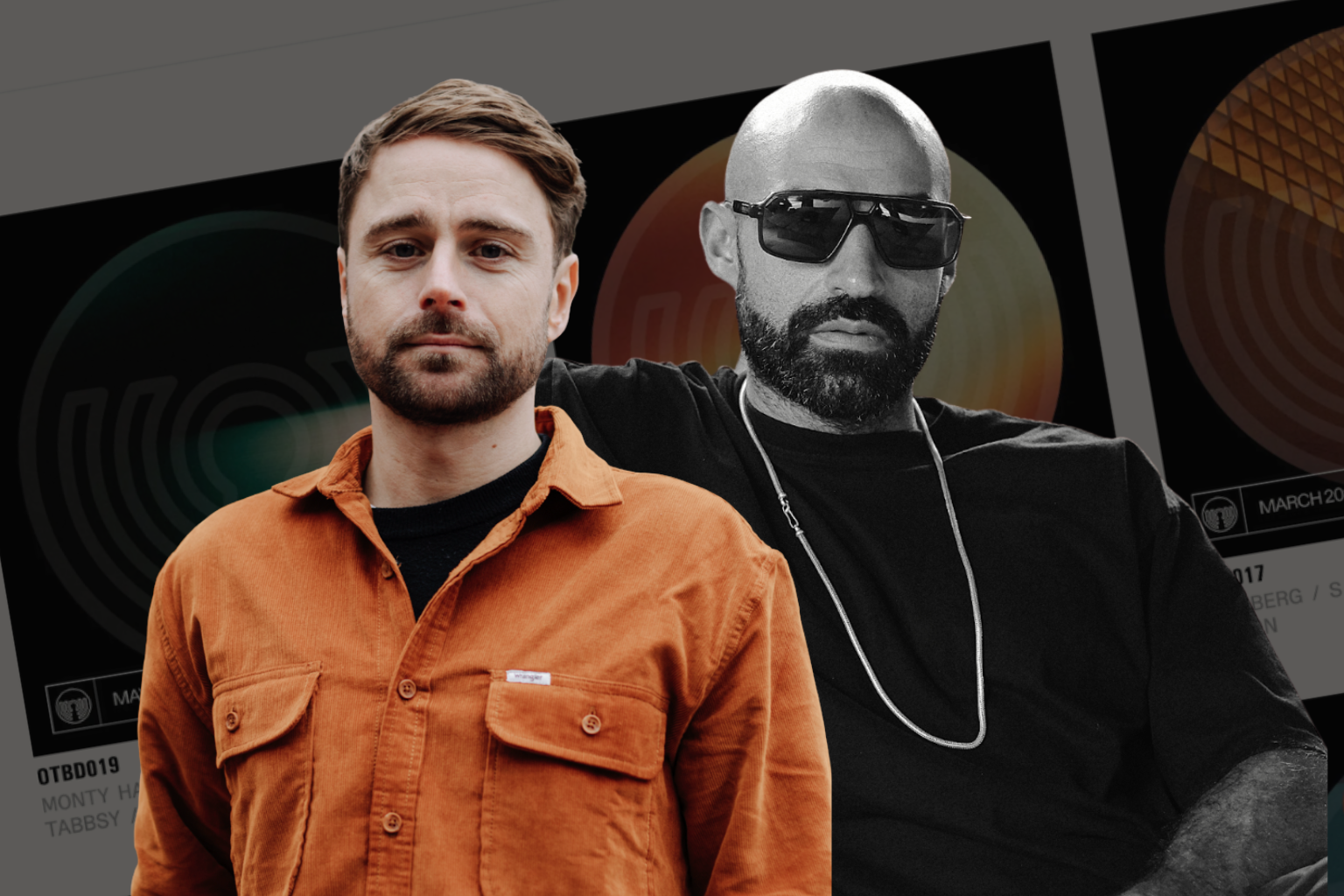
Frankfurt-based house outfit Chasing Kurt first emerged in 2010, making their name with a soulful, vocal-led take on deep house. Originally a trio comprising Wojtek Kutschke, Pascal Blanché and Lukas Poloczek, they gained early recognition when Maya Jane Coles included ‘Money’ on her DJ-Kicks mix, before releasing their debut album From The Inside on Suol in 2013. The album’s title track went on to receive a string of remixes through Defected, establishing itself as something of an underground favourite.
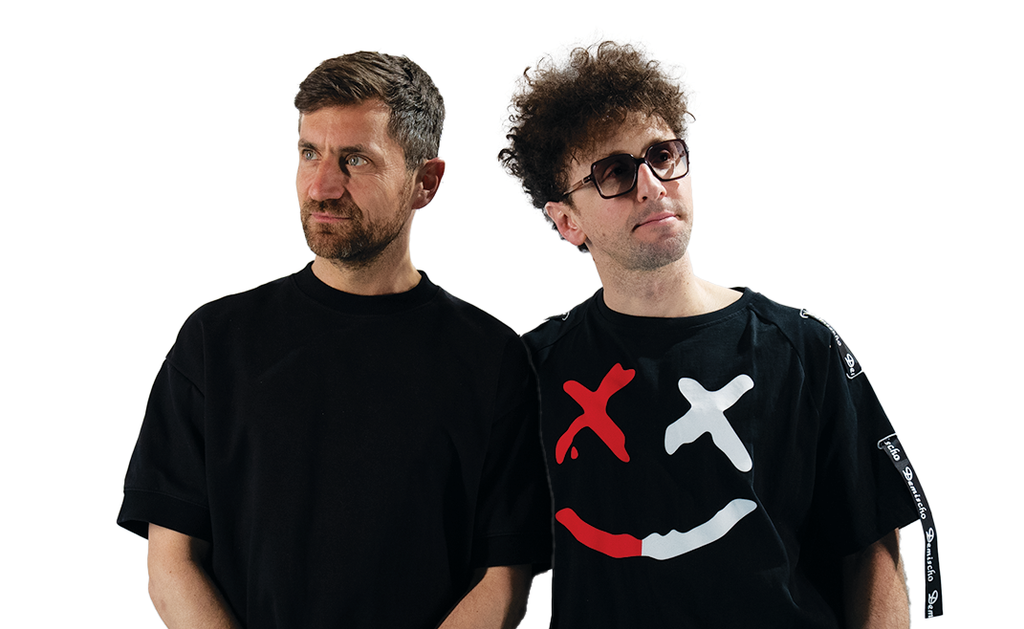
Now operating as a duo, with multi-instrumentalist Vince Master joining founding member Wojtek, Chasing Kurt are enjoying a productive new chapter. Their latest single ‘Maybe’ brings disco, electro and pop influences into the mix, while Reznik’s recent remix of ‘From The Inside’ has introduced their earlier work to a new audience.
We caught up with the pair to discuss their evolving sound, experimenting with AI vocals, the realities of running a record label and how the house music landscape has changed over the past decade.
Chasing Kurt has been around since 2010, but Vince only joined the project last year. What surprised you most once you actually started making music together?
WOJTEK: What surprised us most was how quickly everything clicked. From the very beginning, we were coming up with results we were genuinely happy with. But what makes it even better is how much we enjoy spending time together in the studio. We constantly exchange ideas and have a great time working on music. Over time, we’ve also become close friends, which makes the whole experience even more special.
Sometimes I honestly wish we could spend much more time together in the studio. On a musical level, Vince surprised me with his incredible ear. I knew he was a musician, but I had no idea how many instruments he could actually play. At first, I was even surprised to discover that he could sing!
We complement each other really well. Vince brings his musical instincts and experience as a multi-instrumentalist, while I bring my background in electronic music production and DJing. We constantly inspire each other and come up with ideas the other person might never have thought of.
“Maybe” feels like you’re having quite a lot of fun with it. Was it as easy to make as it sounds, or is that deceptive?
VINCE: We tend to work quite spontaneously, and ideas usually come very quickly. In fact, our biggest challenge is often not coming up with ideas, but deciding which ones are actually worth keeping. Sometimes we have to remind ourselves to focus on what the track really needs.
We also don’t like overthinking things. Most of our productions come together in around three studio sessions. We prefer to capture the energy of an idea rather than spending endless weeks trying to perfect every little detail.
“Maybe” grew through that same process. It wasn’t difficult in the sense of getting stuck for weeks, but the finished track wasn’t mapped out from the start either. We tried things, made decisions, changed direction where it felt right and trusted our ears. That balance between spontaneity and knowing what to leave out is a big part of how we work.

There’s a bit of disco, electro and pop creeping into the Chasing Kurt sound here. What have you been listening to lately that might have nudged things in that direction?
WOJTEK: We listen to a pretty wide range of music, but there are a few artists and labels we keep coming back to. We really like what Kolter is doing, as well as Prunk and his PIV label. There’s also some great music coming out on The Basement Discos.
I’m constantly discovering new producers and DJs I hadn’t heard of before. Some of the most exciting tracks come from artists who aren’t particularly well known yet.
What I enjoy about the current house sound is the groove and energy. Especially since the pandemic, I’ve noticed that a lot of house music has become faster. It’s still incredibly groovy and danceable, but often with more energy and a higher tempo than the deeper house we were making ten or fifteen years ago.
That’s influenced us too. Our productions have become a little faster, although we don’t consciously try to follow trends. Sometimes a bassline, a rhythm or even a tiny detail in another track is enough to inspire something completely different.
That vocal hook does a lot of the heavy lifting on “Maybe”. Did you know straight away that you had something, or did the track take a while to reveal itself?
VINCE: We started with a bassline and a few drum elements. Since we both love working with vocals, we came up with a vocal melody and recorded ourselves singing it.
At the time, we were experimenting with AI, so we fed our own recording into an AI tool and used a prompt to turn that original idea into a vocal line. The result was interesting, although you could barely understand the words. We liked its unusual character, but we also felt that something was missing: the human emotion and soul of a real voice.
So we invited a singer into the studio, wrote some lyrics and recorded her interpretation. We now had two vocal versions, both originating from our initial idea. Out of curiosity, we tried layering them together. We liked the result and decided to keep it.
So the track didn’t reveal itself all at once. It developed through a series of experiments and decisions, and the final vocal was something we hadn’t originally planned.
“From The Inside” is getting another life more than a decade after you made it. Is it strange watching an old record suddenly become current again?
WOJTEK: It is strange, especially because we made that record with a completely different line-up back in 2013. So much has happened since then, both musically and personally. Some of the people discovering it today were probably still in kindergarten when we released it!
What made this particular revival even more unusual was that I initially knew very little about what was happening. We noticed that the Keinemusik crew were playing a new version of “From The Inside” quite regularly, but we didn’t know who had made the remix.
I felt almost like a silent observer, watching our own track find its way back onto dancefloors without knowing the full story behind it. It was only shortly before the official release that I found out Reznik was the remixer.
There’s something fascinating about that: you release a piece of music into the world, and more than a decade later it takes on a new life, almost independently of you.
I’m really grateful that Defected is giving the track renewed attention. But I don’t feel any pressure to recreate “From The Inside”. It belongs to a particular moment in our lives, and I’m happy that it continues to exist alongside the new music we’re making today.
You’ve been part of house music long enough to have watched several versions of it come and go. What feels genuinely different about the scene you’ve returned to?
WOJTEK: I think the scene has become much more commercial, and that obviously has both positive and negative sides. Electronic music is reaching more people than ever, which is fantastic. But sometimes I feel that the culture around it has become a little superficial. People follow big names, trends and popular events without necessarily knowing much about the artists or the music itself.
One of the biggest changes, though, is the enormous influence of social media. For many artists, these platforms have become almost the only way to promote themselves. You’re expected to be constantly visible, to create content, share your life and somehow stay relevant in an endless stream of information.
And that’s where I sometimes wonder whether we’re asking too much of artists. Today, if you want to build a successful career, you obviously need talent and a bit of luck. But you’re also expected to understand music production, DJing, marketing, social media, video editing and, in our case, even how to run a record label. At some point, you have to ask yourself: isn’t that a little too much? When are we actually supposed to find the time to just make music?
What I also find fascinating is the contradiction within the scene. There are more DJs, bigger events and more people interested in electronic music than ever before. Yet at the same time, we’re watching clubs close and spaces dedicated to genuinely interesting music become harder to find. The industry seems to be growing, while some of the places where its culture actually develops are disappearing.
I don’t want to romanticise the past. There’s an incredible amount of exciting music being made today, and technology has opened up opportunities we couldn’t have imagined fifteen years ago. But I sometimes wonder whether we’re becoming better at promoting and selling electronic music than at nurturing the artists and the culture behind it.
Having your own labels presumably means nobody is sitting there telling you what a Chasing Kurt record should sound like. Has that made you more adventurous, or just more decisive?
VINCE: I’d say it’s made us more decisive rather than more adventurous. We have a pretty clear idea of what we want to achieve with our music: we want to get people moving, create real energy on the dancefloor and, above all, keep the groove alive.
We’ve always enjoyed experimenting musically, but having our own label allows us to follow that vision and release music whenever we feel it’s ready, without waiting for someone else’s approval.
We originally started Miami Vince Records because constantly sending demos to labels and sometimes not even getting a reply had become frustrating. We simply wanted to keep making music and moving forward.
But running a label is a lot more challenging than it might seem. Anyone can start one these days, but building a successful label takes time, money and a strong network. And to be honest, we’d much rather spend our time producing music and DJing.
So having our own label gives us freedom, but it doesn’t mean we want to do everything ourselves. We’re still very open to working with established labels that believe in our music and can help us reach a wider audience.
You’ve released quite a bit since restarting the project. Are you beginning to get a sense of what this new version of Chasing Kurt actually is, or are you deliberately avoiding defining it too soon?
WOJTEK: I think we’re starting to understand what this new chapter of Chasing Kurt is about, but we don’t want to define it too narrowly. Vince and I have grown together as musicians and producers, and we’ve developed a clearer sense of what we want our tracks to achieve. More than anything, we’re looking for that feeling of euphoria on the dancefloor.
In the early days, Chasing Kurt had a very recognisable identity, largely because the vocals were always at the centre of our music. Many of those tracks were structured more like traditional songs, with longer vocal passages and fully developed lyrics.
We still absolutely love working with vocals. That hasn’t changed. But today, the groove comes first, and we often enjoy working with short vocal samples or little phrases that give a track its own character. Not every production needs a singer or a complete set of lyrics. Sometimes just a few words are enough to create exactly the right feeling.
At the moment, for example, we’re enjoying bringing trance-inspired piano chords into our productions. But that might change again in a few months. We tend to follow whatever excites us at the time.
We sometimes wonder whether we should develop a more defined signature sound again. From a marketing perspective, that might make sense. But creatively, we enjoy having the freedom to explore different directions. There’s simply too much interesting music out there to limit ourselves to one particular formula.
House will probably always be at the heart of what we do, but we want to leave room for surprises, different influences and collaborations with other musicians. I’d rather discover what Chasing Kurt is becoming through the music we make than decide in advance what it’s supposed to sound like.
Maybe is out now. Follow Chasing Kurt on Instagram