Some records influence contemporary dance music so deeply that people recognize parts of them without knowing where those sounds came from. Manu Dibango’s “Soul Makossa” is a particularly interesting example. Released in 1972, the composition became an early favorite among American disco DJs, and its distinctive vocal refrain eventually appeared in some of the biggest pop recordings of the following decades. Yet for all the attention those later songs received, the original Cameroonian musician’s contribution deserves considerably more recognition.
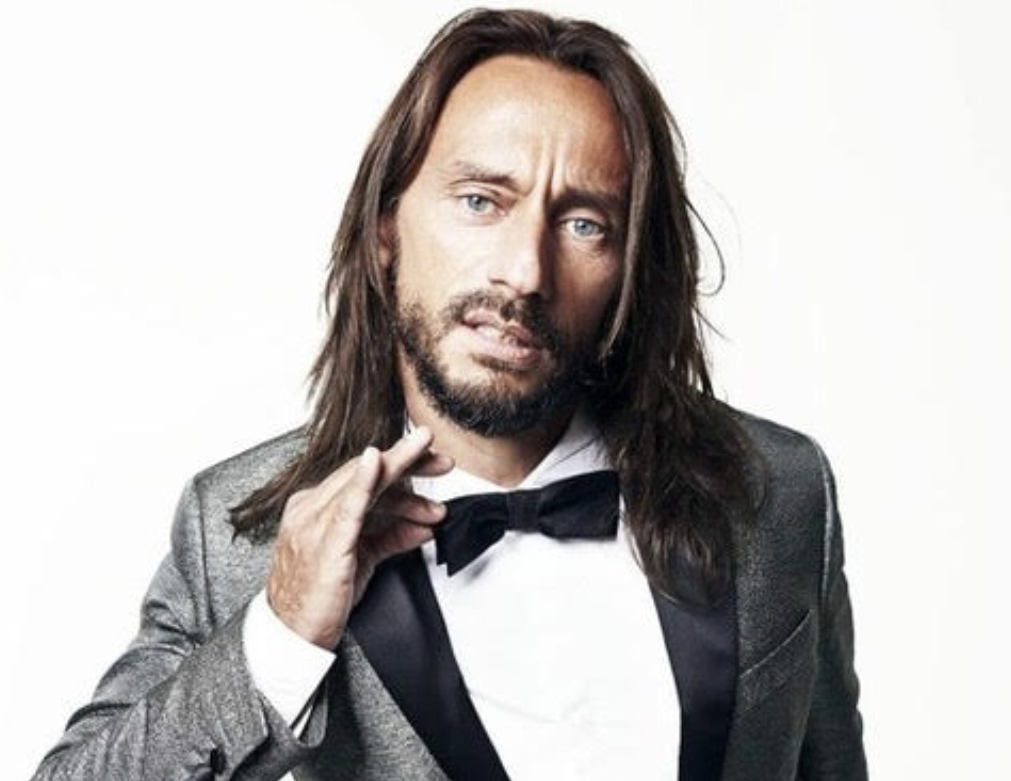
Bob Sinclar is returning to that recording with a new version of “Soul Makossa,” released October 23 through Panthéon, part of Universal Music France.
The French producer maintains the original’s saxophone, percussion, and Afro-funk characteristics while adapting the material to a contemporary house arrangement. The release arrives over five decades after Dibango introduced the composition, connecting one of disco’s early influences with a producer whose own career has been closely associated with French house and dance music.
What interests me about this particular release is the decision to revisit the source recording rather than another song that borrowed from it. “Soul Makossa” has an unusually complicated history involving musical influence, recognizable vocal phrases, and disputes over songwriting credit. Sinclar’s new version provides an opportunity to reconsider Dibango’s original contribution and the relationship between African popular music, disco, and the house records that followed.
How Manu Dibango’s “Soul Makossa” Helped Shape Disco
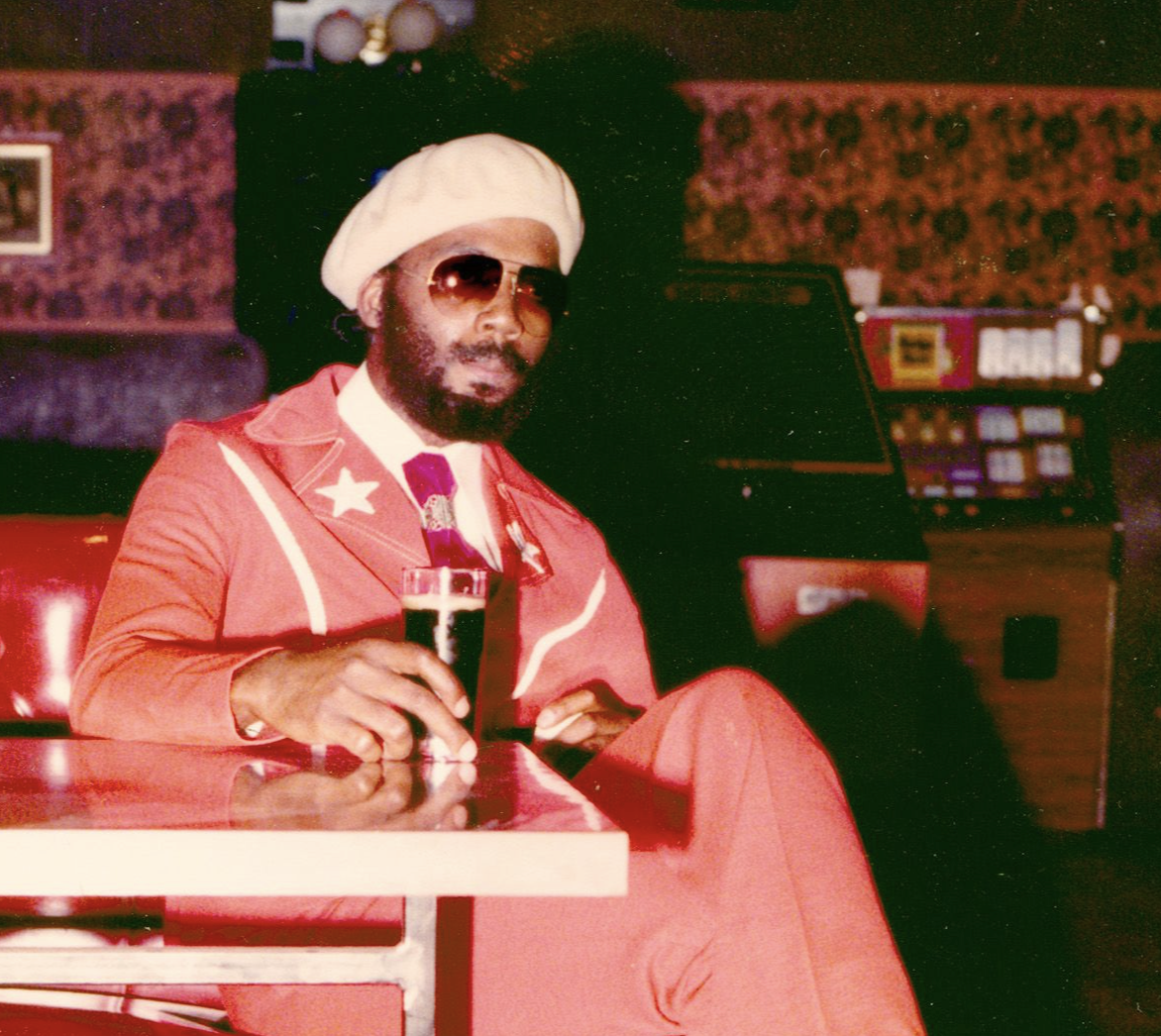
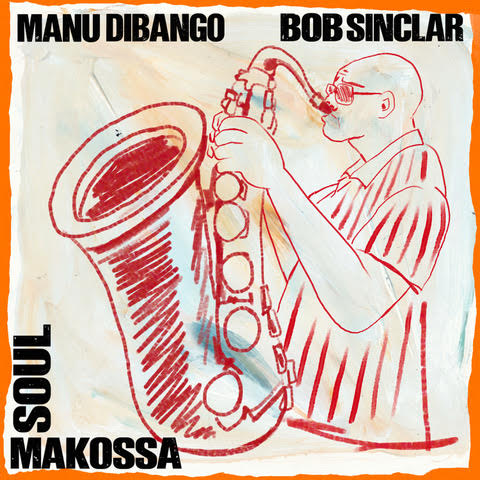
Manu Dibango was a Cameroonian saxophonist, composer, and bandleader whose music combined jazz, funk, and African musical traditions. “Soul Makossa” originally appeared in 1972, drawing on makossa, a popular musical style from Cameroon. The recording combined a recognizable saxophone part with percussion, bass, and a vocal refrain that would become one of the most widely referenced phrases in popular music.
That relationship between older recordings and contemporary electronic music remains relevant today. In our interview with Yolanda Be Cool about “We No Speak Americano”, the duo explained how they select older recordings for their musical qualities and develop new arrangements around recognizable material.
Their discussion also addressed the importance of obtaining the appropriate rights, something particularly relevant to the history of Dibango’s composition.
Bob Sinclar Brings “Soul Makossa” Back to House Music
Bob Sinclar has spent decades working across house, disco, funk, and related electronic styles, with releases including “Love Generation,” “Rock This Party,” and “World, Hold On.” His interest in older dance music has been a recurring element of his career, particularly through the combination of acoustic instrumentation, rhythmic sampling, and contemporary club production.
His new “Soul Makossa” retains recognizable elements associated with Dibango’s original recording, particularly the saxophone and percussion, while presenting the composition in a format intended for contemporary DJs. That choice is important because those musical elements are central to the original’s identity. Reworking a composition with such an established history requires decisions about which parts should remain recognizable and which can be changed to accommodate a different production style.
It’s a consideration that also appeared in my recent feature on Todh Teri’s The Return of Disco Sheru, where the producer examined ways to adapt older film recordings into contemporary house arrangements while preserving the musical ideas that made the original recordings interesting.
“Soul Makossa” was released October 23, 2026, with Bob Sinclar and Manu Dibango credited as the artists. The release is available digitally through Mercury Music Group, with an extended version also listed for DJs through Beatport.
For listeners familiar with the famous vocal refrain through Jackson or Rihanna, Sinclar’s recording provides an opportunity to return to the composition that introduced it. And for producers interested in the history of house music, the release offers another example of how early disco recordings continue to influence contemporary electronic production.
Listen to “Soul Makossa” on Apple Music or explore Bob Sinclar’s Beatport releases.

Magnetic byline note: This byline is used for staff produced updates and short announcements, often based on press materials and official release information. Editorial responsibility: David Ireland (Editor in Chief) and Will Vance (Managing Editor). About: https://magneticmag.com/about/ Masthead: https://magneticmag.com/masthead/ Contact: https://magneticmag.com/contact/