There’s something particularly interesting about discovering music that was recorded decades ago but never made it beyond the original studio session. Producers are constantly searching through old records for samples, vocals, and musical ideas, but occasionally an original recording survives with enough material to become an entirely new release.
That situation becomes even more interesting when the original artist is involved in developing the finished project rather than simply licensing the recording for someone else to remix.
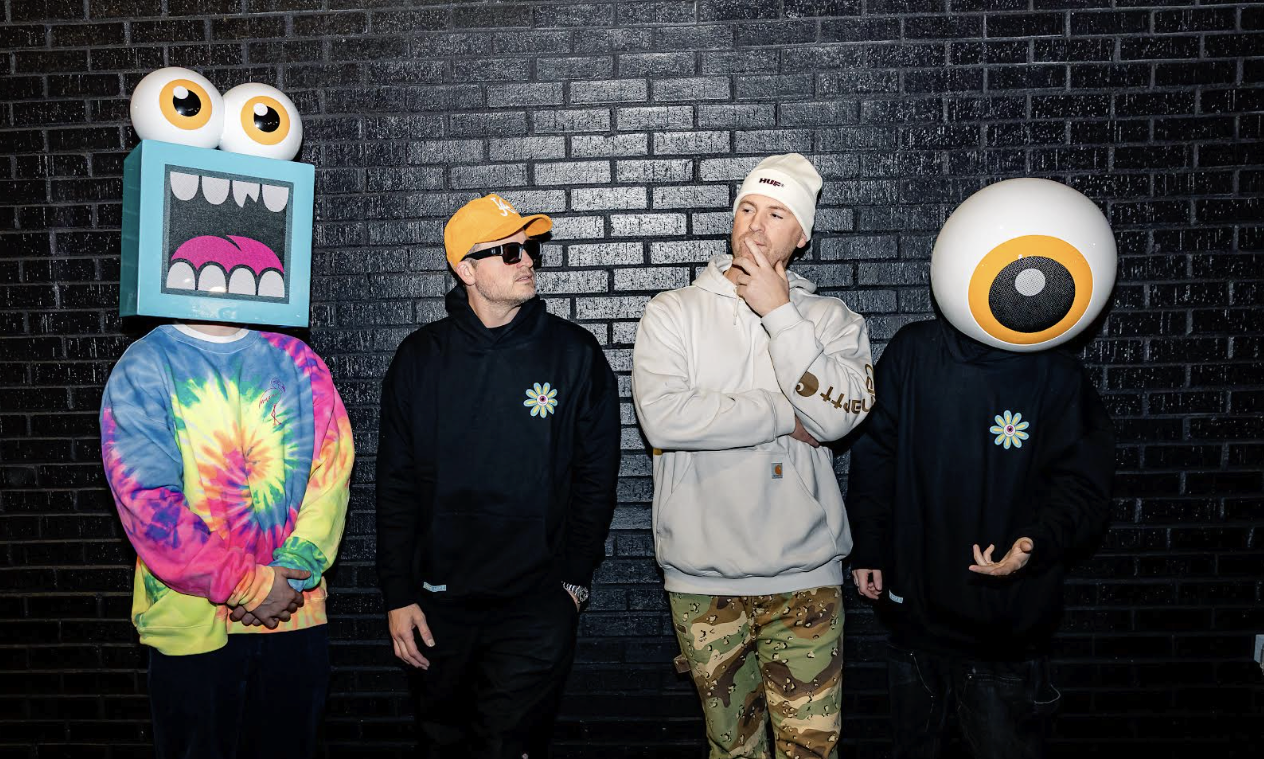
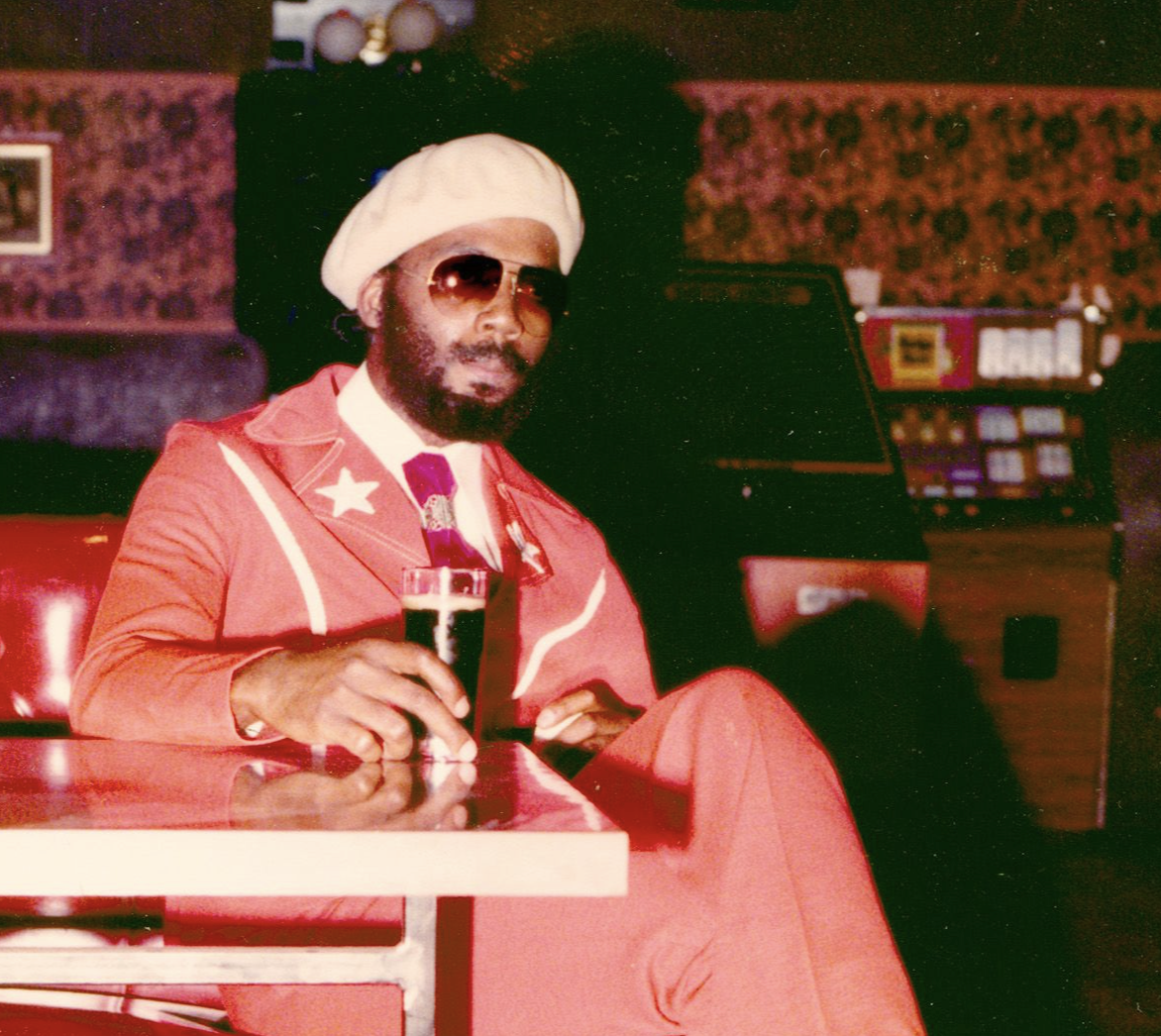
Hudson People have returned with “Hold On,” a previously unreleased composition featuring singer Rickey Owens, recorded around 1988 by Reginald Hudson. The original session consisted of a drum machine, keyboard accompaniment, and Owens’ vocal performance, with the intention of developing a more complete studio recording later. That never happened, and the material remained unreleased until the Berlin-based label The Outer Edge began working with Hudson and discovered the original DAT recordings.
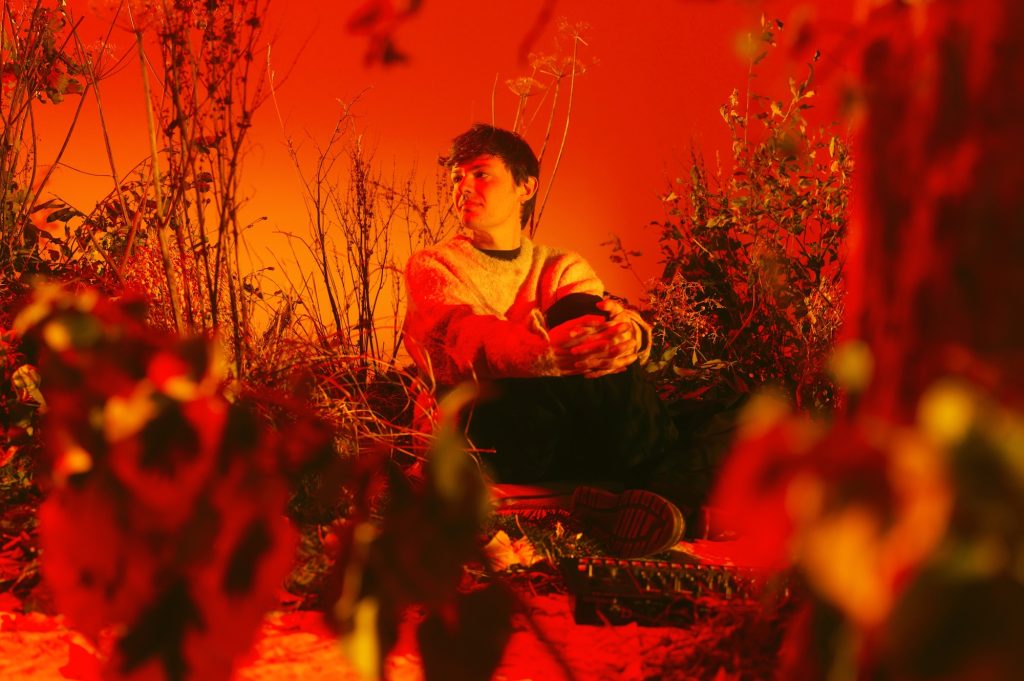
The result is an extended release featuring new productions from Thomas Redfern, Tom Quick, DJ Friction, and Hollis P. Monroe, each approaching the original material through a different area of house and disco music.
What interests me is that the project preserves Owens’ original vocal while allowing producers to develop contemporary arrangements around it. Rather than presenting the recording exclusively as an archival curiosity, the label has developed several versions intended for DJs, with the original 1988 demo also included for listeners who want to hear where everything began.
How a Forgotten Rickey Owens Recording Was Rediscovered
The story began when The Outer Edge contacted Reginald Hudson about his previously recorded Shake It – Make It Loose project, which featured John Davis, later known for his work connected to Milli Vanilli. During those conversations, Hudson mentioned Rickey Owens, a singer he had worked with during the late 1980s whose recordings had never received a commercial release. That eventually led to Hudson sharing old demos and digitized DAT recordings, including the original vocal material for “Hold On.”
The recording was originally produced in Hudson’s home studio using relatively straightforward equipment.
A drum machine and keyboard provided the accompaniment, while Owens recorded the lead vocal and additional ad-libs. The intention was to develop the composition into a finished studio production, although the session remained in demo form. Fortunately, Hudson had preserved the DAT tapes and arranged for them to be digitized years earlier, leaving the producers with usable recordings for the new versions.
The preservation of those recordings is particularly important because Owens’ performance is central to the new release. Without the original vocal, the project would have required a different singer or an entirely new interpretation of the composition.
Instead, the producers could work with the performance captured in 1988, maintaining a direct connection to Hudson’s original writing. It’s a different approach from the sample-based production I recently explored in my How It Was Made feature with Todh Teri, where archival musical material is recontextualized through electronic production.
The Original Demo Is an Important Part of the Release
The vinyl edition includes four versions: Thomas Redfern’s main mix and dub, Tom Quick’s French House Mix, and DJ Friction’s Boogie Mix. The expanded Bandcamp edition contains eight tracks, adding the Balearic Mix, an instrumental version of Friction’s production, an acapella, and the original 1988 demo. The releases form part of The Outer Edge’s new 1st Floor Records imprint, established to concentrate on dance-oriented material.
Including the original demo provides an opportunity to understand how much the composition has changed across the new productions. The relationship between Owens’ vocal, Hudson’s original accompaniment, and the contemporary arrangements becomes easier to examine when listeners can hear the earlier recording. For producers interested in remixing and archival music, that provides relevant context about how an arrangement can be developed without discarding the central performance.
There’s a related conversation in my feature on Monkey Safari’s “Future”, where I examined the continued influence of filtered disco arrangements and older French house production techniques. “Hold On” approaches that musical history from the opposite direction, beginning with an actual recording from the late 1980s and developing it through several contemporary production methods.
Listen to the full release, including the original demo, through Hudson People’s official Bandcamp page.

Magnetic byline note: This byline is used for staff produced updates and short announcements, often based on press materials and official release information. Editorial responsibility: David Ireland (Editor in Chief) and Will Vance (Managing Editor). About: https://magneticmag.com/about/ Masthead: https://magneticmag.com/masthead/ Contact: https://magneticmag.com/contact/