I think there’s something worth discussing about how much planning actually goes into making an album. Producers can spend months developing a concept, deciding how the tracks should relate to one another, and trying to establish some consistent musical direction before they even begin recording.
But sometimes the music comes first, and the idea of turning it into an album doesn’t occur until several individual tracks have already been finished. I’ve seen this happen with artists who spend years developing a particular sound, only to realize that the material they’ve been making already has enough in common to work as a complete release.
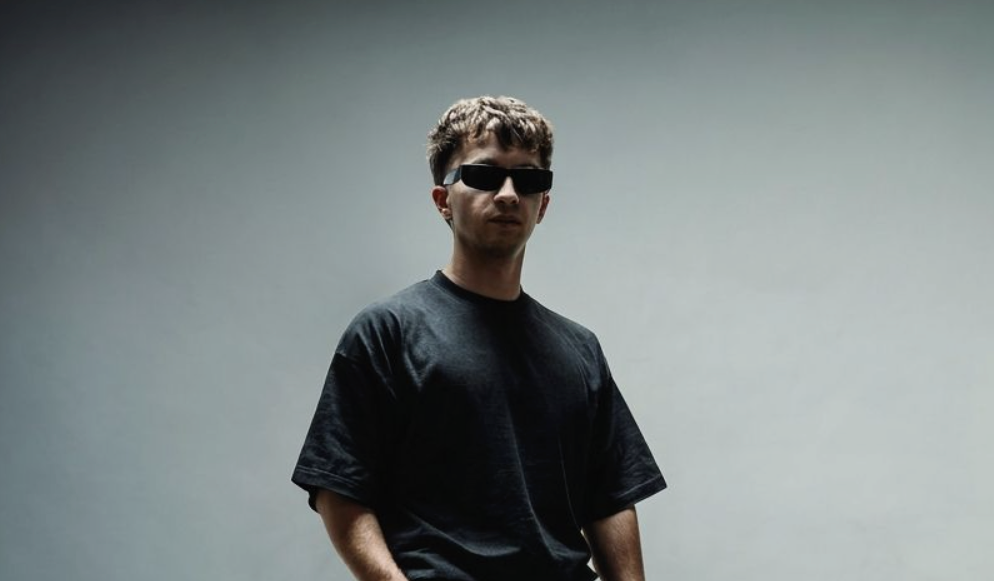
That’s pretty close to what happened with Content of Void (@contentofvoid), the progressive breaks producer who has been releasing music since 2017. After introducing his project through Spatium, he went on to release records through labels including 83, Elektroshok Records, Morphosis Records, and Close Your Eyes, developing a breakbeat production approach influenced by synthwave, future garage, and melodic electronic music.
His debut album, Mandarins, which dropped today, November 6, 2026, through Close Your Eyes, the 83 sublabel curated by Guau, features ten tracks originally developed as individual compositions rather than as part of a planned album. Guau suggested bringing the material together after receiving the sixth track, giving Content of Void an opportunity to consider how the recordings could work as one project.
What interested me about this conversation was how much of the album’s identity came from decisions that weren’t necessarily made with a larger concept in mind. Content of Void talks about discovering breakbeat through BT and The Crystal Method long before he started producing, how his early synthwave experiments eventually led him toward progressive breaks, and how an unrelated book on his desk ended up providing the title for the entire record. He also explains how the album allowed him to represent different periods of his life through individual compositions, something he didn’t feel he could accomplish with a single release.
There’s an interesting relationship here between developing a recognizable musical style over several years and finding a way to present that music as connected, especially when the original plan was simply to keep writing individual tracks.
Interview With Content of Void
What first drew you to progressive breaks when you started producing in 2017?
My love for breaks actually dates back to the early 2000s. At the time, acts like BT and The Crystal Method were dominating the scene, and their music was everywhere, from Hollywood blockbusters to whatever compilations and bootlegs I could get my hands on as a kid. I was lucky enough to discover the genre through its absolute foundational tracks, like BT’s “Never Gonna Come Back Down” and The Crystal Method’s “Busy Child.” Those records completely shaped my sonic worldview.
However, my journey into production didn’t start with breaks. When I entered a production school back in 2017 with my very first demo, it was just a downtempo track built entirely on Omnisphere. Back then, I wasn’t boxing myself into any specific style; I just wanted to see if a raw idea could grow into a complete piece of music. As I began to grasp the process, I wrote two synthwave tracks and instinctively laid them over broken beats, a subconscious nod to the music of my childhood.
They ended up becoming my first proper release on a real label, Spatium, later that year, which was the exact moment I locked myself into progressive breaks. Since then, after plenty of genre-bending experiments, I’ve stayed true to this sound.
How has your approach changed since those early releases?
Honestly, my core approach to songwriting hasn’t changed.
I’m still driven by the exact same goal: making my music as melodic and atmospheric as possible. I’ve held onto my love for synthwave and future garage, but now I focus on organically fusing those elements within a breakbeat framework. My ultimate aim is to achieve that perfect genre synthesis I’ve always envisioned.
Did you write the ten tracks with an album in mind from the start?
Not at all. Guau, the label owner, actually approached me with the idea of combining my singles into a full-length record after I sent over my sixth track. I was absolutely thrilled. The prospect felt incredibly exciting, and it gave me the perfect opportunity to creatively tie everything together.

What made “Mandarins” the right opening track and title for the record?
I was working on the track right when Guau suggested making an album. The title was a complete accident. When I started the project file, Simone de Beauvoir’s book The Mandarins was lying on my desk, so I used it as a placeholder. Over time, the name just stuck. Musically, it felt like the ultimate quintessence of the entire LP. With rich chords, deep bass, and atmospheric textures woven into the breakdown, the laid-back beat sets the perfect mood for a chilled-out plunge into the journey. It felt like the ideal gateway. When it came to naming the record, I realized it was the missing puzzle piece that tied everything together.
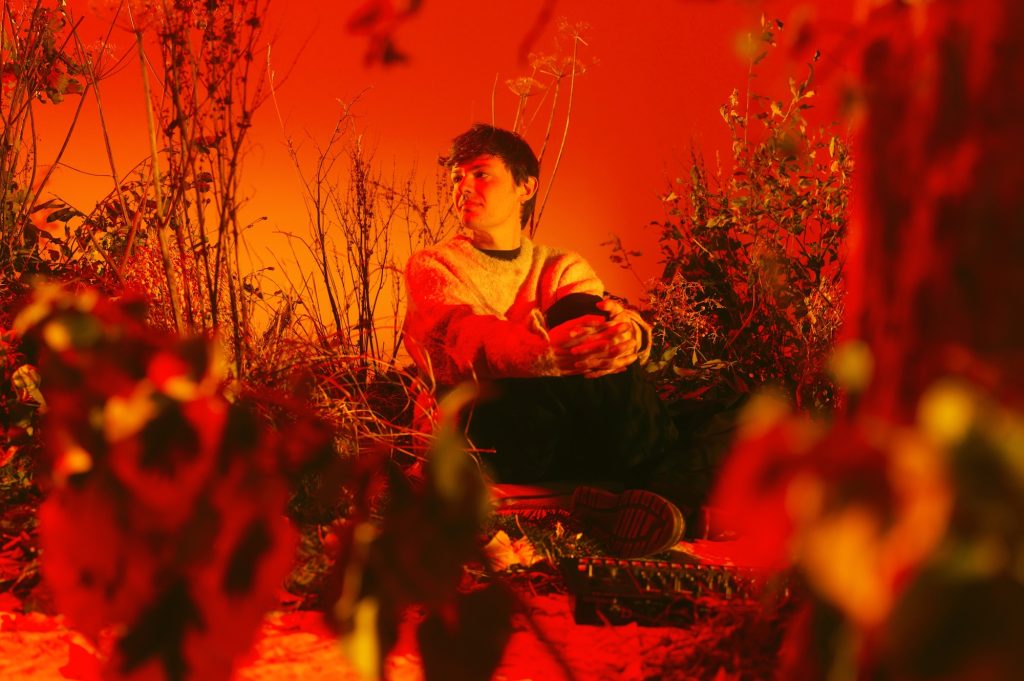
It’s a 10-track collection, with each chapter representing a specific period of my life. Visually, I’ve always been drawn to Hubble space photos and cosmic art featuring warm, orange planets that look like suns. To me, the music feels just like that: ten glowing worlds floating in cold space, with each track being a stop on that journey.

What did making a full album allow you to explore that a single release could not?
A single only allows you to unpack one specific emotion. With an album, however, you can piece together a complete, unedited picture out of the raw experiences that actually shape a life.
The voyage I’m charting could never be limited to a lone stop. We have to face Pulsar, catch the Aurora on distant worlds, and crash into isolation with Missing You and Call Me. We need to reckon with Affection, enjoy a Sweet Mary (and definitely not a Bloody Mary!), and Transform our very shape just to Glow before continuing toward the Distant Light. It’s a step into total obscurity, but that’s exactly what makes it so intriguing, to see what waits ahead.
After completing Mandarins, what feels different about the music you want to make next?
I definitely want to continue in this direction, but with a focus on writing more dancefloor-oriented tracks that still preserve my signature vibe. My goal now is to re-examine that sound and see what other shapes and forms it can take. The flight continues.
About Content of Void’s Mandarins Album
It just dropped on November 6, 2026, a through Close Your Eyes, Mandarins is Content of Void’s debut album, following nearly a decade of releases across progressive breaks and related electronic genres. The project consists of ten tracks, including the title composition, “Pulsar,” “Aurora,” “Transform,” “Sweet Mary,” “Missing You,” “Affection,” “Call Me,” “Glow,” and “Distant Light.” Swiss artist CURLY (CH) contributes “Glow,” while Content of Void is credited with the rest of the collection.
The album blends synthwave, future garage, and melodic electronic influences with the broken rhythmic patterns that have become central to the producer’s work. Its visual concept draws inspiration from astronomical photography, particularly the warm orange colors associated with imagery captured by the Hubble Space Telescope. The accompanying concept treats the individual tracks as representations of different personal experiences, with Content of Void using the album format to connect material originally written without a single overarching concept.
The release also continues his relationship with Close Your Eyes and Guau, following earlier appearances on the imprint and related labels. With Mandarins, Content of Void brings together recordings that represent his established musical preferences while leaving room for further experimentation in future releases.

Magnetic byline note: This byline is used for staff produced updates and short announcements, often based on press materials and official release information. Editorial responsibility: David Ireland (Editor in Chief) and Will Vance (Managing Editor). About: https://magneticmag.com/about/ Masthead: https://magneticmag.com/masthead/ Contact: https://magneticmag.com/contact/