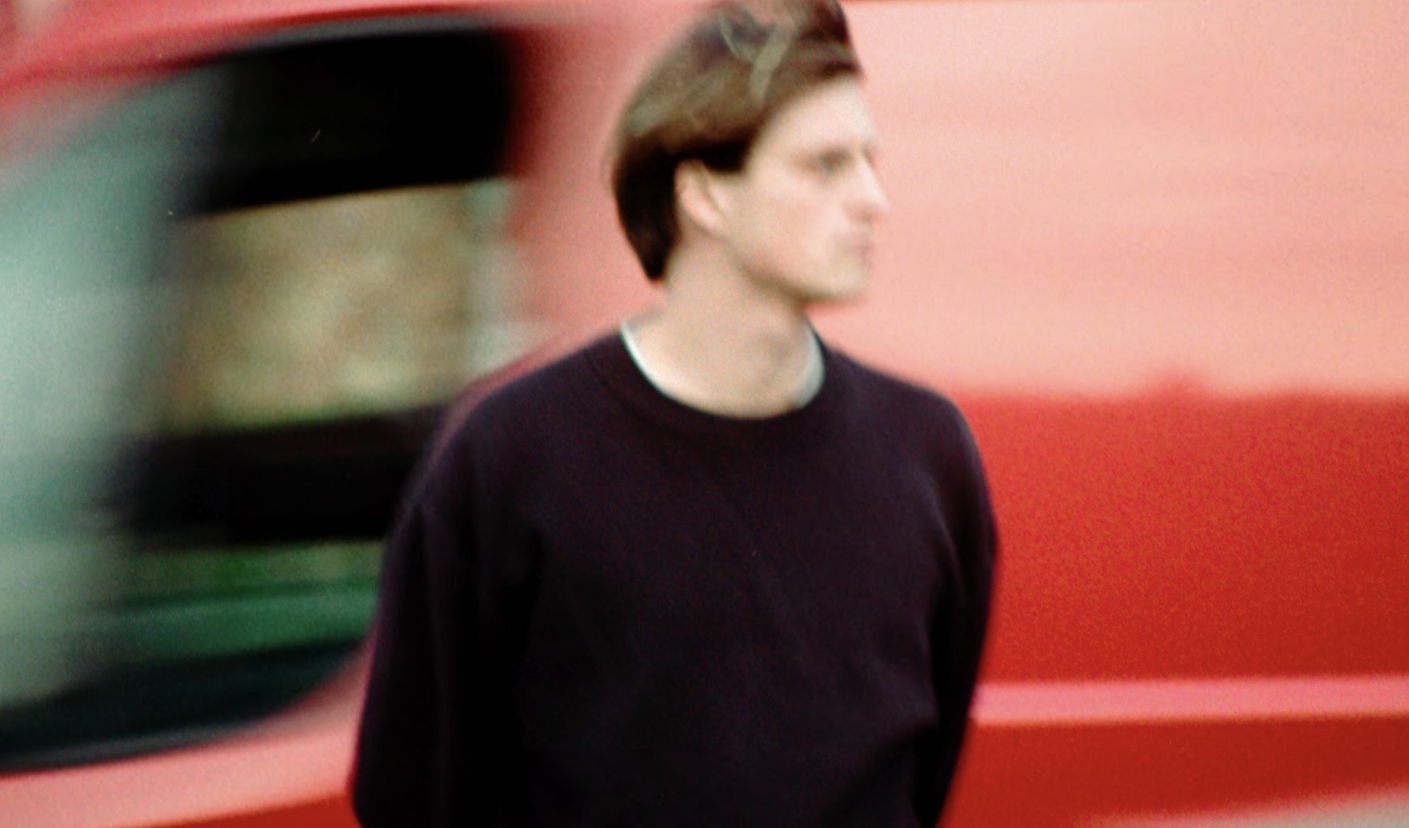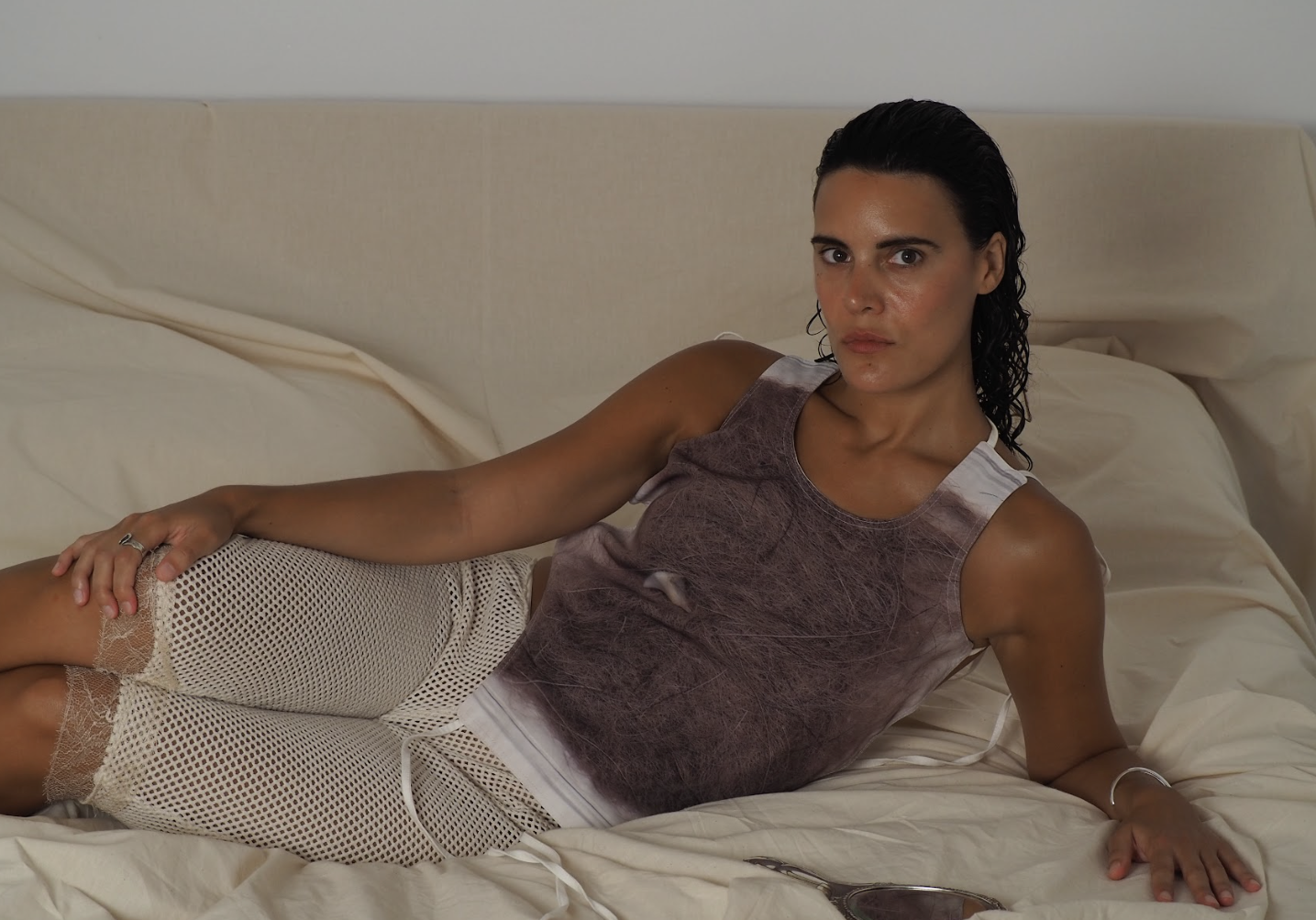
Núr Moody’s Vanity, Enemy. is a debut EP about losing perspective, then slowly getting it back.
The Barcelona producer, songwriter, and vocalist built the five-track record from her bedroom, writing, recording, and producing the whole project herself before finishing the mix with Pablo de Vargas and Juan Ribes, who also mastered it. That DIY setting matters because Vanity, Enemy. does not sound like a record trying to polish away its intimacy.
The title comes from a 2017 Ottessa Moshfegh interview in The Fanzine titled “Vanity Is the Enemy,” a phrase that immediately connected with the emotional territory Núr was writing from. For her, the EP is rooted in the intensity of infatuation: the crush that takes over too much mental space, the desire to be seen, the ego that gets tangled up in wanting someone, and the slow process of returning that energy back to yourself.
That is the part that gives Vanity, Enemy. its shape. The record begins inside fixation, but it doesn’t stay there. Across five tracks, it moves from hypnotic attachment into detachment, letting the sound loosen as the emotional grip starts to break.
“Back for More” sets the darker tone
“Back for More” opens the EP with the most direct tension.
The track leans into dark trip-hop pressure, textured drums, and a vocal presence that feels close enough to make the production feel smaller and more cinematic. It is the kind of opener that makes the whole project’s emotional language clear without spelling it out.
The drums are doing a lot of the work here because they are not overly busy, but they have enough grain and movement to make the track feel alive underneath Núr’s vocal, just as the atmosphere is heavy but not crowded. That restraint gives the song room to pull listeners into the record’s first state: wanting something even when that wanting is starting to distort the room around it.
That same tension between intimacy and production space is something we have covered in my article on plugins for vocal chops, where the voice becomes one of the main ways electronic music can carry emotion without needing a conventional pop structure and Núr’s approach is more muted and personal, but the vocal is still the anchor.

Each track opens a different room
The EP does not stay in a fixed genre, which is its strong point.
“Sunday” moves warmer, with Balearic influence and a more open feeling. After the darker first track, it gives the record a little air without breaking the EP’s atmosphere. “Simulacro” pulls the project into dub texture, spacious production, and vocal detail, letting reverb and delay become part of the emotional architecture.
“Evotion” is the most experimental and deconstructed track on the EP, which gives the project its most fractured point before “I Slay” closes with experimental pop and a touch of club energy.
That closer is important because it changes the record’s posture, and the EP starts with the pull of obsession and ends with something more unapologetic; it’s that arc that makes Vanity, Enemy. feel more complete than a loose set of early tracks. The production changes shape, but the vocals and atmosphere keep the record tied to a single emotional body.
Núr Moody learned by making the record
Núr started experimenting with music in 2020 during the pandemic, after getting close to producers and DJs in Barcelona’s club scene.
For a few years, she used Ableton in a very informal way, opening it a handful of times each year and making whatever came naturally without much technical knowledge or practice. Those early experiments became Primer EP, which she describes more as a collection of sketches than a formal debut.
In 2023, she began learning production more seriously, and Vanity, Enemy. grew from that period of building a more intentional relationship with Ableton and sound. Most of the record was made between 2023 and 2024, before an unexpected year-long pause in 2025. Núr returned to the project in early 2026 and finished it then.
That timeline matters because the EP still has the rawness of self-discovery, but it is not careless. It feels like an artist learning what she wants the production to do while refusing to sand down the first instincts that made the tracks interesting.
That places Núr near the kind of early-artist development we often hear in bedroom electronic music: not fully shaped by scene expectations yet, but already clear enough to have an atmosphere of its own.
Barcelona sits under the record without becoming the whole story
The press kit frames Núr as a Barcelona artist, and that setting feels present in the music without becoming a postcard.
There is club influence here, but Vanity, Enemy. Dub textures, trip-hop pressure, deconstructed details, and experimental pop moments appear, but none of those tags fully capture the EP on its own.
The more accurate read is that Núr is using those references to build an emotional space: close vocals, wide delays, low-lit drums, and the feeling of someone trying to understand why desire can make the self feel unstable.
That kind of genre blur is often where independent electronic music gets interesting. It gives artists room to write from mood and instinct before worrying too much about where to file the track.
Núr Moody’s Vanity, Enemy. is out September 4, 2026.

Magnetic byline note: This byline is used for staff produced updates and short announcements, often based on press materials and official release information. Editorial responsibility: David Ireland (Editor in Chief) and Will Vance (Managing Editor). About: https://magneticmag.com/about/ Masthead: https://magneticmag.com/masthead/ Contact: https://magneticmag.com/contact/