Plugins for Vocal Chops are worth separating from standard vocal processors because their goals differ. I am not always trying to make the vocal cleaner, wider, or more polished and this is especially true when I’m helping artists on our label dial in great vocal jobs like Waxman’s latest release of ‘Folklore’ that just dropped (only name dropping here cause he did amazing vocal chops on this release that are worth studying).
A good vocal chop often needs pitch movement, timing edits, grit, filtering, gating, or transition help before it feels like part of the track.
That is why this list pulls from plugins I have reviewed on Magnetic and How It Was Made features where artists broke down how they handled their own vocal material. The core products here are Soundtoys Little AlterBoy, Freakshow Industries MISHBY, Kilohearts Bitcrush, ShaperBox 3, Polyverse Gatekeeper, Serum FX, and Baby Audio Transit 2.
Some of these are obvious vocal tools, while others are better at the editing, timing, dirt, or section-change work around the chop. I would not treat them as replacements for each other, because a formant shifter, a glitch processor, a volume gate, and a transition plugin all solve different problems.
If a vocal chop sounds flat, stiff, too clean, or disconnected from the record, these are the first tools I would start comparing.
| Plugin | Main role | Best fit | Why I am including it |
|---|---|---|---|
| Soundtoys Little AlterBoy | Pitch and formant shifting | Deeper, higher, stranger, or more character-heavy vocal chops | It is a fast way to change the identity of a vocal without building a long chain. |
| Freakshow Industries MISHBY | Glitch, pitch drift, distortion, and noise | Vocal chops that need lo-fi damage and controlled instability | It helps simple vocal slices feel less rigid and less sample-pack clean. |
| Kilohearts Bitcrush | Bit-depth and sample-rate damage | Broken, digital, small-speaker, and retro vocal effects | It gives a vocal chop a rougher edge when clean pitch processing feels too polished. |
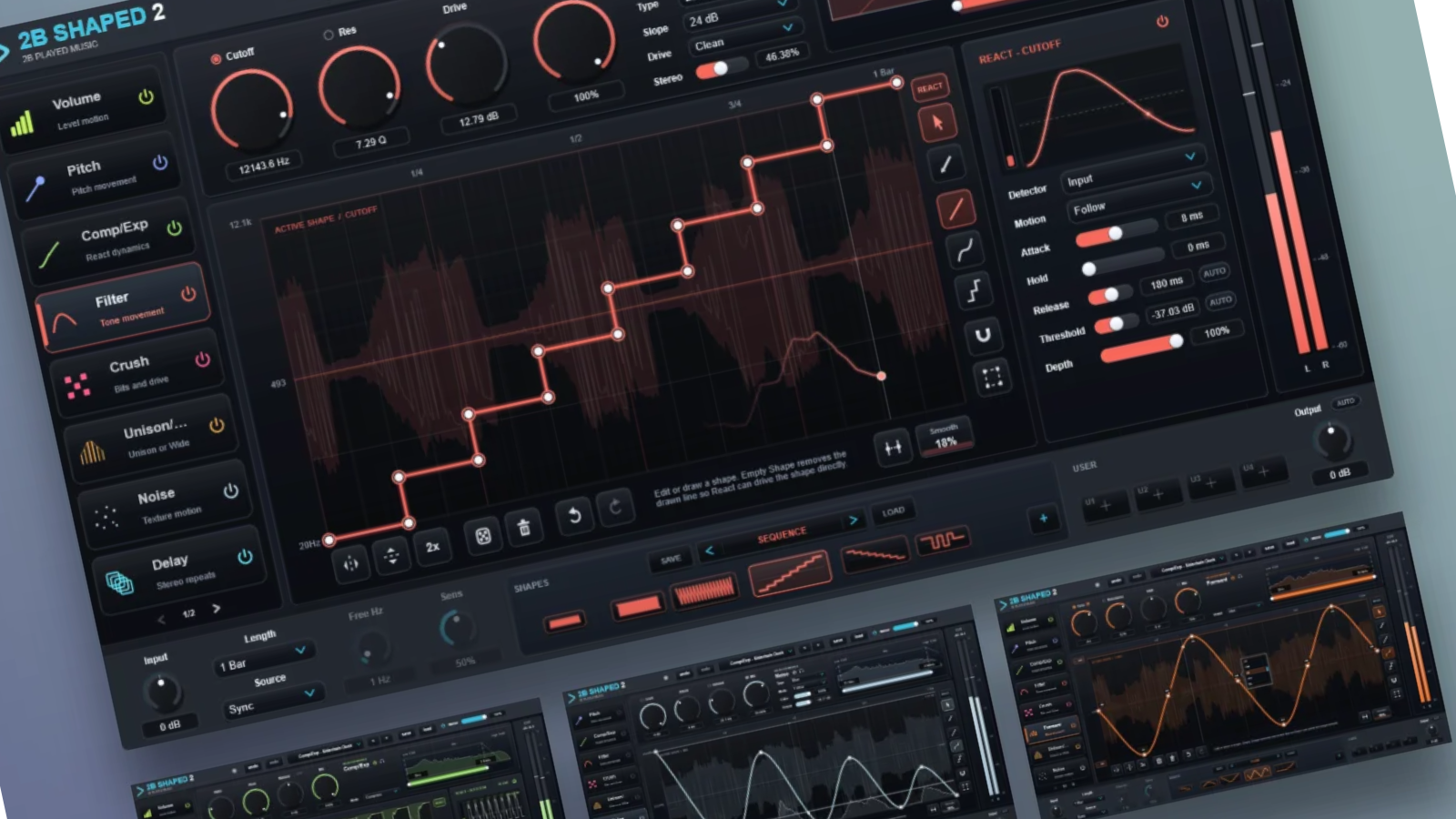
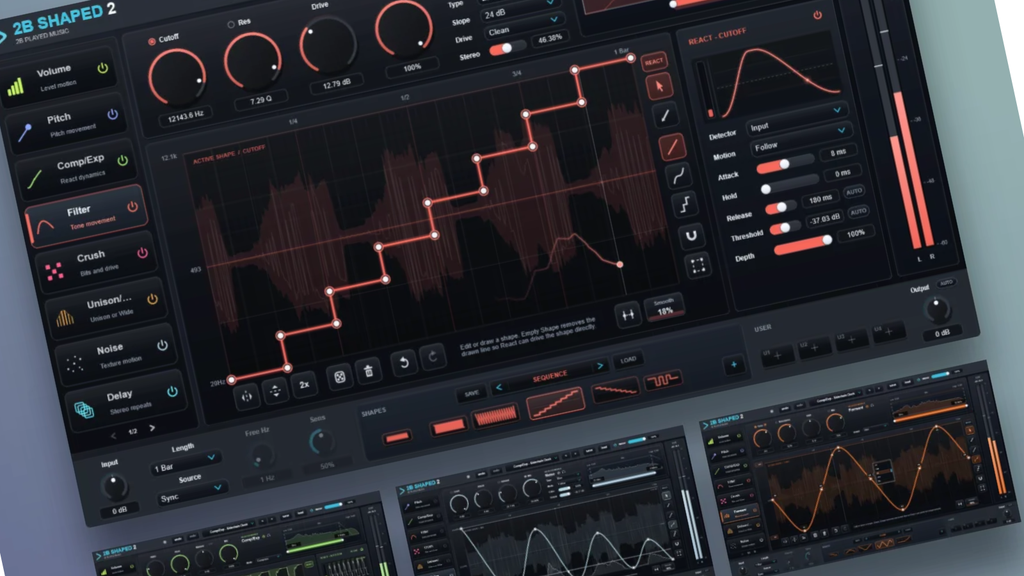
| ShaperBox 3 | Rhythmic modulation and multi-effect shaping | Vocal chops that need motion, filtering, gating, and timed edits | It turns static vocal bits into parts that move with the track. |
| Polyverse Gatekeeper | Volume shaping and gating | Tight rhythmic vocal edits and chopped patterns | It gives detailed control over when the vocal appears and how sharply it cuts away. |
| Xfer Serum FX | Built-in FX processing from Serum | Producers who already use Serum and want quick distortion, delay, EQ, and filtering | It is a smart caveat pick when the vocal chop needs simple FX moves without adding another full suite. |
| Baby Audio Transit 2 | Motion effects and transitions | Vocal chops that need sweeps, fills, drops, and section movement | It helps the vocal chop lead the track from one section into the next. |
Soundtoys Little AlterBoy
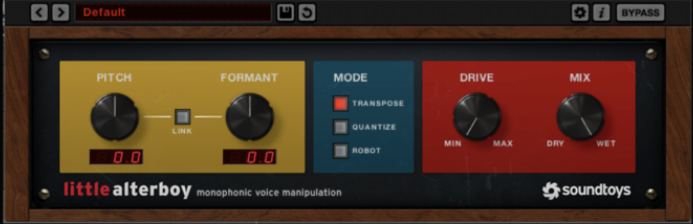
Soundtoys Little AlterBoy is the most direct vocal tool in this article because pitch and formant shifting are usually the first moves I reach for when a vocal chop needs a new identity.
In Swanya and LARSa’s How It Was Made feature for “Postcards from the Club”, Swanya explains that the main vocal had formant shifting throughout the arrangement using Soundtoys Little AlterBoy. That matters because vocal chops often work best when the source still feels human, yet no longer sounds like a plain recorded take sitting on top of the instrumental. Swanya also says, “Your voice is totally unique,” and that line is the best reason to use this kind of tool on your own recordings instead of reaching for the same sample pool as everyone else.
Wrabel used Soundtoys AlterBoy differently in his How It Was Made feature for “up above”, pairing it with Kilohearts Bitcrush to create a “broken speak-and-spell effect” from chopped chorus vocals. Compared with MISHBY, Little AlterBoy is much cleaner and easier to aim because the pitch and formant controls are the point.
Compared with ShaperBox 3 or Gatekeeper, it is less about rhythm and more about changing who the vocal sounds like. I would start here when the chop needs to feel lower, higher, stranger, or less tied to the original singer.
Check It Out: Soundtoys Little AlterBoy
Freakshow Industries MISHBY

MISHBY is the plugin I would reach for when the vocal chop feels too clean and needs some controlled damage. In how2fly’s How It Was Made feature for “Hold You”, he used MISHBY on the vocal chops in the second part of the first drop, focusing on glitch probability and intensity.
He described it in about as plain of english as you could hope for: “Mishby might look chaotic, but it’s an incredible plugin.” That tracks with how I would use it here, because the value is not perfect polish, it is the way pitch drift, glitch, distortion, and noise can make a small vocal phrase feel less predictable. Compared with Little AlterBoy, MISHBY is less about choosing a new formant range and more about adding damage that moves. Compared with Kilohearts Bitcrush, it gives you a wider set of weirdness, although that also means it can run away from the track faster. I would use it after I already like the chop, then dial in the amount of instability until it adds interest without distracting from the hook.
It is especially good for vocal edits that need a lo-fi edge without sounding like a stock bitcrusher preset.
Check It Out Here Freakshow Industries MISHBY
Kilohearts Bitcrush

Kilohearts Bitcrush is the simpler damage tool in this list, and that is exactly why I like the idea of using it on vocal chops. Wrabel mentioned it in his How It Was Made feature for “up above”, where the team used Soundtoys AlterBoy and Kilohearts Bitcrush on fast chorus-vocal edits.
The result was a “broken speak-and-spell effect,” a direct way to describe what bit-depth and sample-rate reductions can do to a voice. Compared with MISHBY, Bitcrush is narrower and easier to place in a chain because it focuses on a single type of degradation. Compared with Little AlterBoy, it is not trying to reshape the singer’s apparent vocal range. I would use it when the chop needs to feel smaller, more digital, less hi-fi, or slightly broken around the edges.
It can get harsh fast, so I would usually blend it in, filter after it, or automate it onto selected words instead of leaving it across the whole phrase. It also pairs well after pitch and formant processing because the pitch move creates the character, then Bitcrush makes the result feel less clean.
Check It Out Here Kilohearts Essentials
ShaperBox 3

ShaperBox 3 is the plugin I would use when the vocal chop already has a cool tone, yet the timing still feels too stiff. In my ShaperBox 3 review on the site,
I focused on how the plugin gives producers several modulation effects that can be drawn, triggered, synced, and shaped within a single interface. For vocal chops, that means I can take the same phrase and use volume, filter, pan, time, drive, crush, or width moves to create an edit that feels arranged instead of dropped into the session.
Compared with Gatekeeper, ShaperBox 3 covers a wider range of effects, while Gatekeeper goes deeper into volume shaping alone. Compared with Transit 2, ShaperBox is better for patterns that repeat within the groove rather than a single macro move across a section change. I would use it for stutters, pump-style movement, rhythmic filtering, pitch-style edits, and short gated phrases that need to lock to the track.
The preset system also helps when I want a fast starting point; then I can pull the effect back once the chop has enough motion. If a vocal chop sounds good in solo and boring in context, ShaperBox 3 is one of the first tools I would try.
Check It Out Here ShaperBox 3
Polyverse Gatekeeper
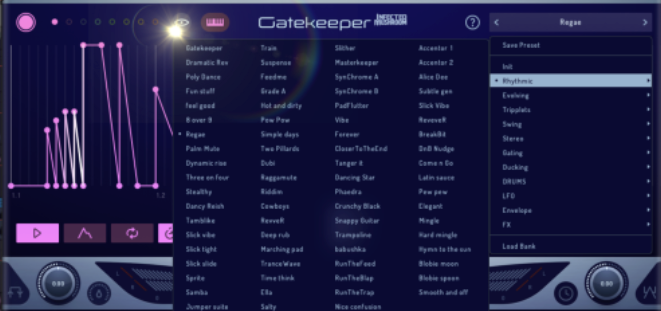
Polyverse Gatekeeper is the most focused volume-shaping pick in this article.
In my Gatekeeper review on the site, the main point was its precision: it can turn volume into a designed rhythm rather than a rough automation lane. That matters for vocal chops because a lot of the effect comes from where the vocal cuts in, how long it stays, and how hard it drops out. Compared with ShaperBox 3, Gatekeeper is less of a multi-effect toolbox and more of a dedicated envelope editor.
Compared with Transit 2, it is much better for repeatable rhythmic slicing within a phrase rather than for large-section movement. I would use it on sustained vocal samples, long ad-libs, washed-out vocal pads, and any phrase that needs to be cut into a tighter pattern. The smoothness control also matters because hard gates can click or feel too abrupt if the envelope is shaped poorly.
If I want a chop to feel clean, tight, and rhythmically exact, Gatekeeper is the one I would reach for before adding delay, reverb, or distortion.
Check It OUt here Polyverse Gatekeeper
Xfer Serum FX
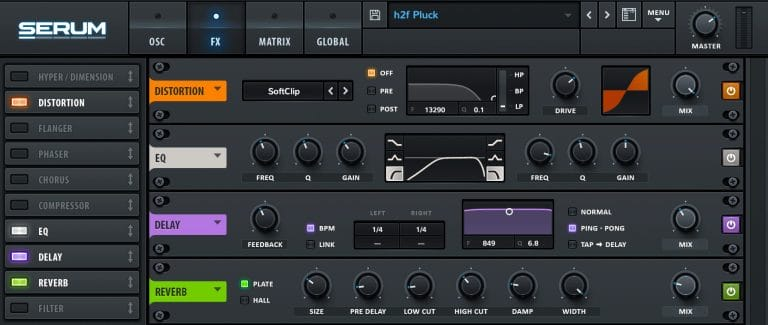
Serum FX is the caveat pick here because I am treating it as a producer workflow tool rather than a dedicated vocal chop plugin.
In how2fly’s How It Was Made feature for “Hold You”, he talked about keeping the synth lead processing simple by using Serum’s built-in distortion, EQ, delay, and reverb. That section was about the lead rather than the vocal chops, so I would be clear that this is an adjacent use case. Still, the logic carries over to vocal chops because Serum FX can be a fast way to add filtering, distortion, delay, reverb, and modulation if Serum is already part of the session.
Compared with MISHBY, it is cleaner and easier to control. Compared with ShaperBox 3, it is less focused on drawn rhythmic shapes and more focused on a compact FX chain.
I would use it when the chop needs simple drive, space, filtering, and quick automation without opening a stack of separate plugins. I would not make this the first purchase for vocal chops, although it belongs here for producers who already lean on Serum and want to process vocals inside a familiar setup. Xfer Serum 2
Baby Audio Transit 2
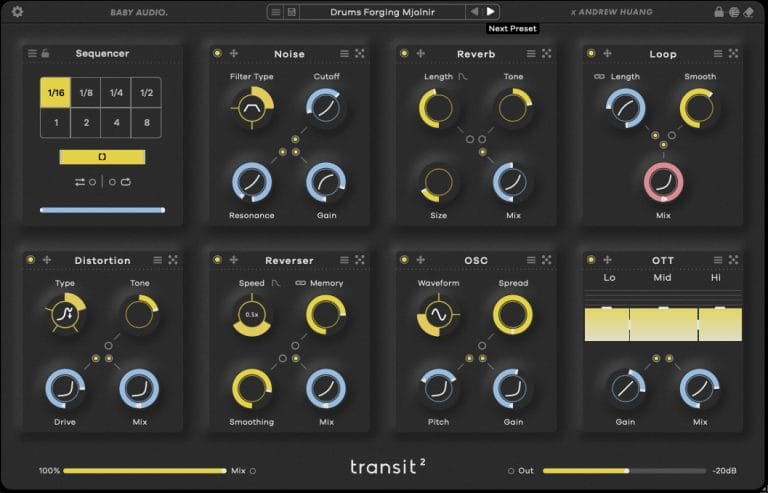
Transit 2 is the pick I would use when the vocal chop needs to help move the arrangement from one section to the next. In my Transit 2 review on Magnetic, I focused on how it streamlines transitions, motion, and multi-effect changes. That matters for vocal chops because the same phrase can serve as a hook, a fill, a riser, a drop cue, or a breakdown detail, depending on how the processing moves.
Compared with ShaperBox 3, Transit 2 is less about repeating patterns and more about one gesture that changes over time. Compared with Gatekeeper, it is less surgical and better when I want filters, delay, distortion, reverb, and other effects to move together. I would use it on a vocal phrase before a drop, on a washed-out hook going into a breakdown, or on a chopped ad lib that needs to lead the listener into the next section.
The Macro workflow is why it fits this article, because vocal chops often need coordinated effects rather than a single isolated plug-in move.
If the vocal chop already sounds good but the arrangement still feels flat, Transit 2 gives me a faster way to turn that phrase into a transition tool. Baby Audio Transit 2
Honorable Mentions I Would Keep On The Radar
These are not the main picks for this article, mostly because they either fit a broader vocal transformation lane or need a separate review angle. I would keep them in the reader’s mind for follow-up testing or future updates.
| Plugin | Why it is on my radar | Best fit |
| Baby Audio Humanoid | A vocal processor built for pitch, resynthesis, and synthetic character | Producers who want the vocal to become a processed lead part |
| Minimal Audio Evoke | A wider vocal processing hub with tuning, formant work, vocoding, and resynthesis | Producers who want one plugin for major vocal redesign |
| Polyverse Manipulator | A pitch and formant tool built for more extreme vocal shifts | Producers who want aggressive voice alteration |
| iZotope VocalSynth 2 | A multi-engine vocal processor with vocoder-style and talkbox-style options | Producers who want layered vocal effects in one plugin |
For readers comparing those next, I would start with my Humanoid review on Magnetic and my Minimal Audio Evoke review on Magnetic.
What Plugins For Vocal Chops Should I Start With?
Plugins For Vocal Chops should be chosen based on what the vocal is missing, not based on the longest feature list. If the chop needs pitch or formant character, Little AlterBoy is the first place I would start.
If it needs dirt, drift, or a less polished edge, MISHBY and Kilohearts Bitcrush answer that problem in different ways. If it needs timing, motion, or rhythmic editing, ShaperBox 3 and Gatekeeper are the better tools to compare. If the chop needs to pull a listener into the next section, Transit 2 is the better pick because it works across a larger change in the arrangement. Serum FX is the caveat option for producers who already use Serum and want familiar processing on audio without opening a longer chain.
The artist notes from Swanya, Wrabel, and how2fly are the reason this article has a better angle than a generic vocal plugin roundup, because the examples show how these tools work inside finished records.
If I were building the most focused vocal chop toolkit from this list, I would start with Little AlterBoy, MISHBY, ShaperBox 3, and Gatekeeper, then add Transit 2 once arrangement movement starts becoming the bigger problem.

Will Vance is a professional music producer who has been involved in the industry for the better part of a decade and has been the managing editor at Magnetic Magazine since mid-2022. In that time period, he has published thousands of articles on music production, industry think pieces and educational articles about the music industry. Over the last decade as a professional music producer, Will Vance has also ran multiple successful and highly respected record labels in the industry, including Where The Heart Is Records as well as having launched a new label with a focus on community through Magnetic Magazine. When not running these labels or producing his own music, Vance is likely writing for other top industry sites like Waves or the Hyperbits Masterclass or working on his upcoming book on mindfulness in music production. On the rare chance he's not thinking about music production, he's probably running a game of Dungeons and Dragons with his friends which he has been the dungeon master for for many years.