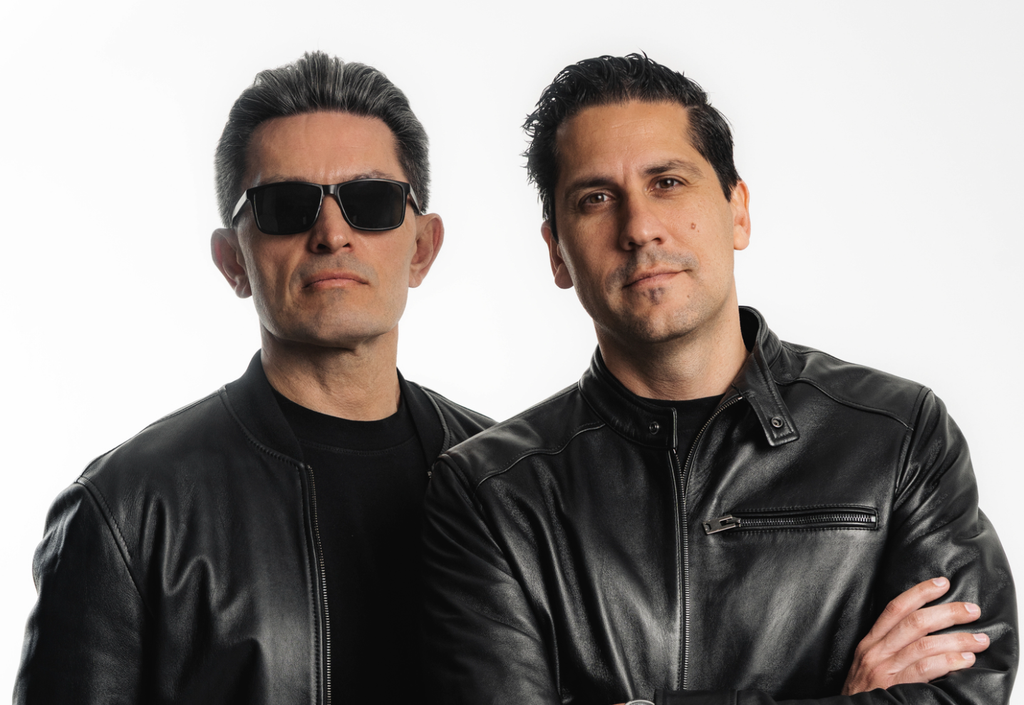
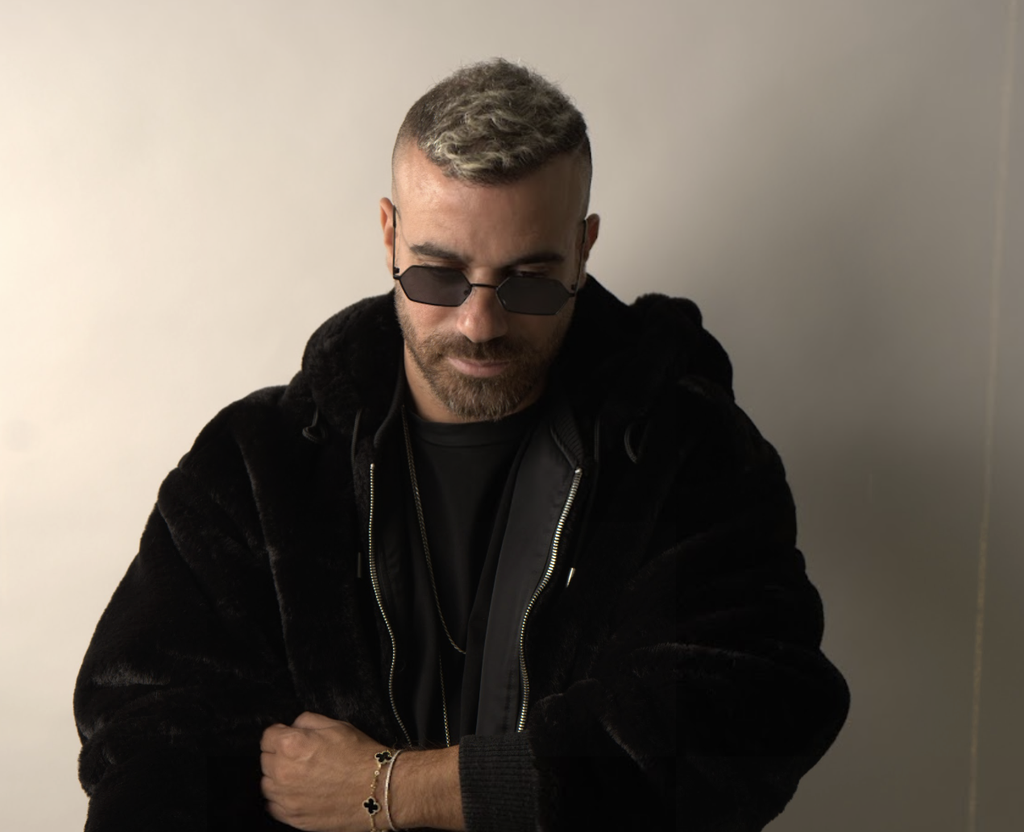
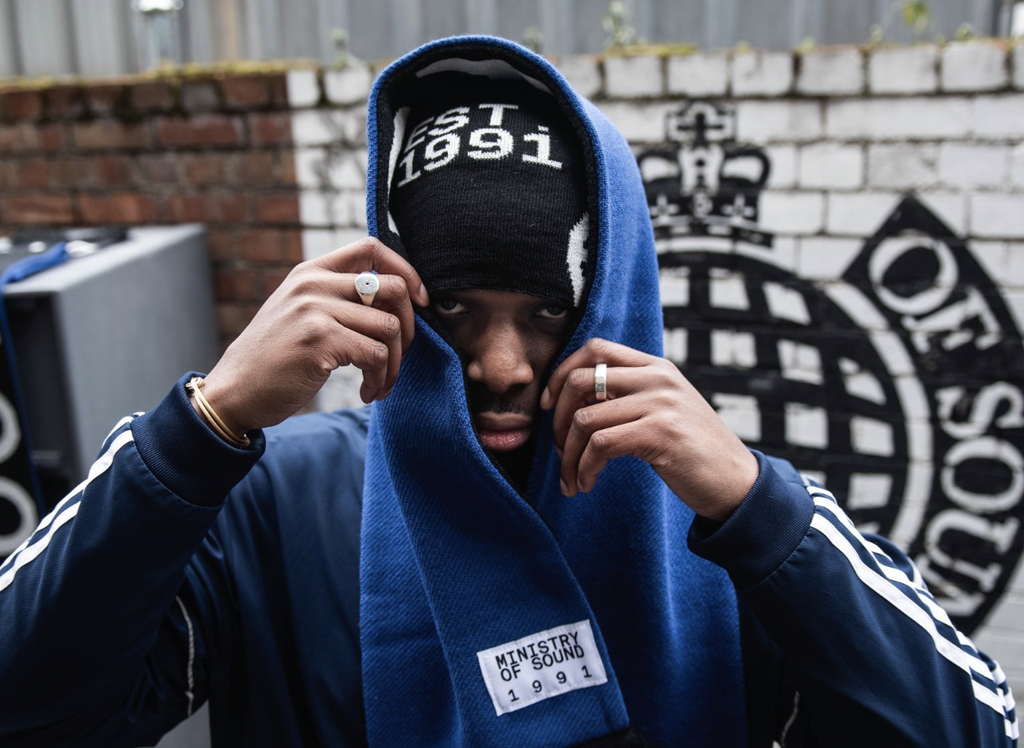
Pedro Matias (@pedro.matiasss) has built his catalog across deep, progressive, organic, and melodic house, and his work with Leonardo Britto on the Skyfall EP puts the focus on two records deliberately created from the same musical foundation.
“Skyrise” and “Skyfall” share many of their underlying production ideas, but the pair use that common starting point to explore opposite directions, with one centered on ascent and the other on descent.
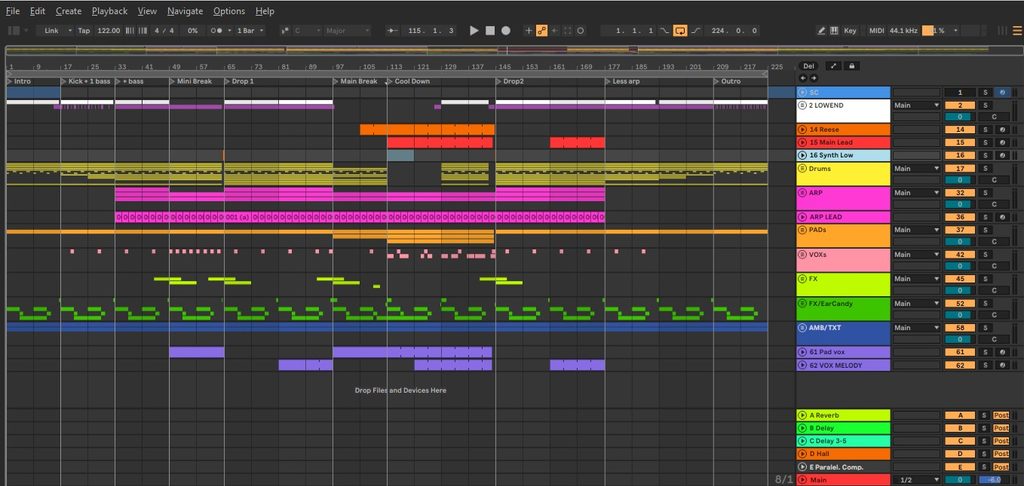
That relationship becomes much clearer once you get inside the projects.
The same Spire-led approach runs across both tracks, while layered Serum channels expand the arpeggios and a nine-part kick-and-bass group handles the low end. Instead of separating the two records completely at the production level, Matias and Britto use recurring sounds and techniques to make them feel connected before changing how those ingredients function within each arrangement.
The result is a production process built heavily around interaction between layers. Below, Pedro Matias explains his own contributions to the two-track EP and breaks down how he produced “Skyfall” and “Skyrise.”

Spire (Main Lead)

Spire is a powerful polyphonic software synthesizer that combines the best of analog and digital sound engines. It is widely loved for its rich oscillators and incredibly versatile modulation options. Whether you need a thick bassline or an ethereal lead, Spire delivers a pristine and punchy sound that cuts right through the mix while remaining warm and inviting.

For the main leads in both “Skyfall” and “Skyrise,” we used Spire to create a sound with subtle modulation and movement. We intentionally built these sister tracks on the exact same foundation to share a core aesthetic while exploring entirely different directions, as the names suggest an ascent and a descent honoring a true cosmic duality. We dialed in a gentle vibrato and a small amount of glide to give the synths more expression and a truly dynamic texture. The MIDI notes were composed with direct inspiration from the shared arpeggios, establishing a natural connection that complements the melodic layers without competing for space.
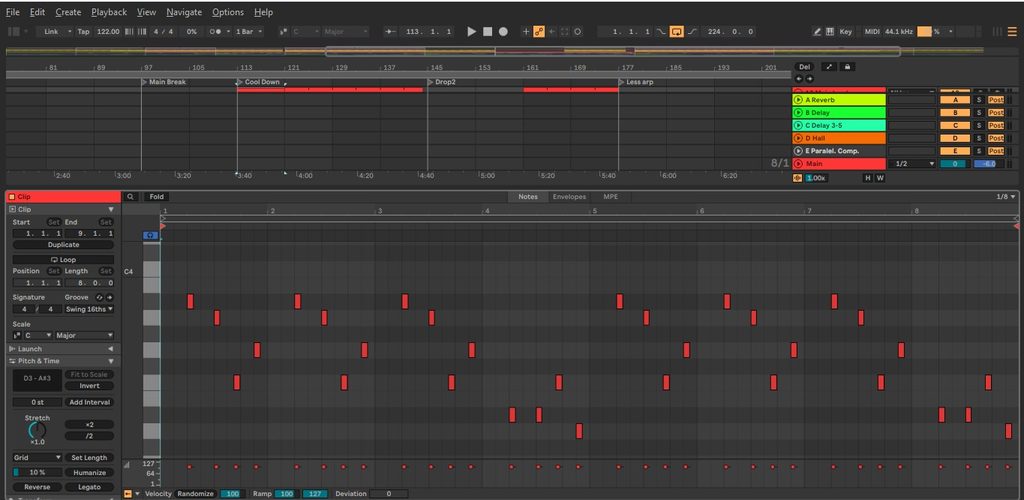
If you are producing organic or progressive tracks, we highly recommend using subtle modulation to add slight imperfections like a gentle vibrato or glide to your leads. This trick breathes life into digital sounds, making them feel much more human. Always make sure your lead melodies communicate with your background arpeggios rather than fighting them to build that deep and immersive atmosphere our genre thrives on.
Layering Arps (Spire + Xfer Serum)
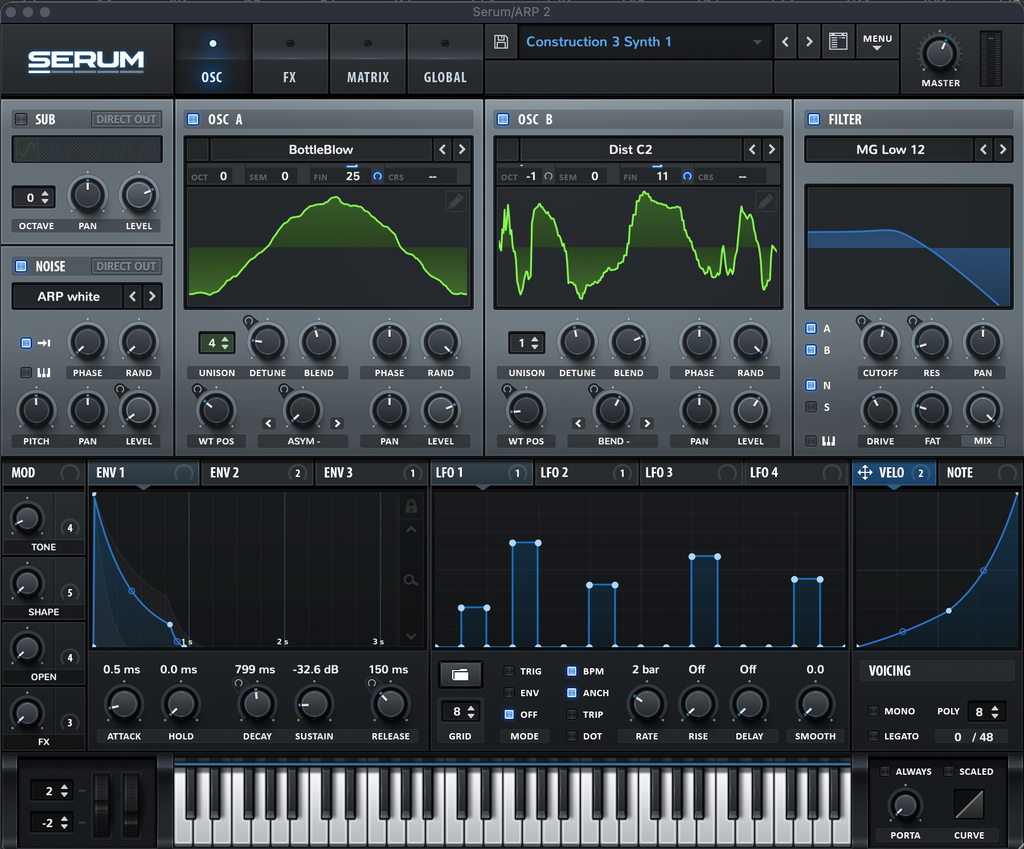
While Spire is incredible on its own, Xfer Serum is an absolute powerhouse wavetable synthesizer that we love using for complex sound design and foundational layers. Serum gives you unmatched visual feedback and clinical control over every harmonic, making it the perfect tool to build a solid sonic bed. When paired with the character of other synths, it helps create a massive full spectrum wall of sound that feels both precise and expansive.
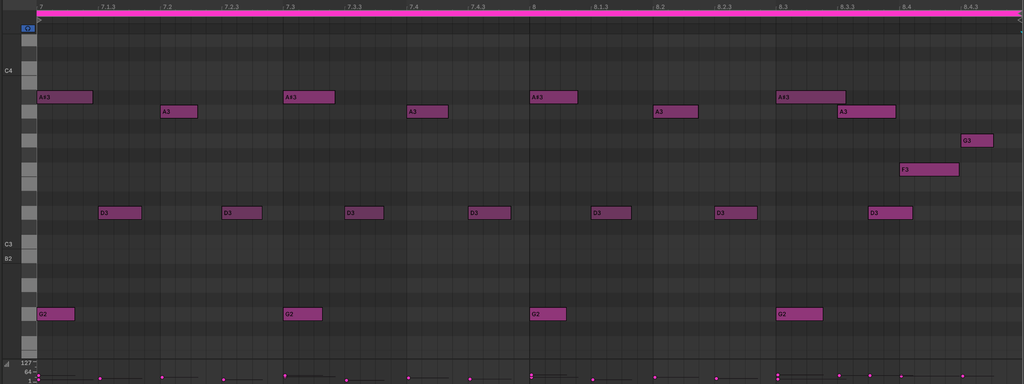
For the arpeggios driving both “Skyfall” and “Skyrise,” we actually used Spire as the main force, but we brought in Serum to act as the harmonic and melodic bed for this shared foundation. We set up two separate channels of Serum, totaling three channels just for the arp, which beautifully filled out the entire frequency spectrum. We used the “Construction 3 Synth 1” and “Construction 2 Sequence” presets from the Deep Progressive Serum sound bank. This specific layering technique provided a lush and thick texture that supported the main groove across both sister tracks while adding incredible depth to the overall mix.
For producers working in organic and progressive house, don’t be afraid to layer different synthesizers to get a wider and more complex sound. Using a wavetable synth like Serum for the wide harmonic bed alongside a punchier main synth can completely transform a thin loop into a massive festival ready arpeggio. Just make sure to carve out the frequencies with an EQ for each layer carefully so they occupy their own space in the spectrum!
Low End Layering (9 Layer Kick & Bass Group)
Creating a massive and driving low end isn’t usually about finding one magic plugin; it’s about the art of layering and grouping different elements to act as a single powerful unit. In organic and progressive house, the low end completely dictates the energy of the dancefloor, requiring both heavy weight in the subs and punchy clarity in the mid range. By carefully stacking specific kicks, basses, and percussive layers, you can build a three dimensional foundation. This approach allows us to control the groove precisely without muddying up the mix.
Because “Skyfall” and “Skyrise” share the same cosmic duality and aesthetic, we went all in and constructed a massive 9 layer group to make the underlying groove incredibly danceable and present across both tracks. We started with a strong main kick paired with a top kick for that essential click, then built the bass around a deep main bassline, a mid frequency bass layer, and a top bass that only accentuates certain notes. To fill out the spectrum and add movement, we brought in a tom low for extra groove, a dedicated sub, and a subtle Reese bass for some ear candy. Finally, we used a reverse sub in just two specific sections right after the intro and in the middle of the cool down to really push the track’s momentum forward and catch the listener by surprise.
When producing organic or progressive house, we highly recommend treating your low end as a puzzle where each piece has a very specific job. If you decide to use multiple layers like we did, careful EQing is your best friend to ensure the sub, mid bass, and top layers don’t clash and cause phase issues. Always remember that movement is key; adding subtle background layers like a Reese bass or a strategically placed reverse sub can transform a static loop into a living and breathing groove.
Quick Fire Hot Takes on the Scene + Production
Hot Take #1
In a scene often obsessed with chasing the next commercial trend, staying true to your artistic authenticity is the ultimate rebellion. The real magic in organic and progressive house happens when we prioritize musical truth and genuine emotional connection over algorithmic success.

Hot Take #2
Producers spend too much time looking for a single magic plugin instead of learning the art of layering and carving out frequencies. A thick festival ready track isn’t built from one preset, but from a dozen subtle elements communicating perfectly with each other.

Hot Take #3
Right now, artists need to pay far less attention to broad social media metrics and much more to building real dedicated communities. Nurturing a close knit group of listeners who truly understand your vision is far more valuable than a thousand passive followers.
Hot Take #4
Your visual presentation is just as important as your sonic footprint, and artists shouldn’t neglect the power of high definition storytelling. Investing time in how your music is experienced visually completely elevates how the audience connects with your sound.

Hot Take #5
The next big wave of electronic music isn’t going to come from chasing global templates, but from strong regional scenes developing their own identities. The scene thrives precisely when local communities bring their unique cultural roots straight into the studio.

Will Vance is a professional music producer who has been involved in the industry for the better part of a decade and has been the managing editor at Magnetic Magazine since mid-2022. In that time period, he has published thousands of articles on music production, industry think pieces and educational articles about the music industry. Over the last decade as a professional music producer, Will Vance has also ran multiple successful and highly respected record labels in the industry, including Where The Heart Is Records as well as having launched a new label with a focus on community through Magnetic Magazine. When not running these labels or producing his own music, Vance is likely writing for other top industry sites like Waves or the Hyperbits Masterclass or working on his upcoming book on mindfulness in music production. On the rare chance he's not thinking about music production, he's probably running a game of Dungeons and Dragons with his friends which he has been the dungeon master for for many years.