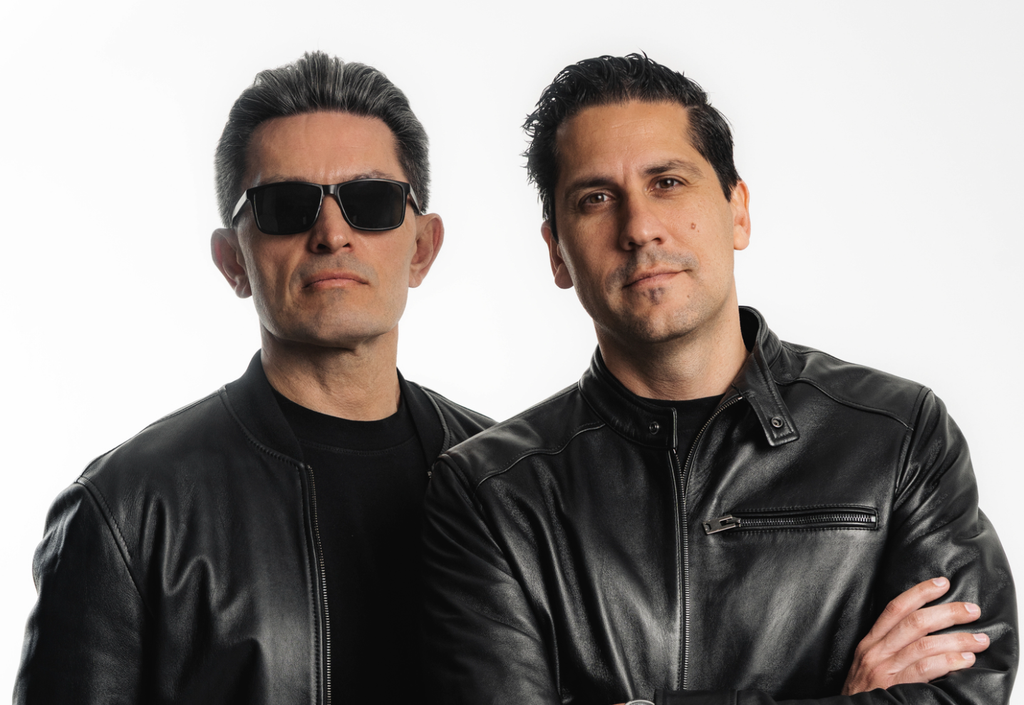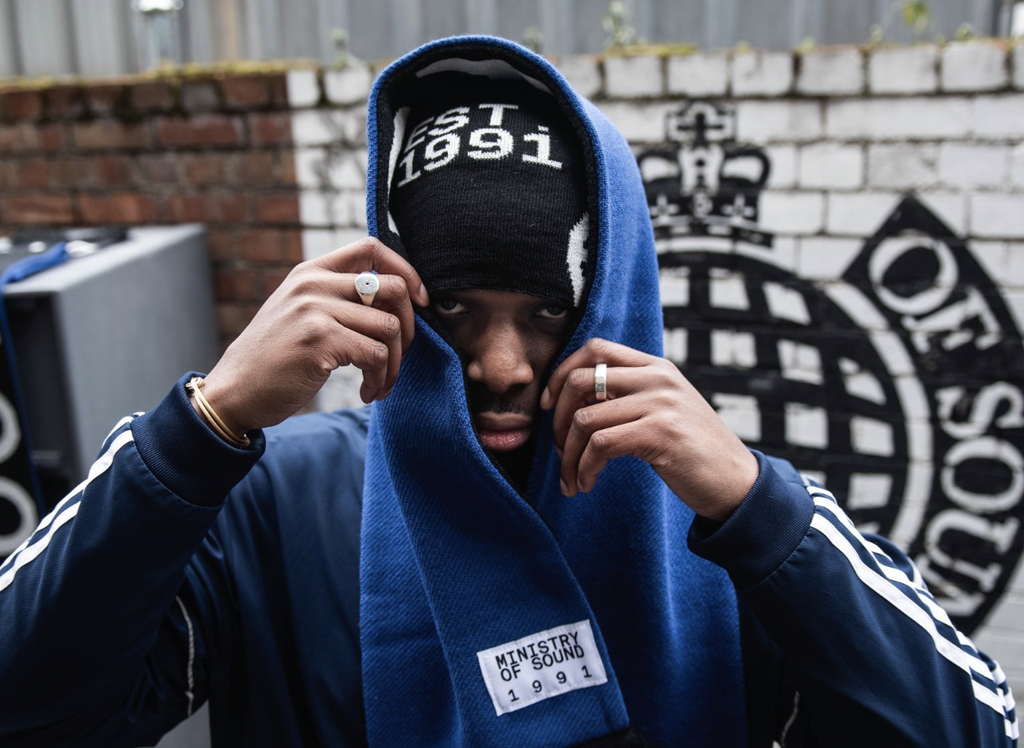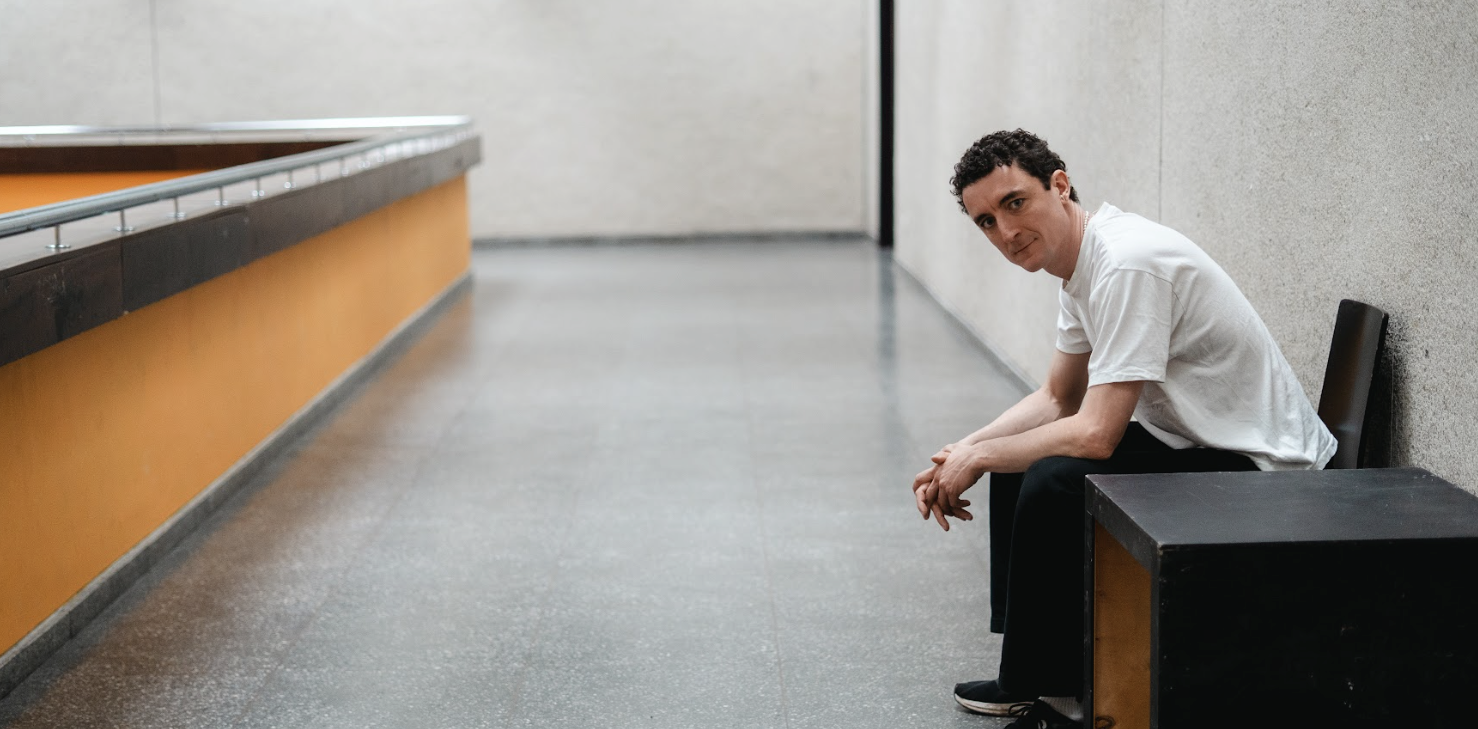
U-T and Nikita von Tiraspol’s (@nikitavontiraspol) Nights In Tokyo EP started with a late-night studio meeting at Maison Amper in Tokyo, then split that original idea into three different interpretations. U-T takes the more rhythmic, energetic route, Ko Umehara moves toward minimal territory, and Nikita’s version pulls the record into dub techno, complete with a trumpet part he recorded himself.

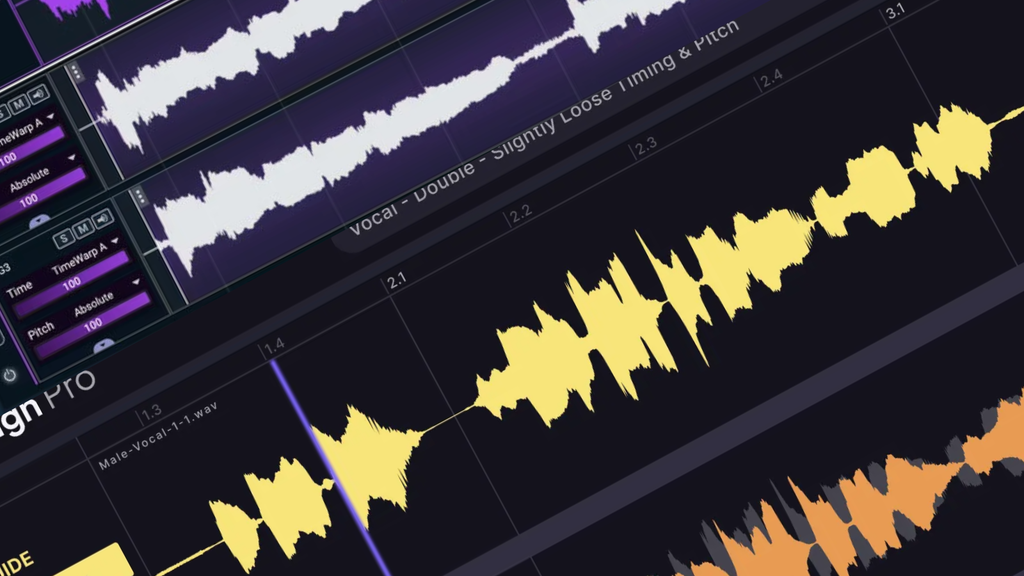
Released August 25 on Kontrapunkt, “Maison Amper (Nikita’s Version)” is especially interesting because much of its character comes from decisions that are deceptively basic on paper. Ableton’s stock compressor handles an extensive network of sidechaining, high-frequency echoes turn existing toms into additional details, and duplicated drum parts are pushed left and right with small differences between them.
The trumpet eventually enters toward the end, adding an acoustic element to a production otherwise built heavily inside Ableton.
There is a recurring production idea behind all of it: use what is already in the project before reaching for another sound or another plugin. Nikita builds movement by making existing parts interact differently, while the trumpet introduces the slight imperfections he specifically looks for in real instruments. Below, he explains how “Maison Amper (Nikita’s Version)” came together.
Ableton’s Built-In Compressor

My favorite plugin is Ableton’s built-in compressor. Almost every channel is being sidechained to another one. I think of the compressor like a conductor of one of the many orchestras I played in when I was younger. A Conductor who tells each instrument not only when to play and how loud but which other instruments need to get more space.
The Kick and Bass are being sidechained against almost every other channel for the clarity and punch of both of them. The dub chords got a lot of sidechain as well because they were quite heavy and took a lot of space in the final track. I think about which sound needs more space and let the compressor push the other channels back. The only channel that is not being sidechained is the clap with the super long echo that sounds like a gunshot. I wanted this one to have much more pressure, which makes it sound threatening, irritating and mysterious at the same time.
I’m a big fan of Ableton’s stock plug-ins, and I would argue most producers haven’t even discovered all of their functions yet. I never understood why people spend a lot of money on plugins if you can get a similar result with what you already got.
Also I highly recommend including real instruments. They make any track so much more interesting. I think it’s the slight imperfections that make them so special.
Trumpet
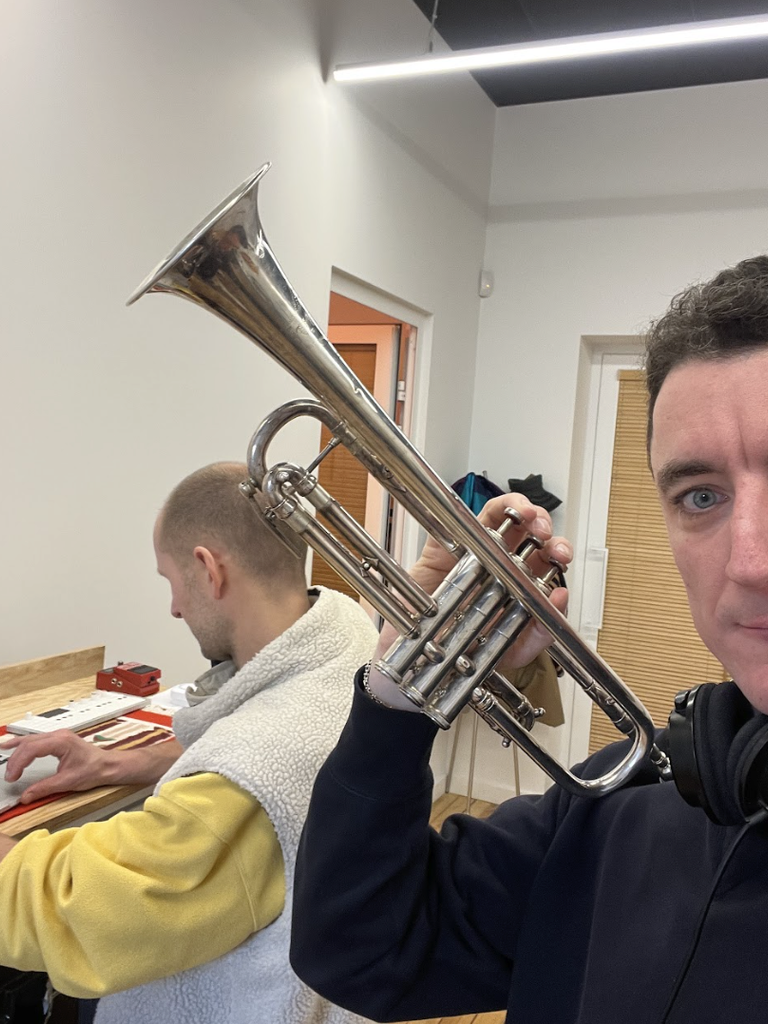
For sure my trumpet. It took me years to bring it back into my songs, but on this one it’s finally there and it’s adding a very vibey, wanderlust-filled, mystical touch to the whole dub techno track. You will only hear it towards the very end of the track.
It took me many takes to finally get the trumpet sound the way I wanted it. Setup was also very DIY: I recorded it in my bed under the blanket. Best sound booth I can think of!
I played it through the harmon mute that Miles Davis made famous in order to get that glass-sound that is both warm and cold.
Even if you don’t play any instrument: get the cheapest one you can find!
Manage to play one tone. Record that tone and use it as a pad or pedal tone. Et voilà you will have one sound in your song that no-one else in the whole world can reproduce.
Ableton EQ Eight + Echo
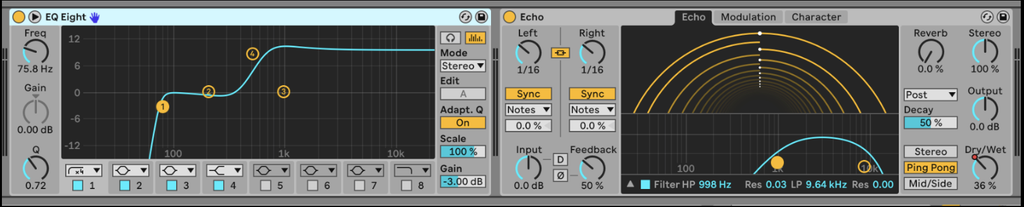
Adding echos to toms sounds unintentional because I’ve so often heard that you shouldn’t add delay, reverb or echo on the low frequency instruments. But if you add an echo only to the high frequencies you will get a very interesting clicky sound that is surprisingly pleasant to listen to.
In my track it adds a lot of ear candy. You won’t hear it on the first listen. But it keeps the track interesting even after listening to it over and over again.
It’s a fast and easy way to add some ear candy. Most likely your song already has some toms anyway. Just add these two plugins and your song sounds more interesting with 3 min of extra work. Or just add it to your tom-channel preset.
Stereo Drum Layering
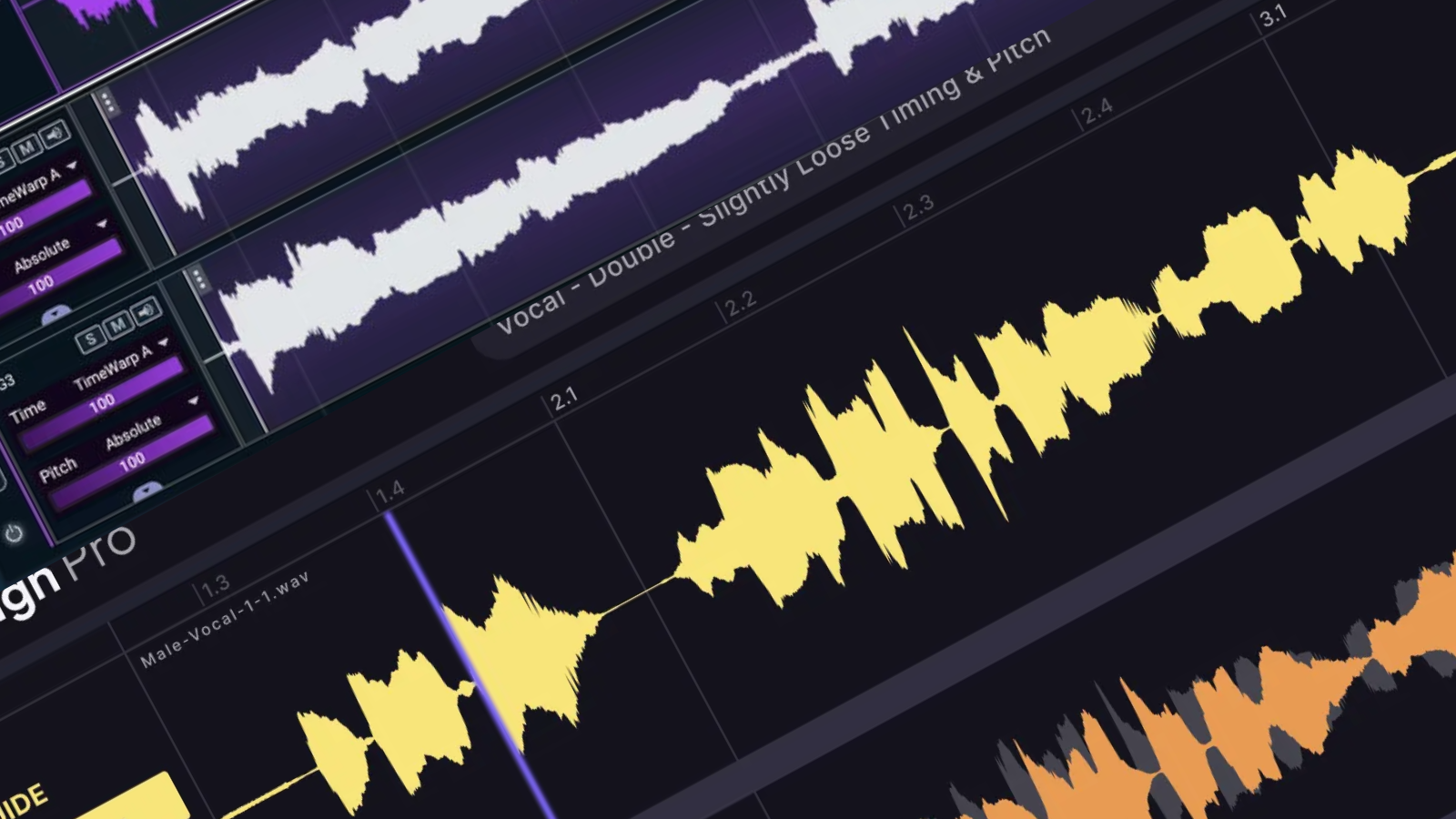
I love to take sounds, duplicate them and pan one completely to the left and the other one to the right. If you slightly change the pitch or quantization or whatever it creates incredible interesting details. Think of identical twins. You don’t realize in the beginning who is who, but after spending some time with them, you start to see and hear their differences.
I love to use it on drum rolls, snares, hihats, symbals, all the high frequency sounds. And ofc I automate it towards the drops.
If you have a drum roll or hihat that builds up towards a drop anyways, simply duplicate the channel, pan it left and right and slightly change a parameter. 2 min of work for a lot of more tension and attraction.
Quick Fire Hot Takes on the Scene + Production
Hot Take #1
When people complain that a specific genre like Afro House “all sounds the same,” they are only exposing their own ignorance. The rule that music “all sounds the same” strictly applies to genres you don’t listen to.
Hot Take #2
When it comes to producing, overthinking is the biggest enemy. You can reliably get 80% of a track finished with just 20% of the effort if you trust your gut feeling. Do it first and think about it later!
Hot Take #3
Artists need to spend more time figuring out exactly who they are and what story they actually want to tell. And the real heroes are the ones who manage to balance their artistic life with a stable, long-term relationship or family.
Hot Take #4
People who only hate on AI getting integrated into music production are the new boomers.
Hot Take #5
The “good old times“ so many of us are chasing won’t come back. Everything seemed better in the past. Even the future.
Hot Take #6
Artists who manage to build a stable long-term relationship or even a family while maintaining their artist career, are the real heroes.

Will Vance is a professional music producer who has been involved in the industry for the better part of a decade and has been the managing editor at Magnetic Magazine since mid-2022. In that time period, he has published thousands of articles on music production, industry think pieces and educational articles about the music industry. Over the last decade as a professional music producer, Will Vance has also ran multiple successful and highly respected record labels in the industry, including Where The Heart Is Records as well as having launched a new label with a focus on community through Magnetic Magazine. When not running these labels or producing his own music, Vance is likely writing for other top industry sites like Waves or the Hyperbits Masterclass or working on his upcoming book on mindfulness in music production. On the rare chance he's not thinking about music production, he's probably running a game of Dungeons and Dragons with his friends which he has been the dungeon master for for many years.