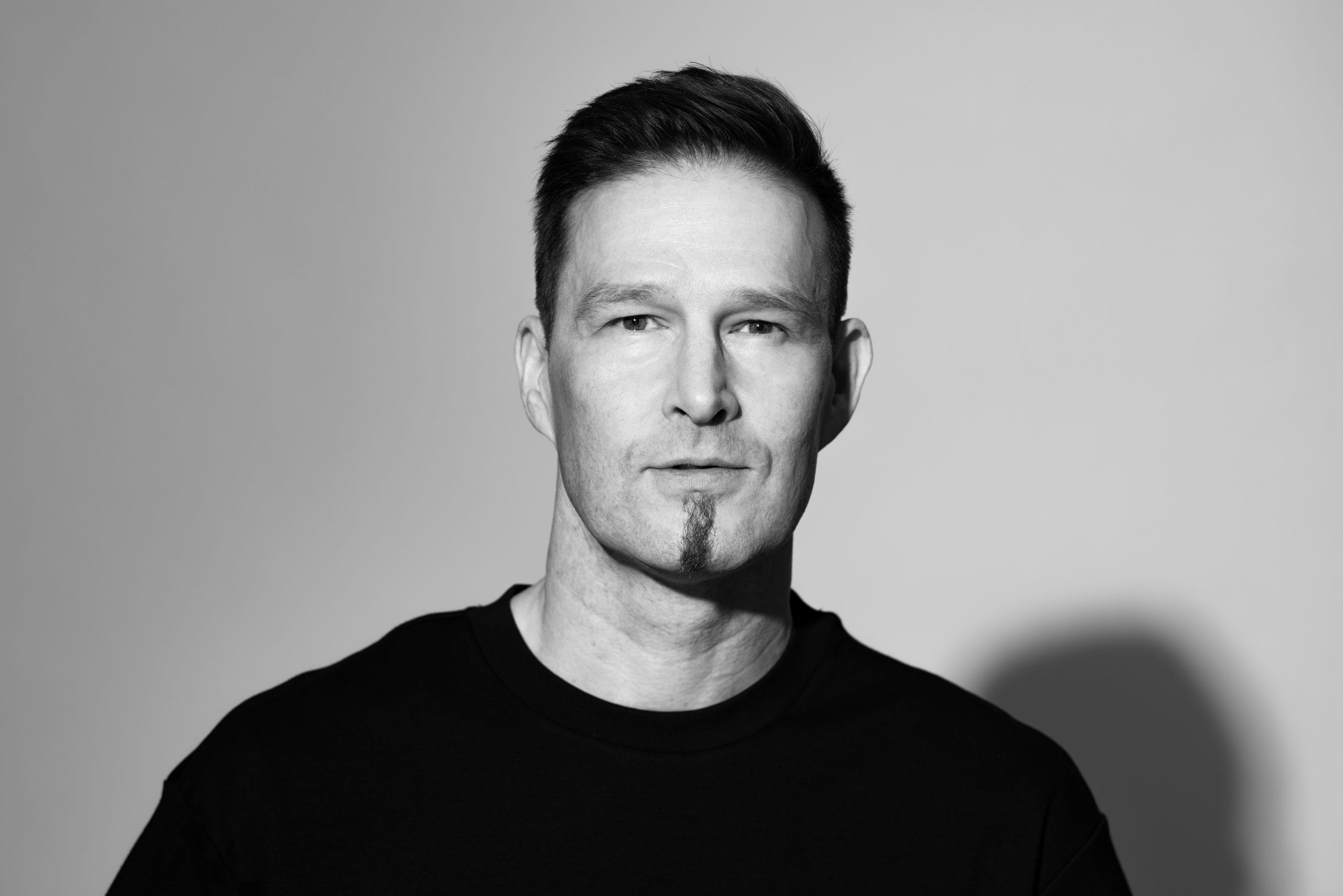
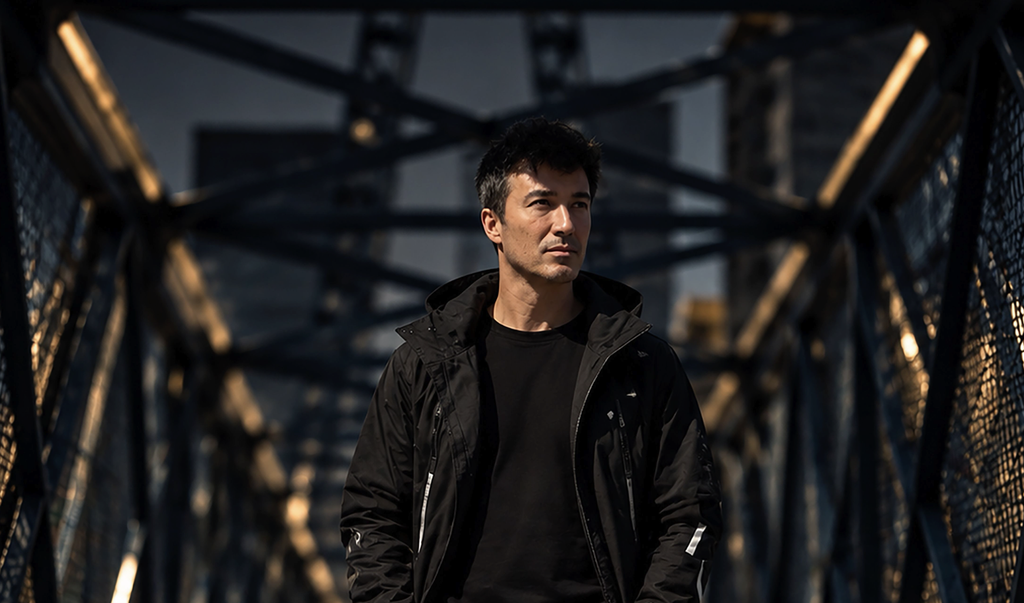
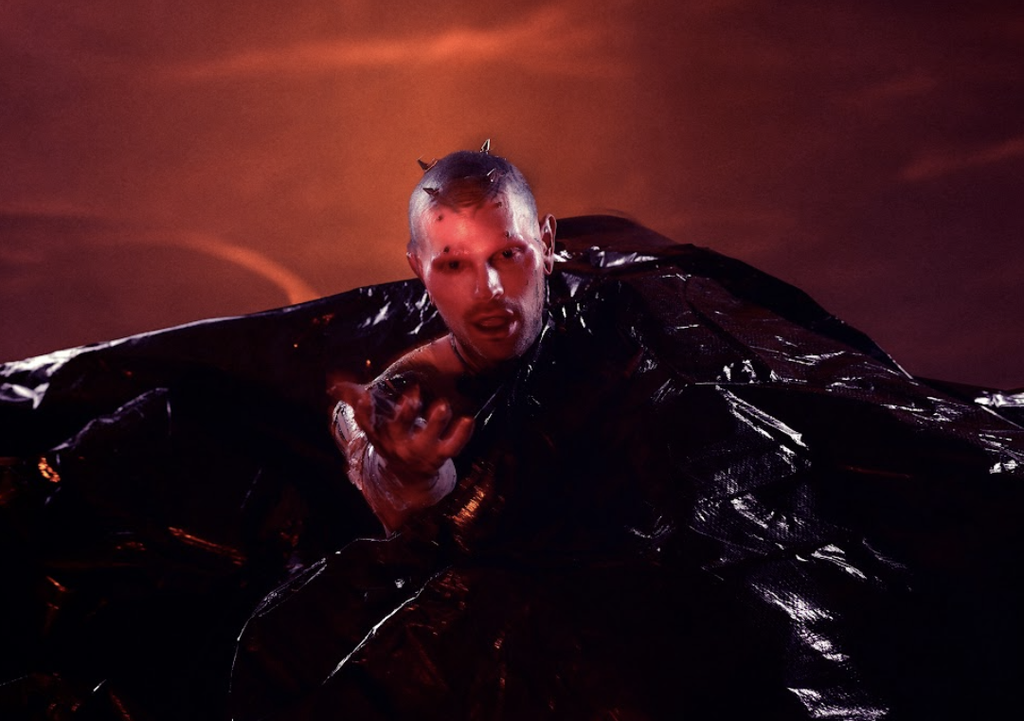
FLY’s (@flybassmusic) “MONSOON” arrives as one of the clearest statements yet from the Los Angeles-based bass producer. Released June 26, with a cinematic music video which premiered July 23, the track folds together heavy low-end, hip-hop attitude, sharp sound design, and a release-and-reset dynamic that has already made it a fixture in larger bass sets before its official rollout.
The video pushes that physicality further, building the visual world around a custom rain room installation in Los Angeles. That choice fits the track well. “MONSOON” is not only built for impact. It is built around pressure, atmosphere, contrast, and the satisfaction that comes when a moment finally breaks open. The release also offers a first major look at FLY’s forthcoming EP, placing the track at the front of a larger creative chapter.
The interview below gets into the live side of that same thinking. FLY talks about reading crowd energy, staying steady when things go sideways, knowing when to shift styles, and why taste often decides more than technique alone. His answers make “MONSOON” feel less like a single drop built for reaction and more like a study in timing: when to hold back, when to push, and when to let the room give the energy back.
Interview With FLY

Beyond track selection, how do you see your role in guiding the energy of a room?
I feel like I mainly respond to the energy in the room in a sort of organic way that feeds off itself because if the crowd is engaged then I get more engaged and that builds up naturally. Some shows the crowds feel super hyped right away and it puts me in a headspace that I think inspires everyone to let loose and go hard without worrying about what we look like in that moment.
That’s the beauty of going to shows: it creates a space where we can exist without feeling perceived.
When unexpected moments arise, how do you keep a dancefloor grounded without the whole vibe in the room you’ve created falling apart?
I think it’s mostly staying comfortable in the moment and not letting things affect your own mood or state of mind, which helps keep everyone in the same headspace since normally they’ll reflect your energy back.
Also, I think it’s helpful having a couple tricks up your sleeve that you know work for your sets when you need to jumpstart the energy again, whether it’s an edit or vocal that you know the crowd will instantly resonate with and help everyone get back into the flow.
What signals tell you a room feels slightly off or the energy is changing, and how do you respond?
I mainly notice this when playing certain styles that may get a great reaction at a certain show but in another situation may leave the energy kind of flat, and that has to do with a variety of factors depending on which artists you’re playing with etc., since certain styles may not work as well at some shows and it’s normally pretty easy to spot it and adjust accordingly.
I’ll usually lean into the style that feels more appropriate in that context while still generally sticking to what I had planned.

In your experience, how much awareness and intuition does great DJing actually require compared to technical skills or just the quality of what’s on your USB?
I think taste is by far the most important characteristic. The flow of a set is very important and technical ability is definitely helpful, but at the end of the day the most important thing is that the crowd resonates with the songs and can relate to them, which will always be more appreciated than a perfectly technical set of songs that don’t reach people emotionally. That being said, it’s a lot easier to enjoy the flow of a set when it’s mixed properly, so that is also very important, but I’d say that’s a lot easier to “learn” than something like developing taste.
How do you read the difference between a room that needs patience and a room that needs a sharper push from the DJ?
For me it’s mainly understanding the context. My set time, club vs festival, indoor vs outdoor, and who else is performing that day will all dictate how I structure the energy of my set so that it makes sense within that day of music. I’d say in general I’m mostly playing out the new songs I’ve been writing at that time so my sets don’t sway too far from that, but I’ll definitely tweak how I start and finish depending on all of those factors.
The music video for your latest single “MONSOON” seems to be built around a constant push and pull between tension and release. How does that same philosophy influence the way you read a room and decide when to hold back versus when to completely unleash the energy?
Yea I think that ebb and flow is what helps create a sense of satisfaction when something finally hits, and how the negative space and moments of calm are necessary to highlight the higher-energy moments which help them be more impactful.
These dynamic changes help keep the energy feeling fresh throughout a 60-90 minute set.
Closing Thoughts
FLY’s answers are sharpest when he talks about energy as something that moves both ways. He is not describing the room as a passive target that needs to be hit harder until it responds. He is describing a feedback loop: the crowd gives him something, he gives it back, and the set starts to feed itself. That is a better way to understand “MONSOON” than simply calling it heavy. The track works because the pressure has timing around it.
That connects with my interview with INFEKT around ORGANIC DUBSTEP, where the heavier side of bass music was framed as a matter of identity and control rather than volume alone. FLY sits in a different pocket of the bass world, but the same rule applies. Low-end impact only lasts if there is taste behind when it appears, how long it stays, and what kind of space surrounds it.
His answer about taste also sits beside ONARA’s interview on SoundCloud digging and modern riddim. ONARA talked about the value of discovery and instinct inside a scene that can move quickly around trends and micro-styles. FLY’s point is broader, but it lands in the same place.
Technique can be learned, and a USB can be stacked, but taste is the thing that tells an artist which record belongs in this room, on this system, at this moment.
The video side links naturally to my piece on BARELY ALIVE’s 100% NO AI EP, not because the records sound the same, but because both projects push against the idea that bass music is only about impact mechanics. BARELY ALIVE leaned into human-made chaos and brostep physicality. FLY uses rain-room imagery, cinematic tension, hip-hop pressure, and crowd-tested low-end to turn “MONSOON” into something that feels visual before the drop even lands.
The most important part of the interview may be his answer about context.
Club vs festival, indoor vs outdoor, set time, and surrounding artists all change what a room needs. That is the part of DJing that rarely shows up in clips, but it shapes the whole night. The same track can feel massive in one slot and wrong in another. FLY seems aware that a good set is not only about having weapons. It is about knowing when the weapon actually fits the room.
That is why “MONSOON” feels like a strong release for this stage of FLY’s project. It has the obvious festival weight, and the support history already proves it can travel, but the interview gives it a more specific reading. The track is about force, but also about restraint. It is about the hit, but also the space before the hit.
FLY’s next chapter will likely depend on that balance: making bass music that can crush a room without losing the instincts that tell him when to wait.

Will Vance is a professional music producer who has been involved in the industry for the better part of a decade and has been the managing editor at Magnetic Magazine since mid-2022. In that time period, he has published thousands of articles on music production, industry think pieces and educational articles about the music industry. Over the last decade as a professional music producer, Will Vance has also ran multiple successful and highly respected record labels in the industry, including Where The Heart Is Records as well as having launched a new label with a focus on community through Magnetic Magazine. When not running these labels or producing his own music, Vance is likely writing for other top industry sites like Waves or the Hyperbits Masterclass or working on his upcoming book on mindfulness in music production. On the rare chance he's not thinking about music production, he's probably running a game of Dungeons and Dragons with his friends which he has been the dungeon master for for many years.