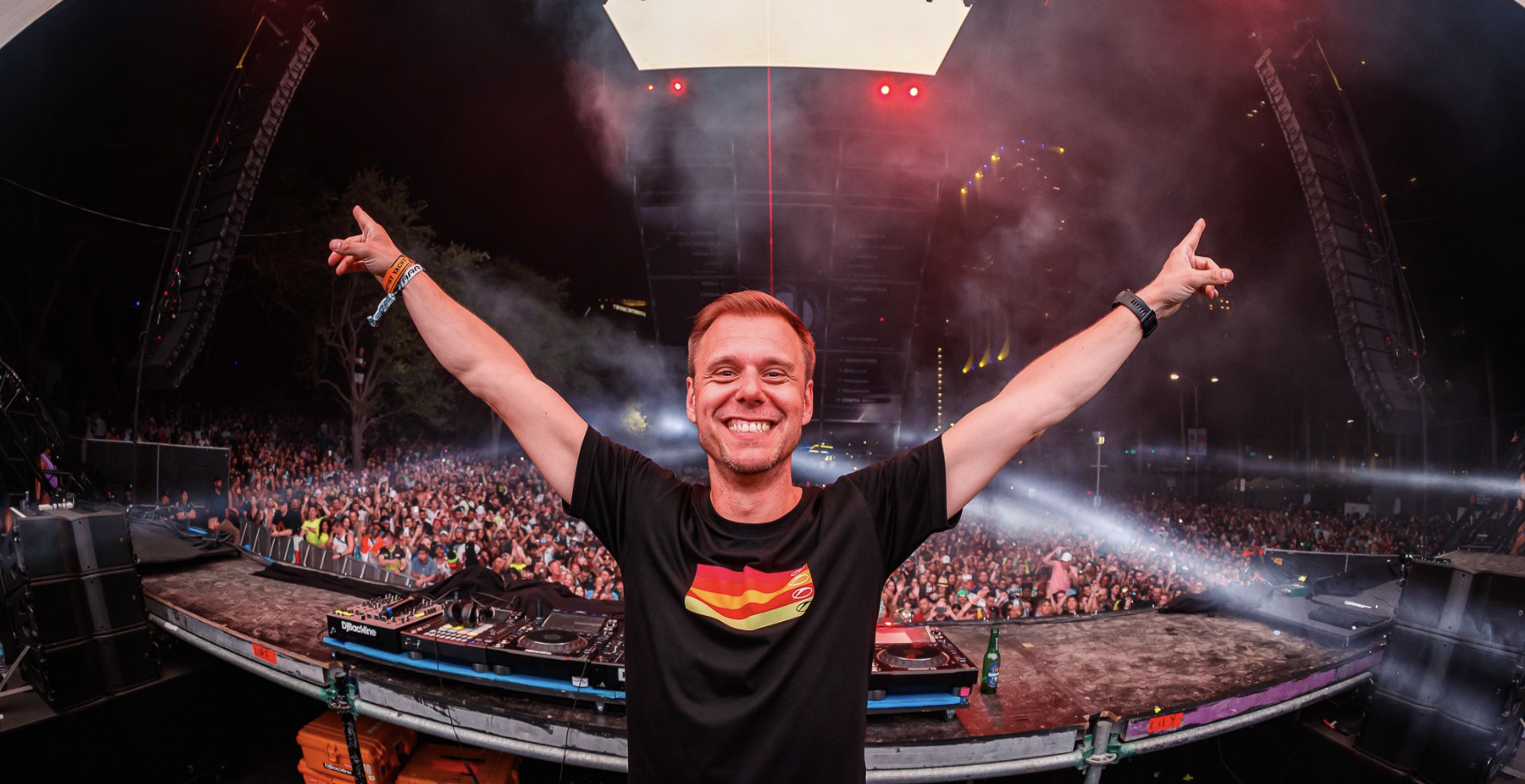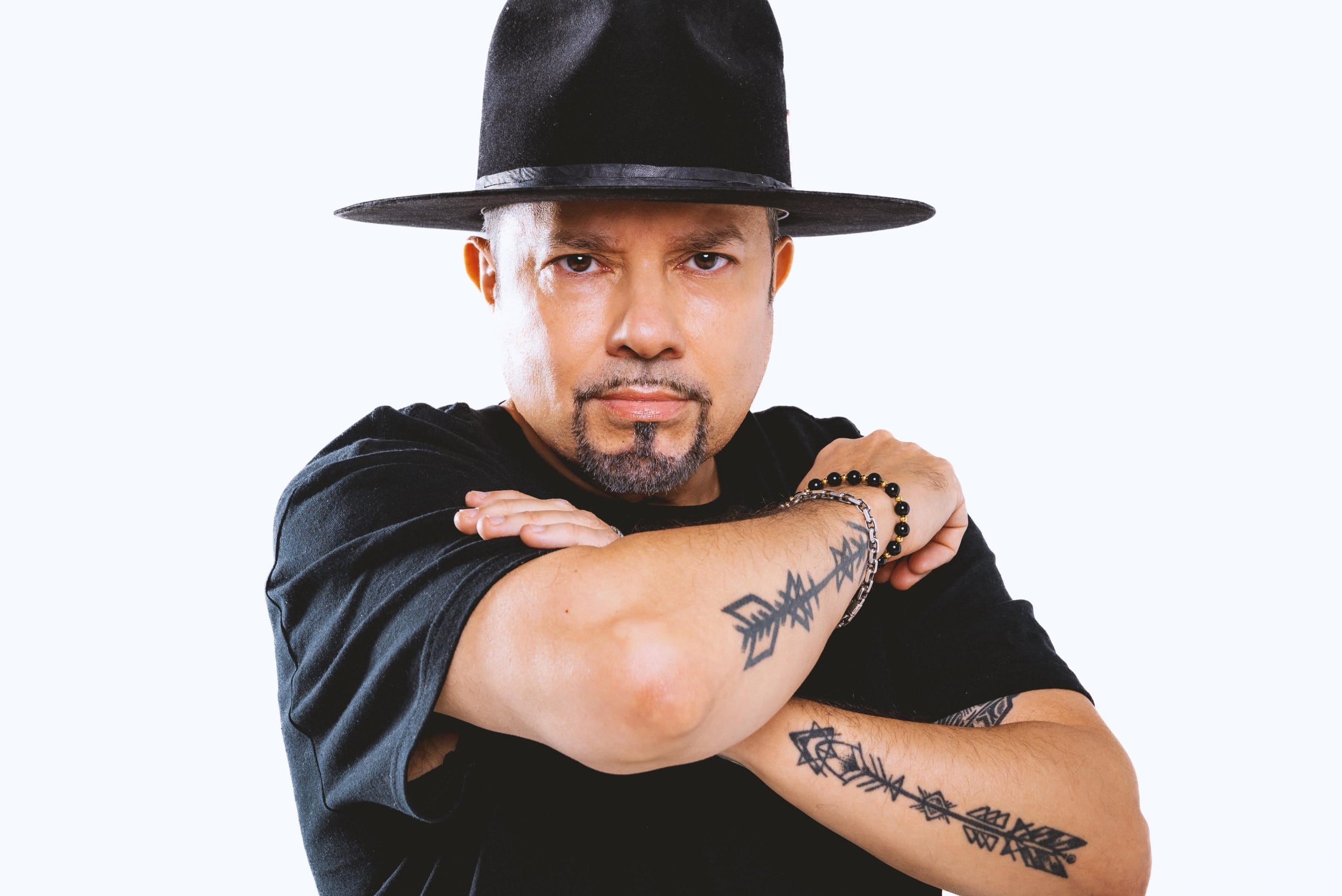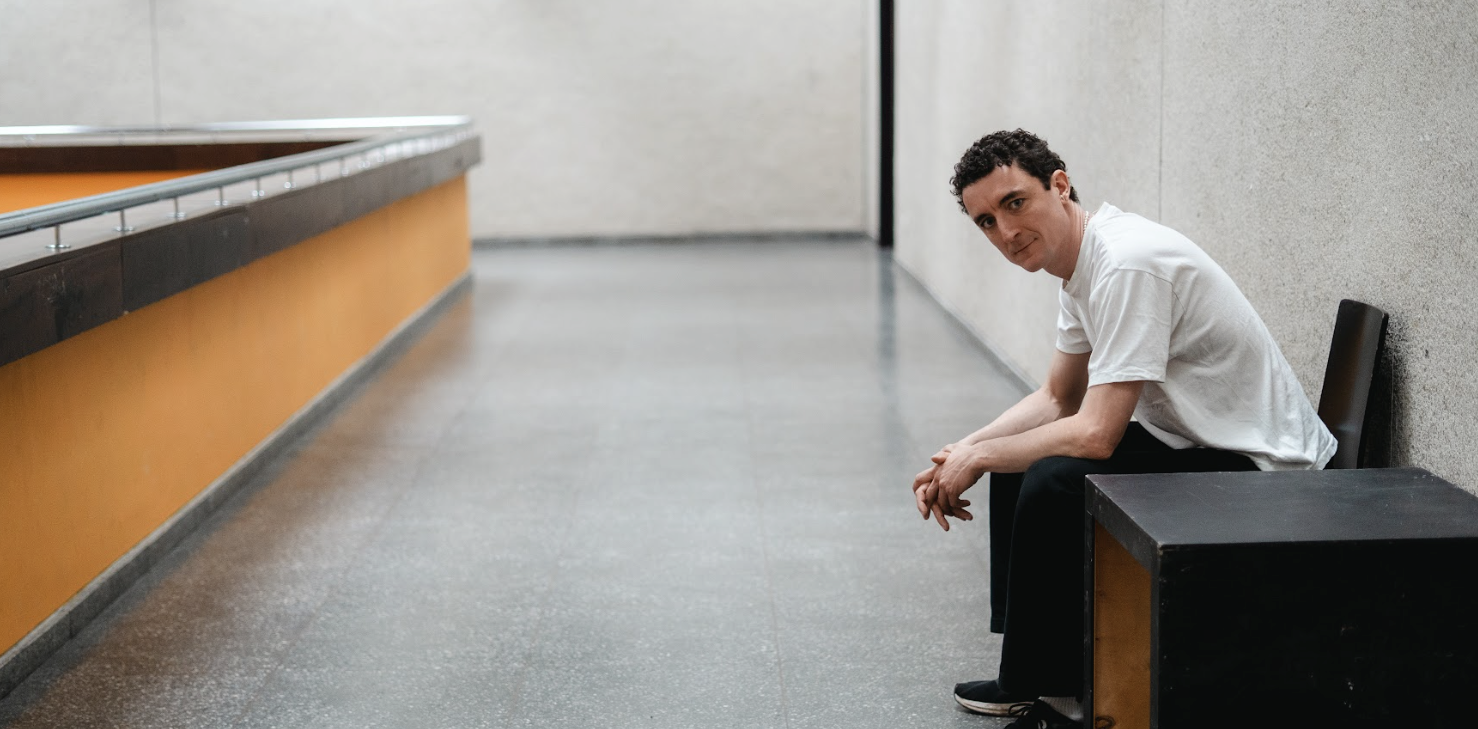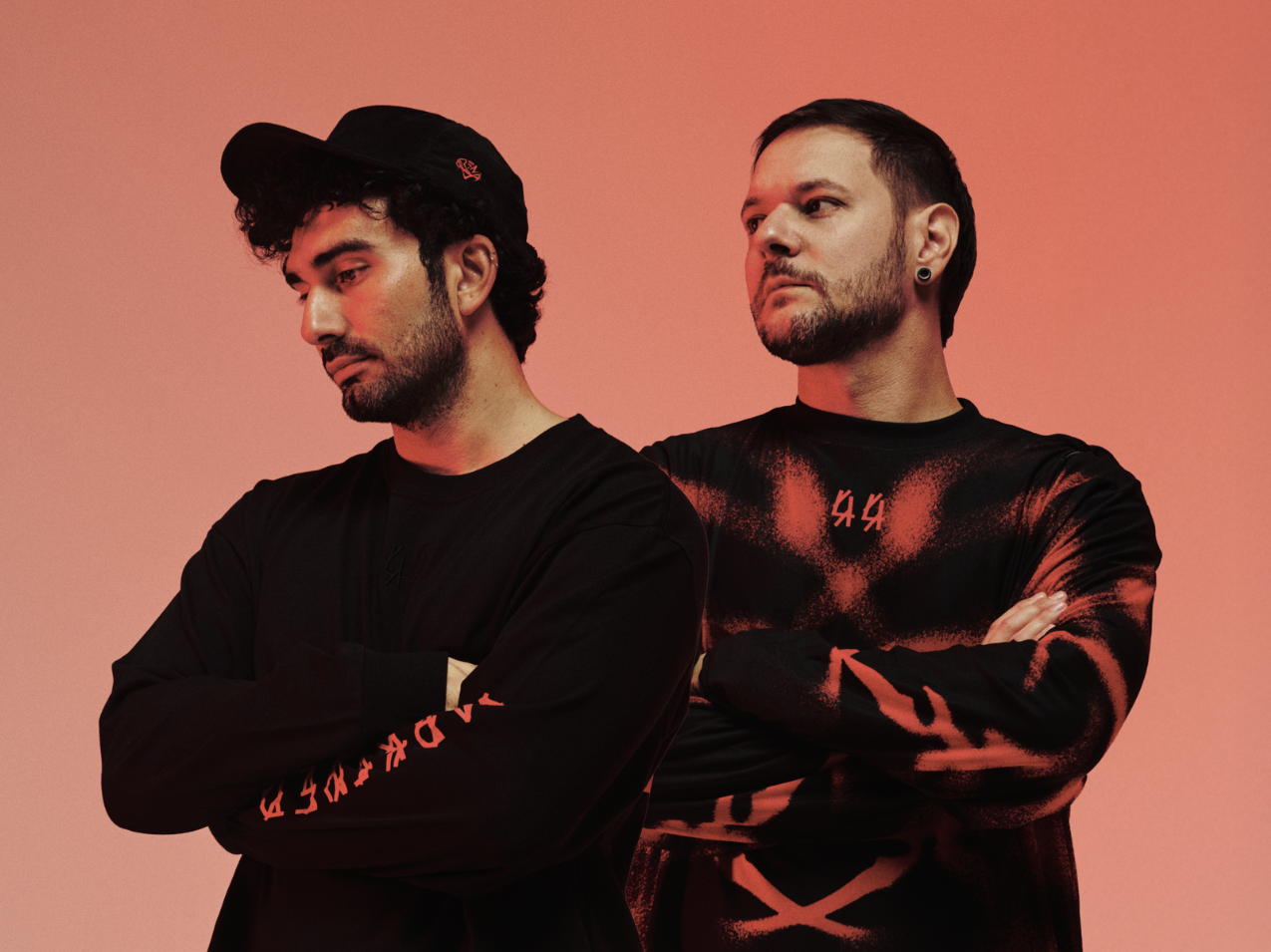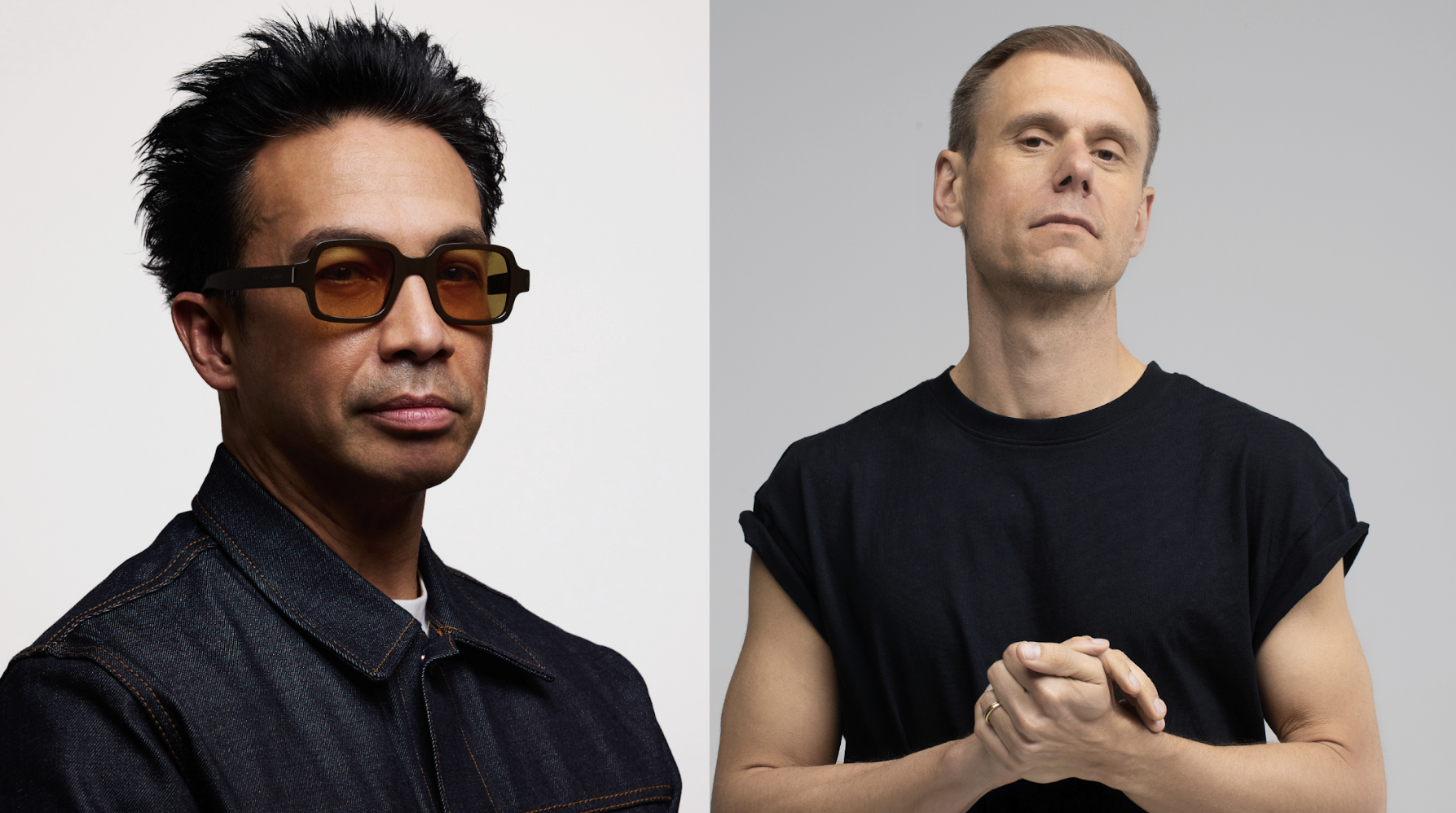
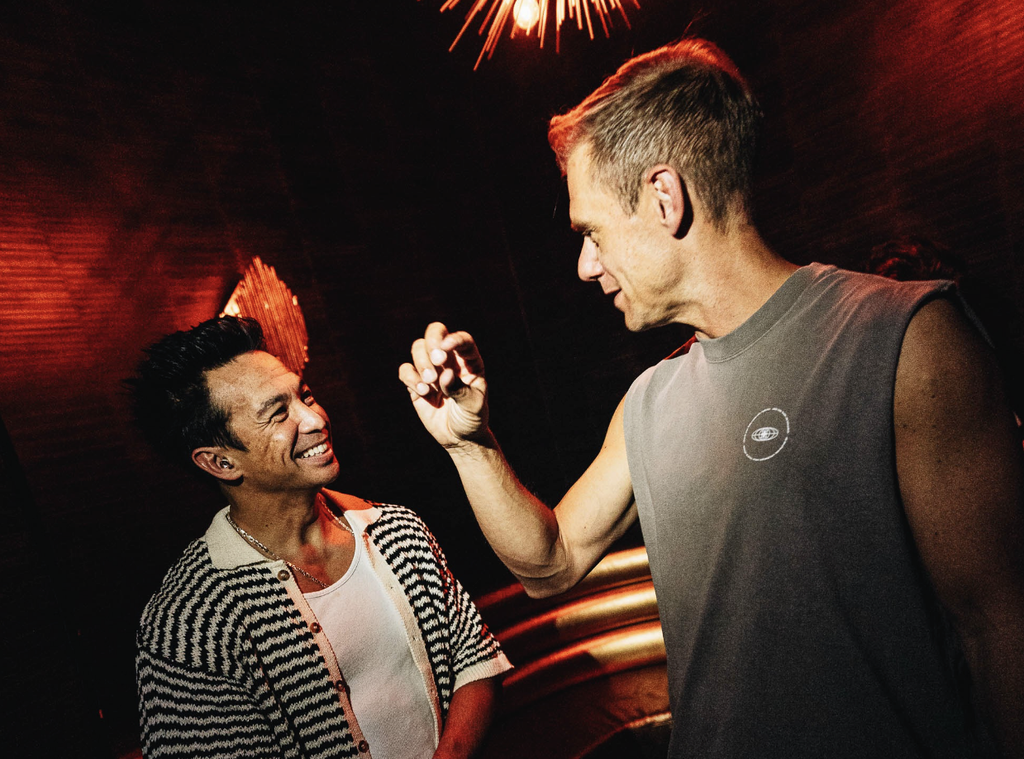
Moises has announced Armin van Buuren and Laidback Luke as the first members of its new Artist Partnerships program, and the timing feels intentional.
AI in music is still stuck between two very different conversations. One side is all anxiety: replacement, ownership, consent, training data, and whether creative labor gets flattened into prompt output. The other side is much more familiar to producers and DJs because music technology has always advanced as artists found faster ways to hear ideas, separate parts, practice harder, perform better, and build tracks with greater control.
Moises is clearly trying to plant itself in the second conversation.
The Artist Partnerships program gives leading musicians a role in shaping the company’s creative suite, with Artist Partners advising on product strategy, helping develop features for their own disciplines, and joining public conversations around music technology. Van Buuren and Laidback Luke are the first names attached to the program, and Moises plans to add more artists, producers, and engineers across additional genres over the next year.
That is the smarter version of an AI-music announcement. Instead of leading with vague future-speak, Moises is putting two artists with long technical histories in the room where products are shaped.
Dance Music Is the Right Starting Point
Choosing dance music as the entry point makes sense.
Electronic artists have always been early adopters, and not only in the obvious “new gear is exciting” way. The culture was built by people bending machines into new creative habits: samplers, drum machines, CDJs, DAWs, plugins, stem tools, sync, controllers, live rigs, and hybrid DJ setups that keep changing how records are made and performed.
Armin van Buuren and Laidback Luke bring different sides of that history. Van Buuren’s reach is massive, but his relevance here is not only about scale. He is a GRAMMY-nominated artist, co-founder of Armada Music, and host of A State of Trance, a radio show with more than 40 million listeners. He has seen electronic music move across decades of format changes, from club records to radio ecosystems to festival culture to modern creator platforms.
Laidback Luke brings a different kind of credibility.
He has spent years as a DJ, producer, label founder, educator, and mentor, with Mixmash Records, production forums, masterclasses, and a track record of supporting emerging artists including Avicii and Afrojack. His credits also span major pop and electronic artists, including Daft Punk, Kanye West, Rihanna, Madonna, Jay-Z, and Pharrell.
That combination gives Moises access to two artists who know how producers actually work, where young DJs get stuck, and which tools help without making the creative process feel automated into mush.
The Better AI Question Is Control
The most important line in this announcement is not the artist list.
It is the control argument.
Moises is positioning its creative suite away from prompt-based song generation and toward tools that help musicians practice, perform, create, and collaborate while keeping artistic decision-making in the user’s hands. Van Buuren’s quote lands directly on that point: technology can help producers move faster and become more expressive, but the artist has to stay in control.
Laidback Luke’s quote sharpens the same idea from the educator side. The best tools do not do the work for young producers. They help them hear more, learn faster, and make better decisions.
That distinction is important because most producers are not against technology. They are against technology that turns them into spectators inside their own work. Stem separation, learning tools, pitch and tempo controls, enhancement, arrangement help, practice features, and recording workflows can all support musicians without pretending to replace them. That is also where Moises’ training-data claim becomes part of the story. The company says its AI models are trained only on licensed and authorized content, which gives the program a cleaner ethical foundation than many AI-music launches that try to skip past the consent question.
We have covered adjacent concerns before in our article on Beatport and Beatdapp’s AI detection partnership, where the bigger issue was trust: artists, labels, distributors, and platforms all need clearer ways to understand what is being made, uploaded, monetized, and protected.
Charlie Puth Set the Stage Earlier This Year
The new Artist Partnerships program follows Moises’ appointment of Charlie Puth as its first Chief Music Officer earlier this year.
That sequence gives this announcement more context. Puth’s role put a high-profile musician inside Moises’ broader creative and product conversation. Bringing in van Buuren and Laidback Luke extends that model into dance music, where AI tools are likely to be tested quickly by producers, DJs, remixers, and educators.
The company’s recent partnerships also show that Moises is not building in isolation.
Fender selected Moises as the first AI technology partner for its Studio Pro DAW. Ableton chose Moises’ stem-separation technology for Ableton Live. Blackstar Amps partnered with Moises on Beam Mini, a practice amp that separates songs into stems in real time using the Moises app. The Whitney Houston Estate worked with Moises to isolate Houston’s original vocals for a symphonic concert tour, and five-time GRAMMY winner Cory Henry partnered with Moises on a global remix competition.
Moises Has the Scale to Test the Idea
Moises is already operating at a size where this kind of program can have real product consequences.
The company says its creative suite is used by 80 million musicians across 190 countries and is available in 33 languages. It added 15 million new users in 2025, which Moises calls the fastest growth period in its history. Its top five markets are the United States, Brazil, India, Mexico, and the United Kingdom.
The platform also processed 1.2 billion minutes of audio in 2025 and is powered by more than 50 proprietary AI models. Moises says it processes nearly six years’ worth of audio every day, with tools spanning stem separation, songwriting and production, audio enhancement, and performance recording.
Those numbers explain why Artist Partnerships could become more than a branding move.
If van Buuren and Laidback Luke help shape DJ and producer features, those decisions can reach a massive global musician base quickly. That creates pressure to get the product direction right, especially in a period when AI tools are being judged as much by their ethics and intent as by their feature lists.
Moises has also built a larger story around recognition and growth, including Apple naming it 2024 iPad App of the Year, plus 2025 recognition from the Apple Design Awards, Deloitte Technology Fast 500, Fast Company, Inc. 5000, and the Microsoft Store Awards.
Artist Partnerships Is the Bigger Story
Armin van Buuren and Laidback Luke joining Moises is the headline, but the Artist Partnerships program is the longer play.
Moises says more high-profile artists and producers will be announced across multiple genres in the coming months. That will be the real test. Dance music is a natural place to start, but the program becomes more meaningful if it can translate across vocalists, instrumentalists, engineers, producers, educators, DJs, and scenes with different relationships to technology.
For now, the announcement gives Moises a clearer position in the AI-music conversation. It is not presenting AI as a replacement engine. It presents AI as a musician-controlled layer across practice, production, performance, and collaboration.
The reason van Buuren and Laidback Luke work as the first Artist Partners is that they understand electronic music as a craft, a community, and technology at the same time. They also understand that tools shape habits. If Moises wants to build for producers and DJs at global scale, bringing artists into the product process is the right first move.

Will Vance is a professional music producer who has been involved in the industry for the better part of a decade and has been the managing editor at Magnetic Magazine since mid-2022. In that time period, he has published thousands of articles on music production, industry think pieces and educational articles about the music industry. Over the last decade as a professional music producer, Will Vance has also ran multiple successful and highly respected record labels in the industry, including Where The Heart Is Records as well as having launched a new label with a focus on community through Magnetic Magazine. When not running these labels or producing his own music, Vance is likely writing for other top industry sites like Waves or the Hyperbits Masterclass or working on his upcoming book on mindfulness in music production. On the rare chance he's not thinking about music production, he's probably running a game of Dungeons and Dragons with his friends which he has been the dungeon master for for many years.