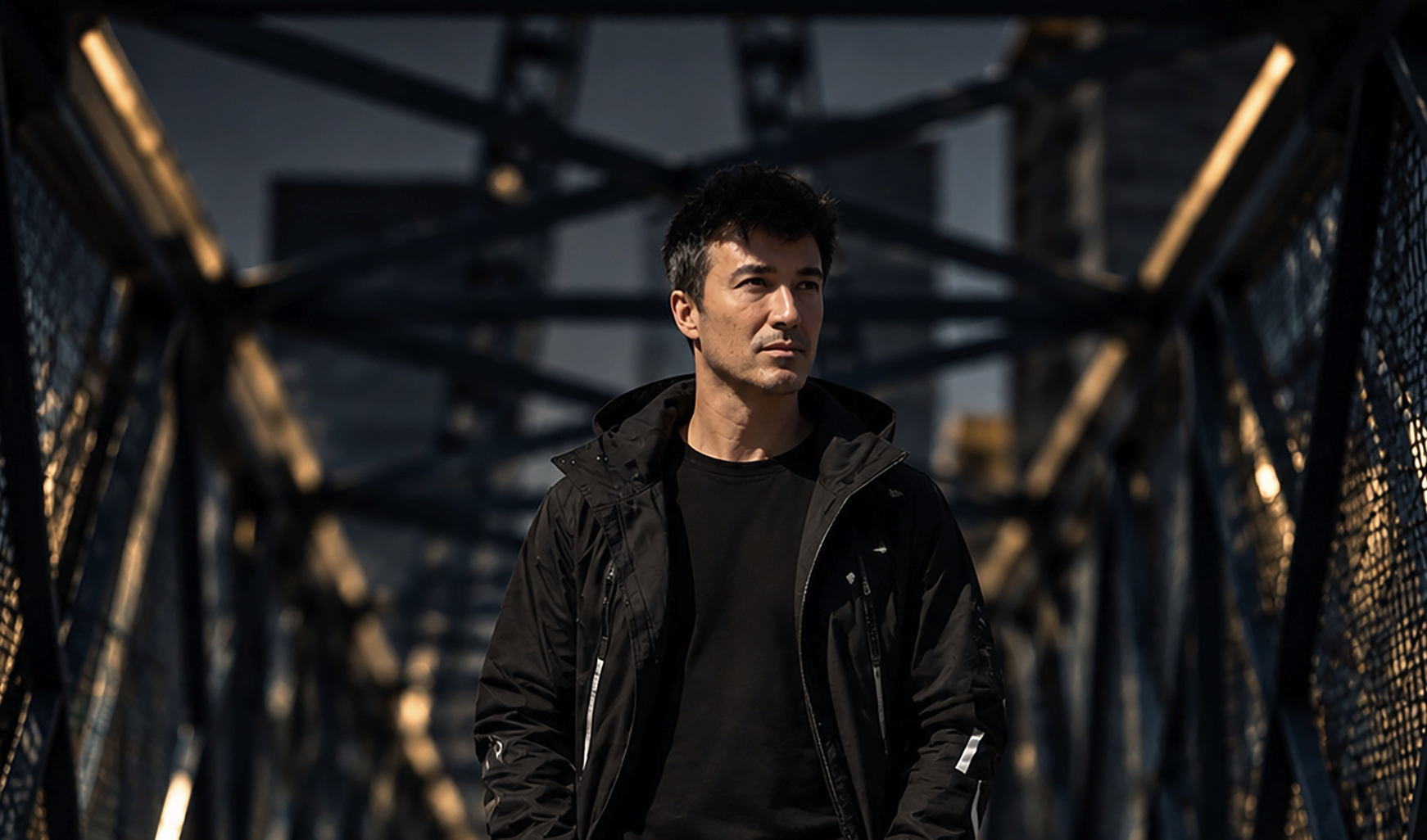
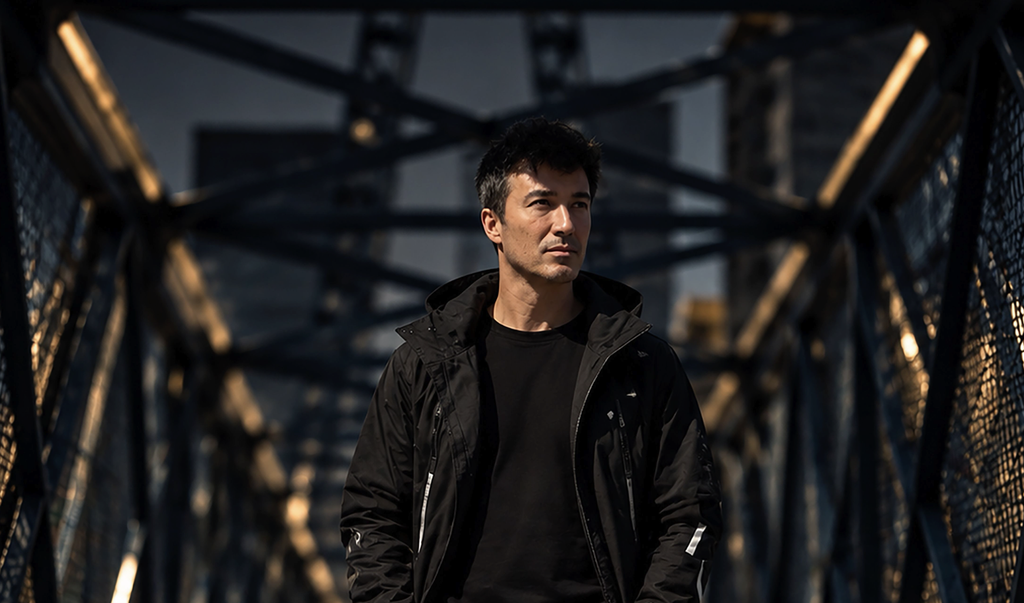
Photo Credit: Me (The Author) playing 45 East in Portland, Oregon
Figuring out how to find your purpose as a music producer gets easier when you stop treating it like a slogan and start looking at the choices you already make in the work. It is in the track you still want to finish when there is no label deadline, it is in the idea you return to after time away, and it is in the direction that still feels right when a faster career move would be to copy whatever is getting booked, playlisted, or reposted.
Purpose comes first from taste and personal honesty, then it gets tested through listening, editing, and the ability to step away when the track stops making sense. In a number of recent interviews I was revisiting while writing my book, Sequecner: A Music Producer’s Guide To Building An Artistic Life, Budakid talks about avoiding trends and trusting the music he would make without outside reward, while BAKKIS and Nervian Society show that intent also appears in how a producer hears structure, balance, and what a track actually needs.

Make The Music You Would Still Make For Yourself
Budakid gives the cleanest answer because he does not talk about purpose as something that arrived after success. He says he took music seriously from the first hit on a snare drum, and that one detail matters because the work had value before the release plan, before the public response, and before any obvious payoff.
That is a solid place for producers to begin.
A lot of people wait for proof before they give the work the full respect it deserves. They wait for the right label to care, or for the right DJ to play the track, and that can turn the whole process into a chase. Budakid’s answer points the other way. Take the work seriously first, then let the outside response be part of the picture without letting it decide the work’s value.
The question is simple. What would you still make if no one heard it?
That track usually tells you a lot about your taste because it is not being shaped by short-term career logic. It may be less obvious, less easy to place, or less attached to what is moving fast around you, and that is exactly why it can be useful.
Use Taste As The First Test
Budakid says honesty comes from taste, belief, and feeling, and that might be the most useful line in the whole set of interviews. Purpose does not need to begin as a large statement about identity. It can begin as a small standard you apply again and again: do I actually like this, and do I believe in it enough to finish it?
That sort of standard helps because producers deal with too many possible directions. One track feels like it belongs to you. Another track feels like a response to what other people are rewarding right now. One collaboration makes sense because the tastes align.
Another looks good on paper, yet the music does not feel better because of it.
This is also why Budakid’s move from Berlin to the Alps matters. He realized how much his surroundings had been shaping his thoughts and his sound, and once he moved into a quieter setting, he had to look more closely at his own ideas and values. A scene can give you solid input and make choices for you if you are not paying attention.
Do Not Let Trends Choose The Direction
Avoiding trends is where your purpose becomes tangible. Budakid says he has had opportunities to jump on hype trains, but he has held back because he does not want to be tied to a trend or genre. That kind of choice can slow down easy wins, yet it keeps a producer from handing their identity to the market.
That does not mean producers should ignore what is happening around them. It helps to know what labels are releasing and what listeners are reacting to. The problem starts when that information becomes the main reason for opening the session. At that point, the track can stop feeling like your decision and start feeling like an attempt to pass a market test.
Purpose does not require rejecting influence. It requires knowing the difference between something that teaches you and something that starts making your choices for you.
Listen Until You Can Explain What You Hear
BAKKIS and the Nervian Society make this topic the most relevant by connecting purpose to listening. BAKKIS talks about moving from casual listening into active awareness, where he notices how the kick works with the bass, how transitions are handled, and how vocals sit in the mix. Nervian Society makes a related point by distinguishing between hearing and listening. Hearing happens on its own. Listening takes presence.
That distinction mattersa fair amount because you can’t define your direction without first explaining what you are hearing. Active listening helps a producer notice what feels honest, what feels forced, and which production choices keep their attention. Over time, that becomes part of the producer’s identity because the ear starts to reveal the pattern before the mind can fully explain it.
This is also where references become a tool to lean on. Nervian Society talks about imagining what guided the choices behind a track, which is a smarter way to study music because the goal is to replicate the final result. The goal is to understand why a sound or arrangement choice caught your attention, then let your own taste decide what to do next.
Cut What Does Not Serve The Track
BAKKIS makes another strong point when he talks about newer producers piling good sounds into a track and thinking the idea is working because each part can be heard. That is one of the most common production problems, and it connects directly to purpose because purpose often shows up in what you remove.
A part can sound dope on its own and still make the rest of the track not live up to its full potenital. In those moments, purpose is not an abstract idea. It is the reason one choice stays and another one gets cut.
This is why trained listening matters and your ears become the internal feedback system.
They tell you when the track has clarity, when the energy feels right, and when something is taking up space without helping the record.
Step Away When Your Ears Stop Helping
Crusy brings in the part that many producers overlook because it feels too simple.
He talks about stepping away when he feels blocked or mentally tired, driving with no music, reading at night without TV, and protecting quiet time because constant input makes it harder to think clearly.
His example with “Selecta” explains the value of that distance.
He stopped for weeks when nothing felt right, then returned, and the track came together quickly. That does not mean each problem needs a long break. It means time away can be part of the work because the ear needs space to reset.
Silence helps because it lowers the pressure around the decision, and when the session has become crowded or frustrating, the next move is not always another layer or another hour. Sometimes the best move is to leave the track alone long enough to hear it accurately again.
Redefining How To Find Your Purpose As A Music Producer
The answer to finding your purpose as a music producer is to stop waiting for a single perfect sentence about who you are and start watching the patterns in your own work. What do you still want to make without a clear payoff? What do you return to after time away? What kind of listening makes you sharper? What do you cut when the track needs clarity?
Budakid points toward taste and honesty, BAKKIS and Nervian Society show how listening turns those ideas into studio choices and Crusy shows why quiet can matter, because a producer needs space to hear clearly. Put together, the lesson is direct: purpose is built through the work, and it becomes easier to recognize when outside reward stops making the main decisions.
Make what you believe in.
Listen closely enough to know what the track needs.
Step away when your ears stop telling the truth.
Then keep making the music that still feels worth making before anyone else has agreed with you.

Will Vance is a professional music producer who has been involved in the industry for the better part of a decade and has been the managing editor at Magnetic Magazine since mid-2022. In that time period, he has published thousands of articles on music production, industry think pieces and educational articles about the music industry. Over the last decade as a professional music producer, Will Vance has also ran multiple successful and highly respected record labels in the industry, including Where The Heart Is Records as well as having launched a new label with a focus on community through Magnetic Magazine. When not running these labels or producing his own music, Vance is likely writing for other top industry sites like Waves or the Hyperbits Masterclass or working on his upcoming book on mindfulness in music production. On the rare chance he's not thinking about music production, he's probably running a game of Dungeons and Dragons with his friends which he has been the dungeon master for for many years.