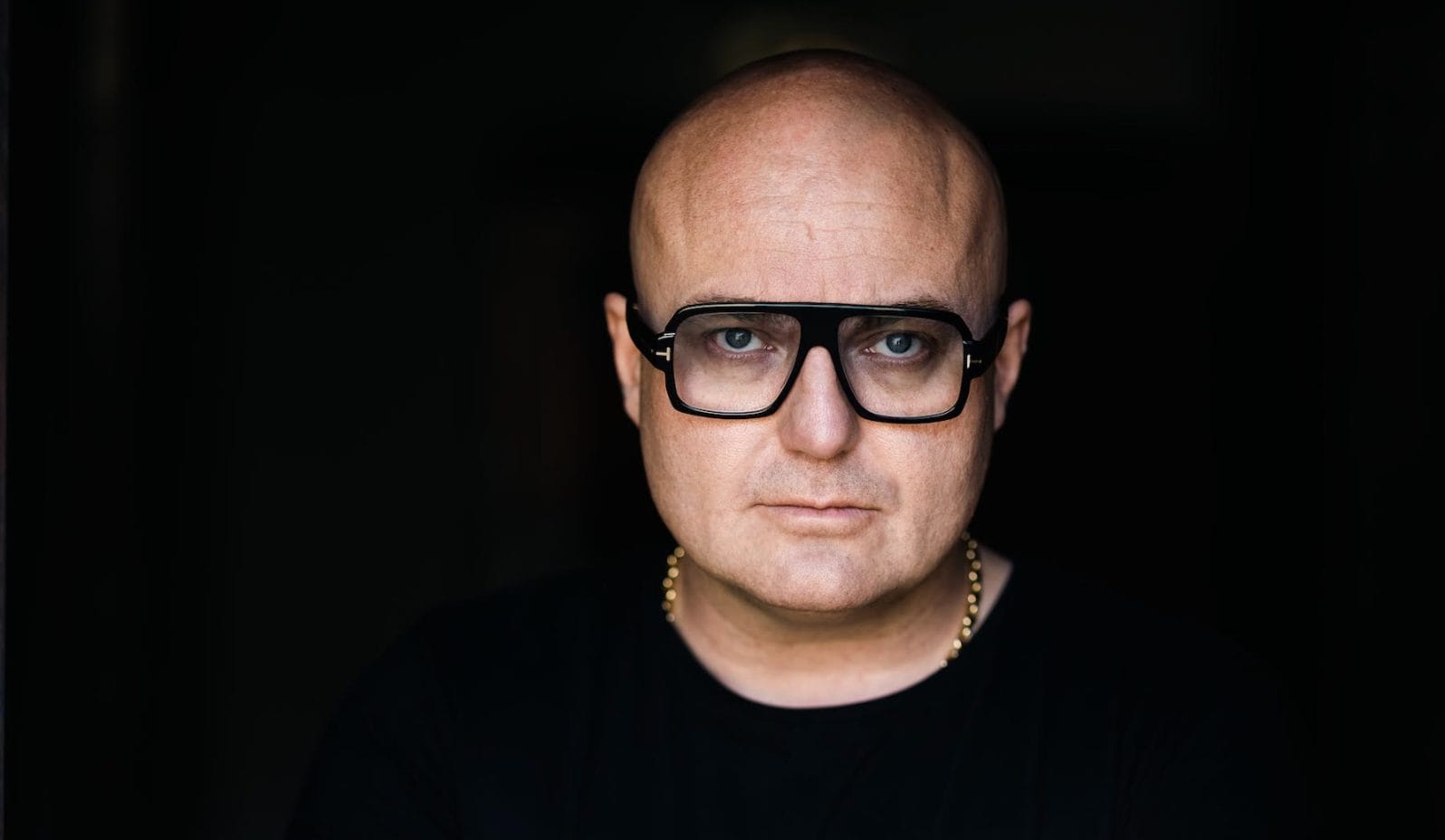
Norwegian producer BAKKIS is stepping into a new chapter with the launch of Okada Records—and he’s doing it with the same stripped-back urgency that’s made his tracks a go-to for DJs like Jamie Jones, MK, Claptone, and Marco Carola. The debut single, “Inna Fire,” doesn’t waste time on fluff. It’s a raw, tightly wound house cut built on momentum, warped vocals, and sick-AF basslines.
And with a remix from Huxley rounding out the release, it hits that rare mark of being both DJ-ready and creatively sharp.
But behind the no-nonsense approach is a producer who thinks deeply about the craft—and more specifically, about listening. In our conversation with BAKKIS, we explore how his understanding of listening has evolved through years of production and DJing, and how that shift continues to shape his creative instincts. From passive enjoyment to active analysis, he breaks down the different modes of listening that have helped him stay sharp while building a career rooted in groove and minimalism.
“Inna Fire” is more than a label launch—it’s a clear statement of intent. With Okada Records now live and a remix from Huxley bringing things full circle, BAKKIS is setting the tone for what’s next: music made with focus, shaped by instinct, and grounded in the art of paying attention.
How did your understanding of listening change as you became a producer?
Before I became a producer, I listened like any fan, just vibing, letting the groove wash over me without thinking too much. I experienced tracks as one big, seamless piece. But once I started making music, everything shifted. I wasn’t just hearing songs anymore—I was instinctively dissecting them. Suddenly, I’d notice how the kick locked in with the bass, how transitions were handled, or how a vocal sat in the mix. My brain flipped into analysis mode. Listening went from passive enjoyment to active awareness. It was like going from admiring a painting to studying every brushstroke—both a blessing and a curse.
These days, I find it hard to hear a great tune without subconsciously analyzing it. Still, I try to let myself get lost in the vibe. I’ll let it move me first, then go back and appreciate the craftsmanship. When I’m working on my own music, I’m more forgiving in the early stages. I chase the energy and the idea rather than over-analyzing. But as I get closer to the finish line, I shift into critical listening mode, tweaking every detail to bring the vision to life.
What have you learned about the difference between hearing and actually listening?
I see it as three things: hearing, listening, and active listening. Hearing is passive. It’s background noise—music in a café or something playing while you’re distracted. You’re not really engaged. Listening is more intentional. You’re tuned into the vibe of the track, feeling the emotion, catching the groove.
Active listening is where real depth happens, especially as a producer. That’s when I’m completely locked in—analyzing the stereo width of a pad, how a snare hits, sound selection, etc. It’s technical and emotional. You’re decoding what makes the track work or not. That kind of listening helps me catch details I’d otherwise miss—clashing frequencies, awkward transitions, or grooves that don’t quite land.
How has your approach to listening evolved over time and what drove that evolution?
It evolved from something instinctive and passive into something intentional, layered, and more analytical. At first, I listened like anyone else—just reacting emotionally, not really thinking about why something worked. But as I got into producing, that changed. The more I created, the more I heard.
Over time, I realized listening isn’t just about breaking things down technically.
It’s also about training emotional awareness—feeling the intention behind a sound, not just the mechanics of it. I started asking better questions: Why does this feel so warm? Why does that groove? What really drove the evolution was making more music and needing my ears to guide me. Once you start listening like a producer, you never really go fully back. That’s both the beauty and the burden of it.
What role does listening play in shaping your creative direction before you ever open a DAW?
Listening is often the starting point for everything I make. I don’t listen to copy—I listen to absorb moods, textures, rhythms. Sometimes it’s a groove, a pad, or even a tiny percussion detail that triggers a “what if” and sets off a creative chain reaction. Even when I’m not fully aware of it, listening plants creative seeds.
Whether it’s the soul of a house track or the atmosphere of something ambient, those experiences shape the emotional direction I want to explore. Whether I’m driving around with a mix on or zoning out to an old favorite, those moments often guide what happens next in the studio.
When you’re trying to grow creatively, what kind of listening actually moves the needle?
Two types of listening really push things forward: deep analysis and wide exploration. On one side, I’ll break down tracks I love—sound design, transitions, the little choices that give a track its magic. It’s not about copying—it’s about understanding the craft and pulling ideas I can reinterpret in my own way.
On the other side, I explore genres I don’t usually produce. If I’m stuck, I’ll dive into ambient, afrobeat, hip hop—whatever catches my ear. Different rhythms, textures, and arrangements shake things up and lead to those lightbulb moments. That combination of critical listening and curiosity is what keeps me evolving.
How do you know when you’re listening with intention versus passively absorbing?
The line can blur, but I usually know by how engaged I am. If I’m locked in—dissecting the sound, pausing and rewinding, jotting down ideas—I know I’m listening with intention. I’m always in this mode when giving feedback to other producers.
Passive listening happens when music is just on in the background—when I’m cooking, working, or scrolling. The difference is focus. Intentional listening feels like a conversation with the track. I’m responding to what I hear. With passive listening, I’m just letting it wash over me.
What do you think most newer producers misunderstand about the act of listening?
A lot of newer producers don’t realize listening is a skill you have to develop. It takes time to train your ears to hear what’s actually happening in a mix and understand how the elements interact.
Early on, I’d stack a bunch of cool sounds in a track and think I was onto something—just because everything was audible. But the mix would be cluttered. I didn’t yet understand that great parts on their own don’t always work together. I’ve had to let go of good ideas in a track just because they didn’t serve the bigger picture.
Another thing people overlook is how essential listening is compared to learning plugins or gear. It’s your internal feedback loop. It tells you if the track has clarity, energy, emotional weight. Once you start asking the right questions, your ears become your best tool. And don’t underestimate the power of taking breaks. If you listen too long, you go sonically snowblind. Sometimes the best thing you can do is walk away and come back with fresh ears.

Magnetic byline note: This byline is used for staff produced updates and short announcements, often based on press materials and official release information. Editorial responsibility: David Ireland (Editor in Chief) and Will Vance (Managing Editor). About: https://magneticmag.com/about/ Masthead: https://magneticmag.com/masthead/ Contact: https://magneticmag.com/contact/





![How It Was Made: Low Steppa & Roel – Dreamliner [Low Trax]](https://magneticmag.com/wp-content/uploads/2026/09/DSC07195-1024x608.jpg)