I think one of the easiest ways to limit yourself as a producer is to listen exclusively to the type of music you’re trying to make. Reference tracks are important, and there’s plenty to learn from studying successful records within your genre, but some of the most interesting production decisions come from listening to music you’d never consider making yourself.
Whether it’s an old disco arrangement, a jazz recording, or a vocal tucked into a soul record, paying attention to those details can change how you approach your next studio session.
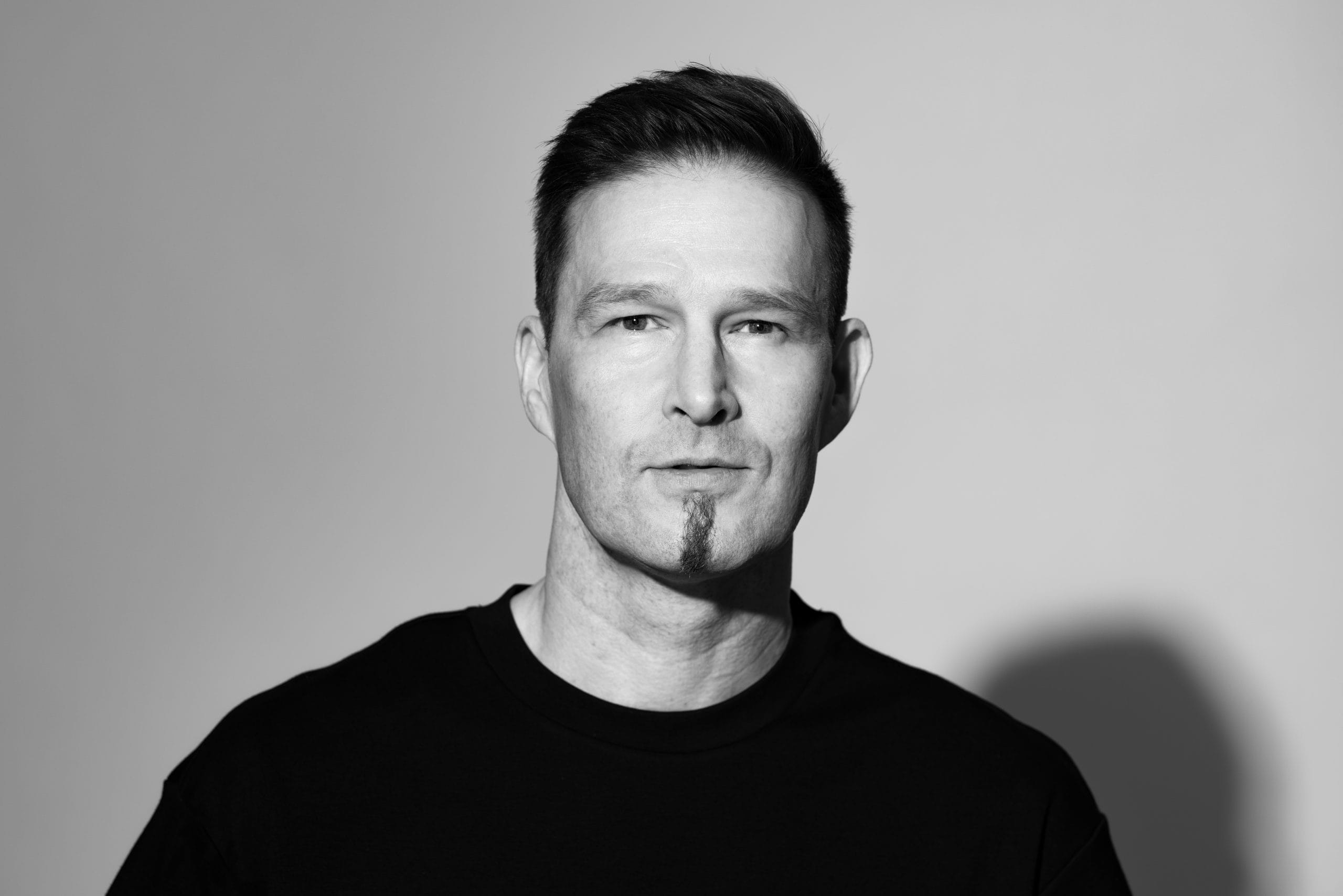
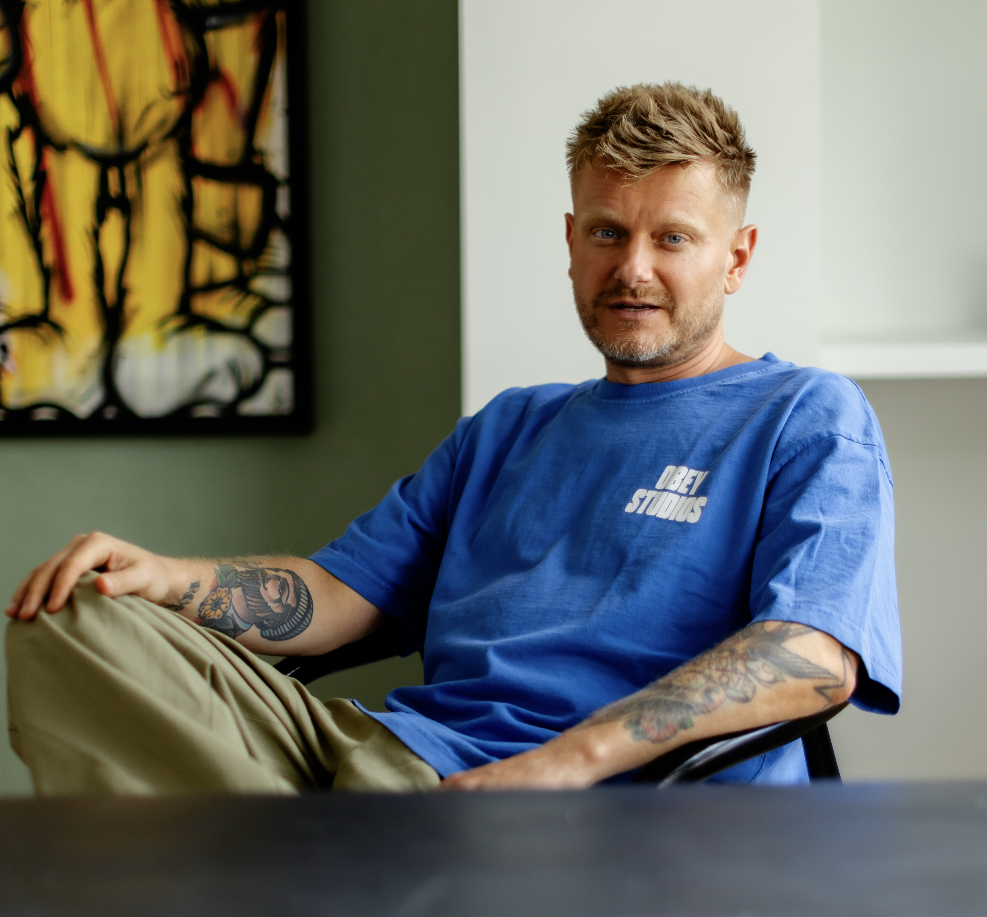
Dutch DJ and producer Joey Daniel (@joeydaniel_ofc) has spent over two decades collecting records, producing house music, and performing at clubs and festivals including Sunwaves, Music On, and Awakenings.
His latest release, Need I Say More, which dropped back on November 6, 2026, on Cécille Records, a label he’s followed since its early years. The three-track EP marks a long-awaited collaboration with an imprint he’s maintained a relationship with for over a decade.
With the release now available, I wanted to discuss something that doesn’t get enough attention in production education: how to become a better listener.
Joey explains why he continues digging through old records, what producers can learn from unfamiliar genres, and when referencing other artists starts interfering with your own decisions. He also shares how the title track from his new EP came together in one live take, which says plenty about the value of trusting your instincts.
Interview With Joey Daniel
What kind of listening helps artists build sharper taste?
I think the most important thing is to listen to as much different music as possible, especially music outside your own genre. I’ve been digging through old records for years, from disco and soul to funk, jazz and early house music. Sometimes I’ll spend hours listening to records without even thinking about producing anything. It’s about discovering sounds, grooves and little details that catch your attention.
Over time, you start developing your own taste and understanding what really moves you musically. And I think that’s something you can’t learn from watching tutorials.
How can producers learn from music they would never make themselves?
There’s something to learn from almost every kind of music.
You don’t have to love a particular genre or want to produce it yourself to appreciate what’s happening inside a record. Sometimes it’s a bassline, a drum pattern, the arrangement or even just the way a vocal sits in the mix. I’ve found inspiration in the most unexpected places, especially when digging through old records that have absolutely nothing to do with house music. That’s actually where some of the most interesting ideas come from.
Taking something from a completely different musical world and turning it into something that works on a dancefloor.
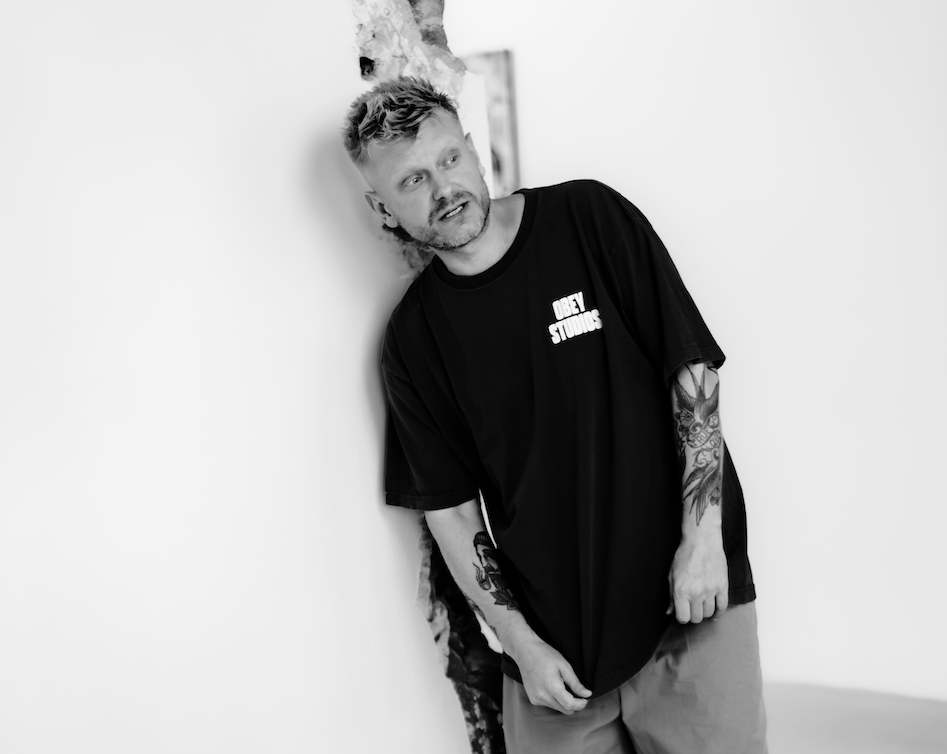
When should artists step away from reference tracks and trust their own ear?
I think reference tracks can be useful, especially when you’re working on the mixdown and want to check certain things. But creatively, I think you have to be careful not to rely on them too much. If you’re constantly comparing your music to somebody else’s, you can easily lose what makes your own sound interesting. Some of my favourite tracks I’ve made came together very naturally, without overthinking anything.
‘Need I Say More’ from my Cécille EP was recorded live in one take, and I remember getting goosebumps while making it. Those are the moments when you just have to trust your ears and your feeling.
What do clubs, mixes, labels, radio, record shops, and scenes teach that tutorials miss?
For me, the dancefloor is probably the biggest teacher of all.
I’ve been DJing for many years, and you learn things standing in front of a crowd that no tutorial can ever explain. You start understanding how grooves work, how tension builds, how a simple repetitive loop can sometimes have more impact than a track with a hundred different elements. Record shops taught me how to dig deeper and discover music that wasn’t necessarily right in front of me. And the whole club scene taught me about musical identity, history and culture.
I think it’s important for younger producers to experience that side of music too, because house music is so much more than just making tracks in a studio.

How should producers make listening part of their regular practice?
Make time to listen to music without always trying to get something out of it.
I think that’s really important. Nowadays, it’s so easy to get caught up in producing, releasing music, social media and everything around it that you forget to simply enjoy listening. I still love digging through old records, discovering forgotten tracks and listening to music from 20 or 30 years ago. What’s fascinating to me is how much of that music still influences what we’re hearing today. Sometimes one little groove or sound can stay in your head for days and eventually inspire something completely new in the studio.
So my advice would be to stay curious, keep digging and never stop being a music lover first.
Listen to Joey Daniel’s Need I Say More EP
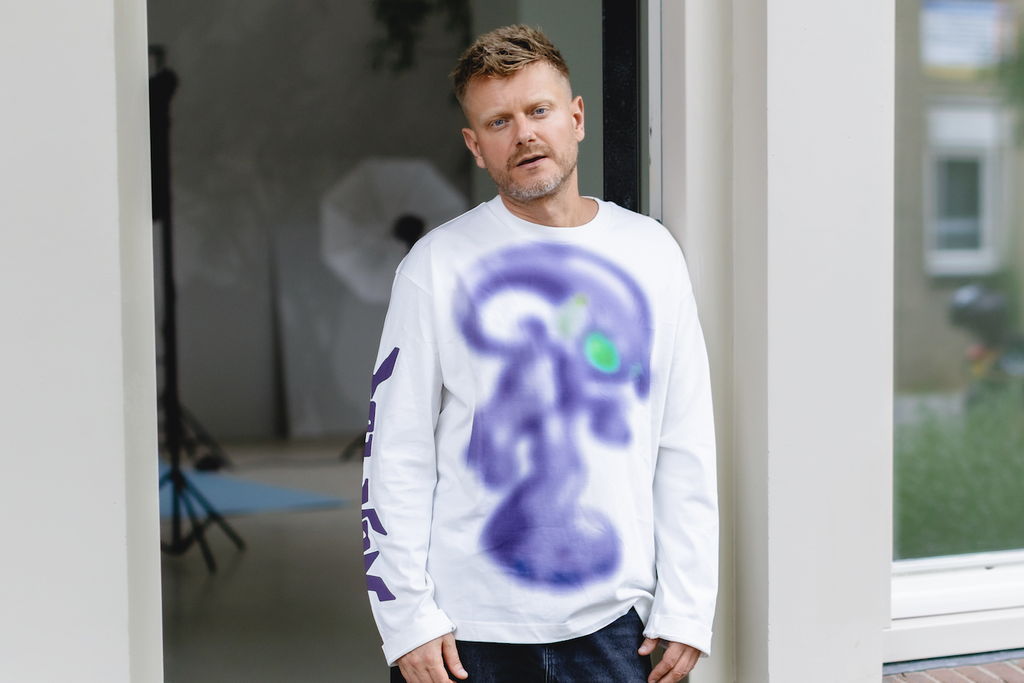
Final Thoughts From The Editor
The thing I appreciate most about Joey’s answers is his reminder that listening doesn’t always need to have an immediate purpose.
I spend a considerable amount of time reviewing music, evaluating demos, and researching producers, and it’s easy to start treating listening as another professional responsibility instead of something you genuinely enjoy. Joey’s habit of spending hours with older disco, jazz, soul, and funk records without thinking about production is worth paying attention to. In our interview with Nathan Stewart, he discussed how collecting records outside his usual interests introduced ideas that eventually influenced his studio work.
There’s a similar argument in our conversation with Kasbï and Giannni, who explained how years spent exploring record shops helped develop their understanding of music history.
I also think Joey makes an important distinction between using reference tracks to check a mix and allowing them to determine your creative decisions. There’s nothing wrong with comparing frequency balance, low-end levels, or vocal placement against another recording.
The problem begins when every decision becomes an attempt to reproduce somebody else’s result. We discussed that separation in our interview with Lupole about listening habits and algorithms, where he explained why he keeps technical reference listening separate from sessions intended for musical discovery. I think that’s particularly relevant to Joey’s description of recording “Need I Say More” in one take. He recognized something he liked and allowed the recording to develop without constantly reconsidering the idea.
And finally, there’s something worth considering about how much of Joey’s musical education happened outside the studio. Years of collecting records, spending time in clubs, and watching audiences respond to different arrangements have clearly informed his approach to production. In our conversation with Gregor Tresher, he discussed why returning to older music should help artists develop new ideas rather than encourage them to reproduce the past. I think Joey is making a similar point from a producer’s perspective.
You can learn the technical side of making house music through tutorials and studio experience, but developing your taste requires spending time with music, paying attention to what interests you, and learning when to trust those observations. His new Cécille release offers a timely example of that approach.

Will Vance is a professional music producer who has been involved in the industry for the better part of a decade and has been the managing editor at Magnetic Magazine since mid-2022. In that time period, he has published thousands of articles on music production, industry think pieces and educational articles about the music industry. Over the last decade as a professional music producer, Will Vance has also ran multiple successful and highly respected record labels in the industry, including Where The Heart Is Records as well as having launched a new label with a focus on community through Magnetic Magazine. When not running these labels or producing his own music, Vance is likely writing for other top industry sites like Waves or the Hyperbits Masterclass or working on his upcoming book on mindfulness in music production. On the rare chance he's not thinking about music production, he's probably running a game of Dungeons and Dragons with his friends which he has been the dungeon master for for many years.