I think one of the harder things about developing your own sound as an electronic music producer is figuring out which parts of your musical interests deserve to become permanent features of your records.
It’s easy enough to identify producers you admire, study their arrangements, and experiment with the techniques that make their music recognizable. But there’s a difference between knowing how to recreate a particular sound and understanding which production decisions reflect your own musical preferences. And I think that distinction becomes especially important when you’re trying to establish an identity that can develop across several years of releases without requiring you to make essentially the same record again and again.
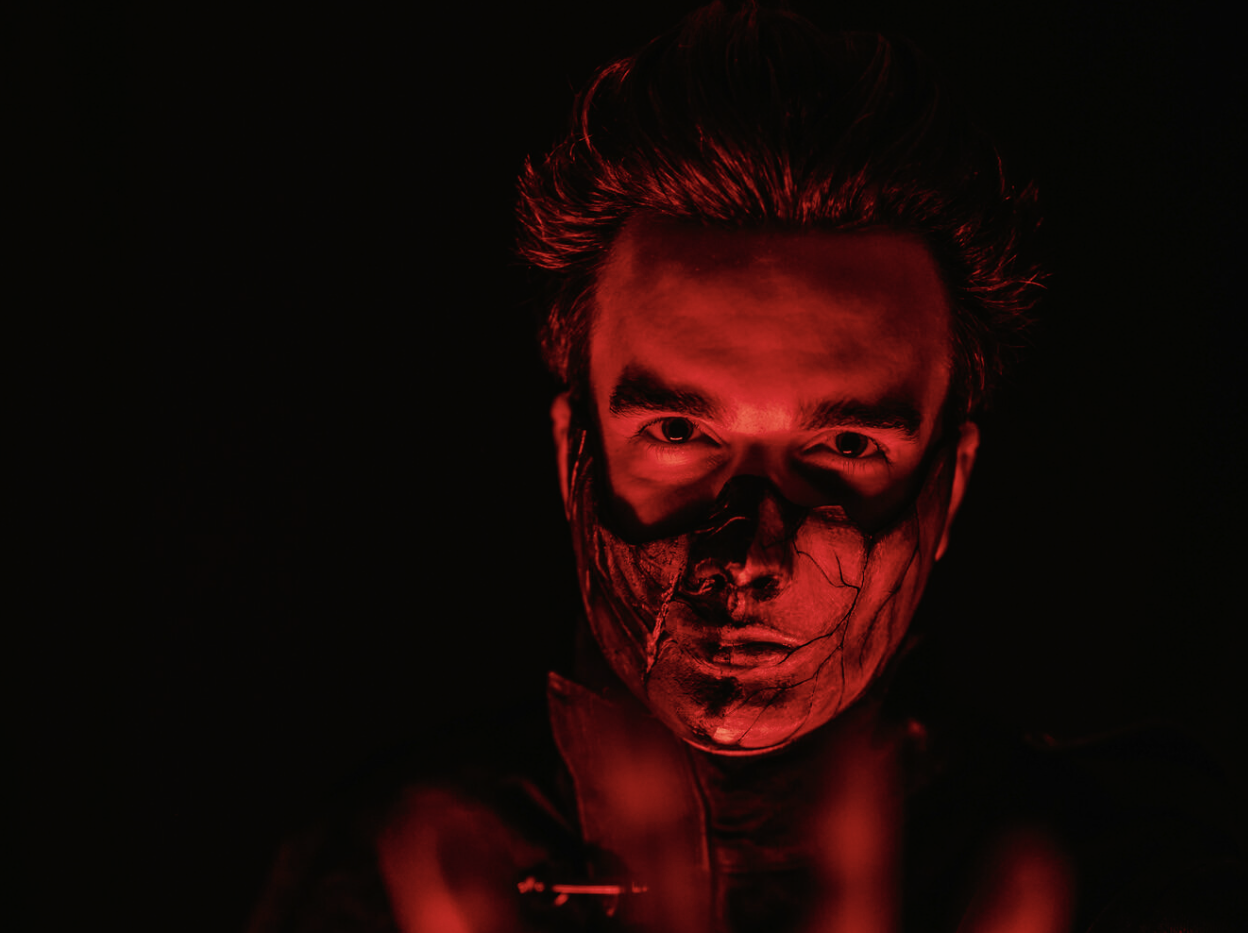
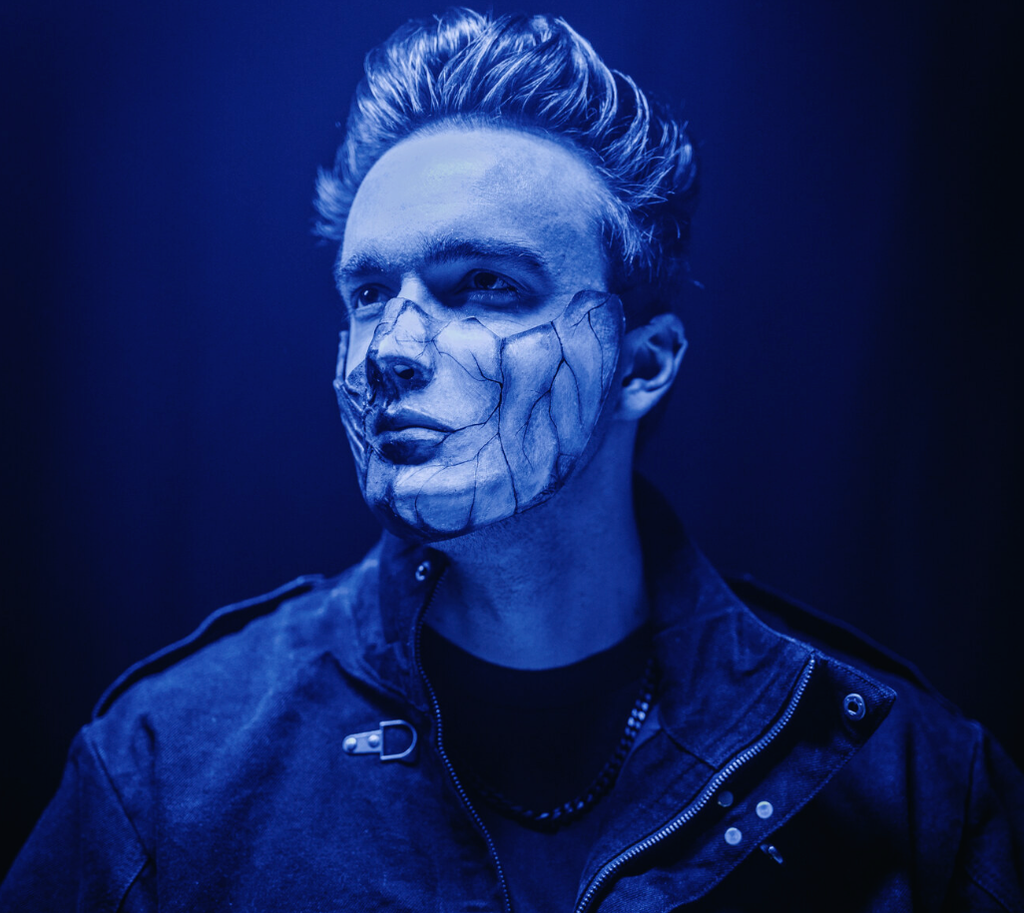
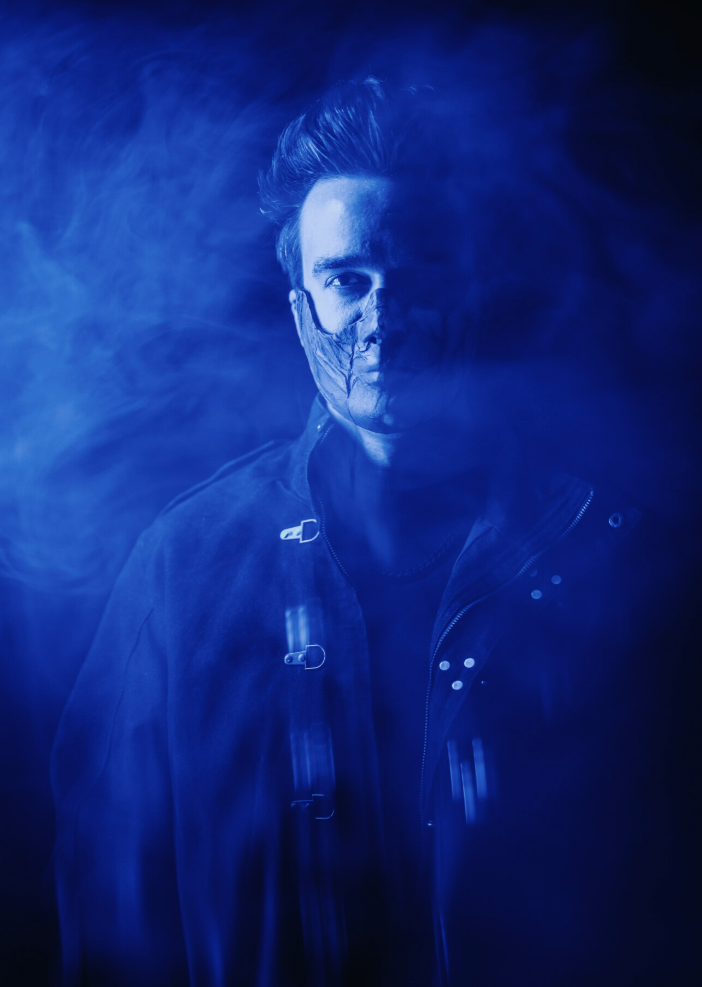
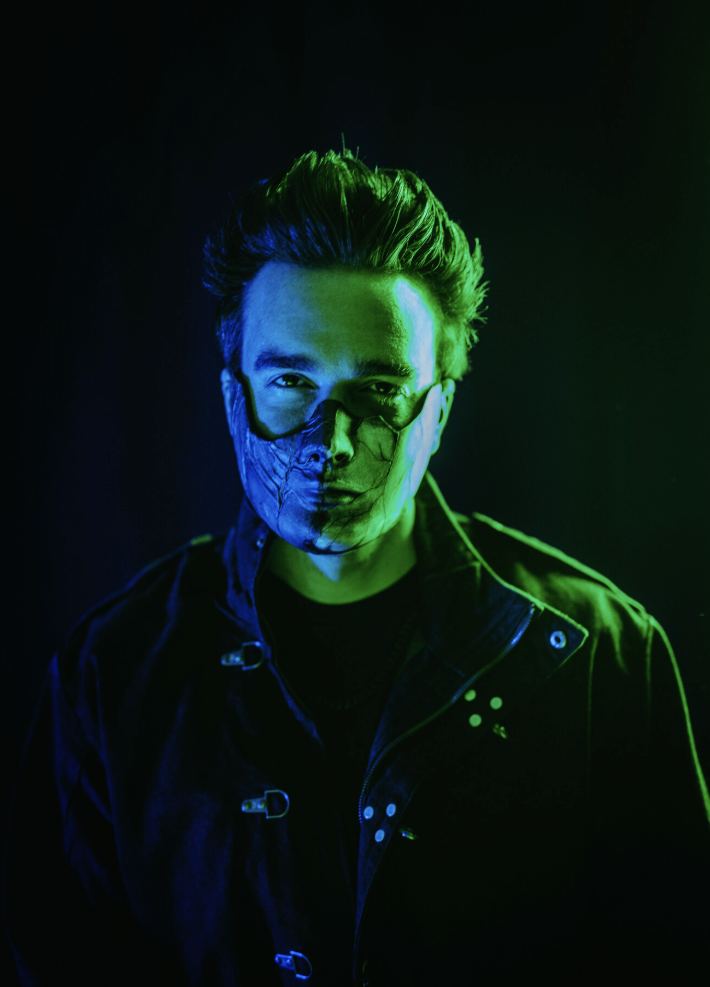
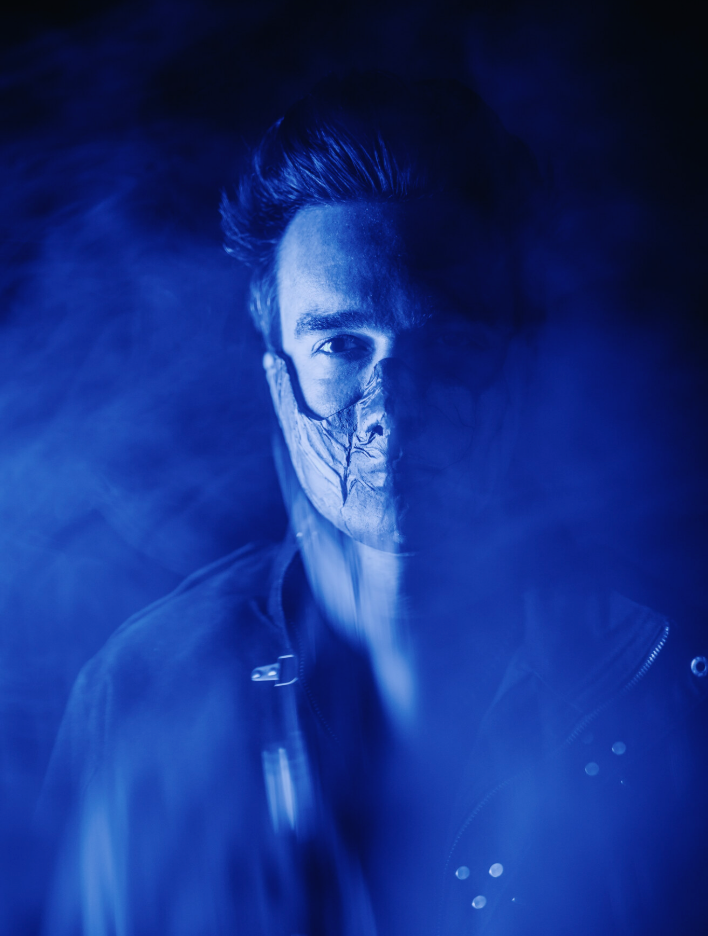
Vienna-based DJ, producer, and composer Relinquo (@relinquobeats) has developed his musical identity around cinematic techno, combining orchestral composition, science-fiction influences, and the rhythmic characteristics of peak-time club music. His latest release, “The Council,” arrived October 16, 2026, through PENTAPHONIA, marking his debut on the label following earlier releases through Animarum, OFF Recordings, Reload, and IAMT. The production takes inspiration from contemporary science-fiction cinema, with the label describing an arrangement that incorporates a 200-voice choir, a full orchestra, and electronic instrumentation.
At the center of the composition is an extended orchestral section representing a confrontation between opposing sides, before the drums and bass return for the final portion of the track.
What interested me about Relinquo’s approach was how he’s managed to develop that recognizable direction while continuing to experiment with different ideas. His releases have explored subjects ranging from ancient civilizations to imagined futures, with the larger concept helping him decide what each composition should communicate.
We talked about what makes a producer’s taste identifiable, how to maintain consistency across a catalog without repeating the same ideas, and why he believes artists should spend less time worrying about trends and potential label placements. There’s also some good advice about setting up production sessions in a way that encourages experimentation while retaining the musical decisions that have become part of an artist’s identity.
Interview With Relinquo
From the outside, what makes an artist’s taste easy to recognize?
In electronic music, I think an artist’s taste becomes recognizable through the details and choices they consistently make. It is about the sounds they are drawn to, the grooves they prefer, and the way they approach arrangements. Over time, these preferences become their signature sound. For me, as a cinematic techno producer, it has always been about telling a story through music.
I want every track, and even every DJ set, to take the listener on a journey and create a certain atmosphere or emotional experience.
That’s why I naturally prefer music with a clear narrative, where every element contributes to a bigger picture. For another artist, it might be more about a certain groove or sound design. Hence, I think it’s these personal preferences and recurring choices that make an artist’s taste recognizable and their sound unique.
How can a catalogue feel connected without repeating the same move every time?
As an artist, there is always an advantage in having a specific vision or a bigger picture that you are working towards. For myself, I had the idea of creating a journey through time with my releases, from ancient civilizations to the distant future.
Therefore, I approach every new track with a different topic in mind, while still following arrangements and looking for groove patterns or sounds that have worked well for me in the past. Usually, having a good starting template in your DAW and keeping your projects organized helps a lot with this. Just be careful not to overuse the hooks or leading sounds from older projects.
Where does consistency need to show up for listeners, labels, managers, and bookers to understand an artist?
From my perspective, having a consistent sound is especially important nowadays. There are far more releases in electronic music than there were a few years ago, and this trend is unlikely to stop anytime soon. Similarly, there are many more DJs around today.
To really stand out and be recognized in the music industry, an artist needs to do something different and create something memorable. There are many ways to achieve this. For me, it happened through music production by combining elements from two different worlds, namely cinematic scoring and techno. However, there are also plenty of possibilities for artists who don’t produce their own music, such as creating a unique live experience. Ask yourself what exactly you want your audience to remember you for, and then stay consistent with that across your releases, live performances, and social media presence.
How do artists avoid blurring their identity by chasing too many lanes?
The most important piece of advice here is: stay true to your vision and don’t chase trends.
This sounds much easier than it actually is. Many producers constantly reference other tracks that are currently performing well. This has several advantages, for example when it comes to mixing, but at the same time, you risk simply copying a particular style or arrangement instead of developing your own unique sound. Similarly, artists often worry too much about which label they want to release on before they have even started a project.
In my opinion, the best approach is to simply sit down in the studio and start producing a track that you really enjoy, without worrying too much about its potential future performance. More often than not, this leads to amazing results. You will also likely find yourself returning to certain sounds, arrangements, and other elements that you enjoy, which will gradually shape your own signature sound.
Why does a clear point of view support a longer career?
Having a clear point of view is, in my opinion, essential for building a long-lasting career.
This applies not only to your own productions but also to your live performances, as it ultimately defines what your audience remembers you for and what makes you stand out from other artists. It creates a sense of consistency and gives people something to connect with beyond individual tracks or performances.
For me, that point of view is rooted in storytelling. I want every track to give the listener the feeling of being the protagonist of their own movie. Having this vision in mind gives me a clear direction when producing music. It also allows me to keep a consistent artistic identity while still leaving room to experiment and evolve over time.
Final Thoughts From The Editor
The thing I found most interesting about Relinquo’s answers was his explanation of how he approaches individual releases as different parts of a larger musical idea.
I think producers sometimes confuse having a recognizable sound with relying on the same production techniques for every record, which can become limiting when you’re trying to develop a catalog over several years. You might discover a particular synthesizer patch, percussion arrangement, or processing technique that works well, and there’s an understandable temptation to return to it because you already know how to get the result you’re looking for.
But I think the important question is whether those decisions continue serving the music you’re making or whether you’ve started relying on them because they’re familiar.
I was reminded of our interview with Luca Saporito about developing a signature sound without becoming predictable. He discussed the importance of retaining recognizable elements while continuing to learn new production techniques and experiment with different equipment. Relinquo approaches the same question through the subjects that inspire his compositions, allowing the underlying concept to change while keeping certain musical preferences consistent. I think that gives him an interesting way to reconsider familiar production methods because the same instrument or arrangement technique might need to function differently depending on what the individual track is supposed to communicate.
Rather than determining the finished result in advance, the subject gives him a reason to explore different musical decisions within an established style.
There’s also something worth discussing about the relationship between orchestral composition and techno, particularly when producers are working with instruments that have very different frequency ranges and musical responsibilities. In our How It Was Made feature with Corren Cavini about his track “Agoraphobia”, he explained how he used Kontakt’s Session Strings 2, additional synthesizers, and several processing techniques to develop an orchestral arrangement within a melodic techno production. What I appreciated about that breakdown was how much attention went into making the orchestral elements function within the complete mix rather than treating them as something that could simply be added without further consideration.
Relinquo is approaching a related production challenge with “The Council,” especially because the release places so much emphasis on the interaction between its orchestral passages and club-focused sections. When you’re trying to establish a recognizable sound through a particular combination of instruments, understanding how those elements function together becomes an important part of developing consistency.
I also appreciated Relinquo’s comments about producers becoming too concerned with which label might eventually release a track. Having spent years working in A&R and helping artists develop music for record labels, I can understand why producers want to think about where their material might end up. Labels have identifiable musical preferences, and studying their catalogs can help artists understand whether a particular release is appropriate for submission.
But I think there’s a point where trying to anticipate what a label wants can interfere with the process of deciding what you actually want to make. In our interview with A.N.I. about developing her techno sound without following trends, she discussed concentrating on music that reflects her own interests rather than pursuing every available opportunity. Relinquo’s advice is consistent with that approach, particularly his recommendation to begin writing without making potential commercial outcomes the primary consideration.
And I think that brings us to the most important point from this conversation. Developing a recognizable musical identity takes time, and I don’t think producers need to decide exactly what that identity should be before they’ve finished enough music to understand their own preferences. Relinquo’s catalog provides an example of somebody who’s identified a combination of musical interests and continued exploring what he can do with them across different releases.
His work incorporates techno production, orchestral composition, and subjects drawn from history and science fiction, but the individual recordings don’t necessarily need identical arrangements to belong to the same artist.
For producers who are trying to develop a direction of their own, I think that’s worth considering. You can return to the production decisions you genuinely enjoy making while continuing to introduce new ideas, and over time, those decisions can become the characteristics listeners associate with your music.

Will Vance is a professional music producer who has been involved in the industry for the better part of a decade and has been the managing editor at Magnetic Magazine since mid-2022. In that time period, he has published thousands of articles on music production, industry think pieces and educational articles about the music industry. Over the last decade as a professional music producer, Will Vance has also ran multiple successful and highly respected record labels in the industry, including Where The Heart Is Records as well as having launched a new label with a focus on community through Magnetic Magazine. When not running these labels or producing his own music, Vance is likely writing for other top industry sites like Waves or the Hyperbits Masterclass or working on his upcoming book on mindfulness in music production. On the rare chance he's not thinking about music production, he's probably running a game of Dungeons and Dragons with his friends which he has been the dungeon master for for many years.