Audioscenic’s new partnership with Lenovo is interesting because laptop audio usually has a pretty obvious ceiling. You can get louder drivers, better tuning, wider stereo tricks, and software presets, but the sound still tends to feel tied to the physical size of the device.
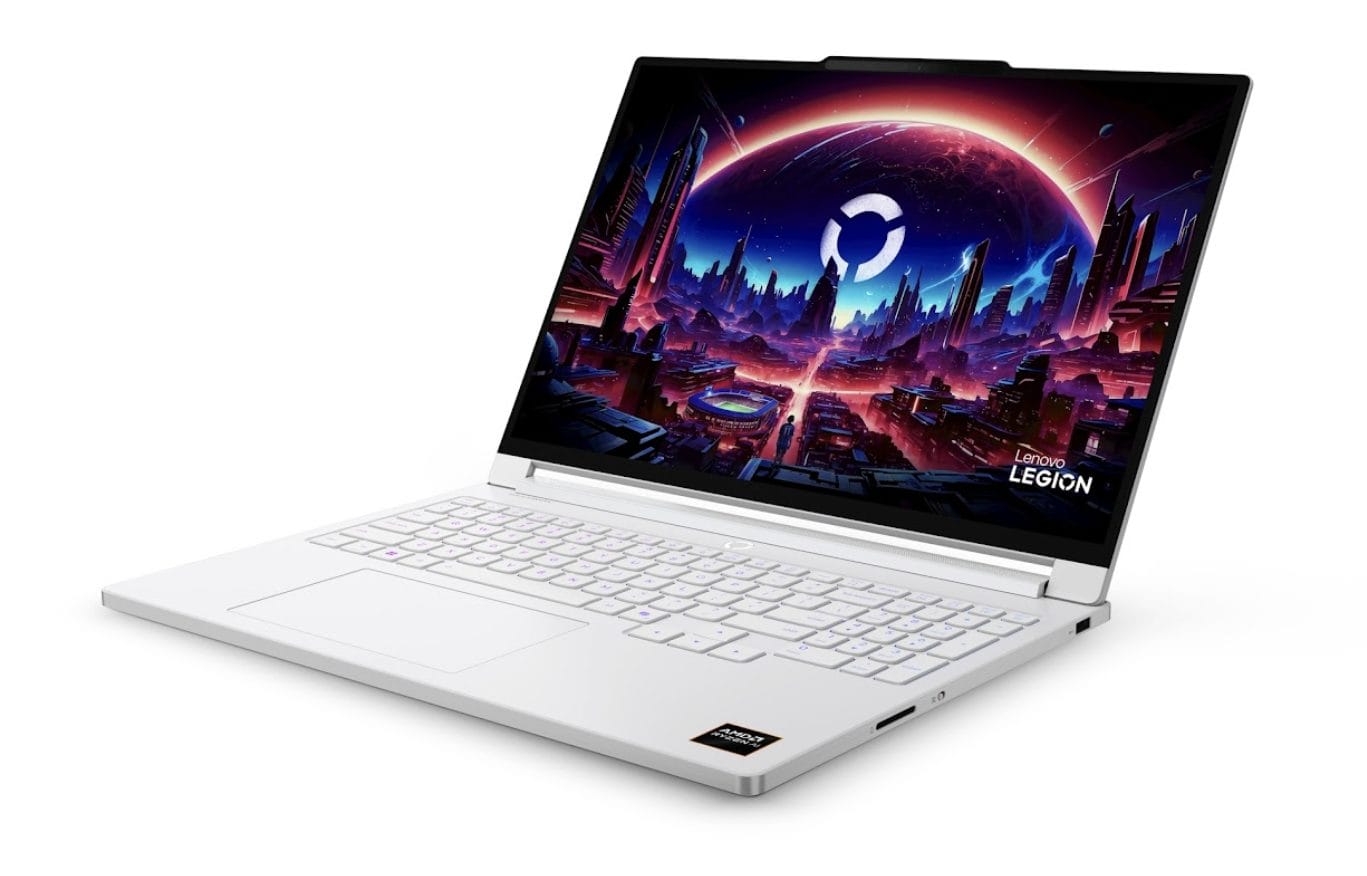
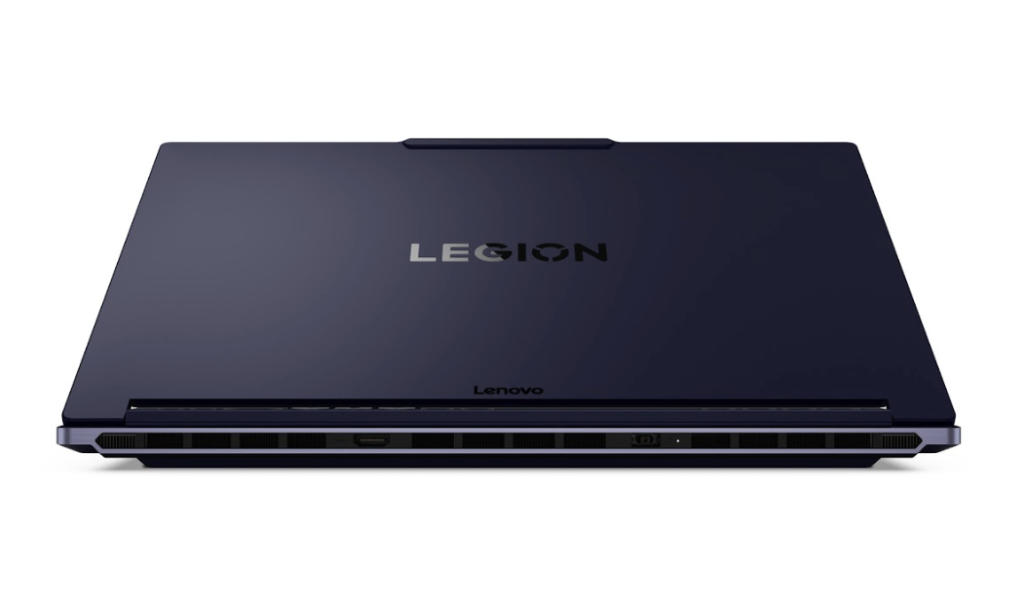
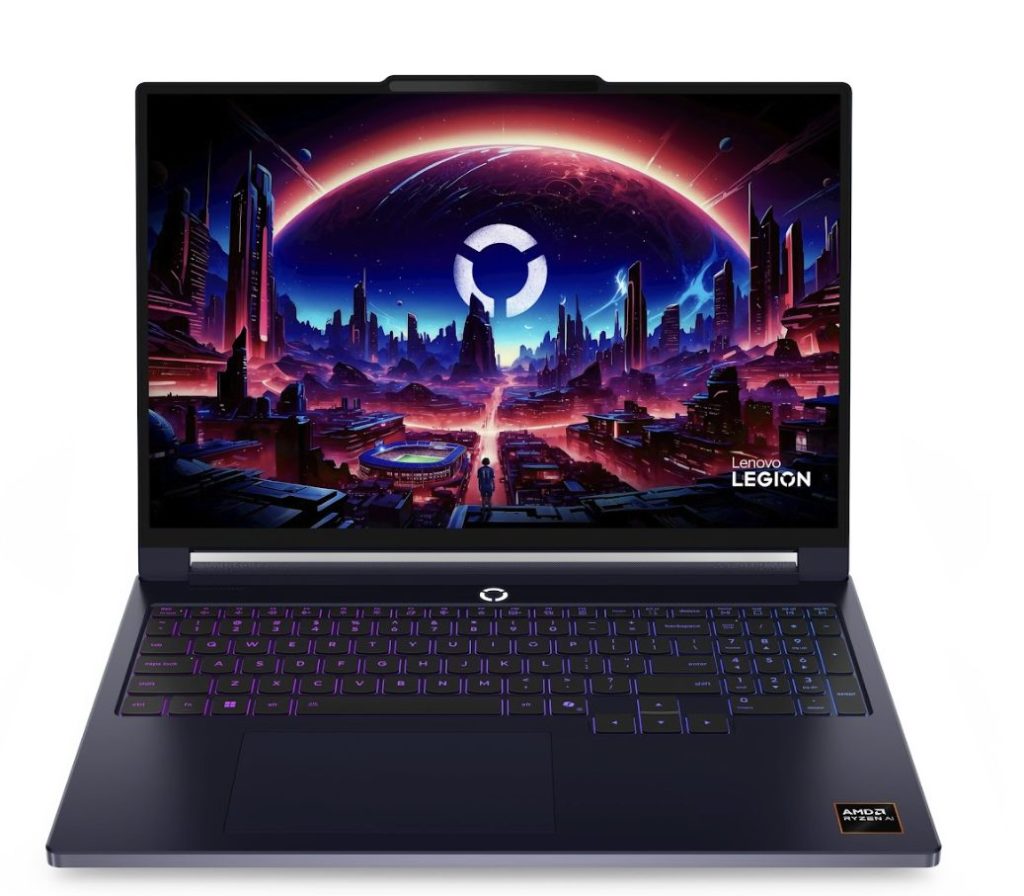
Audioscenic is trying to push past that with its “Powered by Audioscenic” spatial audio technology inside Lenovo’s new Legion 7a gaming laptop.
The Legion 7a 16-inch, 11th-generation model is expected to start shipping in June 2026 and will be the first product to use Audioscenic’s immersive audio technology via the Windows APO framework. That detail is worth pointing out because it means the processing sits closer to the system audio path, instead of acting like another external app or optional listening mode added after the fact.
Audioscenic’s pitch is pretty direct: create a wider, three-dimensional listening field from a laptop speaker system, with audio elements placed to give the listener a better sense of direction, distance, and separation. For gaming, that has an obvious use case. If the laptop can create better placement without headphones, the player gets more spatial information from the device itself.
Why Position Tracking Is The Main Detail
The part that caught my attention is the user position tracking. A lot of spatial audio demos fall apart when you move your head or shift slightly away from the ideal listening position. Audioscenic says its system adapts the sweet spot to follow the user in real time, which is probably the detail that makes this feel different from standard laptop audio processing.
That could be useful for gaming, but it also has crossover value for movies, music playback, and general media use. Laptop speakers are often used in imperfect situations: sitting on a desk, on a couch, in a hotel room, or in a shared space where headphones may not be the first choice.
A system that adapts to the user’s position is more likely to preserve the spatial effect during normal use.
The company describes the result as studio-grade spatial audio from a laptop, which is a big claim, though the underlying idea is easy to understand. Instead of relying on fixed speaker placement and static processing, the system uses beamforming and position awareness to make the laptop’s audio presentation feel wider and more dimensional.
A Gaming Laptop Test Case For Spatial Audio
Lenovo’s Legion line is a logical place for this technology to show up first. Gaming laptops already ask a lot from audio: clear dialogue, environmental sound, directional cues, music, effects, and low-latency performance all happening at once. If Audioscenic can make that sound field feel larger from the built-in speakers, it gives Lenovo a more specific audio story than a normal speaker upgrade.
There is also a practical angle for creators.
A lot of producers, editors, and video people use gaming laptops because the hardware can handle demanding software. This technology is not a replacement for studio monitors or headphones, but better built-in spatial playback could still be useful for rough checks, travel work, media review, and casual listening away from the main setup.
The announcement by Audioscenic and Lenovo is ultimately about one specific laptop, but it points toward a broader direction for device audio. Laptop speakers have always had physical limits, so the next jump may come less from adding louder parts and more from smarter processing, position tracking, and spatial systems that adapt to how people actually sit in front of their machines.
The Lenovo Legion 7a with “Powered by Audioscenic” technology is expected to start shipping in June 2026.

Will Vance is a professional music producer who has been involved in the industry for the better part of a decade and has been the managing editor at Magnetic Magazine since mid-2022. In that time period, he has published thousands of articles on music production, industry think pieces and educational articles about the music industry. Over the last decade as a professional music producer, Will Vance has also ran multiple successful and highly respected record labels in the industry, including Where The Heart Is Records as well as having launched a new label with a focus on community through Magnetic Magazine. When not running these labels or producing his own music, Vance is likely writing for other top industry sites like Waves or the Hyperbits Masterclass or working on his upcoming book on mindfulness in music production. On the rare chance he's not thinking about music production, he's probably running a game of Dungeons and Dragons with his friends which he has been the dungeon master for for many years.