Best songwriting plugins for producers can be a messy search because songwriting means different things depending on where the track is stuck.
Sometimes the problem is harmony, sometimes it is arrangement, and sometimes it is getting the first idea out of your head before the session gets overthought. I wanted this article to focus on tools I have reviewed on Magnetic, plus a few artist workflow notes that connect to real writing decisions. Here’s a quick chart about my picks so you can take a glance before we realy start getting into the weeds with these.
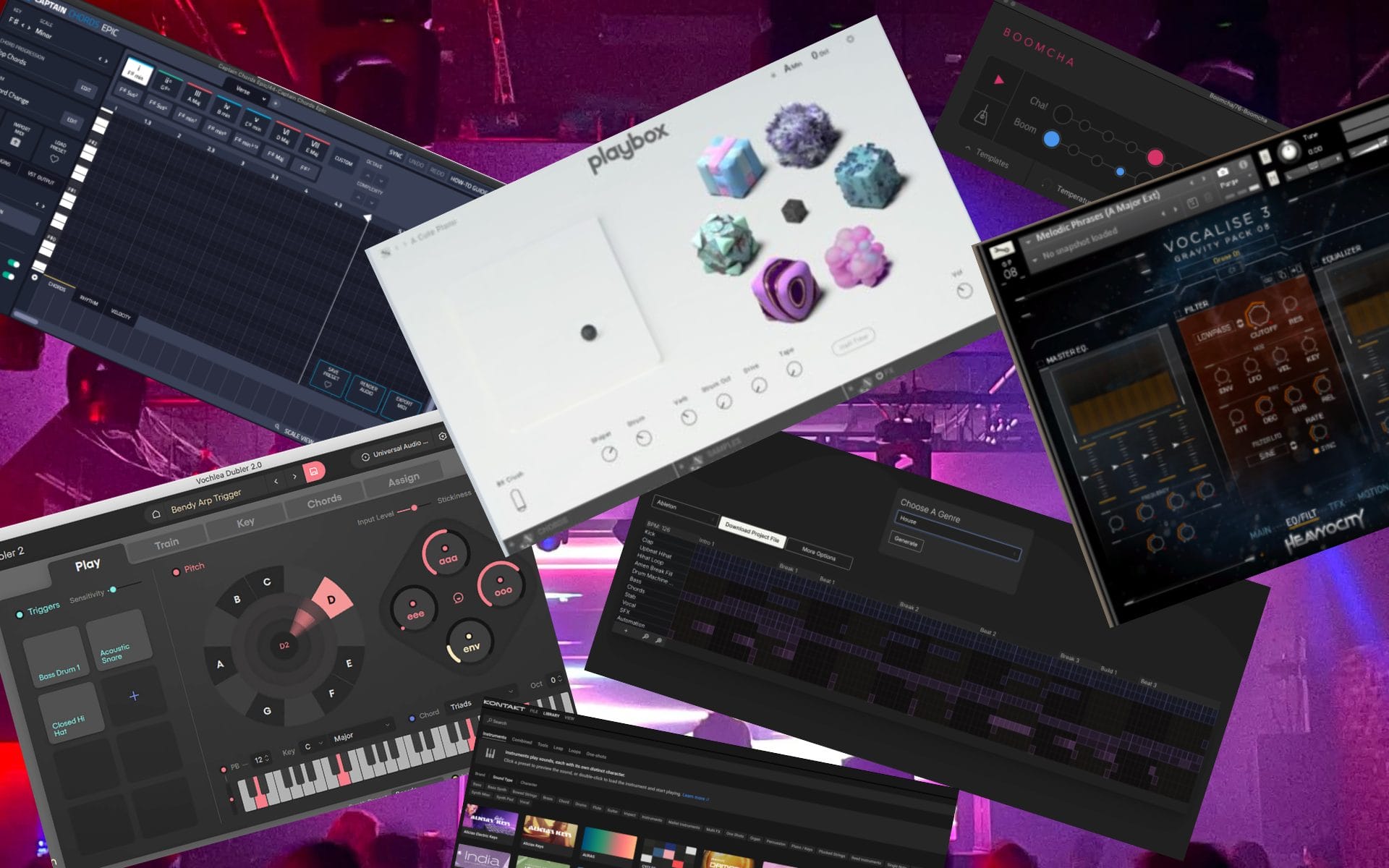
| Plugin | Main role | Best fit | Why I am including it |
|---|---|---|---|
| Captain Plugins Epic | Chords, melodies, basslines, and connected MIDI writing | Producers who need harmonic ideas fast | It gives the writing process a connected starting point instead of making every part happen in isolation. |
| JukeBlocks | Arrangement planning and song structure | Producers who get stuck turning loops into full tracks | It helps map sections quickly so the track has a shape before the session loses focus. |
| Dubler 2 | Voice-to-MIDI idea capture | Producers who sing melodies, basslines, or rhythms before they can play them | It turns the voice into MIDI so ideas can move into instruments faster. |
| Boomcha | Drum groove generation from editable MIDI | Producers who write stiff drums and need a better rhythmic base | It gives the drum section a more natural feel without locking the producer into audio. |
| Playbox | Chord-based sample layering and randomization | Producers who want quick harmonic sparks and unexpected stacks | It creates playable idea starters through samples, chord sets, and internal effects. |
| Vocalise 3 | Vocal phrases and playable vocal material | Producers who need vocal color before a singer is involved | It gives you processed vocal material that can start a hook, bridge, or background layer. |
| Kontakt 8 | Sampling platform and instrument hub | Producers who want one place for libraries, loops, phrases, and sampled instruments | It is the broadest writing platform here because it supports so many sources and formats. |
Captain Plugins Epic
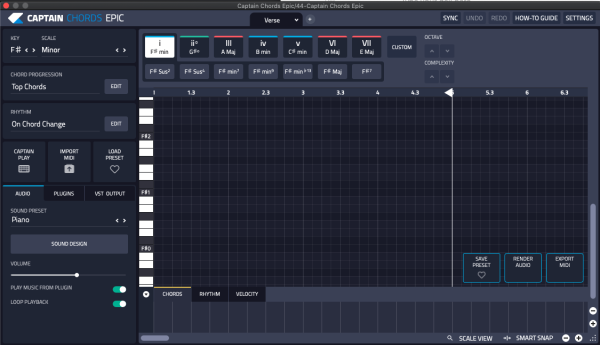
Captain Plugins Epic is the songwriting tool I would use when the hardest part is getting the harmonic foundation moving. In my Captain Plugins Epic review on the site, I yapped ab out how Captain Chords Epic is the main plugin in the bundle because its chord progression serves as the central reference for the rest of the suite. That is the real value here: the chords, bass, and melody tools can talk to each other instead of forcing the producer to rebuild the idea from scratch on each track.
Compared with JukeBlocks, Captain Plugins is less about arrangement shape and more about the musical material inside the sections. Compared with Dubler 2, it is also less about capturing a sung idea and more about generating material inside a controlled harmonic system.
I like it most when a session needs a first progression, a bassline that follows the chords, or a melody that stays inside the same musical frame. It can get generic if you accept the first suggestion every time, so the better move is to use it as a fast draft and then edit the MIDI until it sounds like you. This is the pick I would recommend for producers who have the sound palette ready, but no clear chord or melody idea yet.
Check It Out Captain Plugins Epic
JukeBlocks
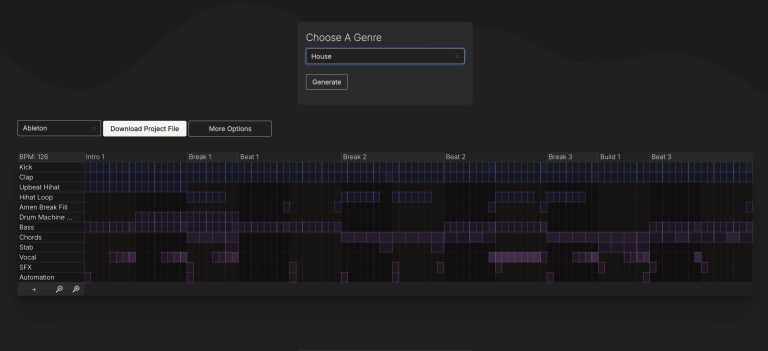
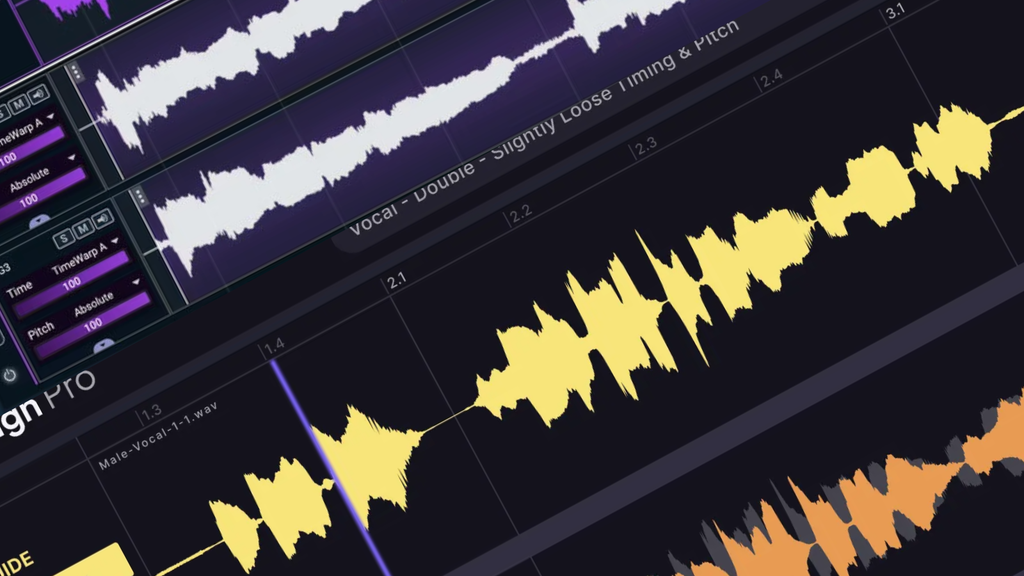
JukeBlocks is the tool I would reach for when the loop is good, but the track still refuses to become a full arrangement. In my JukeBlocks review on the site, I focused on how it helps producers turn loops into full arrangements with genre templates, DAW support, and a rearrange workflow.
That makes it different from Captain Plugins, which mainly focuses on harmony, melody, or bass writing. It solves the blank-timeline problem once the first good idea already exists. I like it for mapping intros, main sections, breakdowns, and final energy changes before I start over-editing an eight-bar loop. It also helps expose whether the idea has enough parts to support a full track, which is a problem producers often avoid until late in the session.
Unlike Boomcha, which we’re gonna talk about here in a bit, JukeBlocks is not trying to fix the groove within the section. It is there to show where the sections should go so that the track starts to behave like a record.
Scope it out for yourself JukeBlocks
Dubler 2

Dubler 2 is the songwriting tool I would use when the best idea happens before the hands can catch up. In my Dubler 2 review that I wrote a while ago, I focused on its ability to turn the human voice into MIDI for melodies, percussive triggers, chord ideas, and live performance control.
That makes it different from Captain Plugins because the idea starts with the producer’s voice rather than a generated progression. It also sits apart from Playbox and Kontakt 8 because it does not give you the sound source first; it gives you the MIDI idea that can then be routed anywhere. This connects loosely with Sensu’s How It Was Made feature for “Faded Hearts”, where he talks about using Melodyne for vocal sample manipulation and says, “you’ll love the precision it offers.”
Dubler 2 sits earlier in that chain, because it can catch the sung melody before it becomes an audio-editing problem. I would use it when I can hear a bassline, topline, or rhythm in my head and want to turn that into editable MIDI immediately. It is also a smart fit for producers who are stronger at singing ideas than playing keys. Dubler 2
Boomcha
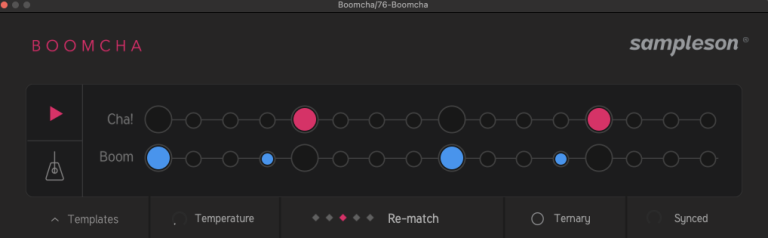
Boomcha belongs on a songwriting plugin list because rhythm can be the deciding factor in whether an idea feels alive or stiff. In my Boomcha review a couple of weeks ago, I focused on how it turns simple drum input into editable MIDI grooves based on real drummer data.
That is different from a drum loop library because the output can still be changed note by note, velocity by velocity, and section by section. Compared with Captain Plugins, Boomcha handles the rhythmic foundation rather than the harmonic one. Compared with JukeBlocks, it works inside the section rather than mapping the full timeline.
I like it when the kick and snare idea is already clear, but the groove needs more human timing and velocity movement than a grid pattern can provide. The main caveat is that it is better at establishing the core drum part than writing every tiny percussion detail in a finished dance record.
That makes it a solid early-session tool, especially when a track needs drums that suggest direction before the rest of the arrangement is built.
Check It Out Here Boomcha
Playbox
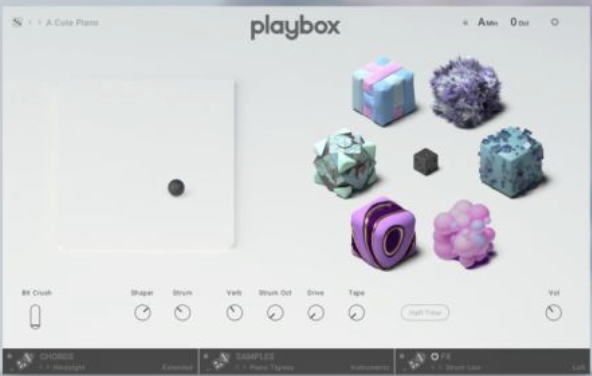
Playbox is the pick I would use when a song needs a harmonic spark that comes as much from sound selection as from music theory. In my Komplete 14 review, which I wrote ages ago, I talked about how Playbox is a Kontakt instrument that randomizes sounds and plays them in sequence when fed MIDI notes. That is why it belongs here, even though it is not a songwriting assistant in the Captain Plugins sense.
Playbox helps when I want a chord idea, a sample stack, and a mood-setting instrument choice to happen at the same time. Compared with Captain Plugins, it is less precise about theory and more about quick combinations that can point the session in a direction. Compared with Kontakt 8, it is narrower and faster because it is built around one specific idea-generation workflow.
I would use it near the start of a session when the track needs a harmonic color before I commit to a full progression. It can also be a good follow-up to Dubler 2, because a sung MIDI idea can become a more interesting chord or sample part once Playbox starts layering it. Playbox
Vocalise 3
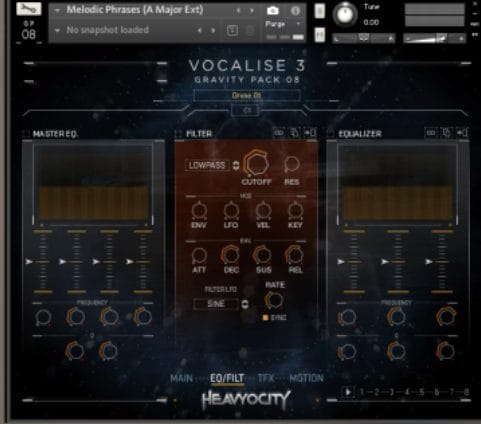
Vocalise 3 is the vocal-instrument pick, and I would include it because many songs start once the producer hears a human element in the track. In my Vocalise 3 review on the site a while back, I focused on the library’s processed vocal performances, one-shots, riffs, and tempo-synced melodic phrases.
That makes it different from Dubler 2, which captures the producer’s own voice as MIDI. Vocalize 3 gives you the vocal source material first, then lets you arrange and shape it as part of the production. Compared with Playbox, it is less about randomized harmonic stacks and more about vocal phrasing, tone, and gesture.
I would use it when a track needs a vocal-adjacent hook, a background phrase, or a human layer before a singer is involved. It is also one of the better fits here for cinematic, ambient, and melodic electronic writing, as the source material already feels designed for placement within a larger arrangement.
The caveat is that it is a Kontakt vocal library, not a processor for your own recorded vocals, so it should be treated as source material rather than a vocal-editing tool.
Check it out riight here Vocalise 3
Kontakt 8
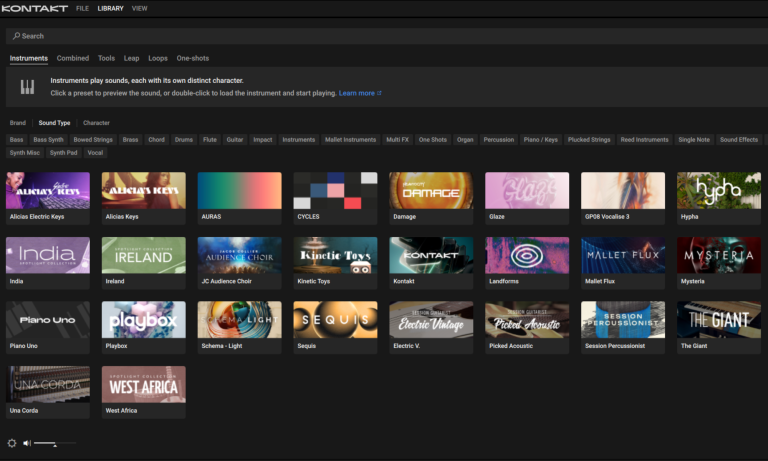
Kontakt 8 is the broadest songwriting tool in this article because it can serve as a host, sampler, library platform, and idea engine all at once. In my massive (pun not intended, IYKYK) review of Kontakt 8, I focused on the way the update adds Leap, Conflux, workflow changes, and a cleaner experience around a platform that already supports a huge instrument ecosystem.
That is why it sits apart from Playbox and Vocalize 3.
Those are specific Kontakt-based writing tools, while Kontakt 8 is the larger environment that can hold them and thousands of other instruments. I also thought about the Syence feature on layering with Kontakt, where they walked through how they use Kontakt 8 to layer libraries and shape modern electronic tracks.
That is the best songwriting angle for Kontakt: it can help turn a small musical idea into an arranged stack of playable parts. Compared with Captain Plugins, it won’t write the chord progression for you in the same direct way. It becomes powerful once the producer already has a direction and needs instruments, phrases, loops, and sample-based layers to make the idea feel complete.
Scope it out in detail here Kontakt 8
Honorable Mentions I Would Keep On The Radar
These tools also fit the songwriting lane, though I would keep them outside the main list until I have enough review time or better artist source material.
| Plugin | Why it is on my radar | Best fit |
| Scaler 3 | A theory-led chord and progression tool with a huge user base | Producers who want deeper harmonic help than basic chord packs |
| Mixed In Key Pilot Plugins | A newer idea-generation system connected to melody, bass, and arpeggio writing | Producers who want a broader idea engine near Captain Plugins |
| iZotope Audiolens | A reference capture tool that can help define production targets | Producers who write better with a reference direction in mind |
| LANDR Composer | A chord and progression tool aimed at quick writing support | Producers who want simple harmonic starts without a heavy setup |
Wrapping Things Up
Best Songwriting Plugins For Producers should be judged by where the writing process actually breaks down. Captain Plugins is the safest pick when the missing piece is harmony, melody, or a bassline that connects to the chords. JukeBlocks is the better tool when the loop is there and the arrangement has no clear path forward. Dubler 2 is the fastest answer when the idea arrives through the voice before it reaches the keyboard.
Boomcha solves a different songwriting problem by making drums feel less stiff at the MIDI stage. Playbox and Vocalise 3 are source-material tools because they can spark a song through chords, samples, and vocal phrases rather than formal composition help. Kontakt 8 is the deeper platform pick, especially once the song needs instruments, sample layers, and a larger writing environment.
If I were building a small songwriting toolkit from this list, I would start with Captain Plugins, JukeBlocks, and Dubler 2, then add Kontakt 8 once the instrument side starts becoming the bottleneck.

Will Vance is a professional music producer who has been involved in the industry for the better part of a decade and has been the managing editor at Magnetic Magazine since mid-2022. In that time period, he has published thousands of articles on music production, industry think pieces and educational articles about the music industry. Over the last decade as a professional music producer, Will Vance has also ran multiple successful and highly respected record labels in the industry, including Where The Heart Is Records as well as having launched a new label with a focus on community through Magnetic Magazine. When not running these labels or producing his own music, Vance is likely writing for other top industry sites like Waves or the Hyperbits Masterclass or working on his upcoming book on mindfulness in music production. On the rare chance he's not thinking about music production, he's probably running a game of Dungeons and Dragons with his friends which he has been the dungeon master for for many years.