Playlist submission platforms can help your releases move faster, although they only perform well when you treat them as one part of a release plan instead of a magic button. Learning how to use playlist submission platforms can make or break your early career, too, so the stakes may seem low for newer artists, but they actually are higher than you’d expect. These services connect you with independent Spotify curators, blogs, and brands, so your tracks reach listeners who already care about your style.
When you combine that exposure with a strong profile, consistent releases, and smart follow-up, you turn placements into real audience growth rather than inflated play counts that never return.
The goal with these platforms is simple.
You want to send the right track to the right curator at the right time, and track what happens afterward. That means understanding how each platform works, how Spotify’s ecosystem reacts to engagement, and how to spot low-quality or fraudulent playlists before they touch your catalog. With that in place, playlist submissions can become a reliable testing ground for your music and a steady source of new listeners.
Jump To These Sections
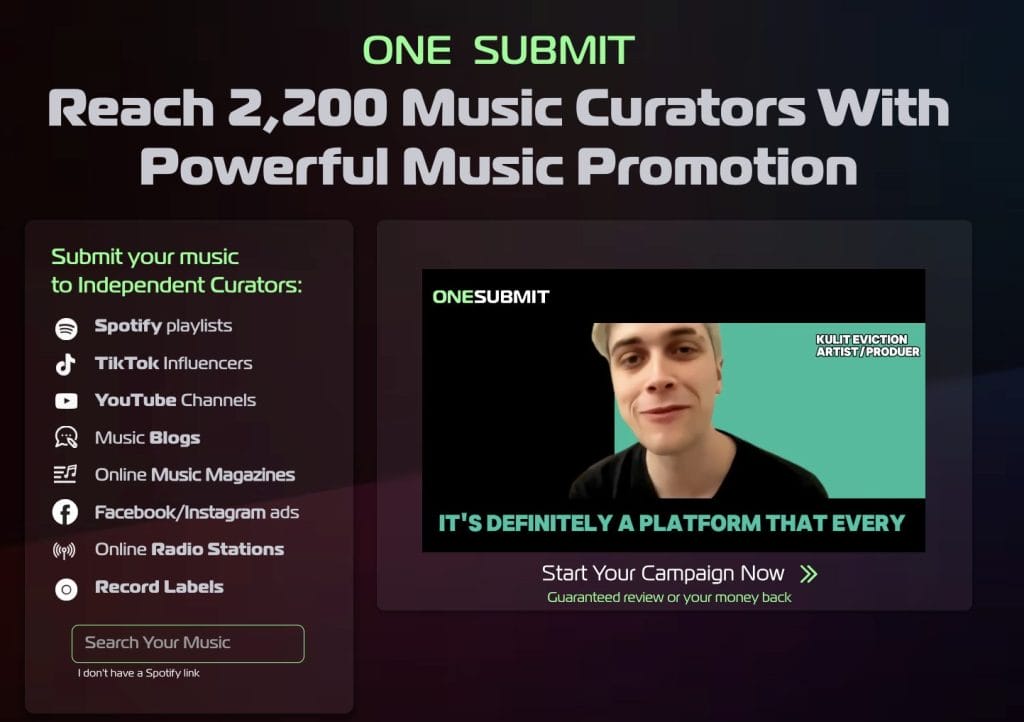
If you want a starting point that stays focused on Spotify and keeps things simple, One Submit (with whom this article is made in partnership) is worth a look. It centers on playlist curators, helps filter them by style, and gives you a practical way to plug playlist outreach into your wider release plans.
How Playlist Submission Platforms Fit Into The Spotify Ecosystem
Spotify focuses on three broad playlist categories.
Editorial playlists come from Spotify staff like Ronny Ho and rely on the pitch you send through Spotify for Artists before release day. Algorithmic playlists such as Release Radar and Discover Weekly react to listener behavior, so saves, completions, skips, and repeat plays matter more than one-off traffic spikes. Independent playlists from users, brands, labels, and curators live alongside those, and this group is where third party platforms help you most.
Submission platforms mainly operate in that independent space. They give you access to curators who have already built playlists around specific genres, moods, and scenes. When listeners from those lists save your track, play it through, and return to it later, those signals flow into Spotify’s recommendation system and increase the chance that your future releases appear in algorithmic feeds. The playlist itself creates a first contact, and the way listeners behave after that contact shapes what Spotify does with your catalog.
This is why playlist platforms work best when you see them as a bridge between your release plans and Spotify’s internal systems.
They help you get your track in front of the right people at the right moment, and in return you get better data about how your music behaves out in the wild. Combined with Spotify for Artists tools and your other marketing channels, they fill an important role without carrying the entire campaign on their own.
The Main Types Of Playlist Submission Platforms

Most playlist submission services fall into a few clear categories and let’s take a minute to break each of them down because they each can be leveraged in different ways during different points of your trajectory as an artist.
Credit-based platforms
Credit-based platforms invite you to buy or earn credits, then spend those on submissions to individual curators. You choose who to pitch, you send your track, and you receive either feedback, a placement, or a pass. This format gives you more control over who hears your music, and over time you can build a shortlist of curators who respond well to your releases.
Campaign-based platforms
Campaign-based platforms take a different path.
You set up a campaign, pay a single fee, and the platform pushes your track to a bundle of curators on your behalf. This approach is convenient if you want a wider footprint without handling every pitch yourself, although it offers less control over specific relationships. It usually suits artists with a slightly higher budget who prefer speed over fine-grained targeting.
Freebies
Free and low-barrier tools round out the picture.
Sites like Daily Playlists and Soundplate let you submit to certain playlists without a per-submission fee, trading your time for reach. Mixing paid and free options across several releases gives you a more accurate view of which format supports your goals, but with full transparency, usually with the free options, you get what you pay for.
Why?
Because the curators aren’t incentivized to invite their time there so the playlists are usually weaker. Since they’re free, they’re usually inundated with, I hate to say this but terrible music, which adds so much noise that even if there are solid curators on there, they aren’t likely to give your music the time it deserves.
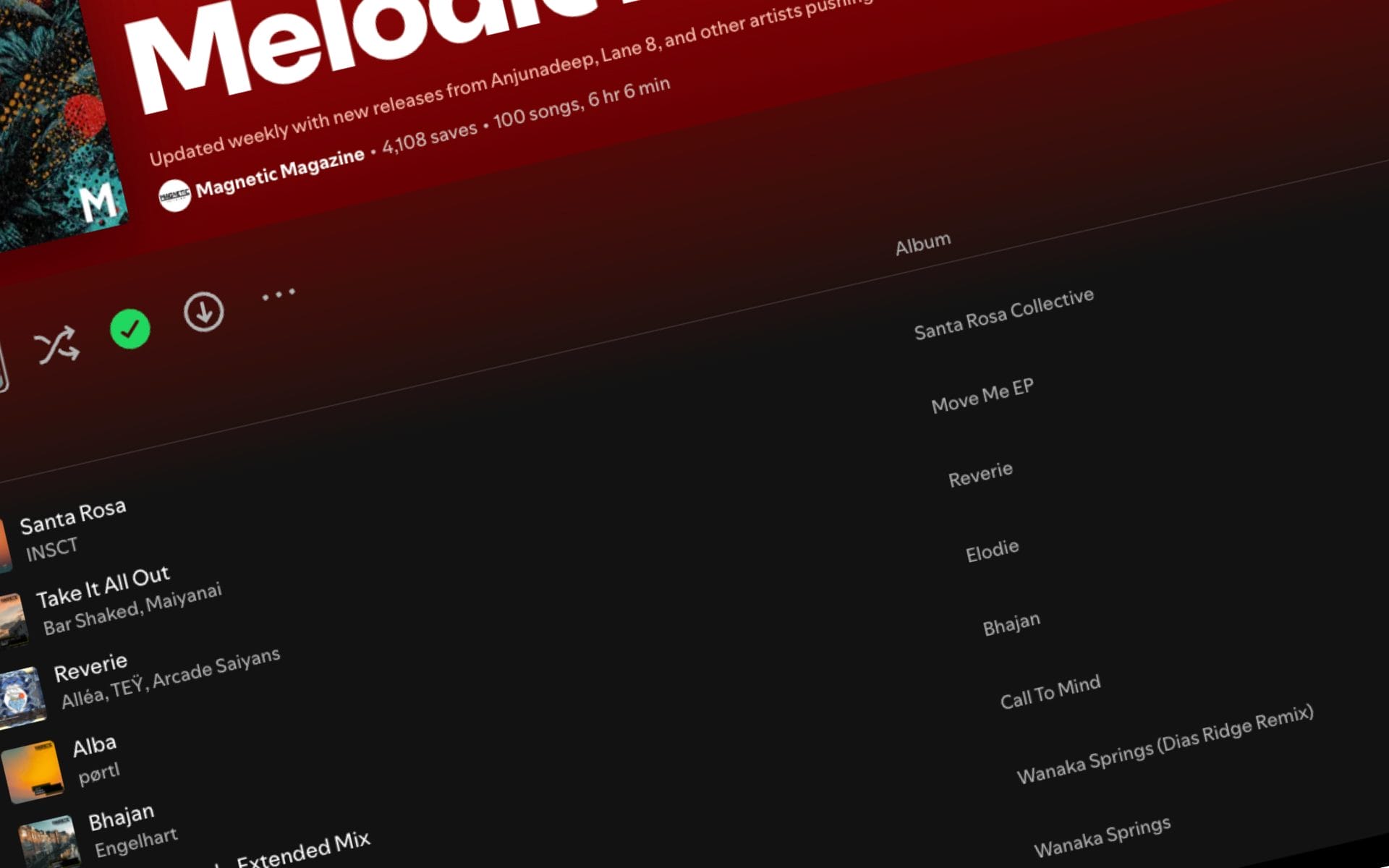
One free option I can speak to from the curator side is Magnetic Magazine’s Melodic House 2026 playlist. Its current selection includes David Hohme, Volen Sentir, Budakid, and Ben Pierre, and we’re accepting submissions from artists making melodic, organic, and progressive house.
Listen to the playlist, choose a released track that fits, and submit your music for free consideration. There’s no fee, and sending a track does not guarantee placement or a set number of streams.
Setting Clear Goals Before You Spend Money

Before you send a single track through any platform, you need a clear picture of what success looks like.
Most artists jump straight to total play counts, although that number hides almost everything that matters. If you want long-term growth, you should track saves, listener conversion to followers, repeat plays from the same people, and activity on your other channels around the same time. Those metrics reflect genuine interest and give Spotify something helpful to work with.
Start by defining one or two simple goals for each campaign.
You might aim for a certain number of playlist adds from curators in your niche, or focus on hitting a specific save rate among the traffic you receive. You might track how many new listeners slide over to your Instagram, TikTok, or email list after a campaign. These targets keep your expectations grounded and help you decide which platforms deliver real value rather than cosmetic boosts.
Once you finish a few campaigns, review the numbers with a calculator mentality.
Divide your total cost by essential outcomes such as new followers, strong playlists, or saves, and compare that with what you see from other activities like social ad spend or collaboration content. Over time this shows where playlist platforms sit inside your larger marketing mix and stops you from pouring budget into things that do not move your project forward.
Researching Curators Like An A&R Team
The difference between a strong playlist campaign and a weak one often comes down to research.
Playlists with similar follower counts can deliver very different outcomes, and you cannot see that from a single number. Look at how frequently a playlist updates, how coherent the selection feels, and how closely the current tracks align with your sound. Playlists that show consistent care over time usually have more engaged listeners.

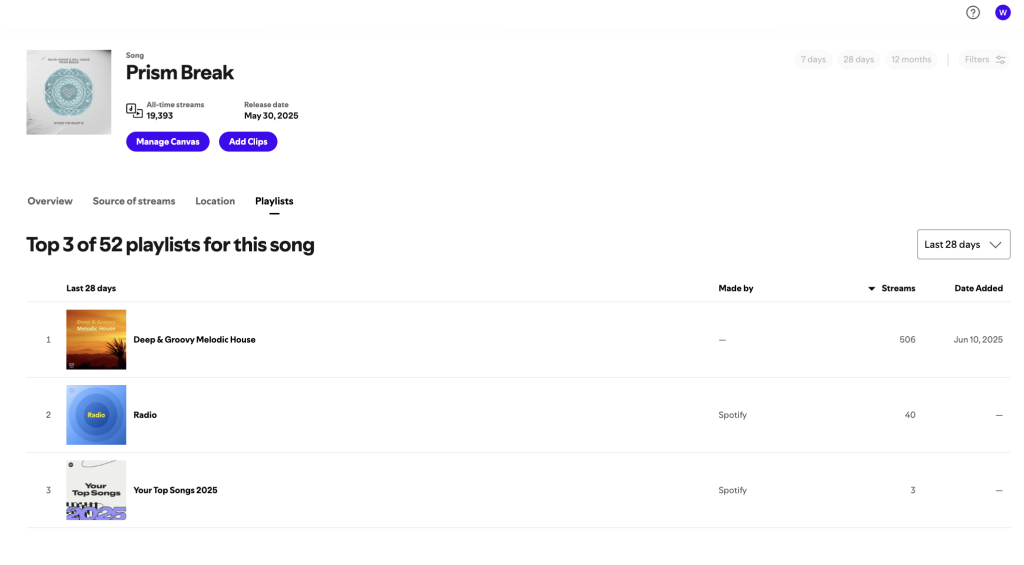
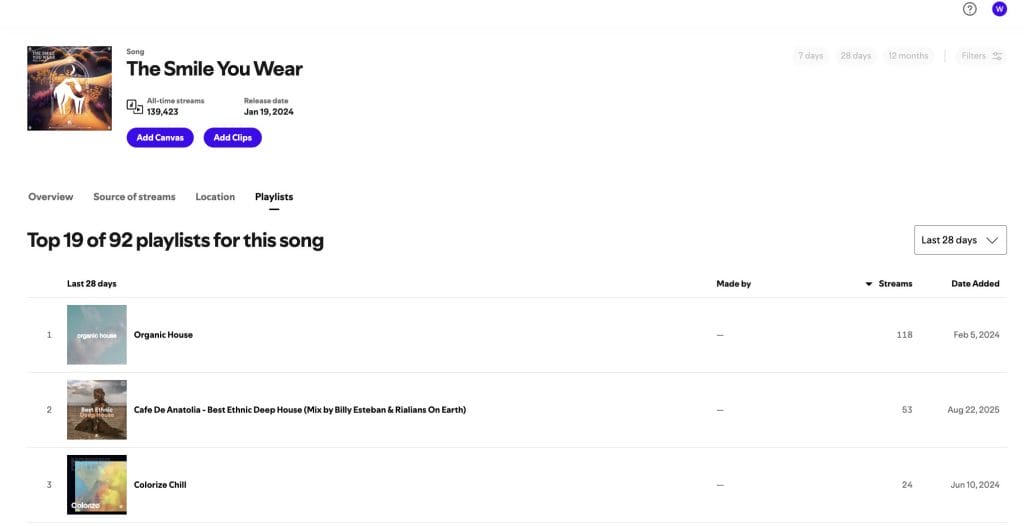
Next, study the data you can access. Inside Spotify for Artists you can see which playlists send the most listeners and how those listeners behave. Strong curators tend to bring in listeners who save tracks, follow artists, and come back for repeat sessions. Weak curators send traffic that bounces quickly. After a campaign, tag each playlist in a simple spreadsheet and write down what you see for that source. Over a few releases, you will know exactly which curators belong at the top of your outreach list.
Off platform research helps as well. Many playlist owners run small labels, event brands, blogs, or social channels. A quick search often tells you how active they are, how they talk about music, and how they interact with artists. When you find a curator who looks serious, consider them a long-term contact, not a one-time transaction.
Avoiding Scams And Low Quality Playlists

Playlist promotion attracts scams because artists feel pressure to grow numbers quickly.
Some services promise fixed amounts of plays or placements on multiple large playlists for a flat price. That structure often relies on automated activity or networks that do not care about your music at all, and the patterns these campaigns create can put your catalog at risk. Distributors and streaming services monitor for suspicious listening behavior and can remove tracks or withhold royalties when they spot it.
To protect your releases, avoid any offer that guarantees a specific number of plays or followers. Industry leader Chris Sharpe told us in a recent interview, “The problem with a lot of playlist submission sites is that they focus on big, for-profit playlists that don’t actually provide real engagement. Instead of helping artists, these can hurt their streaming numbers in the long run,” and that’s a word of warning from the wise, no doubt.
Real curators accept or decline tracks based on fit, not payment size, and honest platforms make that clear. Look for transparent submission processes, clear terms, and visible histories. When in doubt, search for independent reviews, blog posts, or forum threads where artists describe their outcomes with a given service. Hell, if even Spotify has been accused of less-than-above-board plays here, it’s on the shoulders of the artists to do their due diligence as well.
You should also closely monitor your own analytics. If a playlist pushes listeners from regions that don’t align with your usual audience, or if you see very short play durations and no saves, treat it as a warning sign. Pause submissions to that curator and talk with your distributor if you suspect something serious.
Long-term growth depends on healthy data, so it pays to be conservative here.
Building A Release Pipeline That Supports Playlist Campaigns
Playlist submissions belong inside a wider release pipeline, not off to the side. Start with your Spotify for Artists pitch, which you should file several weeks before release. Fill it with clear information about genre, mood, and context, polish your profile, and make sure your cover art and bio reflect where you are heading creatively. When algorithmic and editorial teams see a consistent profile, they can place your music more confidently.
Around that pitch, map the rest of your activity on a calendar. Plan when you will run social teasers, short-form video clips, email announcements, and press outreach. Place your playlist campaign to support this activity rather than compete with it. For example, you might schedule submissions during the first two or three weeks after release, while you are already driving interest from your audience and collaborators. That timing helps cluster engagement and makes real listeners more likely to respond when they discover you through a playlist.
A platform like One Submit fits neatly into this timeline because it focuses only on playlist curation. You can dedicate a block of time during release week to work through its curators, send pitches that match your current single, then move on to other tasks while the responses roll in. Treated this way, playlist campaigns become repeatable units in your release structure rather than chaotic side projects.
Selecting The Right Tracks And Matching Them To The Right Playlists
Not every song from a project belongs in a playlist campaign.
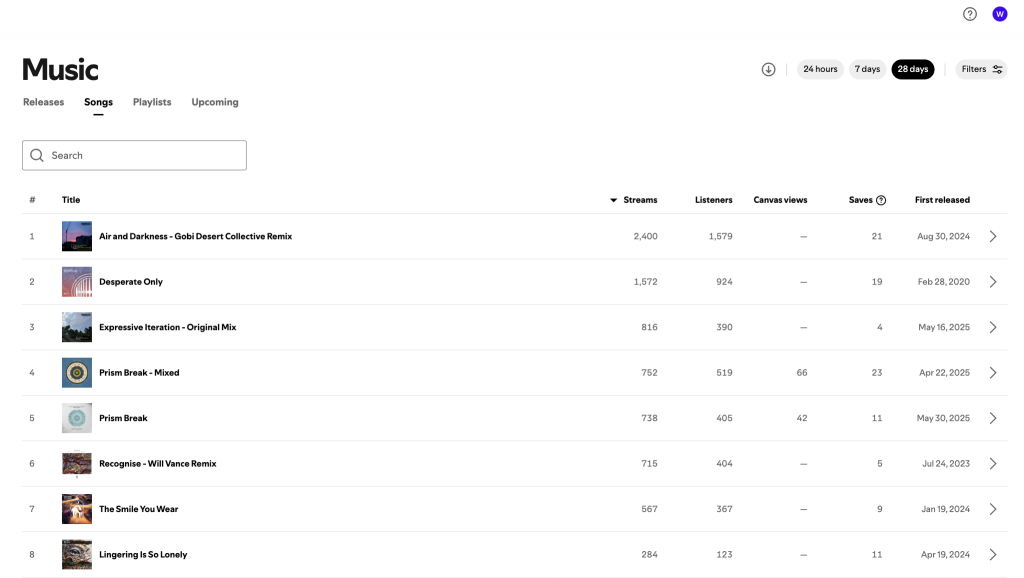
You want tracks that represent your sound clearly, come in with intention from the first bars, and sit cleanly inside a recognizable niche. Curators sift through a lot of submissions and usually make decisions quickly, so a track that communicates its identity early has a better chance of getting through. This does not mean forcing everything into a formula, it simply means choosing the songs that carry your key traits most efficiently.
Once you know which track you want to push, take time to align it with specific playlists. Look for lists that feature recent tracks in a similar genre, similar tempo range, or similar emotional tone. Then pay attention to how those tracks are produced and structured. If your mix and arrangement sit comfortably next to them, that playlist becomes a strong candidate. If the difference feels too large, your track may struggle there.
This level of targeting takes more time upfront but saves you credits and energy over the long term. You pitch fewer curators, and the curators you pitch have a higher chance of accepting because you respected the space they built. Over repeated releases, this creates a network effect where your name feels familiar to curators and your music slides into their workflow more easily.
Writing Pitches That Curators Want To Read
A strong pitch helps your track stand out before anyone presses play. You do not need a long story, you need clarity. Start with who you are, where you are based, and a short description of the track you are submitting. Follow that with concrete genre markers, useful artist references, and any relevant context such as previous support, label backing, or live history. Keep everything tight and readable so curators can scan the key information in a few seconds.
Don’t Skip The Humanization
The next step is personalization.
Refer to the specific playlist you are targeting and explain why you think your track fits. Mention a track or two from the playlist that sits in a similar space. That detail shows that you did your homework and see yourself as part of a real scene, not a random applicant spraying links. Curators respond well to artists who respect their time and understand the audience they have built.
Many platforms, including credit-based services and focused tools like One Submit, provide comment fields or structured pitch sections for this information. Treat these boxes as important, not as an afterthought. Keep a base pitch on your computer and tweak a few lines for each curator so the message still feels personal without forcing you to rewrite from scratch every time.
Turning Playlist Placements Into Long-Term Growth
Landing a playlist spot feels good, although the real value comes from what you do next.
Share the placement with your followers, add the playlist logo or name to your press kit, and thank the curator publicly if that aligns with their preferences. These actions show your existing listeners that you have momentum and show the curator that you appreciate their support, which increases the chance they look at your next release.
You can also fold placements into your communication with industry contacts. Mention recent playlists in emails to labels, managers, promoters, or collaborators when it feels appropriate. A pattern of organic placements gives context for your streaming numbers and signals that curators who do this every day believe in your work. That information often carries more weight than a raw play count with no source attached. These are the building blocks that keep the snowball growing as it moves downhill.
Finally, consider how you reflect this activity inside your own Spotify presence.
Curate artist playlists that feature your songs alongside tracks from curators who supported you and artists you admire. This lets new listeners move through your catalog with a bit of guidance and gives you another place to highlight those curators, closing the loop between your campaign efforts and your ongoing presentation and it also gives you a low-lift piece of content to share on your socials and an extra way to engage with communities; IE tagging producers, labels, and others who you include in your own playlist.s
Using Data To Refine Your Approach
Every playlist campaign generates data that can improve the next one.
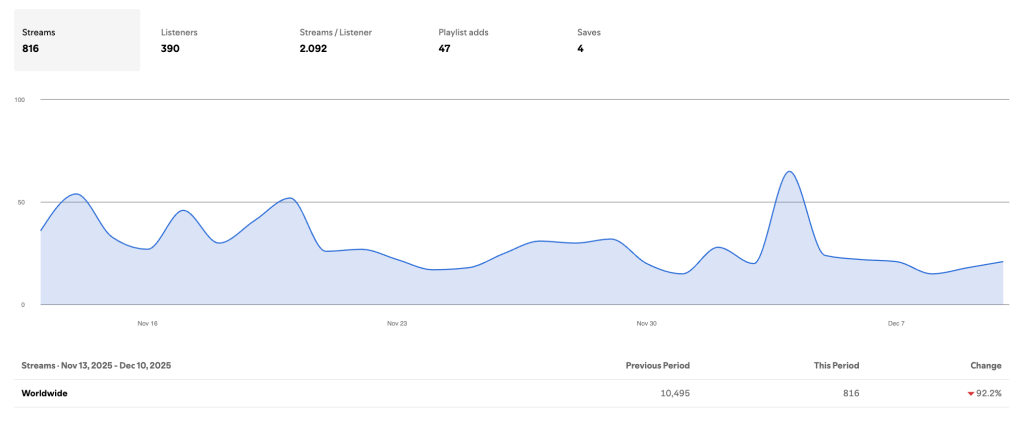
Inside Spotify for Artists, you can see which playlists send listeners and how those listeners behave once they arrive. Pay attention to save rates, completion rates, and follow behavior. These indicators tell you which playlists helped you reach people who care and which playlists only pushed numbers up without real connection behind them.
Try creating a simple spreadsheet that tracks each campaign.
Include columns for platform name, playlist name, curator name, cost, date, streams from that playlist, saves, and followers gained during the campaign window. After a few cycles, use this table to rank your curators and platforms. High-performing curators move into a priority list, while low-performing or suspicious sources move into a list you stop pitching.
This habit might feel tedious at first, although it quickly shows which tools earn another budget allocation and which tools fade out of your plans. As you gather more data, your campaigns become leaner, more precise, and more aligned with the listeners who keep returning to your music.
When Playlist Platforms Are The Wrong Tool
There are moments in a career where playlist campaigns do not make sense. If your recordings still need serious improvement, or your project lacks any foundation on socials, email, or live performance, playlist promotion can feel like skipping steps. In those situations, the same money often delivers more value when you invest it in better mixes, better visual branding, or content that explains who you are to potential fans.
You might also hit a point where your data shows weak returns from playlist platforms across several releases. If your follower count barely moves, your save rates stay low, and no algorithmic playlists pick up your tracks, then your time may be better spent on collaborations, remixes, direct marketing to existing fans, or regional strategies like radio and local shows. Playlist tools help amplify momentum, they do not create it from nothing.
The main thing is to stay honest with yourself about where your project sits right now. When playlist submissions feel aligned with your goals and supported by the rest of your plans, they can play a useful role. When they feel like a Hail Mary, it usually pays to regroup, strengthen your fundamentals, and bring them back into the mix later.
Conclusion

Playlist submission platforms can help you boost Spotify streams in a way that actually supports your long term career, as long as you use them with intention. They connect you with real curators, give you structured feedback, and feed useful data into Spotify’s system. When you pair them with strong songs, a clear release pipeline, and ongoing work on your audience, they contribute to growth instead of distracting you.
Treat playlist tools as a channel for discovery, not as a replacement for the rest of your work. Learn how each platform behaves, test small, track everything, and double down only where you see real listeners responding. Services focused on playlists, like One Submit, can sit at the center of that approach and give you a cleaner path between your release schedule and the curators who can help your music reach the right people.

Will Vance is a professional music producer who has been involved in the industry for the better part of a decade and has been the managing editor at Magnetic Magazine since mid-2022. In that time period, he has published thousands of articles on music production, industry think pieces and educational articles about the music industry. Over the last decade as a professional music producer, Will Vance has also ran multiple successful and highly respected record labels in the industry, including Where The Heart Is Records as well as having launched a new label with a focus on community through Magnetic Magazine. When not running these labels or producing his own music, Vance is likely writing for other top industry sites like Waves or the Hyperbits Masterclass or working on his upcoming book on mindfulness in music production. On the rare chance he's not thinking about music production, he's probably running a game of Dungeons and Dragons with his friends which he has been the dungeon master for for many years.