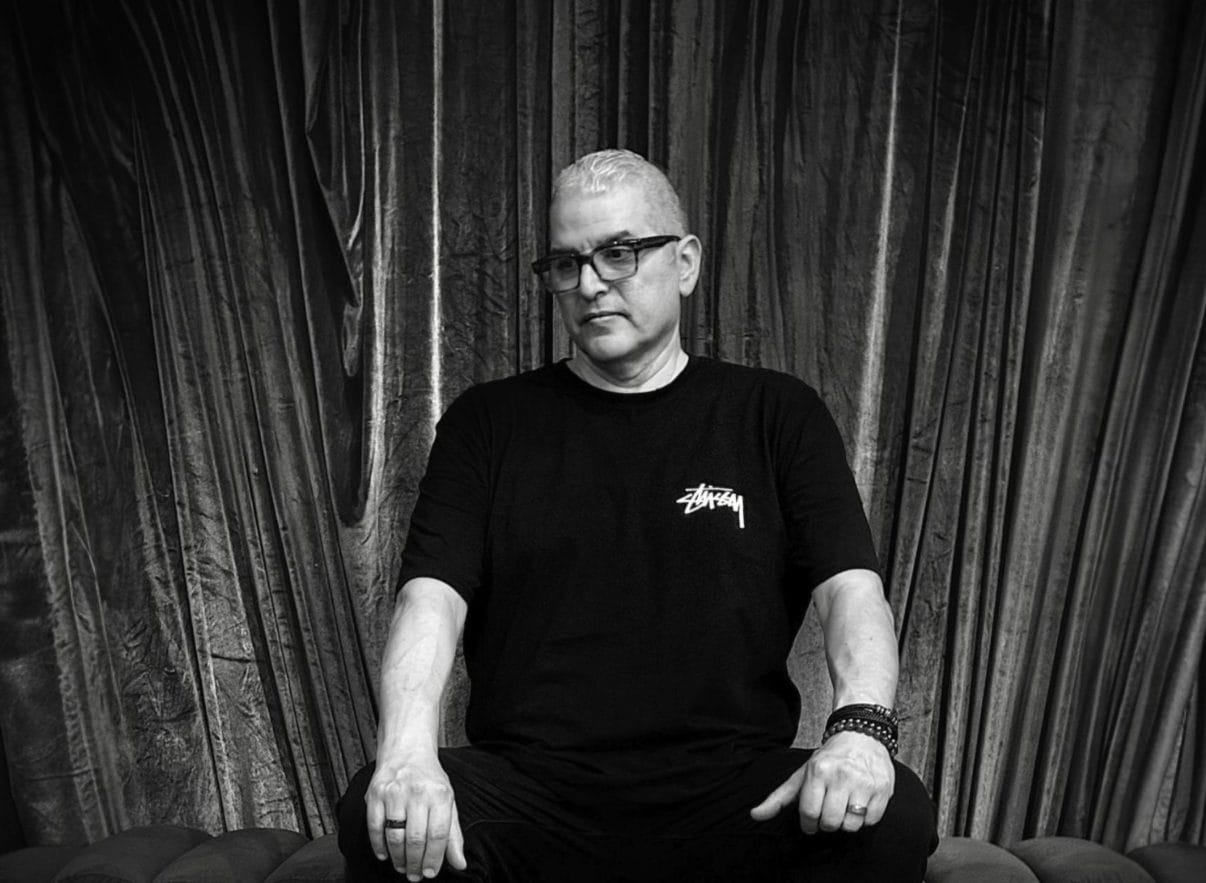
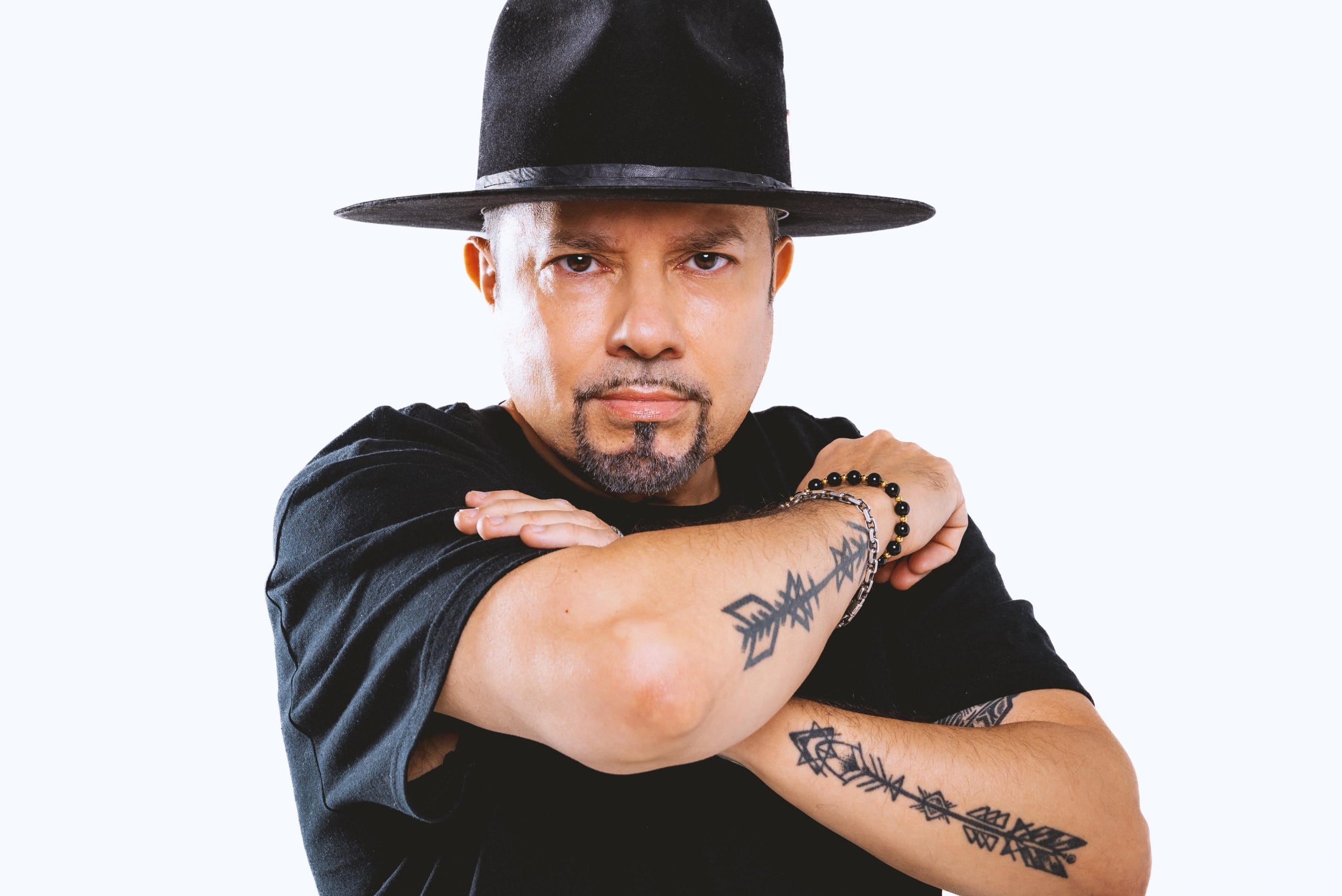
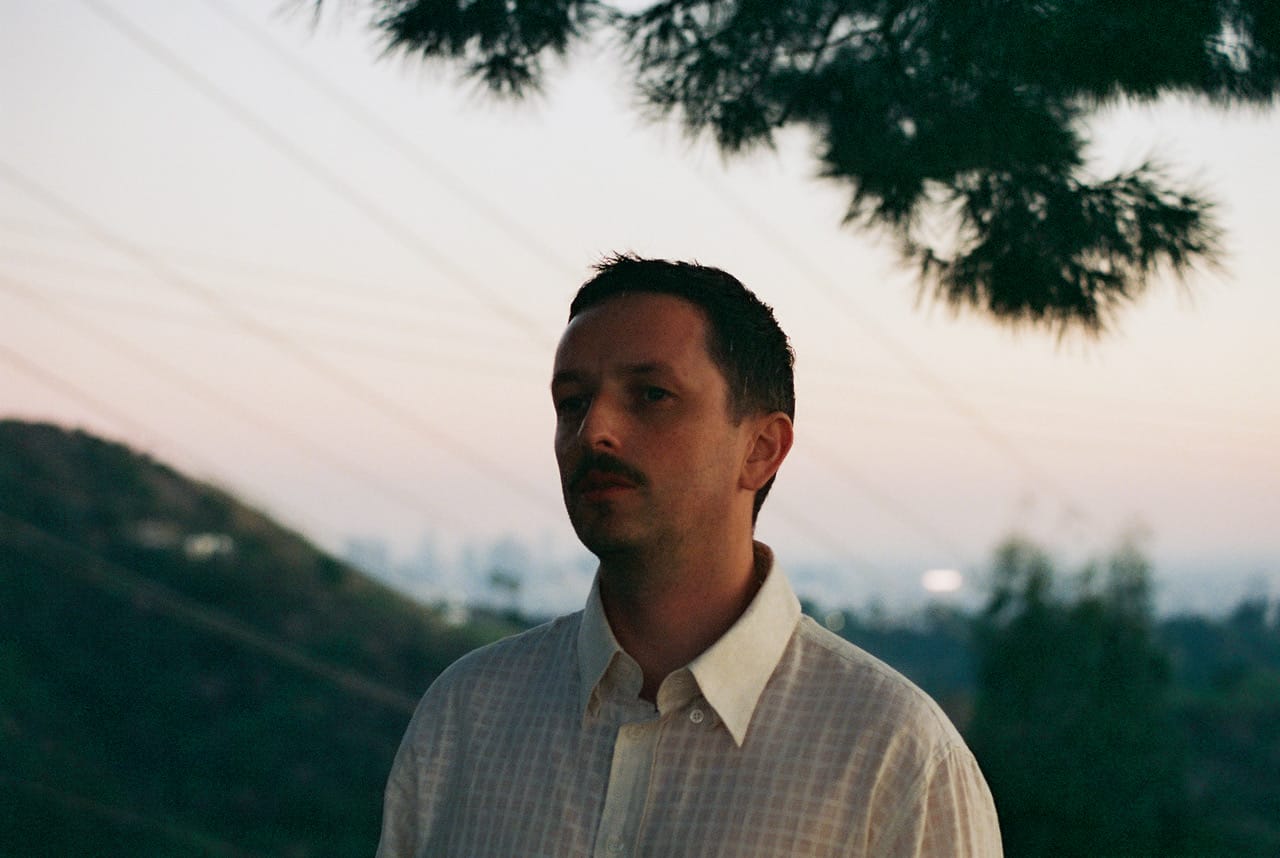
Doc Martin (@docmartinla) and Homero Espinosa (@homeroespinosa) reconnect on West Coast Transmissions, a two-track EP that dropped back on July 24 on REK’D, the dancefloor-focused Rekids sublabel launched by Radio Slave. The release brings the pair into a rawer West Coast House lane, with “Warm Feelings” opening around swung drums, bubbling synth movement, and a drifting vocal, while “Call On Me” leans into shuffling rhythm, crunchy melodic detail, and the late-night loopiness that has long sat at the center of Doc’s language behind the decks.
The collaboration has history behind it.
Doc Martin and Homero Espinosa have worked together across multiple projects, including material connected to Espinosa’s Moulton Music imprint, and the new EP pulls from mid-’90s West Coast parties, a Juno-106, a Roland MC-505, and Doc’s sample vault. In Doc’s own words, the release is about getting back to the feeling of dancing and getting lost in music somewhere in a basement at 4 AM.
That gives the interview below a cleaner frame. Doc is not talking about DJ identity as branding. He is talking about a relationship with records, dancers, rooms, curveballs, long sets, ego, and the difference between a sound that is lived and one that has been designed for appearance. For someone whose name has been tied to West Coast house culture for decades, the answers feel less like advice and more like a reminder of what the job was supposed to be before everything became easier to package.
Interview With Doc Martin
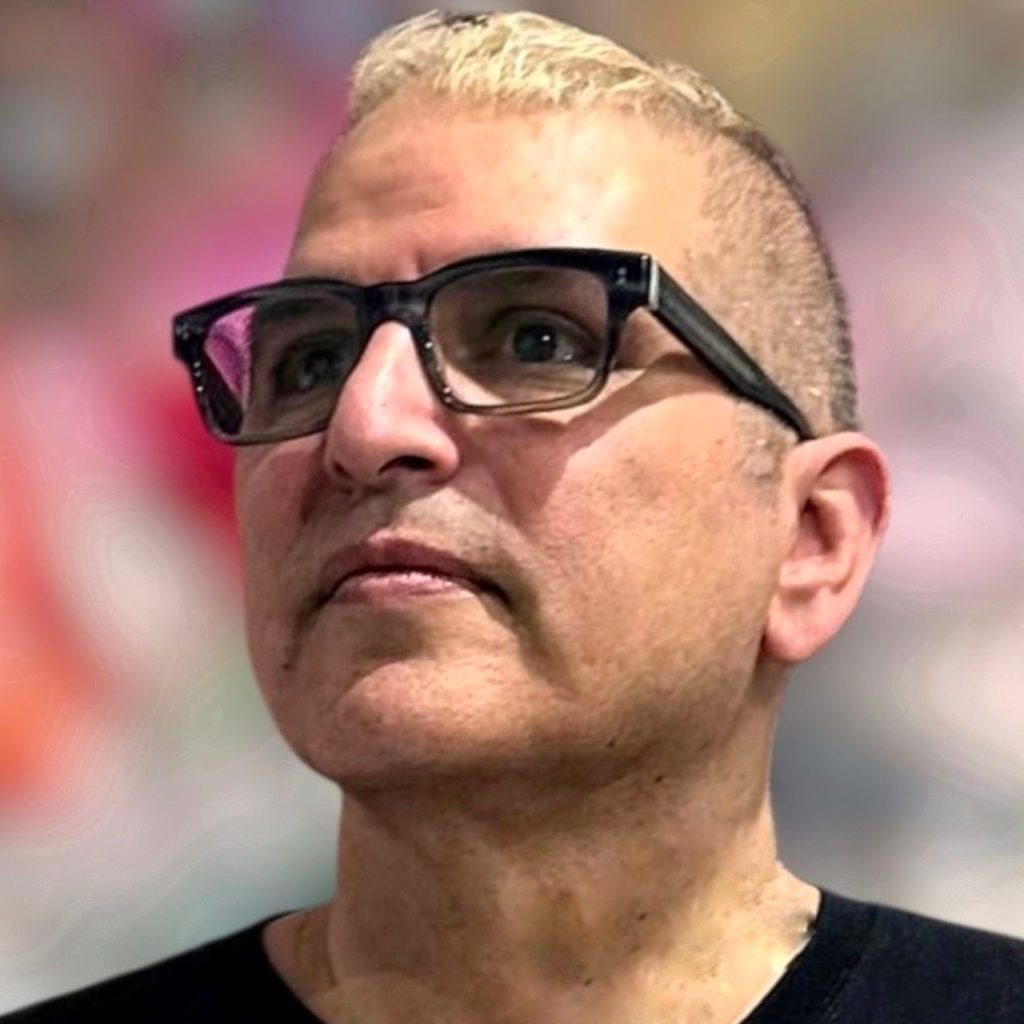
What does having a “voice” as a DJ mean to you?
It’s being able to play music without sounding like everyone else. When people can walk in a room and know it’s you playing. Bringing a certain sound that is different than the rest of the pack. I think that comes from having a relationship with the music you play.
How do you stay rooted in your taste while also leaving room for evolution?
I’m completely open to new things. If I hear an element from something new that works for me, I’m in. Not just play something because it’s the new trend. It has to have substance for me. I love all kinds of music, so it never gets boring. It’s OK to throw curveballs in your set.
Have you ever struggled with feeling like your sets don’t “represent” you?
I think this is something everyone goes through, especially in the beginning. Not every set will be epic, especially if you’re not doing the preplanned set thing. I don’t preplan sets. I tend to move with the vibe of the night.
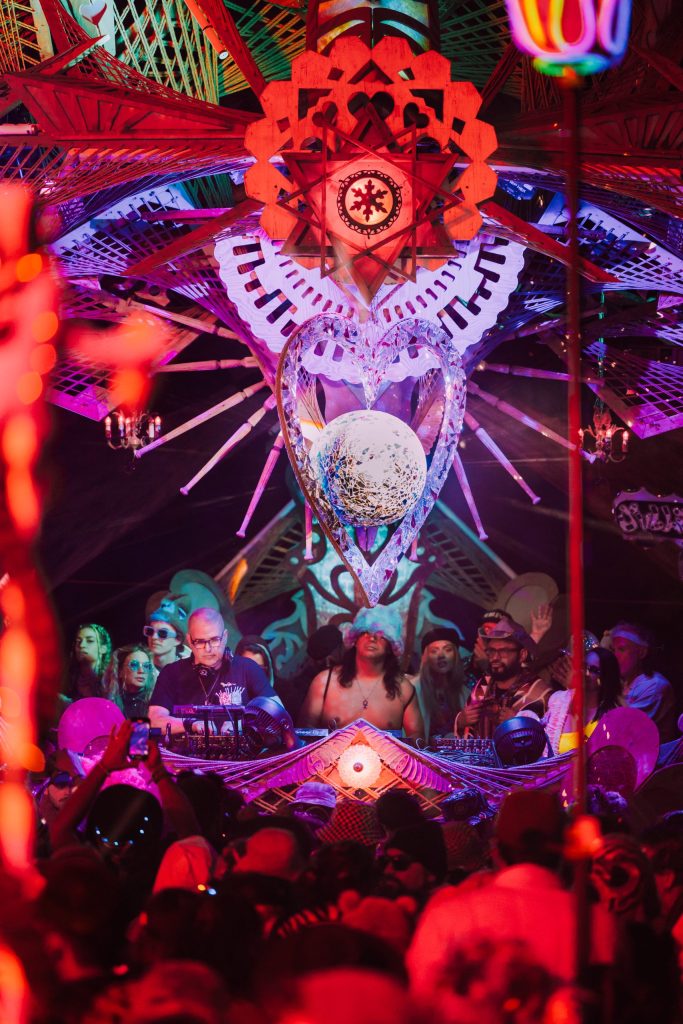
Is there a moment where you realized your musical identity was starting to click?
I think it was once I started traveling. I was fortunate to play around the whole country early on. I was extremely fortunate to start playing in New York and England in the early ’90s. I would play for hours anywhere I could. I was turning records over and playing B-sides. Experimenting with three turntables.
Pushing myself, playing with great DJs, and focusing on dancefloors worldwide. Everything came into sync, and the music I loved was working globally.
How do you protect your sense of self while still being flexible?
I think it’s important to stay grounded.
Keeping your ego in check is also important. To have an open mind is crucial. I’ve always loved this. Even before money and fame became a factor for most people. Your vibe definitely attracts your tribe. The dancers are as important as you are.
Are there habits or routines that help you keep refining your voice?
I tend to always look for messages in the music.
I want people to feel better leaving than they did coming in. I believe in unplugging from the world when you can to recharge is a healthy thing. Sometimes you don’t get that luxury though.
What’s the difference between a curated identity and a lived one?
Good question. I think authenticity is what cuts through all of it.
A curated identity must be exhausting. Always on stage, being someone you’re not. For me I’ve always lived this. Way before the money, there was the passion for the music and the people who support it.
Closing Thoughts From The Editor
Doc Martin’s answers get right to the part of DJing that is harder to fake than almost anything else: taste built across years of rooms, records, risk, and dancers. He does not define a DJ voice as a content identity or a recognizable visual language.
He defines it as the point where people can walk into a room and know who is playing because the selections, timing, attitude, and relationship to the music could only belong to that person. That is a demanding standard, because it cannot be built overnight and it cannot be copied cleanly from someone else’s tracklist.
That idea connects directly with my How It’s Made feature on Slope114’s “We’ll Find Our Way” and Doc Martin’s Subwarp Remix. That piece focused on production choices, but the more interesting link here is the way Doc’s remix language and DJ language seem to come from the same place.
He is drawn to records that carry a message, a body feel, and some personality in the edges. That same instinct shows up in West Coast Transmissions, especially in the way “Warm Feelings” and “Call On Me” lean on swing, repetition, and vocal fragments rather than oversized gestures.
The West Coast piece runs even deeper. Magnetic’s older DJ Dan feature captured another part of that California lineage, with house, funk, breaks, and rave culture feeding into a distinctly regional approach to dance music. Doc Martin’s comments around early travel, three-turntable experiments, New York, England, B-sides, and dancefloors worldwide add a different angle to the same larger history. West Coast House was never just a geography tag. It was a practical attitude: play longer, dig harder, stay loose, and let the dancers tell you what is actually working.
That is why my Ozzie Guven interview on trusting instinct behind the decks feels relevant here too.
Ozzie was speaking from a newer career stage, but the pressure is related: DJs are constantly being pushed toward visible proof that they are current. Doc’s answer cuts back to the older test. If the room is moving, if the record carries something, if the night has a pulse, and if the dancers leave feeling better than when they came in, the set is doing its job. That sounds simple, but it goes against a lot of the current pressure to turn DJing into a preplanned display.
West Coast Transmissions lands well because it comes from artists who seem far more interested in feel than presentation. Doc and Homero are pulling from mid-’90s party memory, classic machines, old samples, raw rhythm, and a shared understanding of what makes a track work late at night.
The EP does not need to explain itself too heavily. It just has to bring people back to that basement-at-4-AM feeling Doc described, where the DJ, the dancers, and the record all become part of the same loop for a while.

Will Vance is a professional music producer who has been involved in the industry for the better part of a decade and has been the managing editor at Magnetic Magazine since mid-2022. In that time period, he has published thousands of articles on music production, industry think pieces and educational articles about the music industry. Over the last decade as a professional music producer, Will Vance has also ran multiple successful and highly respected record labels in the industry, including Where The Heart Is Records as well as having launched a new label with a focus on community through Magnetic Magazine. When not running these labels or producing his own music, Vance is likely writing for other top industry sites like Waves or the Hyperbits Masterclass or working on his upcoming book on mindfulness in music production. On the rare chance he's not thinking about music production, he's probably running a game of Dungeons and Dragons with his friends which he has been the dungeon master for for many years.



![[Premiere] Tom Brownlow And JenJammin Sax Bring Live Sax To House On “Happiness”](https://magneticmag.com/wp-content/uploads/2026/08/Untitled-design-45-1024x614.jpg)