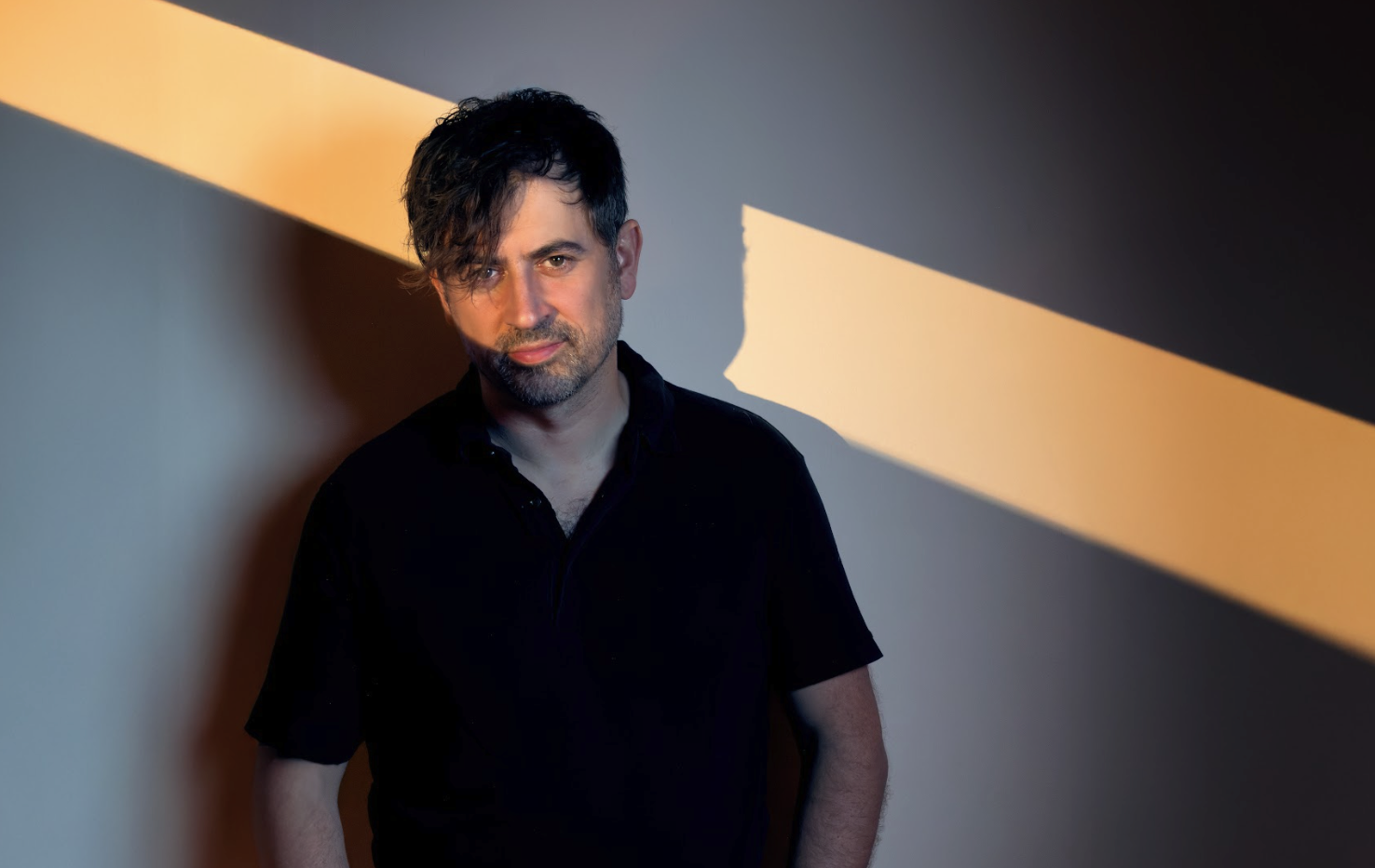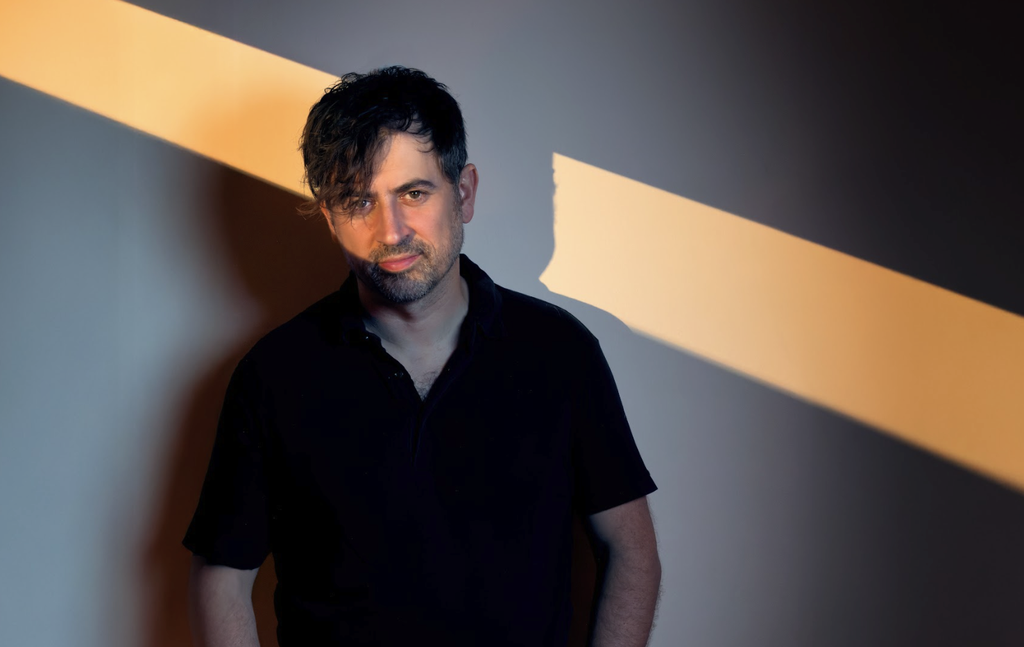
This feature was created in paid partnership with DeHusslar. I chose to cover the project because I genuinely connect with the music. All editorial opinions and wording are my own
Festival-ready bass music often gets described as if it came from nowhere.
Big low end, distorted synths, a vocal element, a track title, a release date, and suddenly the record is treated like it was made only for the speaker system. DeHusslar, who this article was made in partnership with, has a new banger called “II VII V DUB,” and it has a more specific starting point than almost anything I’ve heard in a while.
The new single, released July 31, comes from Māngere, South Auckland, or at least from the life and pressure surrounding it. The source material describes a place where police sirens, flashing lights, and circling helicopters are part of everyday life, and DeHusslar turns that tension into a wordless electronic track built around aggressive bass, distorted textures, and hypnotic vocal elements.
That context gives “II VII V DUB” its impact as well as its shape.
This is festival-facing music, but the point is not escapism. The track pulls from an environment where chaos and composure have to live side by side, then turns that into something designed for large systems.
For an independent artist working without major label backing, that is the part that feels important. DeHusslar is not waiting for a larger machine to define the project. The music is being built, released, and framed from the artist’s own location, with South Auckland energy pushed into a bass record meant to travel far beyond it.
DeHusslar is building outside the label system
DeHusslar Music is an independent electronic and bass artist from Aotearoa New Zealand, writing and producing outside the traditional label path.
That independence is not a side detail in this release. It is part of the story. The pitch around “II VII V DUB” is built on the idea that a festival-ready record can be made on the artist’s own terms, without major-label scaffolding, and still aim for a much larger stage.
That tension comes up constantly for emerging electronic artists now. The tools for making, releasing, and promoting music are more accessible than they used to be, but attention is still brutally uneven. Artists can release globally from anywhere, while still fighting to be heard outside their immediate circle.
I wrote about that gap in our article on independent artists and industry gatekeepers, and DeHusslar sits right inside that conversation. The difference here is that the artist is not trying to soften the music to fit a cleaner pitch. “II VII V DUB” is built from sub-bass, distortion, pressure, and local experience.
The lack of lyrics helps the track carry the story
“II VII V DUB” is described as wordless, which is a smart choice for a track this concept-heavy.
A literal vocal could have narrowed the meaning too much. A wordless approach leaves the vocal elements in a more physical role, giving the track another layer of tension without turning it into a spoken explanation of Māngere or South Auckland.
That works well for bass music because the body often understands the track before the brain organizes it. Heavy sub-bass does not need a long setup. Distorted synths do not need a paragraph to explain why they feel hostile. The pressure is the point.
The source material describes the track as balancing intensity with control, and that is probably the best read on what DeHusslar is trying to do here. “II VII V DUB” is built to hit hard, but it is still shaped around a clear idea: transform local street energy into a track that can work on larger systems.
That puts it near the same wider bass conversation we have followed in our bass music chart coverage, where the best records are rarely only about loudness. They need intent, space, sound design, and a reason for the low end to feel like more than volume.

Aotearoa has its own electronic voice
The New Zealand context should not be treated like a novelty.
Electronic music from Aotearoa has always had its own relationship with isolation, hybrid influence, soundsystem culture, and local identity. DeHusslar is entering that lineage from a darker, bass-heavy angle, with Māngere placed near the center of the release instead of left as background detail.
That is also why the upcoming album title, Watermelon and Dick: The Festival Album, feels intentionally blunt. It does not sound like a project trying to look polished for outside approval. It sounds like an artist building a catalog with its own code and tone.
The album is being created alongside acclaimed New Zealand artist and producer Tiki Taane, which gives the release a larger local thread without pulling attention away from DeHusslar’s independent path. “II VII V DUB” follows the PREZ@MINEZ EP, where “Nga Mihi” was the lead single, and it continues the project’s blend of bass music, atmosphere, and experimental electronic production.
We have covered New Zealand electronic artists in different forms before, including our earlier premiere of Kamandi’s “Friend”. DeHusslar’s record lands in a much heavier zone, but the shared thread is geography becoming part of the music’s identity instead of a footnote.

Magnetic byline note: This byline is used for staff produced updates and short announcements, often based on press materials and official release information. Editorial responsibility: David Ireland (Editor in Chief) and Will Vance (Managing Editor). About: https://magneticmag.com/about/ Masthead: https://magneticmag.com/masthead/ Contact: https://magneticmag.com/contact/