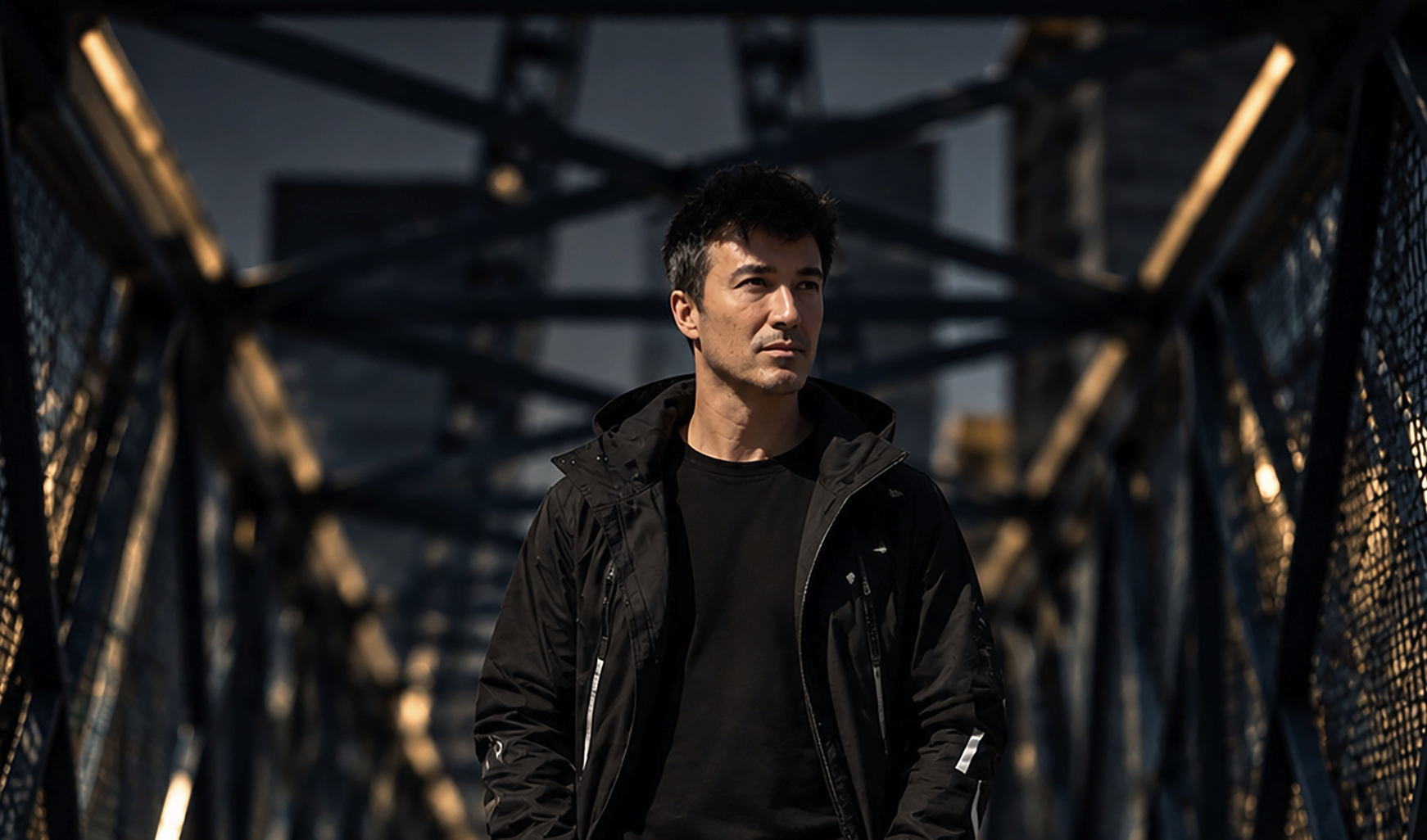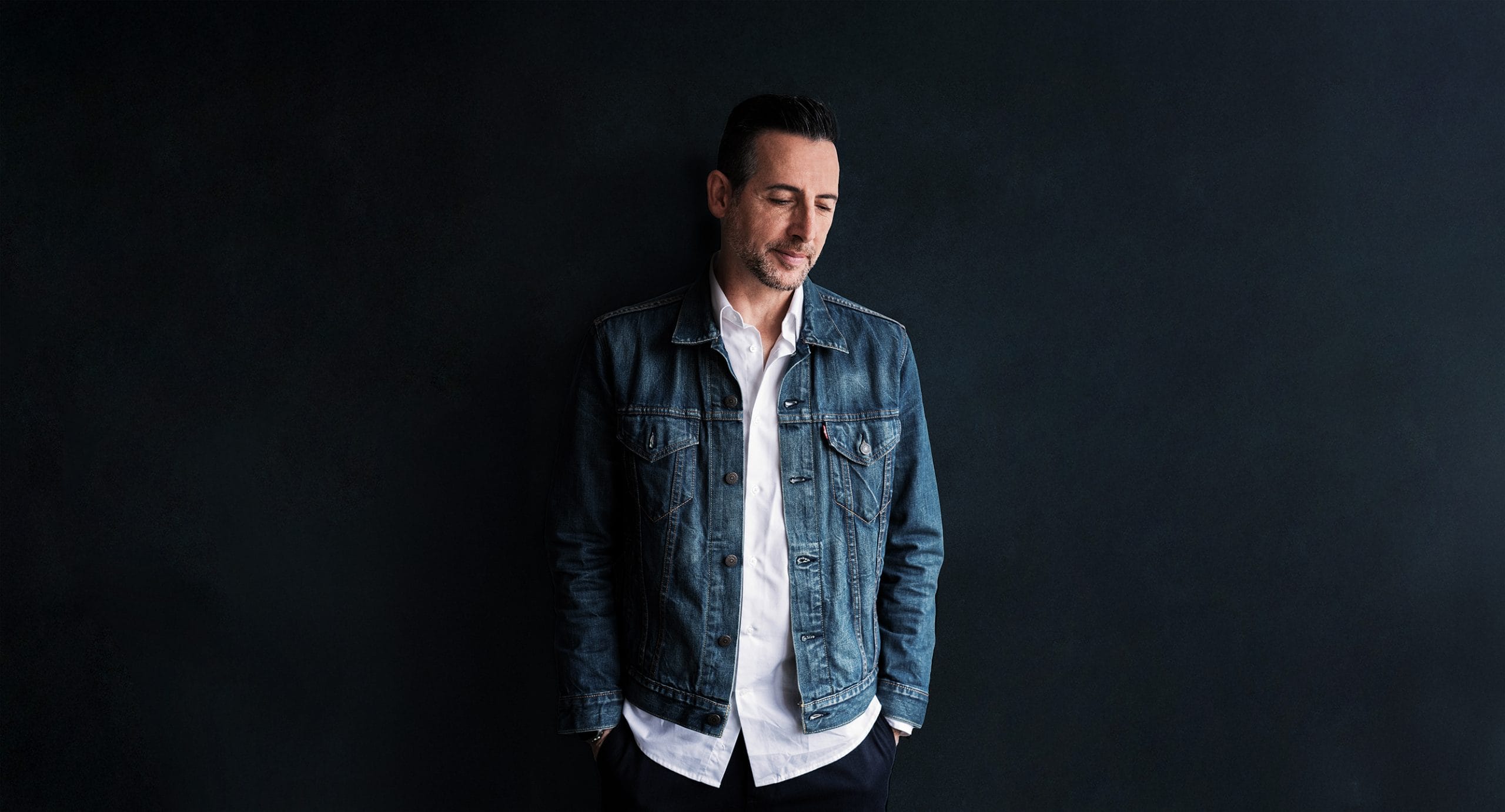
Tony Finger’s Afro House Comeback Starts With Cape Town
Tony Finger’s story runs through Italy, Paris, Cape Town, Ibiza, Geneva, and a long stretch of musical history that seems to be coming back into focus at the right time. Born and raised in Italy and now based in Geneva, the Afro House and Melodic House producer has built a catalog around deep grooves, melodic texture, and the Cape Town influence that became part of his life long before it became part of the wider global club conversation.
His recent run has started to put that story in front of a broader audience. Tony’s music has received support from Black Coffee, Themba, Major League DJz, DJ Fresh (SA), Yas Cepeda, Swanky Tunes, and others, with recent highlights including Beatport Afro House chart movement, editorial playlisting, #1 placement on Kenya’s Apple Music Dance Chart, and several appearances in Black Coffee’s Track IDs playlist. For an artist who describes this chapter as a kind of comeback, the traction feels tied less to one lucky record and more to a long-delayed return to the sound he was always circling.
In the interview below, Tony talks about his connection to Cape Town, the space between Afro House and Melodic House, the role of collaboration in his current run, and how “Wah Wah” came together with Chuma.
His answers point toward an artist who is not trying to borrow from African rhythm as surface detail, but to fold lived experience, personal history, and real collaborators into a project that now seems to be finding its audience.
Interview With Tony Finger
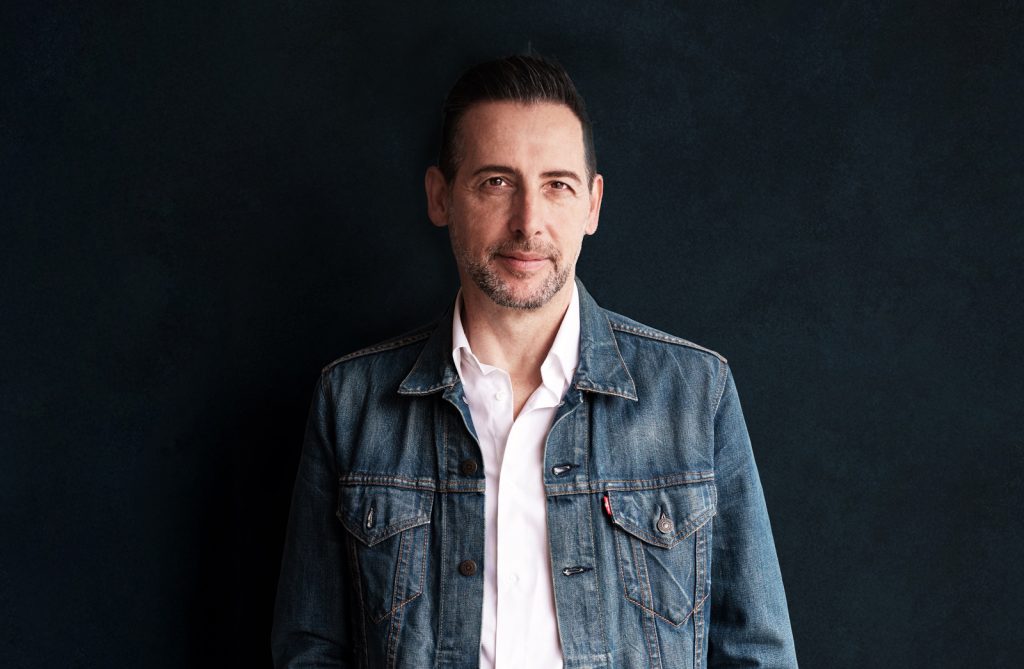
Your relationship with Cape Town appears central to the Tony Finger project, so where did that connection begin, and how did it affect your direction as a producer?
Cape Town has been a huge part of my life. I first moved there many years ago and ended up spending around 13 years there, so the connection goes much deeper than music.
It became home during a very important part of my life, and I still have close family and many friends there, so that connection has never really gone away. Being there also exposed me to a very different musical environment, particularly the local DJs and artists and the way African sounds, percussion and rhythm were becoming part of contemporary electronic music.
That definitely influenced me. I was surrounded by music from the likes of Black Coffee and other artists coming out of South Africa, and over time those influences naturally became part of my own musical vocabulary. I wouldn’t say I consciously decided, “I’m going to make Afro House because I lived in Cape Town.” It was much more organic than that. The culture, the music and the people I was surrounded by became part of who I am musically.
At the same time, I’ve lived in different countries and have a European background, so I think the Tony Finger sound is really a combination of all those influences. That’s probably why I feel very comfortable moving between Afro House, deeper and more melodic sounds. Cape Town gave me one important part of that musical identity, but it’s only one part of the story.

Afro House and Melodic House share space in your catalog, so what usually determines which side leads when you begin a new track?
I don’t really start a track by deciding whether it’s going to be Afro House or Melodic House. Sometimes I’m inspired by another track, sometimes I find a great sample or a sound that catches my attention, and I start building around it to see what comes out. Other times I might simply play a melody or bassline over a basic groove and start developing the idea from there. The direction usually develops quite naturally.
If I start adding percussion and building the groove around it, the track can naturally move towards Afro House. But I also love melody and harmony. A piano, for example, can completely change the direction of a track and take it somewhere more melodic or deeper. So I don’t really force it into a category at the beginning. I follow the idea and see where it takes me. Sometimes the Afro House and Melodic House elements end up living together anyway, which is something I really enjoy.
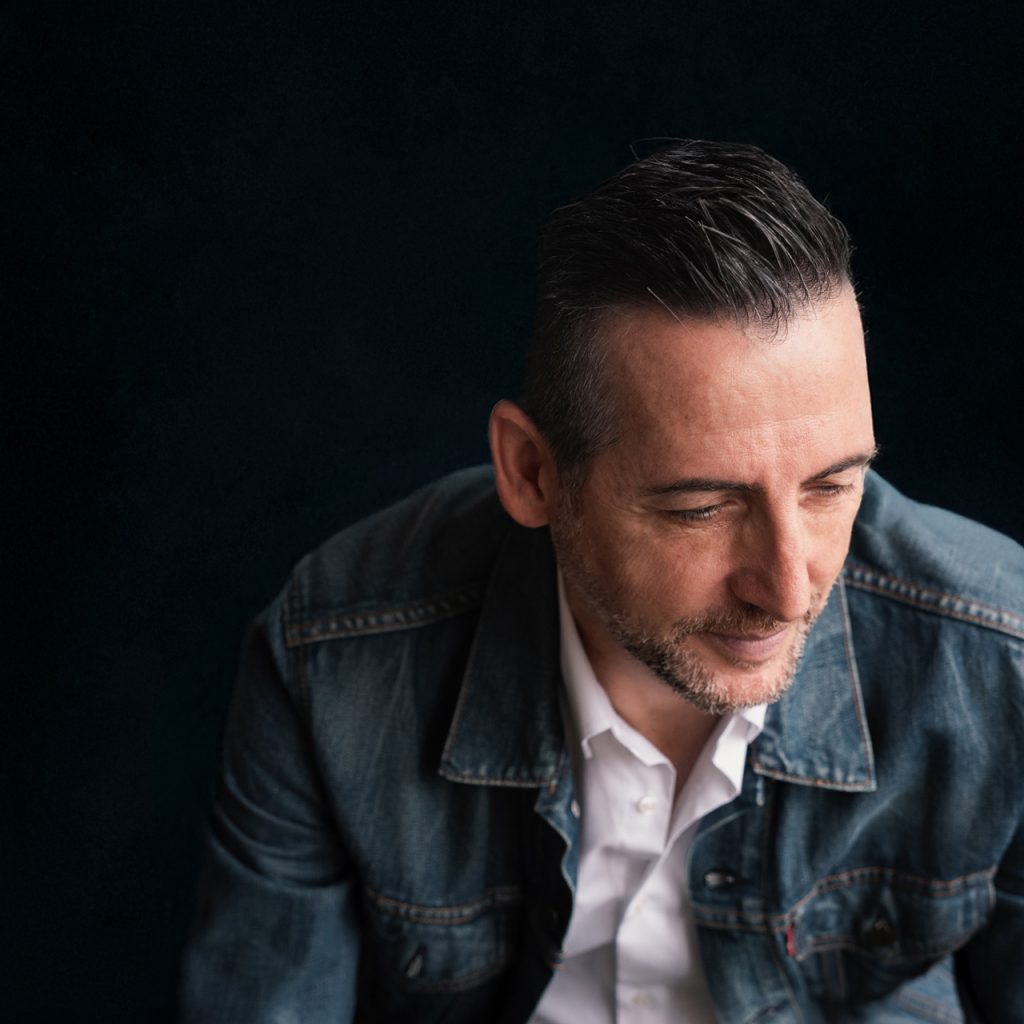
A lot of people will discover you because of the DJs supporting your records, so what do you want them to recognize as the Tony Finger identity?
I think the first thing I would want people to recognize is the combination of groove and melody.
I love rhythm and percussion, but I also need a strong musical element in a track, whether that’s a piano, a bassline, a vocal or a melodic hook. I want my records to have a certain atmosphere and emotion to them, while still having enough energy and groove to work on a dancefloor. For me, it’s about finding that balance between something that makes you want to move and something that gives you a feeling.
I also don’t want the Tony Finger sound to be limited to one formula.
My musical background is quite broad. I started DJing seriously in Paris during the emergence of the French Touch, and was exposed to artists like Daft Punk, Bob Sinclar and many others. I was also experimenting with production at the time and making music for fashion shows. Over the years I’ve played in different settings and countries, including Pacha in Ibiza and Cinema Club in Canada.
I also opened for Jerome Isma-Ae, who was the headliner at a Ministry of Sound event in Cape Town. Later, my years in Cape Town, along with my background in house, deep house and melodic electronic music, added different influences to my sound. In Cape Town I also connected with artists such as GoldFish and had the opportunity to remix their music, which helped open the door to Pacha Recordings in Ibiza, where I was signed as an artist. I’ve also had a long connection with the South African scene, including continued support from DJ Fresh, who has known me and supported my music over the years. Collaborating with African singers and other producers has also become an important part of the project for me.
Working with artists such as Chuma and Lin Njoroge has allowed me to bring real voices, cultures and musical influences into my records rather than simply trying to reproduce a particular sound. It’s also a way for me to collaborate with artists I believe in and hopefully help introduce their voices and music to a wider international audience. Having DJs like Black Coffee, THEMBA, Major League DJz and DJ Fresh supporting the music is incredibly meaningful to me.
But ultimately, I want people to recognize the music itself as Tony Finger, rather than the support around it.
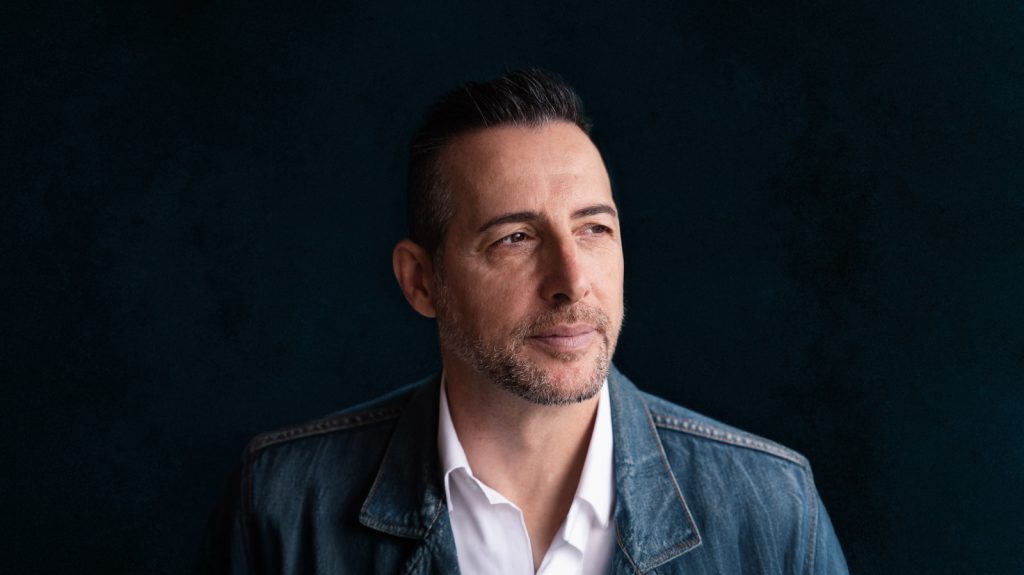
What do you think changed in your process during the past year that might explain the recent run of releases and chart results?
I think the biggest change over the past year has been confidence and consistency.
I’ve become much more comfortable trusting my instincts and not overthinking whether a track fits a particular genre or what people might expect from me. There was also a period when I stepped back from music after moving to Switzerland. Music was always something I wanted to come back to, and when I started focusing seriously on it again, I approached it with a different perspective and a lot more clarity about what I wanted to do with the Tony Finger project.
In a way, it feels like a comeback, and that’s something I’m really proud of. I’ve put a lot of hard work into the project over the last few years, so seeing that work finally translate into releases, chart positions and support from DJs has been incredibly rewarding. It feels like the pieces are finally coming together. I’m also much more productive now. I’ve become better at trusting my instincts, developing an idea without overthinking it and, just as importantly, knowing when a track is finished.
Collaboration has played a big role too. Working with different artists and vocalists has pushed me to approach records from different angles and has helped keep the music fresh. The chart results and DJ support have obviously been a great validation, but I don’t think there was one magic change. It’s more that everything has started to click at the same time, the production, the releases, the collaborations and my confidence in the direction I’m taking.

Where did “Wah Wah” begin, and which early idea convinced you that the track deserved to be finished?
“Wah Wah” actually started with a very simple piano pattern, basically one note repeated in a particular rhythm, and I really liked the feel of it. From there, I built the bass and drums around that idea and started developing the groove to see where the track would go.
Later on, I added another little piano riff that helped develop the musical side of the track further. Once I had the foundation, I knew I wanted a strong vocal element to give it more personality, and that’s where Chuma came in. He’s a really talented guy and brought his own creative touch to the record, which I really enjoyed. As soon as I heard the chorus he came up with, I remember thinking, “That’s it, this is a great vibe.”
It gave the track the character and emotion I was looking for, and that was really the moment when I knew we had something worth finishing. From there, it was about developing the production around the vocal and finding the right balance between the original piano idea, the later piano riff, bass, drums, percussion and atmosphere. I think the track really found its identity through that combination of a very simple starting point and Chuma’s creative input.
The track also started getting support from THEMBA before it was released, although it took a little while to find the right home for it. We eventually decided to go with Sound Division, a label I already had a good connection with after the success of “NANGONA” early this year, which had reached the Beatport Afro House Top 25 and Hype Top 10. So by the time “Wah Wah” was ready to come out, there was already some momentum around it. Then having Black Coffee add “Wah Wah” to his Track IDs playlist was an incredible validation for me, especially because it became my fourth track featured there this year.
It was one of those moments where you realize that all the work you’ve been putting into the music is starting to reach people you really respect.

With this run of support establishing Tony Finger for a wider audience, what do you want the next group of releases to reveal about you?
I think the next group of releases should show more depth within the Tony Finger sound.
I feel I have a clear direction with Afro House and Melodic House, and that’s where I want to continue developing. At the same time, my musical background and the different places and artists I’ve been exposed to naturally bring other influences into the music. Sometimes that might come through in a piano, a melody, a particular groove or a different production approach, but it still sits within the sound I’m building. I’m particularly excited about the collaborations I’m working on at the moment, including more work with African singers and producers.
I want to continue creating records that have strong grooves and a connection to the dancefloor, but also have melody, emotion and their own identity. I don’t want to make records simply because something is currently working.
I want to keep developing the sound I like and let those influences add different colours to it. I think that’s how you can evolve without losing your identity. Ultimately, I want the music to keep progressing while still sounding like Tony Finger. The recent support has opened some important doors, but I see that as the beginning rather than the destination. I want the next releases to show that evolution while continuing to build on the Afro House and Melodic House direction I’ve been developing.
Closing Thoughts
The most interesting thing in Tony Finger’s answers is that he keeps pushing the story away from strategy and back toward lived influence. Cape Town did not give him a genre assignment. It gave him years of people, rooms, rhythms, DJs, friendships, singers, and listening habits that have become part of the way he now writes. That distinction feels important at a time when Afro House’s global rise has made the sound both more visible and easier to flatten into surface-level production cues.
His comments about Chuma and Lin Njoroge also point to a better model for international collaboration within Afro House. My interview with BlaQRhythm on Mayonie Productions and the evolution of Afro House looked at how relationships, label community, and regional identity can shape the music beyond one-off exposure.
Tony’s answer follows that logic.
He is not just putting a voice on top of a groove. He is trying to work with artists who bring genuine culture, perspective, and musical personality to the record, and then use his own platform to help those voices reach a wider audience.
I also thought about my Floyd Lavine interview on storytelling, Cocoon, and his global path, because Tony’s story sits inside that wider conversation about artists whose identities have been shaped across continents.
Italy, Paris, Cape Town, Ibiza, Geneva, African collaborators, European house history, French Touch exposure, and South African DJ culture all appear in his answers. The question is how to let those influences live together without making the music feel scattered. For Tony, the answer seems to be groove and melody: enough rhythm to keep the dancefloor moving, enough harmony to give the track a feeling, and enough collaboration to keep the project connected to voices beyond his own.
That is why the “comeback” language lands with more force than it might in a simpler press cycle. Tony Finger is not presenting himself as a brand-new artist looking for a lane. He is returning to music with a clearer sense of what he wants the project to carry. “Wah Wah” starts with a one-note piano rhythm and becomes a record once Chuma’s vocals give it character.
That is a small origin story, but it says a lot about the current phase of the Tony Finger project. The next chapter will work if he keeps doing exactly what he describes here: trust the groove, let the melody speak, collaborate with people who bring their own voice, and keep building a sound that reflects the places that actually shaped him.

Magnetic byline note: This byline is used for staff produced updates and short announcements, often based on press materials and official release information. Editorial responsibility: David Ireland (Editor in Chief) and Will Vance (Managing Editor). About: https://magneticmag.com/about/ Masthead: https://magneticmag.com/masthead/ Contact: https://magneticmag.com/contact/