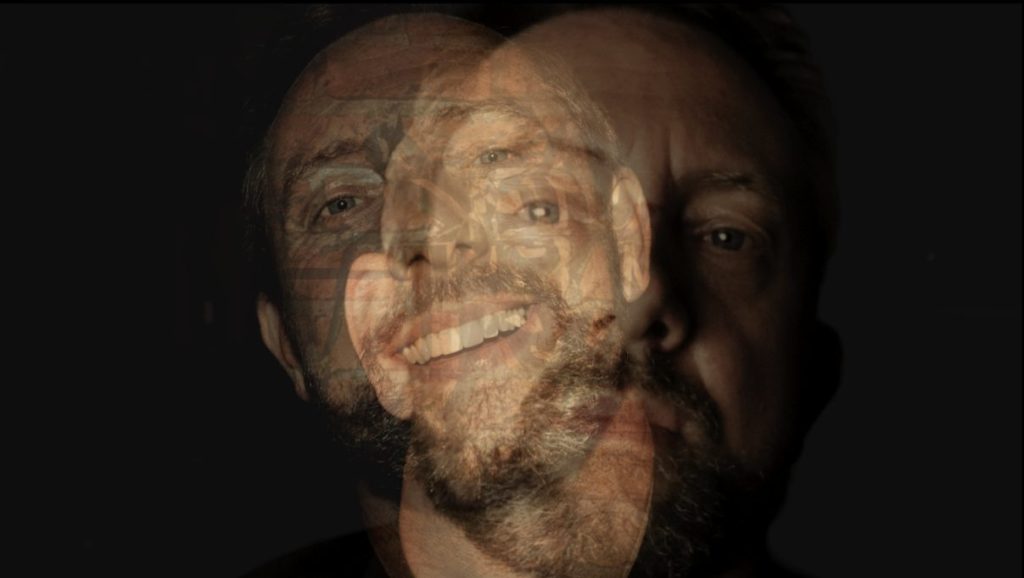
Zimmer90 are stepping into a new chapter with the release of their debut album Interior, out September 19 via Bamboo Artists. Known for fusing electronic pop with organic textures and reflective songwriting, the Freiburg-based duo have grown into one of Germany’s most talked-about indie acts, selling over 18,000 headline tickets and amassing more than 20 million streams on early singles. Interior is both a pause and a declaration — a body of work created after years of touring, built around the idea of finding stillness and clarity in the middle of constant movement.
Check Out Zimmer90’s Run Of Album-Release Shows Here
The album reflects Josch and Finn’s dynamic of vibrant chaos and calm structure, blending dreamy, layered synth work with understated live instrumentation. Tracks like “what a life,” “Learn To Let You Go,” and “Yours & Mine” showcase a balance between euphoric highs and quieter, more introspective moments. It’s a record that highlights not only their rise in the indie-electropop space, but also their ability to ground their sound in something deeply personal, even down to the artwork created by Josch’s grandfather.
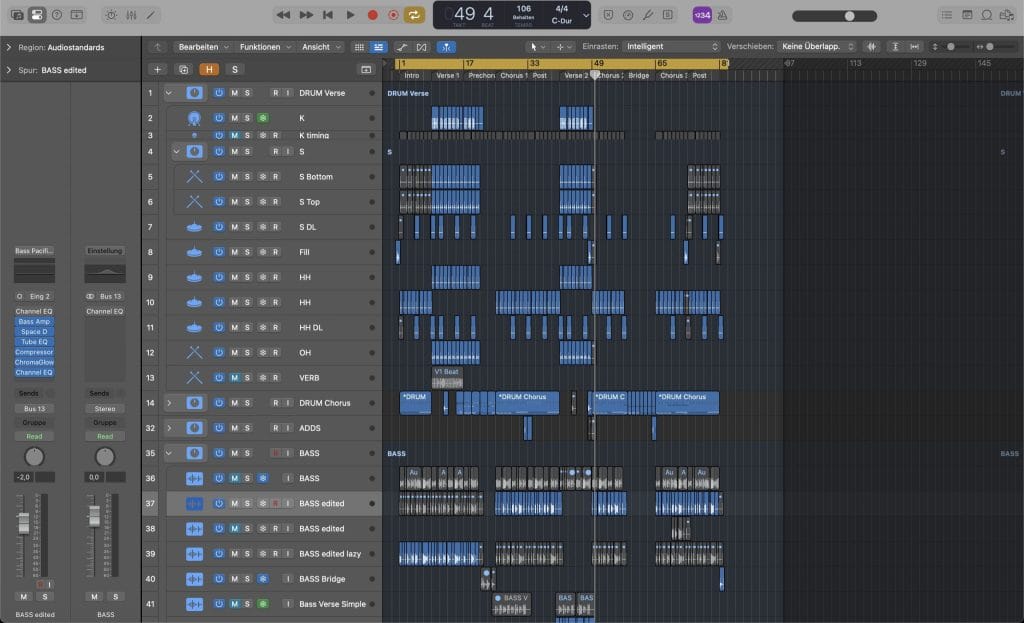
For this feature latest How It Was Made feature, Zimmer90 open up their Logic sessions to walk through the tools that shaped Interior. From building expansive textures with the MS-20, to experimenting with free plugins like Flux Mini 2, to leaning on subtle compression and tape emulation for warmth, they share the techniques and choices that brought the record to life. Alongside these insights, they offer practical advice for producers: embracing imperfection, limiting tools, pushing ideas further, and staying connected to collaborators on a personal level.
MS-20
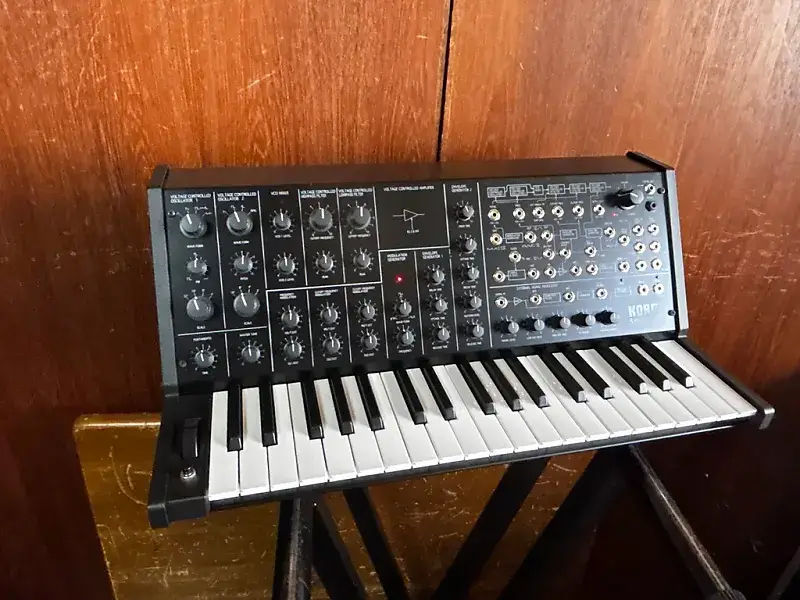
We used the MS-20 a lot to create textures. Our songs often have a cloud of synth pad sounds just oscillating in the back and creating a canvas on which we can place the other instruments. The MS-20 is so versatile, because you can create very powerful lead sounds but also soft and hypnotic pads if treated right.
A thing we did a lot was to feed it into a long chain of verbs, tape emulation and sidechain plug-ins. Then we would layer a lot of different solo tones that would create the framework of the background pad. Sometimes that creates more depth than just playing simple chords, all in the same timbre.
Flux Mini 2
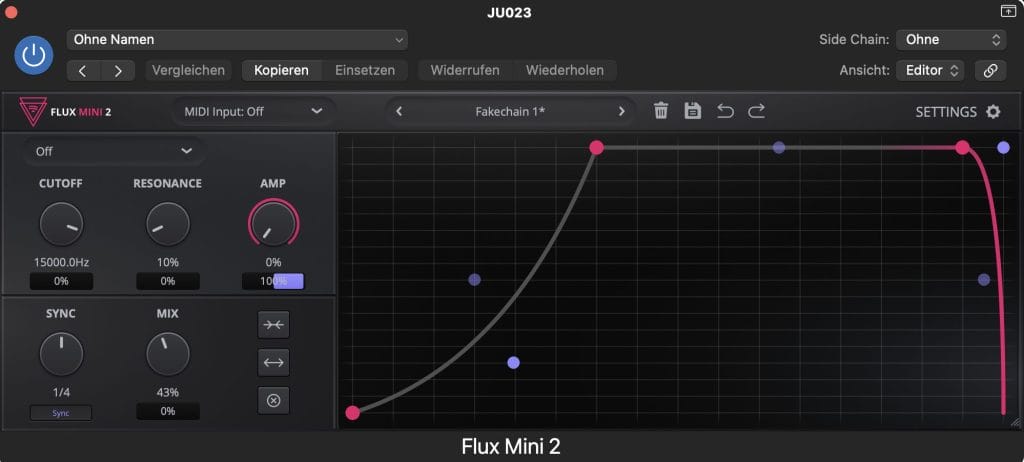
I love to use free Plugins such as this one. There’s something fulfilling about working with a lot of free stuff to me, i don’t know why (haha). Anyways Flux Mini 2 is essentially a modulation tool similar to “Kickstart”. You can add a lot of dynamics and life to tracks. I love to layer the Plugin multiple times. It can create some interesting fluttering effects. I also use this one a lot to fine tune Percussion in order to create groove.
Sometimes it’s fun to even put it on a whole synth bus very slightly to add more movement to the song. On this album I didn’t like to use it too aggressively because it can feel cheap if the modulation becomes too obvious. But there is definitely something addicting about the Plugin. I had to be careful not to put it on every track haha.
Renaissance Axx
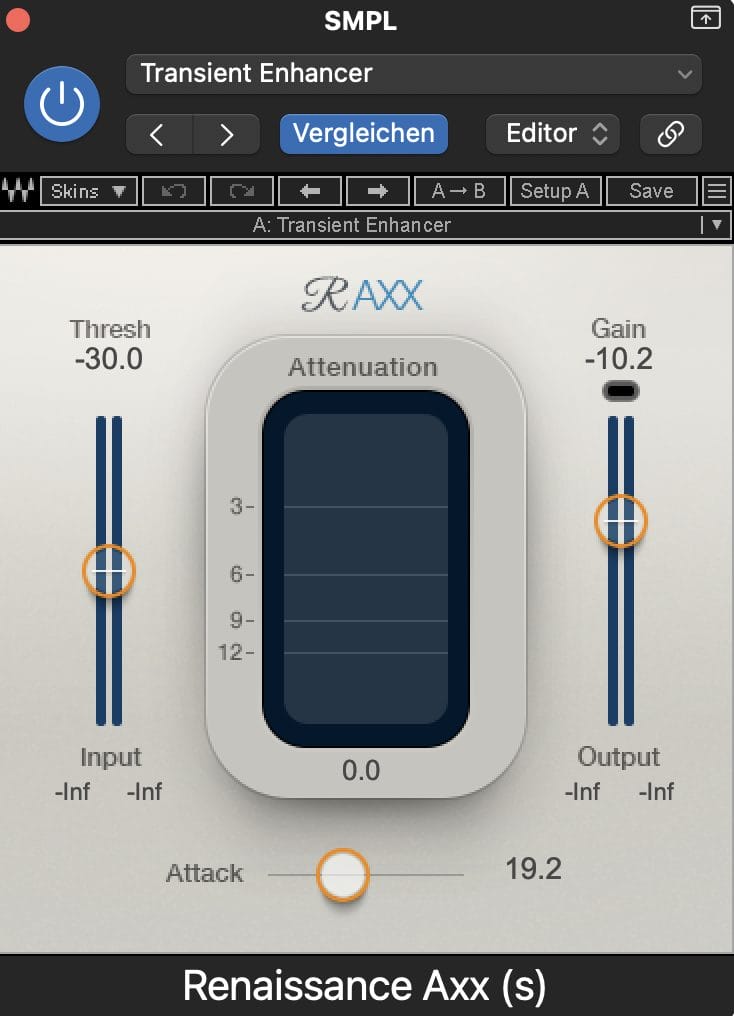
This is my go to Plugin whenever something needs more presence. Just a very basic but effective compressor / transient shaper. What I love about this Plugin is its simplicity. You only have three knobs to choose from. I feel like these are the plugins that stay with me the longest because it’s quite easy to get into and you learn kinda quickly how to use it. That on the other hand sparks my creativity to what I can do with it.
Our process on this album was to start with the production very early. A lot of the time no song or lyric was written and we just sat down and started recording. It was very important that we could work fast so we wouldn’t lose so much time on getting a quick idea done.
Sometimes Josch wanted to try some vocals very spontaneously. Putting this Plugin on top in a very subtle setting just helps setting the vocal apart from the instrumental and not have it sit in the muddy demoesque instrumental.
Another way we would use it is much later while mixing. Sometimes you can crank up an element way more than you think. This Plugin is also perfect for giving percussion elements just the right amount of presence.
J37

This might be the most used Plugin of the whole record. A very nice tape machine emulation, that we put on a lot of the tracks. I’ve seen people add Channel Strip Plugins on top of each element in their song – I don’t know if it changes that much but this Plugin certainly adds a very beautiful warmth and saturation to the tracks.
It is very versatile – we also used the Warm Vocal Slap preset a lot on the Vocal FX Bus.
The Tape Modulation sits very good on pad sounds to add that slight tonal modulation for a mesmerizing feel. I had a phase of putting it on drums and bass but that stopped, because the tape machine is not allowing for a full and warm bass sound that we were going for on this record.
It can be quite fun for song stars, interludes or little fun parts mid-song to let the high fidelity collapse completely for a moment. I didn’t put it on the master bus though, because even it’s default setting is changing the character a lot and also messing with the frequencies.
Quick Tips For Making Tunes

Tip #1: Don’t make it too perfect. Keep weird and unique elements, we usually tend to overpolish, but quirky things are often what makes a track appealing in the first place.
Tip #2: Limit yourself in the tools you use. We often work with stock plugins, because they essentially do the same thing as expensive ones. In the end it’s about creating something nice – not that many people care about how you get there.
Tip #3: Develop good ideas as far as you can. In our experience an idea should be pushed as far as you can in one sitting. If you don’t unlock a good idea at the start, you’re unlikely to ever return to it.
Tip #4 Push through. Especially in the hardest moments when nothing seems to be right, persistence will be rewarded the most.
Tip #5 Connect with the people you are working with on a personal level. Ask them about something else than music.

Will Vance is a professional music producer who has been involved in the industry for the better part of a decade and has been the managing editor at Magnetic Magazine since mid-2022. In that time period, he has published thousands of articles on music production, industry think pieces and educational articles about the music industry. Over the last decade as a professional music producer, Will Vance has also ran multiple successful and highly respected record labels in the industry, including Where The Heart Is Records as well as having launched a new label with a focus on community through Magnetic Magazine. When not running these labels or producing his own music, Vance is likely writing for other top industry sites like Waves or the Hyperbits Masterclass or working on his upcoming book on mindfulness in music production. On the rare chance he's not thinking about music production, he's probably running a game of Dungeons and Dragons with his friends which he has been the dungeon master for for many years.