The Shortlist
It is officially 2026, and the sub-$500 synth category is in a much better place than it was even a couple years ago. Prices have shifted, new options have entered the market, and a few older picks still make sense because they continue to offer useful features without pushing into mid-tier pricing.
That is why this guide needed an update, because “best synth under $500” now depends less on hype and more on what you actually need in a writing setup, live rig, or small studio.
The goal here is simple: highlight synths that still feel worth buying in 2026 based on current pricing, practical features, build quality, and how much they can add to a producer’s workflow. Some are better for basslines and leads, some make sense for pads and chords, and others are better as fast sketch tools when you want hardware in front of you instead of another plugin window. Under $500 can still get you real synthesis, hands-on control, useful sequencing, and enough character to make a track feel less locked to the computer.
This updated list includes current picks, refreshed buyer notes, and a few newer finds not included in the original 2024 version. Whether you are buying your first hardware synth or adding a compact piece to an existing setup, these are the options I would look at first before spending past the $500 mark.
Donner Essential L1

The Donner Essential L1 is one of the easiest new additions I would make to this list for 2026 because it sits well under the $500 ceiling and still feels like a proper hands-on analog mono synth. It gives you an SH-style layout, a 64-step sequencer, a five-mode arpeggiator, a second envelope, an audio-rate LFO, external input, USB-C, MIDI, and CV/Gate support, which is a lot of practical control at this price. What I liked most is how quickly it lets you get an idea moving. You can turn it on, shape a bassline or lead, run a simple pattern, and get back to writing without getting stuck in menus or setup friction.
The detachable keyboard also helps it feel less boxed in than a lot of desktop monosynths around this price. The plastic build is lighter than what you get from some pricier options, so I would not buy it expecting a premium hardware feel, although the tradeoff makes sense once you factor in the price and feature set. The second envelope and audio-rate LFO give it enough range to move beyond basic bass duties, and the sequencer and arpeggiator make it useful for quick writing, hardware jams, and small studio setups.
If you want an affordable SH-style mono synth that can sit beside a DAW, drum machine, or compact hardware rig in 2026, the Essential L1 is an easy one to include here.
Uno Synth Pro X
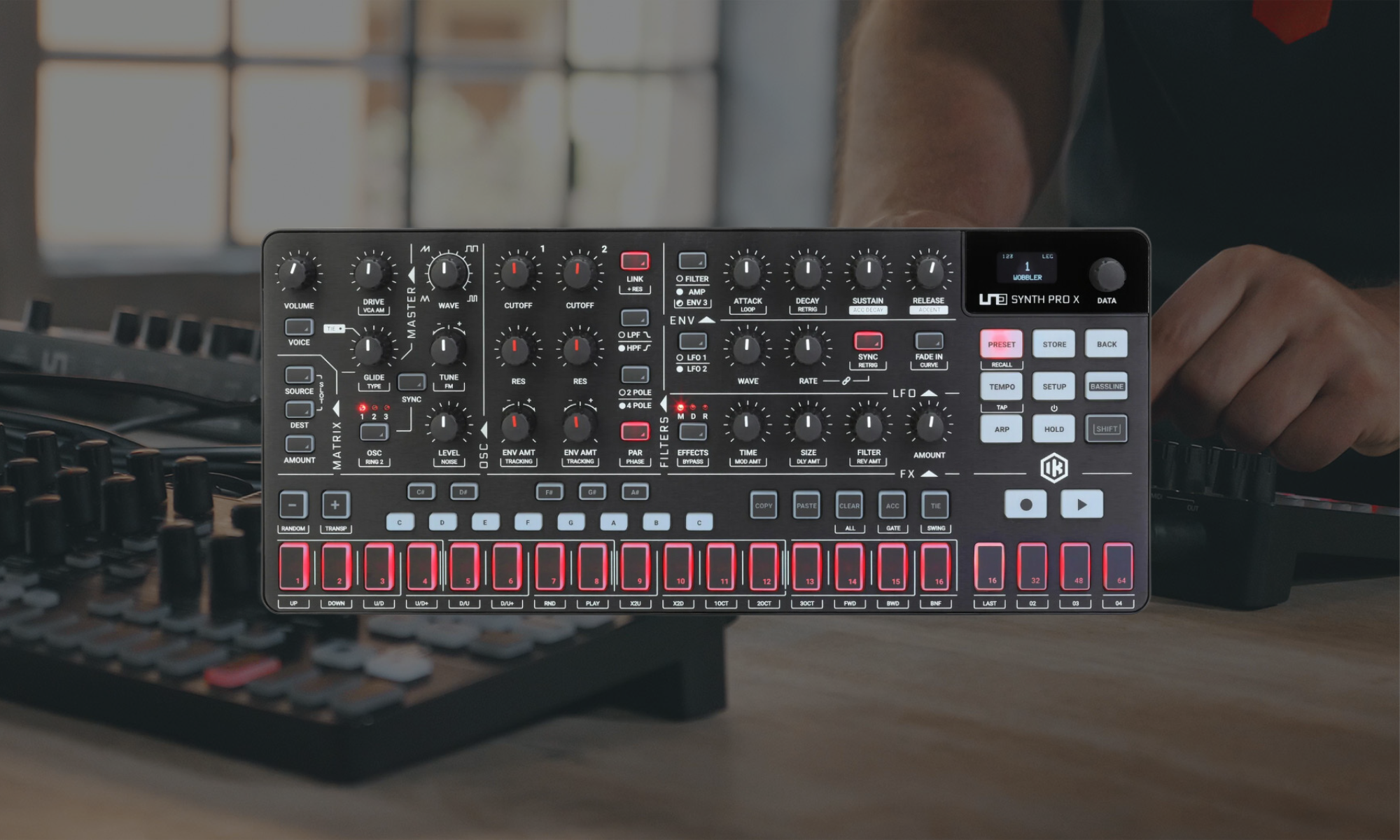
The IK Multimedia UNO Synth Pro X is turning heads in the synth world, and I managed to snag one early before it was released, and I’m glad I was able to as it landed a spot in 2023’s editor’s choice awards for being the best new synth on the market! It’s an all-analog, paraphonic beast, loaded with three wave-morphing oscillators, dual-filter designs, and a whole suite of sound-shaping capabilities. It’s incredibly portable yet powerful, ideal for creating everything from gritty basses to piercing leads with its flexible play modes and extensive sequencer.
Though it’s designed more for sequencing with a concise one-octave button array, its full-size 5-pin MIDI integrates effortlessly with external controllers. The new presets and effects have blown me away, seriously elevating its performance and versatility. It’s hard to believe it’s priced under $500 with such a rich, classic analog character paired with modern functionality. If you’re into music production or performance, the UNO Synth Pro X is a worthy addition to your setup – it’s truly impressive!
Learn More About This Synth While Support Our Team Of Writers Through Our Affiliate Deal With Sweetwater Here
Behringer Model D
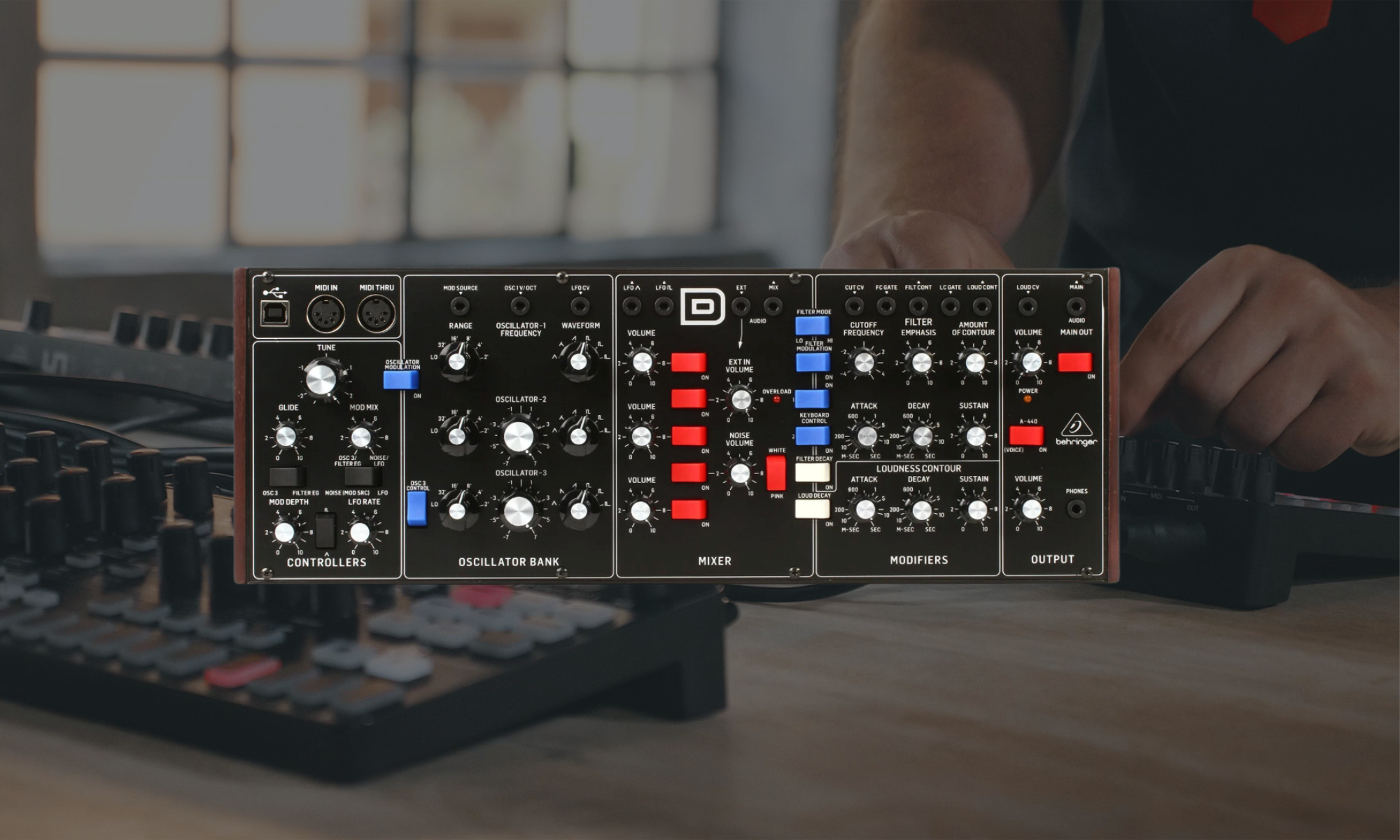
Behringer’s D synth is a classic reborn, packing the essence of vintage monosynths into a sleek, Eurorack-sized package. As an owner of many Minimoogs, I can say Behringer has really honored the original, right down to the circuitry, offering an authentic sound experience that’s hard to distinguish from its legendary forebear. With three vibrant oscillators, a robust 24dB/octave filter, and an overdrive circuit, it delivers everything from deep basses to soaring leads.
Its design is not just about sound; it’s visually striking and built to last, inviting you to twist and turn every knob with confidence. While it’s compact and the knobs may feel small, the sonic output is enormous. Remember to keep a record of your favorite settings; once you start exploring its sonic capabilities, you’ll want to revisit those sweet spots. For anyone seeking that vintage sound with modern reliability, the Behringer D is a gem, offering incredible value and a truly rich analog experience.
Learn More About This Synth While Support Our Team Of Writers Through Our Affiliate Deal With Sweetwater Here
Sonicware Liven Bass & Beats
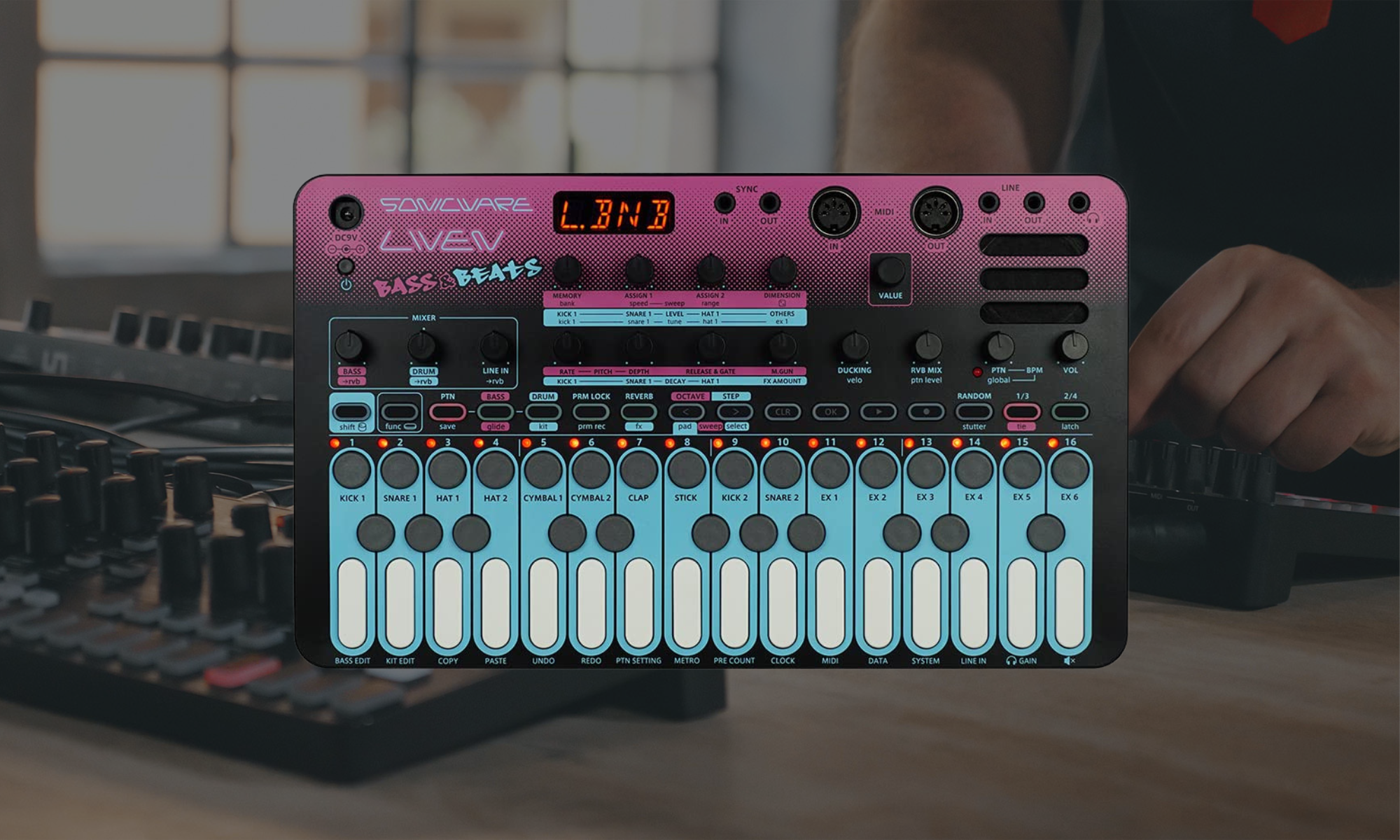
The Liven Bass & Beats from Sonicware has completely transformed my approach to grooveboxes. It’s this incredible combo of a drum machine and bass synth, all packed into one neat, portable package. As someone who loves the pulse and vibe of electronic dance music, this machine is a dream with its wavetable synthesis and sample-based rhythms. It’s seriously versatile, allowing me to whip up everything from deep bass to complex beats.
I’ve been taking it everywhere, thanks to its battery-powered capability, making it perfect for those spur-of-the-moment jams. Initially, there’s a bit of a learning curve, but once you get the hang of it, it’s pure magic.
The design is intuitive, and the color scheme is just icing on the cake. It’s like having two synths in one, without the need for all the extra gear. The Liven Bass & Beats is my go-to for innovative soundscapes, whether I’m chilling at home or out and about. It’s an awesome addition for any synth lover looking for a big sound in a small, budget-friendly format.
Deciding between a major, indie label, or going solo? Weigh your options with ‘The Pros & Cons of Signing with a Major Label vs. an Indie Label vs. Staying an Independent Artist’ – find your path here.
Cre8Audio East Beast
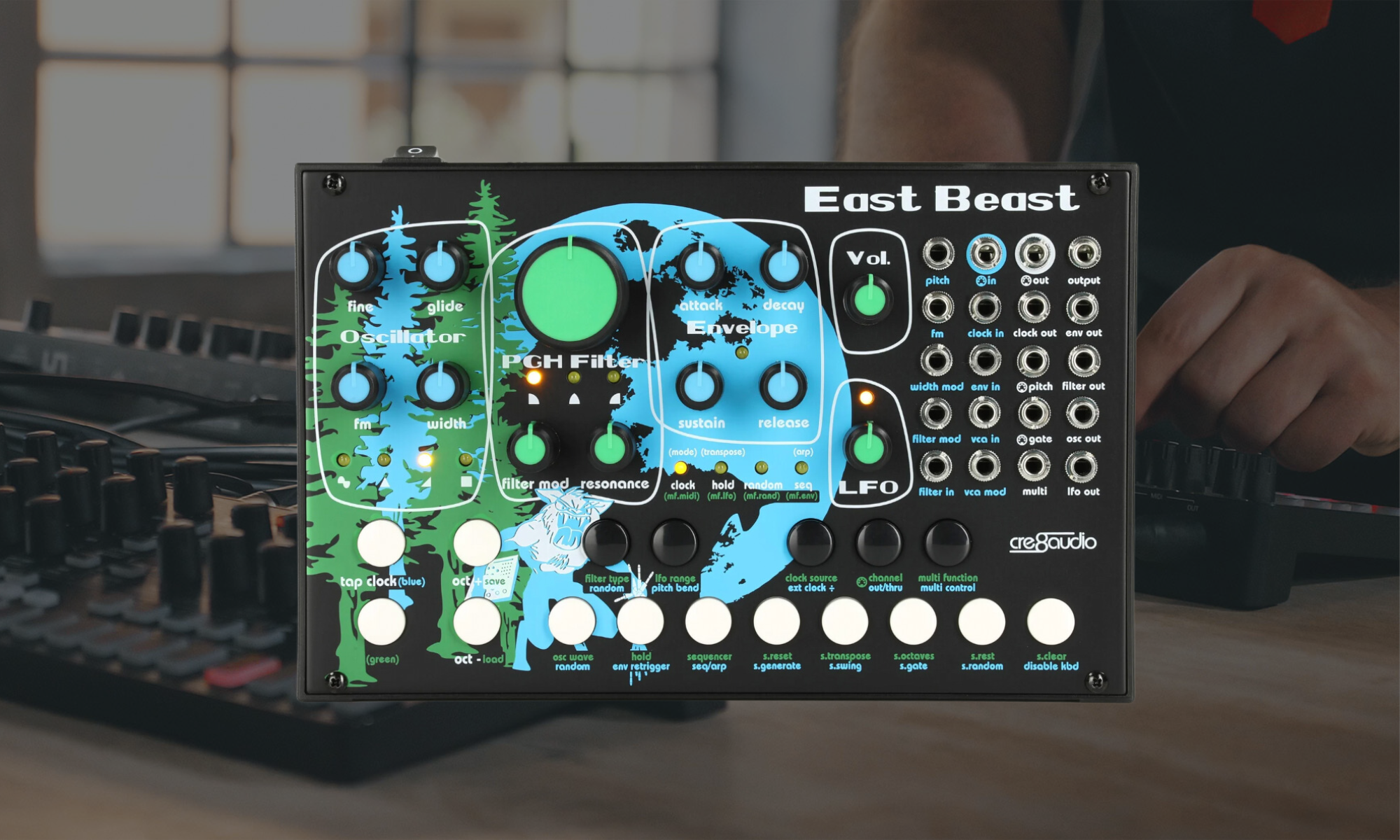
The Cre8audio East Beast is my latest synth adventure, and it’s quite the journey! It’s a semi-modular beast that blends classic analog synthesis with a dash of modern innovation. At first glance, its rich East Coast sound and compact design had me intrigued, but as I dove deeper, I discovered a world of sound, from pulsating rhythms to soaring leads. The learning curve was steep with its quirky interface, but behind those buttons and knobs lies a universe of sonic potential.
After five months of twisting, turning, and patching, I’ve found the East Beast to be more versatile than I initially thought. I’ve even created some killer percussion sounds that I’m eager to integrate into my other setups. The onboard arpeggiator and sequencer are surprisingly robust, offering quick inspiration and wide applicability.
Yes, the keys feel a bit cheap and the LEDs are blindingly bright, but these are minor gripes compared to the sheer sonic firepower of this synth. It’s incredibly patchable, integrating well with my other gear and even serving as a MIDI to CV/Gate converter.
And at under $500, it’s a steal.
The East Beast has earned a permanent spot in my setup, and I’m eagerly awaiting any firmware updates that might tame those LEDs or tweak the interface. If you’re considering a semi-modular synth, this is a must-have. And who knows, maybe I’ll grab its counterpart, the West Pest, for an epic Bicoastal Death Match Jam!
Learn More About This Synth While Support Our Team Of Writers Through Our Affiliate Deal With Sweetwater Here
Microkorg
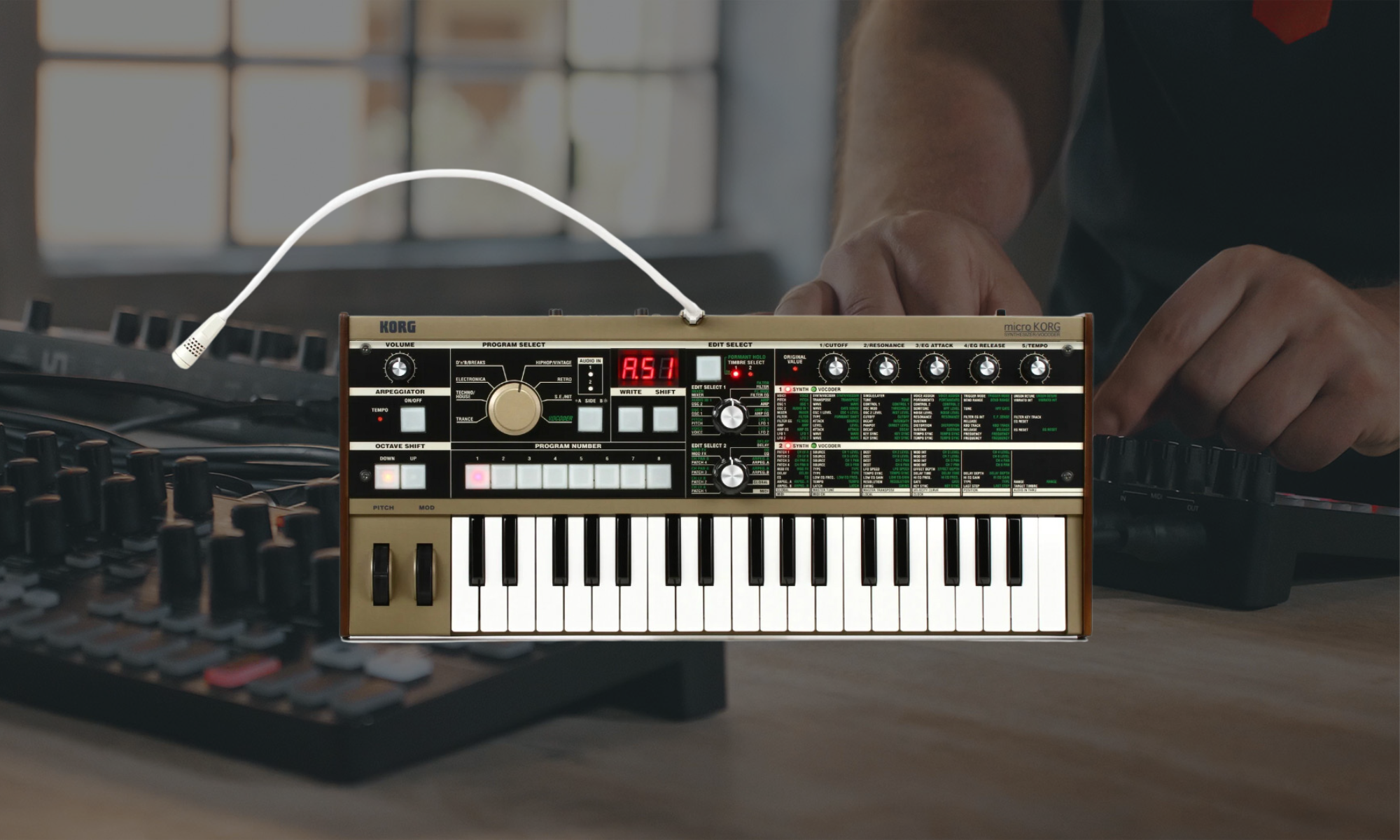
The microKORG is a synthesis powerhouse, blending Korg’s renowned sound quality with an array of creative features. Its dual-oscillator DSP engine, reminiscent of the MS2000, and a diverse selection of waveforms, including the unique DWGS from the DW-8000, offer a vast sonic palette. This synthesizer is a dream for sound design, with intuitive controls making it easy to craft natural, analog-esque tones despite its digital architecture. The polyphony can be limiting for complex layers, but the richness of each sound more than makes up for it.
The 8-band vocoder is where it truly shines for me, expanding into realms of modern vocoding heard in hits like Imogen Heap’s “Hide and Seek.” It’s compact enough for bedside jams yet robust enough for professional applications. The effects add a delightful depth, and the four mod-matrix slots provide just the right amount of sound manipulation. After 20 years, it’s clear why the microKORG remains a staple: it’s a blend of performance, versatility, and ease of use.
Whether exploring the extensive presets or delving into its vocoding prowess, the microKORG is a synth that keeps on giving, from stage to studio to impromptu bedroom concerts.
Learn More About This Synth While Support Our Team Of Writers Through Our Affiliate Deal With Sweetwater Here
Typhon
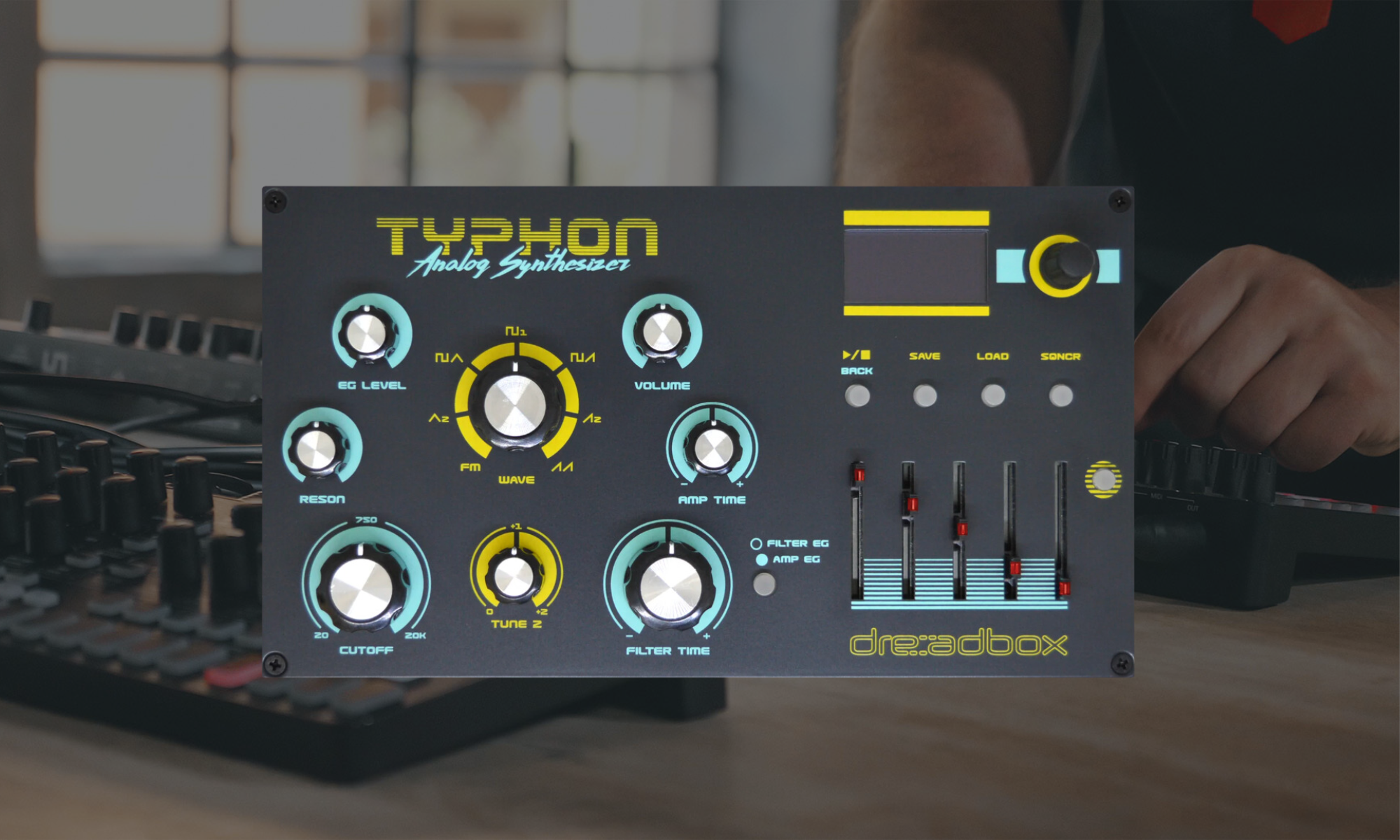
The Dreadbox Typhon, a collaboration gem with Sinevibes, has entirely reshaped my expectations for portable synths. Despite its modest footprint, it’s a powerhouse of analog synthesis, equipped with all the trappings of a professional-grade instrument. The dual analog VCOs, resonant filter, and VCAs all contribute to a sound that ranges from velvety smooth to fiercely aggressive. It’s the DSP technology, though, that truly expands its horizon, offering a suite of effects that bring depth and dimension to any sound I sculpt.
Having owned many synths, the Typhon stands out with its unique sound and easy-to-navigate design. Sound design is a breeze here, and with the USB update, it’s become an even more integral part of my setup. Whether crafting solid basses, ethereal pads, or complex sequences, the Typhon delivers.
The reverb alone is a game-changer, outshining many plugins I’ve used. While I might crave more polyphony or simultaneous effects occasionally, the Typhon remains a masterclass in balancing quality, versatility, and price. It’s not just a tool in my arsenal – it’s a source of continuous inspiration and enjoyment.
Learn More About This Synth While Support Our Team Of Writers Through Our Affiliate Deal With Sweetwater Here
Microfreak
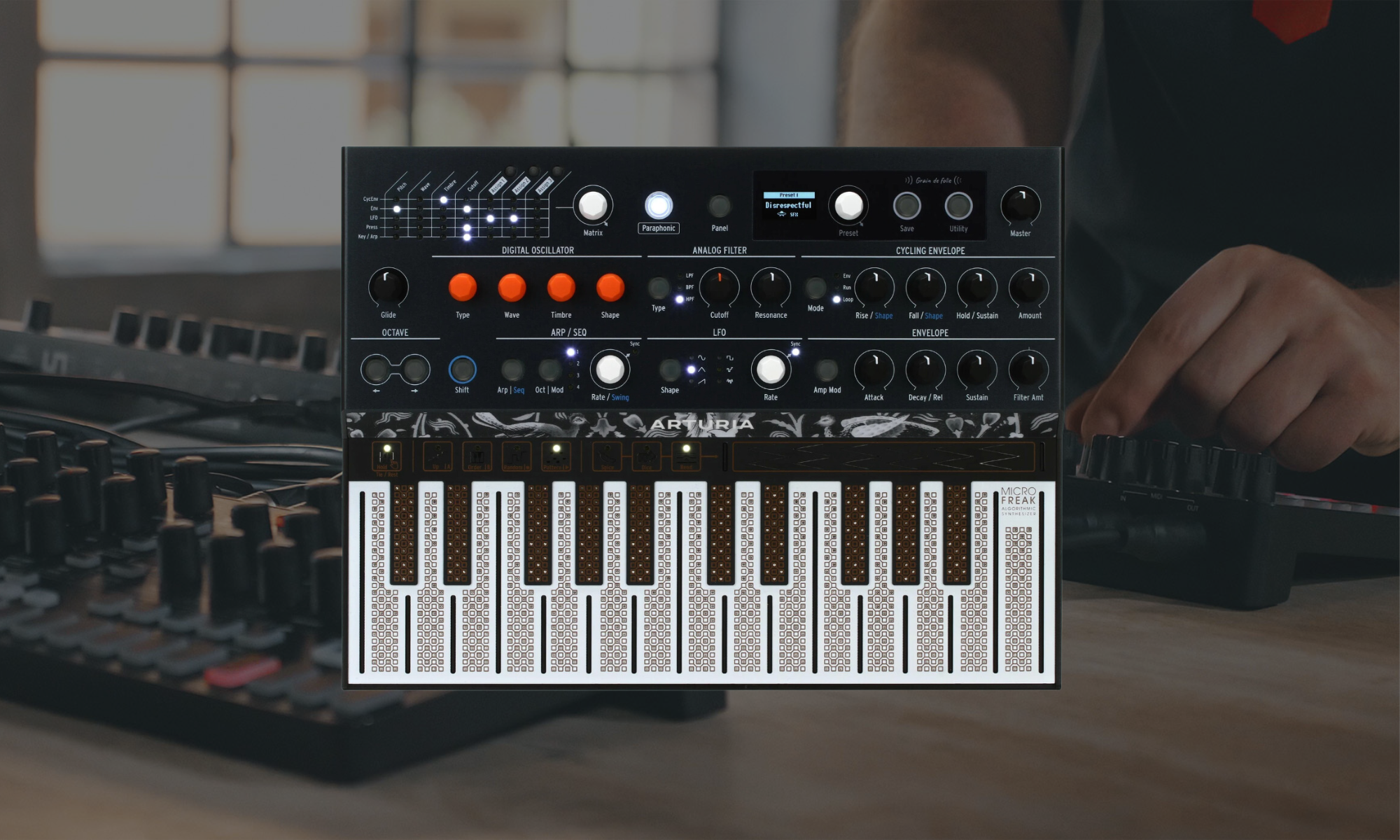
Arturia’s MicroFreak is a game-changer in the hybrid synthesizer space, merging the best of digital and analog worlds into a compact, innovative package. It’s more than just a synthesizer; it’s a boundary-pusher like its predecessors – the ARP 2600 and DX7. With its digital oscillators and analog filters, it has become an integral part of my sound and music production setup, standing proudly among my collection of modular and contemporary synths.
The MicroFreak’s Buchla-style capacitive touch plate keyboard initially took some getting used to, but now I can’t imagine my setup without its expressive, polyphonic aftertouch. It’s a dream to use, especially when controlling other gear like my Hydrasynth. And Arturia’s commitment to continually upgrading its firmware – adding new features, factory sounds, and more – is nothing short of impressive.
While some may critique aspects like the plastic build or the small OLED display, for me, these are minor compared to the expansive creative potential and sound quality it offers. Whether it’s the comprehensive vocoder functionality or the versatile preset management, the MicroFreak is a big win for any synth enthusiast.
It’s an instrument that keeps giving, continually inspiring with its unique sound and versatile capabilities, all while being incredibly budget-friendly. It’s not just a synth; it’s an invitation to explore and create music that stands out.
Learn More About This Synth While Support Our Team Of Writers Through Our Affiliate Deal With Sweetwater Here
FAQ: Best Synths Under $500 In 2026
What is the best affordable synthesizer under $500 in 2026?
The best affordable synthesizer under $500 in 2026 depends on what you need it to do first. If you want hands-on analog basslines and leads, a mono synth like the Donner Essential L1 or Korg Monologue makes sense. If you want chords, pads, and wider writing options, something like the Arturia MicroFreak or a used Minilogue can be a better fit. I would start with the role the synth needs to fill in your setup, then work backward from there.
Who is the synth good for when shopping under $500?
A synth under $500 is good for producers who want hardware control without committing to a larger studio purchase. It is also a smart price range for beginners because you can learn synthesis on a real instrument while keeping the cost controlled. For 2026, I think this category makes the most sense for home studios, small hardware rigs, and producers who want one focused tool beside their DAW.
What synth did Eddie Van Halen use, and can you get close under $500?
Eddie Van Halen is most closely tied to the Oberheim OB-Xa for the main synth part on “Jump,” which is a very different machine from most synths under $500. That said, the useful takeaway is not to chase the exact unit. Look for a synth that can make bright polyphonic chords, has a clear filter section, and lets you shape a patch quickly. Under $500, that usually means looking at modern budget polysynths, used-market options, or software if you need that exact lane for less money.
What is the best synthesizer on the market today under $500?
There is no single best synthesizer under $500 in 2026 because the category covers mono synths, digital synths, hybrid synths, groovebox-style units, and used analog options. The better question is what kind of synth will help you finish more music. A compact mono can be great for bass and lead lines, while a digital synth with presets can cover more ground in a small room. I would avoid buying the most hyped option and choose the one that solves the clearest problem in your setup.
What is the most sold synthesizer, and does that matter when buying under $500?
The most sold synthesizer question gets messy fast because people count different formats, production runs, software instruments, reissues, and entry-level keyboards in different ways. For a buyer, sales numbers matter less than whether the synth is easy to use, supported well, and priced correctly in 2026. A popular synth can be a safe pick because tutorials, patches, and secondhand listings are easier to find. That said, popularity should not be the deciding factor if the layout or sound does not fit the way you actually write.
What is Hans Zimmer’s favorite synth, and should that affect what I buy?
Hans Zimmer has used a large range of synths and studio tools across his scoring work, so I would not reduce his setup to one single favorite synth. If you are shopping for the best synths under $500 in 2026, the better lesson is to think in terms of function: texture, low-end support, movement, chords, or fast idea generation. A budget synth can still be useful for cinematic parts if it gives you hands-on control and lets you record ideas quickly. I would buy for your own sessions first, then use artist references as direction rather than a shopping list.

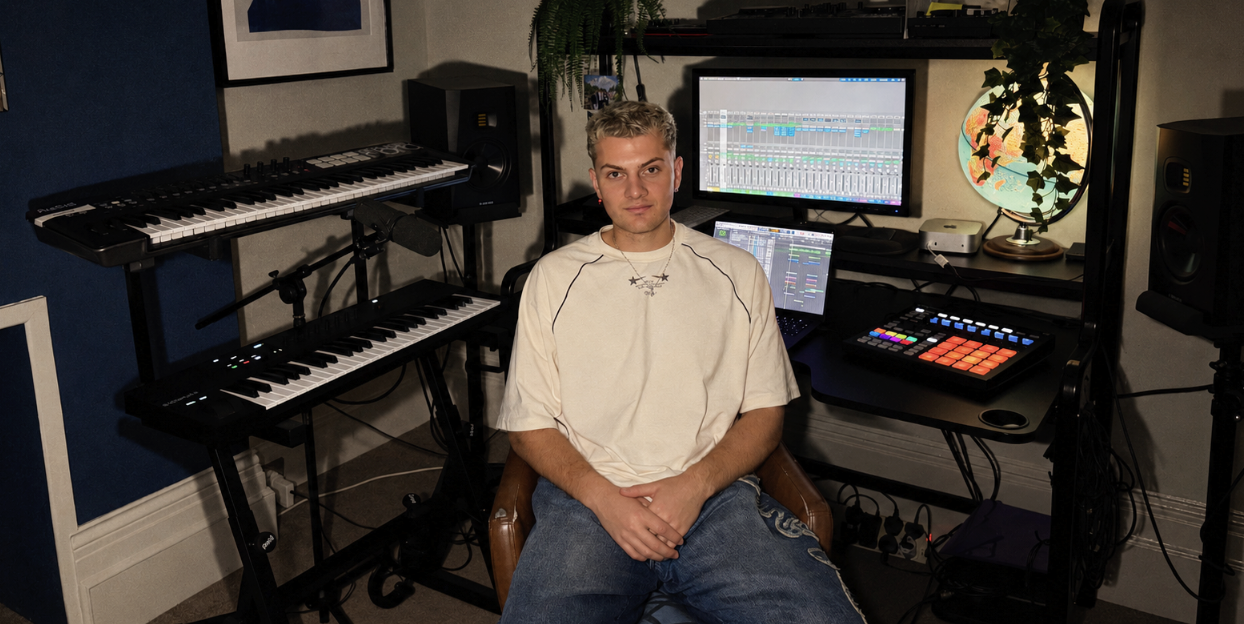
Will Vance is a professional music producer who has been involved in the industry for the better part of a decade and has been the managing editor at Magnetic Magazine since mid-2022. In that time period, he has published thousands of articles on music production, industry think pieces and educational articles about the music industry. Over the last decade as a professional music producer, Will Vance has also ran multiple successful and highly respected record labels in the industry, including Where The Heart Is Records as well as having launched a new label with a focus on community through Magnetic Magazine. When not running these labels or producing his own music, Vance is likely writing for other top industry sites like Waves or the Hyperbits Masterclass or working on his upcoming book on mindfulness in music production. On the rare chance he's not thinking about music production, he's probably running a game of Dungeons and Dragons with his friends which he has been the dungeon master for for many years.