I think one of the interesting things about working with electronic music is how much the technology can influence the decisions you make before you’ve even considered what you’re trying to communicate. You open a DAW, choose an instrument, start experimenting with a few sounds, and pretty quickly find yourself working within the possibilities of whatever equipment or software happens to be in front of you.
There’s nothing inherently wrong with that, and I’ve made plenty of music by following an interesting sound without knowing where it might lead, but I’ve also found that working with other musicians can introduce ideas that wouldn’t necessarily occur to me during an ordinary studio session.
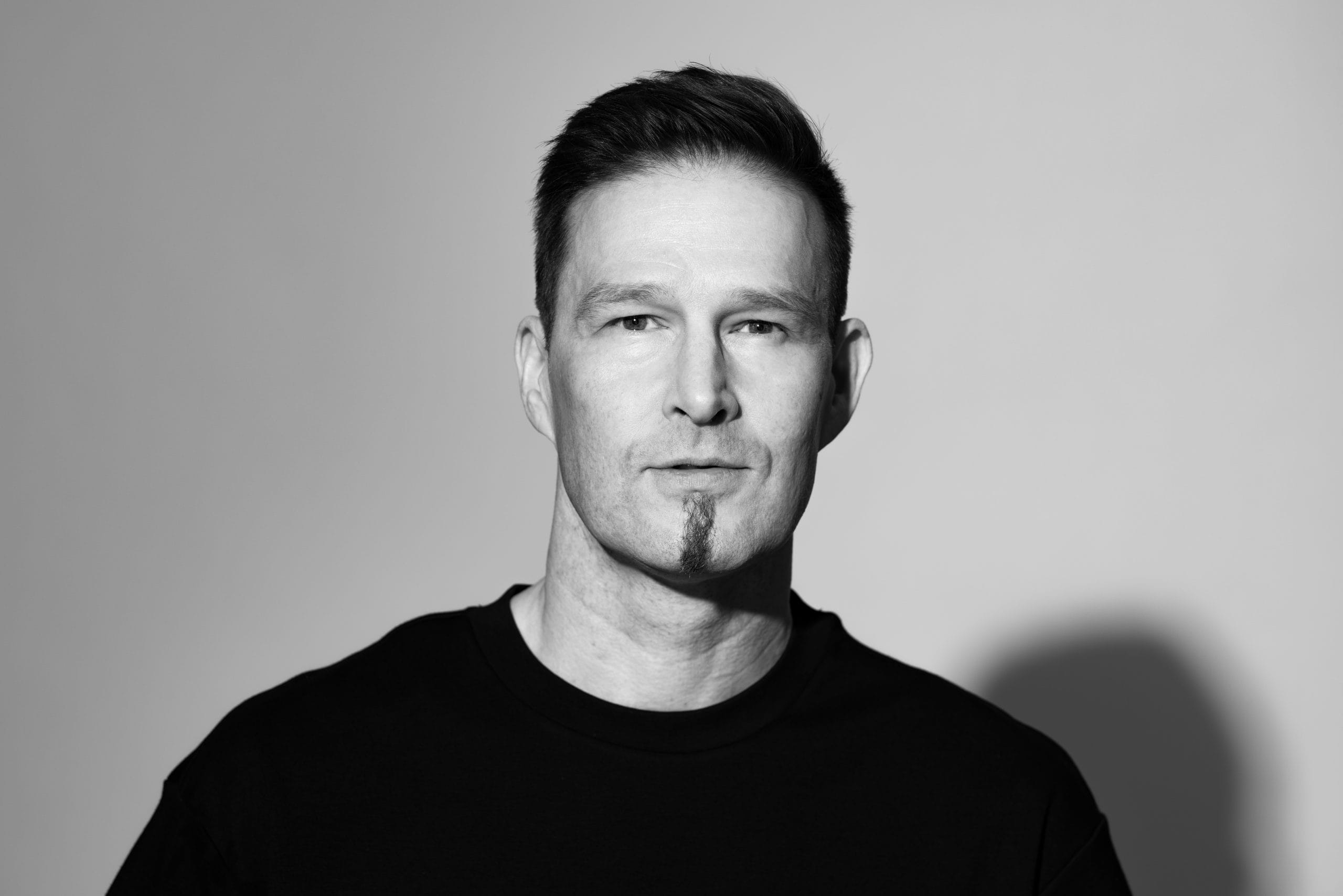
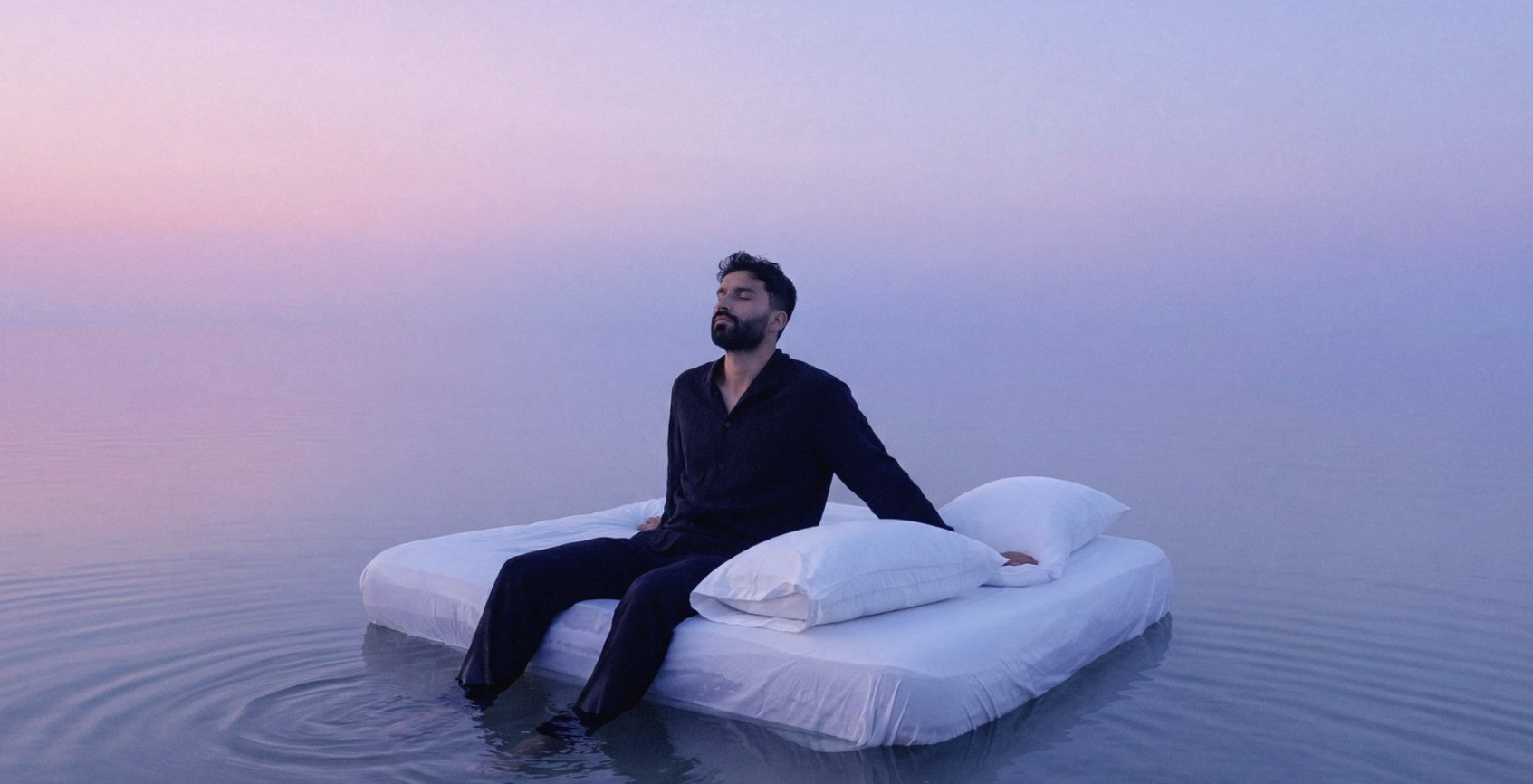
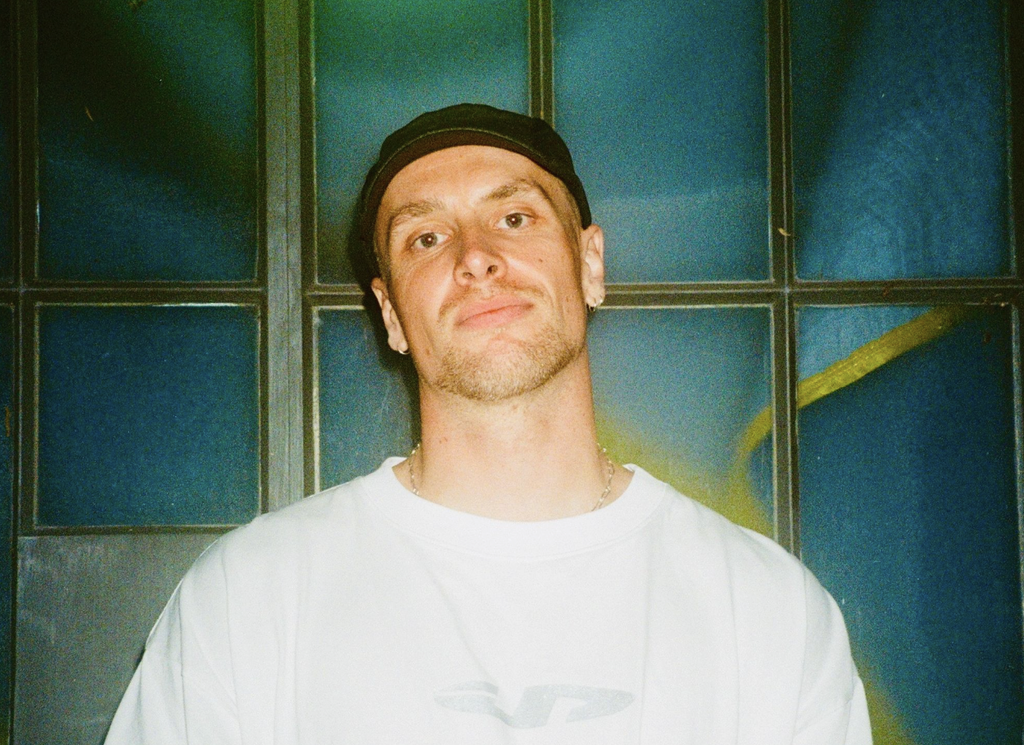
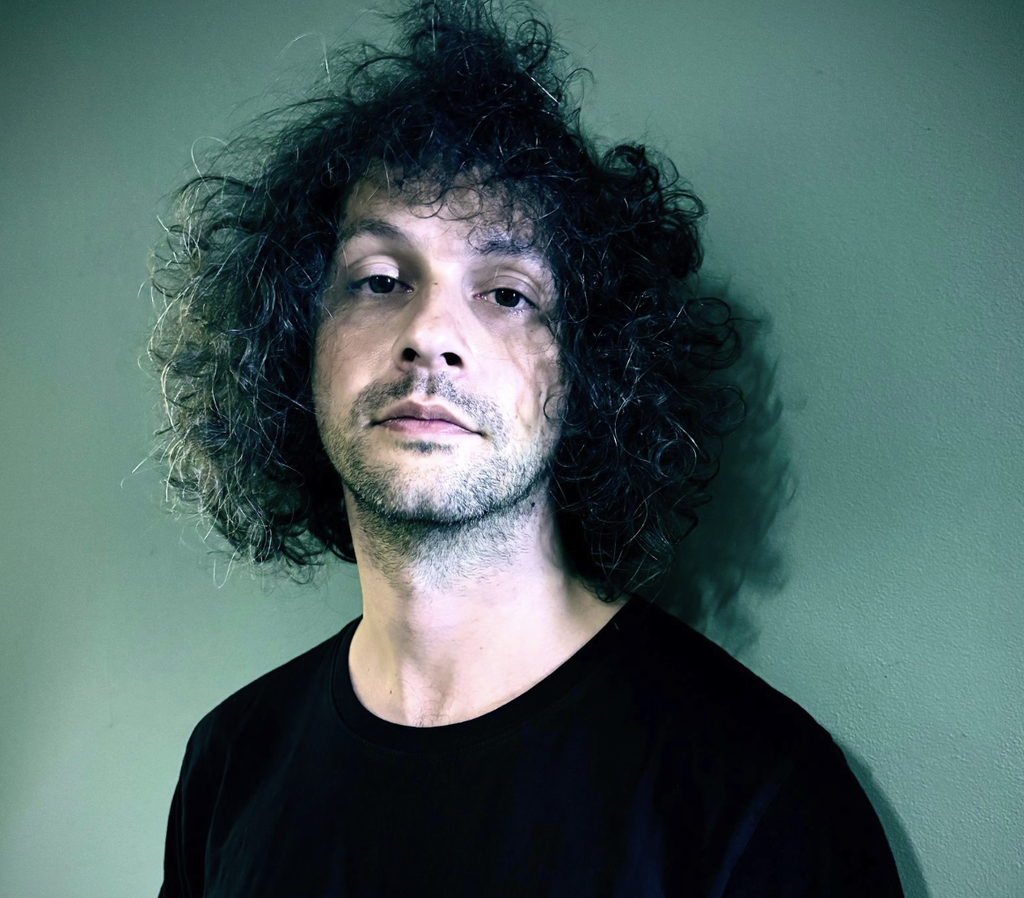
Norwegian drummer and composer Aleksander Kostopoulos has spent much of his career moving between those different approaches to making music. Originally from Bodø, Norway, he’s known for his work with the Sámi pop trio ISÁK and collaborations with artists including Mari Boine, Adjagas, Marthe Valle, and Moddi, alongside his own electronic compositions and projects for dance, theatre, and film. His fifth studio album, Fango, arrives November 13, 2026, through Beatservice Records, bringing together seven compositions featuring live drums, electronic production, and contributions from Ensemble Noor, Arve Henriksen, Daniel Herskedal, and Ragnhild Tronsmo.
What interested me most about this conversation was how Kostopoulos describes his relationship with the drums, particularly after spending years working as a freelance musician before developing his own recordings. He explains why his solo career initially gave him an opportunity to concentrate on other creative interests, how he wants to give himself additional freedom as a drummer in future performances, and why his experiences writing for theatre and playing in bands continue informing his work.
We also discussed the relationship between music and visuals, the importance of giving collaborators the freedom to make their own decisions, and what he wanted listeners to take from Fango. His answers offer an interesting perspective on how an artist’s relationship with familiar instruments can change over time, especially when they’re working across several creative disciplines.
Interview With Aleksander Kostopoulos
How do you utilise different mediums to best express your artistic vision?
As I’ve gotten older, I’ve come to realise that it’s not really that important to me which medium I use, but rather the act of creating something itself.
When I was young, I tried several different instruments, but the drums were what came most naturally to me, and where my strengths really started to emerge. I think it could just as easily have been painting, drawing, game design, or something else entirely.
I guess you could say that I work with the mediums that feel most natural to me. As it turns out, those happen to be drums, electronic composition, and visual elements.
For me, it’s also very much about creating something unique. Something that wouldn’t exist if I hadn’t created it myself. That’s also how I like to experience art and music. I love projects that make you feel like you’re entering a world of their own.
Combining drums, electronics, and visual elements gives me the feeling that I can create my own unique worlds. And I hope my audience feels that too, and that they can become part of those worlds themselves.
What emotions and pictures did you want to convey in your latest LP ‘Fango’?
Fango is about hope, and about standing firm on shaky ground. In a time of uncertainty and increasing polarisation, I wanted to create an album with these feelings at its core.
But I also believe that art takes on a life of its own once it’s released. Many people will probably listen to my music without knowing the thoughts and ideas behind it, and instead create their own associations and interpretations.
I think there’s something beautiful about that too.
When you create art, what comes first for you: sound or visuals?
It’s always the music first.
I really enjoy exploring and developing visuals around music I’ve already created. I might have some early ideas of what the visual side could look like, but most of the time it takes shape through experimenting with different visual software while listening to the music.
For my live projects, I always collaborate with lighting designers who take the lead on the visual production.
I sometimes contribute visual elements of my own, but when it comes to putting the actual show together, I prefer to leave that responsibility to someone else.
I feel the end result is much stronger when I collaborate with people who bring their own skills, ideas, and perspectives to the project, rather than trying to do everything myself.
Does your background as a drummer play a role in your other work or lead your ideas?
Yes, absolutely.
For quite some time, I’ve actually felt that there’s still a lot of room to explore the role of drums in my music and projects.
I think that because I spent so many years working as a freelance drummer for other artists before I started creating my own music, I may have subconsciously chosen to focus on other aspects of my creativity in my solo work.
Maybe I just got a little tired of myself as a drummer?
Lately, I’ve been thinking a lot about this and experimenting with ways to give myself more freedom behind the drums, allowing the electronics to respond more directly to what I’m playing, rather than the other way around.
I haven’t quite figured it all out yet, but I have a feeling that my next projects will somehow bring the drums more into focus.
How has being part of the band ISAK and composing for dance and theatre impacted your personal artistic expression in electronic music?
All of these experiences have been incredibly important to me.
When I compose for others or play in a band, I often find myself pushed outside my comfort zone. I’m forced to reflect, explore new ideas, sometimes do things I don’t yet know how to do, or have never done before.
I bring all of these experiences back into my solo work, which in many ways serves as a kind of free flow of artistic ideas and thoughts.
My solo project is a space where I simply create and play whatever feels most natural and closest to who I am. In that sense, I probably don’t push myself quite as much there.
I really enjoy the balance between creating my own music, playing drums for selected artists, and composing for dance, theatre, and film. It gives me a sense of artistic variety and allows me to explore different sides of my creativity.
And hopefully, at some point in the future, I’ll be able to add composing music for video games to that mix as well.
Your album ‘Fango’ features Arve Henriksen, Daniel Herskedal and Ensemble Noor. Is collaboration an important factor for artistic growth?
Yes, and I think this connects quite closely to my previous answer.
I also think that as I’ve gotten older, I’ve become more aware of how important it is to create music that I genuinely love and feel connected to.
I knew I wanted to compose an album with the string trio Ensemble Noor. In my previous work, almost everything had been electronic apart from my drums, but bringing in real musicians playing acoustic instruments felt very natural for this album.
I really love that meeting point between the organic and the electronic.
I’ve also been a fan of both Arve and Daniel for many years, and I felt this was the perfect album to invite them to be part of.
I sent each of them a track and gave them complete artistic freedom to do whatever they felt was right for the music.
It’s hard to describe the feeling of receiving their recordings after they’d done their takes. They brought so much to the music that I remember sitting there thinking, “Now I just have to make sure I don’t ruin this!”
Final Thoughts From The Editor
The part of this interview I found most interesting was Kostopoulos explaining that he may have spent so much time working as a professional drummer that he eventually wanted his solo career to concentrate on something different. I think there’s an important distinction here between being proficient at an instrument and wanting that instrument to determine the direction of everything you make. When you’ve spent years performing somebody else’s music, the opportunity to start composing your own material can encourage you to investigate musical interests you haven’t had much room to explore professionally.
Kostopoulos seems to have experienced something similar, developing his interest in electronic composition and visual presentation while allowing his existing drumming experience to inform those projects without necessarily making percussion the primary focus.
There’s also something worth considering about his decision to invite established acoustic musicians into Fango and give them considerable freedom to interpret the material. I think it’s relatively easy to underestimate how much a guest musician can contribute when you’re accustomed to working with sampled instruments, particularly because modern libraries can provide recordings of almost any conventional acoustic instrument. But there is a difference between deciding exactly how a part should be performed and allowing another musician to make decisions based on their own interpretation of the composition.
In our interview with Kormac about orchestral composition, electronic production, and screen scoring, he discussed using unexpected results from electronic instruments as starting points for ideas that he might not have developed deliberately. Kostopoulos is exploring that openness through collaboration with instrumentalists, giving Henriksen and Herskedal room to contribute ideas he didn’t necessarily anticipate when he originally sent them the recordings.
His comments about working with lighting designers also caught my attention because they’re a reminder that collaborating on the visual side of a performance can be as important as bringing another musician into the studio. In our recent How It Was Made feature with Spicy Sofi about his SOFI AIRLINES audiovisual performance, we examined how music and visuals can communicate through a shared technical system, allowing the visual artist to respond to performance decisions from a different location.
And I think that’s the larger lesson from this conversation. Kostopoulos has developed a career that involves performing, composing, recording, and working with people who approach music and visual art from different professional backgrounds, yet he doesn’t seem particularly concerned with treating any one of those activities as the defining part of his identity.
The interesting thing is how those experiences continue informing his solo music, particularly on Fango, where the acoustic musicians were given an opportunity to contribute their own interpretations. I also appreciate his willingness to reconsider the role of the drums after spending years developing his electronic compositions, because it suggests that familiarity with an instrument doesn’t necessarily mean you’ve exhausted what you can do with it. Sometimes returning to something you already know well, with a different set of collaborators and a clearer understanding of what interests you, can provide plenty of material for the next recording.

Will Vance is a professional music producer who has been involved in the industry for the better part of a decade and has been the managing editor at Magnetic Magazine since mid-2022. In that time period, he has published thousands of articles on music production, industry think pieces and educational articles about the music industry. Over the last decade as a professional music producer, Will Vance has also ran multiple successful and highly respected record labels in the industry, including Where The Heart Is Records as well as having launched a new label with a focus on community through Magnetic Magazine. When not running these labels or producing his own music, Vance is likely writing for other top industry sites like Waves or the Hyperbits Masterclass or working on his upcoming book on mindfulness in music production. On the rare chance he's not thinking about music production, he's probably running a game of Dungeons and Dragons with his friends which he has been the dungeon master for for many years.