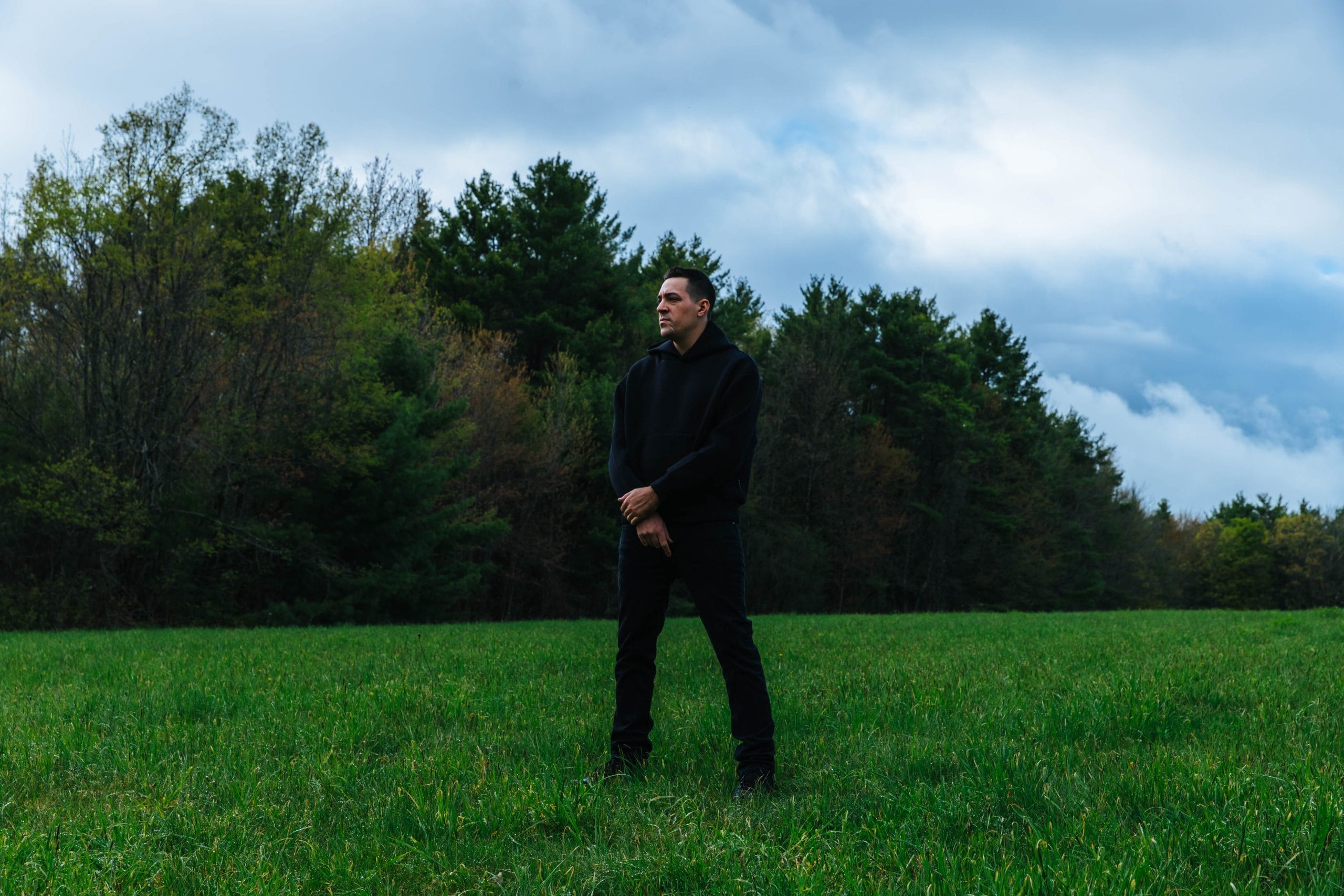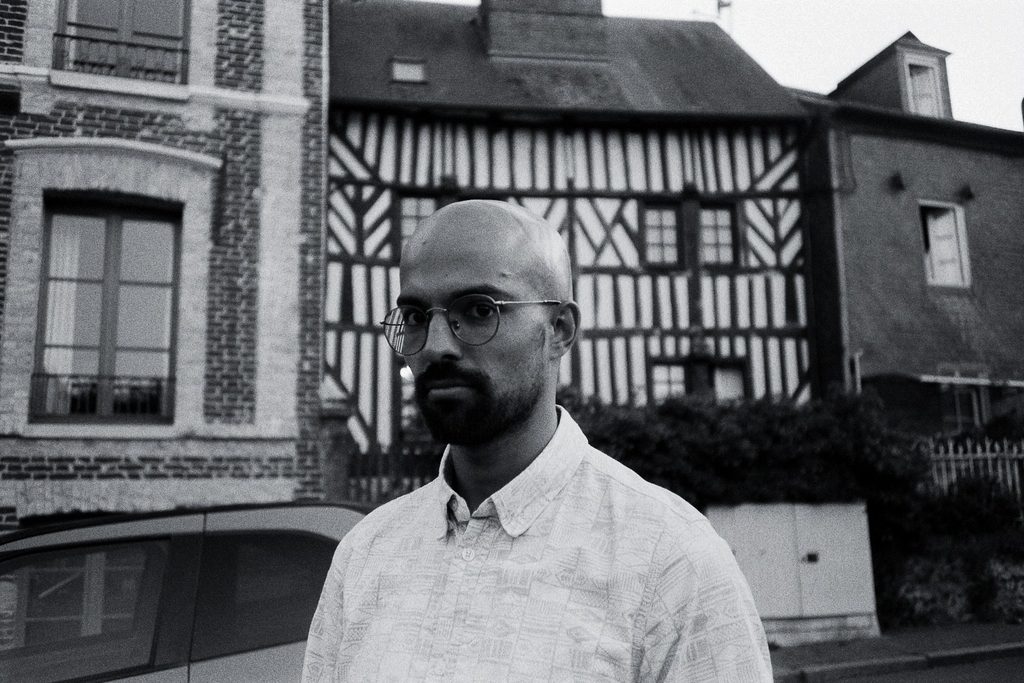
Greggio’s (@_greggio) discussion in the interview we’re about to dive into get at one of the stranger traps in modern production, because almost every tool we use now makes it easier to fix the life out of a record.
The grid gets tighter, the transient gets cleaner, the mix gets wider, the arrangement gets neater, and at some point the thing that made the first loop worth chasing has been ironed into something technically better and emotionally smaller.
That makes “Bvgari” a good record to place beside this conversation. The Brazilian-born, London-based producer has been moving fast across labels like Diynamic Music, NUMODA, Hottrax, Repopulate Mars, Nervous Records and Hellbent Records, with support from names including Solomun, Anyma, Marco Carola, Jamie Jones, Michael Bibi, FISHER, Vintage Culture, Adriatique and Mau P. His latest release on Diynamic leans into the kind of groove-first pressure where timing, instinct and taste matter more than another hour of microscopic editing.
The interview below is about the decisions that do not always look important from the outside: when to trust the first reaction, when a rougher take has more energy than the polished one, when a tiny timing move changes the whole feel, and when the best studio decision is leaving something alone.
Greggio is not arguing against technique as much as he’s making the case that technique only matters when it protects the feeling that made the track worth finishing in the first place.
Interview With Greggio

What parts of making music do you think still come down to instinct and taste?
I think a lot of the most important decisions in music still come down to instinct and taste. You can learn the technical side of production, but you can’t really learn what makes something feel right to you.
When I’m working, I try not to overthink the first reaction I have to an idea. Sometimes a sound or a groove immediately gives me a physical feeling, and that’s usually something I want to follow rather than analyse too much. Of course, experience helps you understand why something works, but I still think the initial reaction is very important.
My sound has developed through a lot of experimenting and trusting those instincts, and I think that’s also what helped me find an identity of my own.
How much does the way you physically play or interact with an instrument affect the finished record?
For me, the physical side of making music is really important, even when I’m working digitally. I like to experiment and interact with sounds rather than just placing everything perfectly where I think it should go.
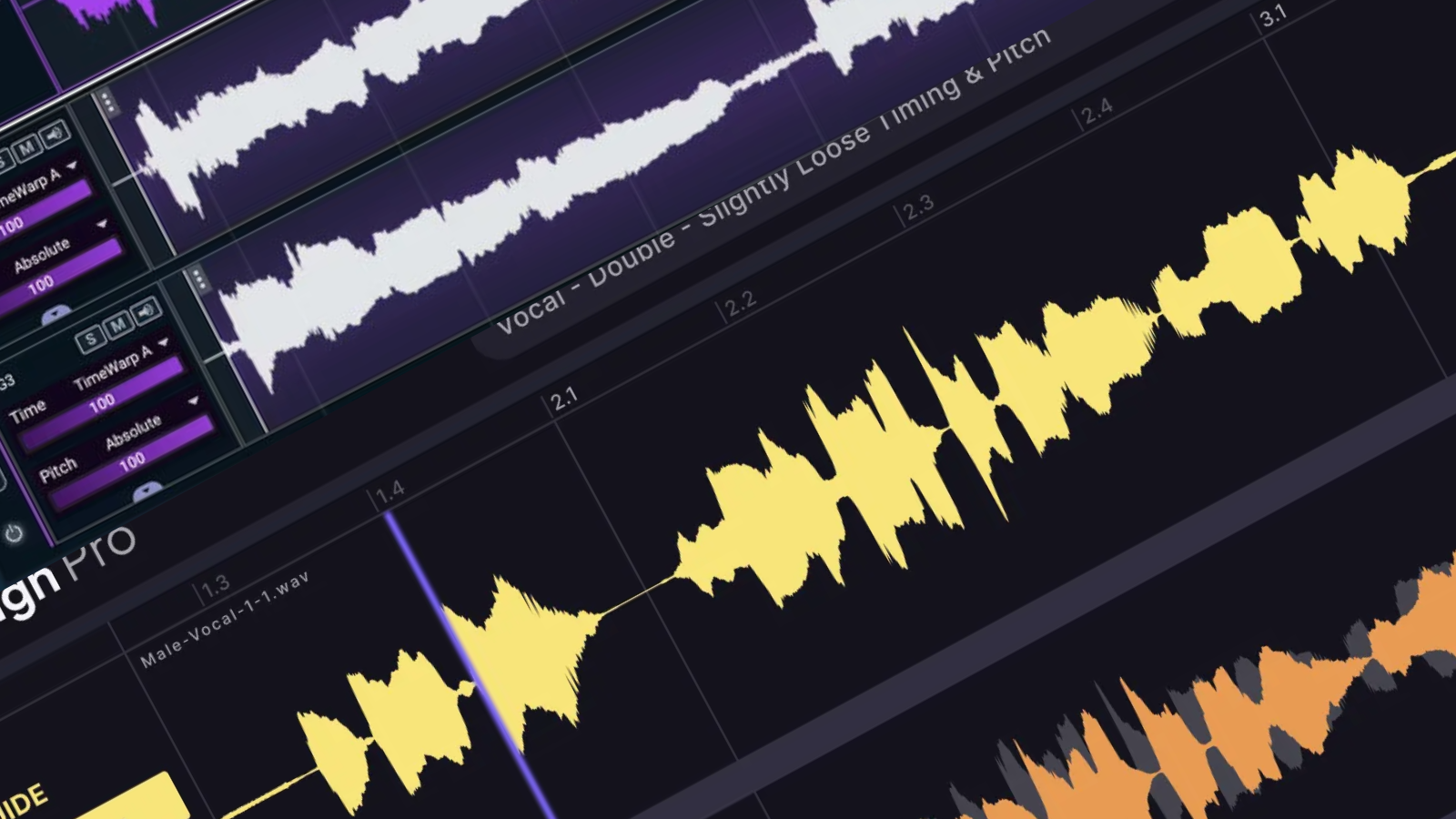
Sometimes the way you play something, move a sound or slightly change the timing creates something that you wouldn’t have found if you were trying to make it perfect from the beginning. That physical reaction is also a big part of how I understand whether a groove is working.
If something makes me move or creates a certain feeling immediately, I pay attention to that. I think some of the character in a record comes from those small human decisions that you can’t always recreate by simply following a formula.

When do you know that a rougher take is the right one for the track?
Usually when the rougher version has more energy than the polished one. I work quite quickly at the beginning with the drums, bass and core idea, and I try to trust my first reaction instead of immediately trying to fix everything.
Sometimes you make something slightly imperfect, but that imperfection is actually what gives it character. If I start changing things and I notice that the physical feeling or tension is disappearing, that’s normally a sign that I’ve gone too far.
There is definitely a point where refining starts to flatten the energy of a track. For me, the goal isn’t to make every sound perfect. It’s to stop at the moment when the track feels most alive.
Where do producers risk polishing a record so much that they remove what made it personal?
I think it happens when you start making decisions because you think something is supposed to sound better rather than because it actually feels better. It’s very easy to keep tweaking a track forever, especially with all the possibilities we have in modern production.
You can adjust every sound, every transition and every tiny detail, but sometimes those imperfections are exactly what give the record its personality. I try to ask myself whether a change is actually improving the emotional impact of the track or whether I’m just changing it because I can.
If I’m tweaking something for hours and it doesn’t really change the feeling, that’s usually my cue to stop. I would always rather have a record with a little bit of character and tension than something that sounds technically perfect but has lost the reason I liked it in the first place.

Which smaller choices tend to have the greatest effect on a track, whether that comes down to timing, phrasing, edits, arrangement, or knowing when to leave something alone?
I think the smallest changes can completely change the feeling of a track, especially with timing and groove. Moving one element slightly, changing the way a percussion sound comes in or leaving a little more space can make a big difference.
Sometimes taking something away is more powerful than adding another layer. I’m also very conscious of repetition and how long you allow an element to stay before changing it, because that can create tension without needing a big breakdown or obvious drop.
A lot of the time the best decision is actually knowing when to leave something alone. I make a lot of music and experiment with a lot of ideas, but I don’t want to keep adding things just because I can; every element should have a reason to be there and contribute to the feeling of the track.His live and DJ path has taken him to rooms and stages including UNVRS Ibiza during FISHER’s residency, Burning Man, E1 London, Studio 338, the DNA Art Car by Vintage Culture and Só Track Boa. “Bvgari” continues his run with Diynamic, placing his current studio language in the part of club music where small timing choices, bass pressure and instinctive groove decisions carry most of the weight.
Closing Thoughts

Greggio’s best point is that polish can become its own kind of distraction. Every producer knows the feeling of making a track technically better while slowly losing the reason it worked in the first place. The kick sits cleaner, the percussion is tighter, the automation is more detailed, and somehow the first messy version still had more pull.
That sits close to Yeadon’s interview on AI, taste and keeping the artist inside the record. Yeadon talked about protecting the creative decisions that make a record feel personal, while Greggio is dealing with the same problem at the level of groove, timing and mix decisions. Both arguments come back to the same place: the artist’s ear has to stay in charge.
There is also a line to Maor Levi’s interview on rough ideas, producer confidence and AI-shaped comparison. Levi’s point was that a rough idea can look weak next to polished output, even when the rough idea has the thing worth chasing. Greggio’s answer about rougher takes carries that same lesson into the house studio. If the early version moves better, the mix should serve it rather than bury it.
That is why the physical side of his answer matters. Greggio is working digitally, but he is still talking about touch, timing and movement: the way a sound gets shifted, the way a groove makes the body react, the small decisions that happen because a producer is listening with more than the screen. House music depends on those details. Quantized perfection can make the record easier to manage and harder to feel.
His release history gives that idea some context. A producer getting support from Solomun, Anyma, Jamie Jones, Marco Carola, Michael Bibi and FISHER is not working in a vacuum, and a record on Diynamic has to hold up in rooms where the low end, movement and tension are not theoretical. “Bvgari” belongs to that environment, where tiny arrangement choices can decide whether a track keeps the floor locked or starts feeling too polite.
That also connects with Ciclo’s interview on patience, room energy and knowing when to push. Ciclo spoke from the booth, while Greggio is speaking from the studio, but both are listening for the same thing: physical response. The record has to create movement before anyone explains why it works.
There is another useful comparison with Manoo’s interview on raw house, originality and protecting the search for sound. Manoo’s argument was less about technical imperfection for its own sake and more about refusing to smooth away the search that gives music its personality. Greggio says it plainly: if a change does not improve the feeling, he stops.
That may be the cleanest takeaway for producers. Every element needs a reason to be there, and sometimes the reason to remove something is stronger than the reason to add one more part. Repetition can build tension. Space can make the groove hit harder. A slightly uneven decision can keep the track human enough to feel alive.
The broader point is that instinct is not the opposite of craft. It is what craft is supposed to protect. Greggio’s music is landing in major rooms because the records understand movement, but his answers make it clear that movement does not come from a formula. It comes from trusting the moment when the sound gives you a physical answer before the brain starts trying to tidy it up.

Will Vance is a professional music producer who has been involved in the industry for the better part of a decade and has been the managing editor at Magnetic Magazine since mid-2022. In that time period, he has published thousands of articles on music production, industry think pieces and educational articles about the music industry. Over the last decade as a professional music producer, Will Vance has also ran multiple successful and highly respected record labels in the industry, including Where The Heart Is Records as well as having launched a new label with a focus on community through Magnetic Magazine. When not running these labels or producing his own music, Vance is likely writing for other top industry sites like Waves or the Hyperbits Masterclass or working on his upcoming book on mindfulness in music production. On the rare chance he's not thinking about music production, he's probably running a game of Dungeons and Dragons with his friends which he has been the dungeon master for for many years.