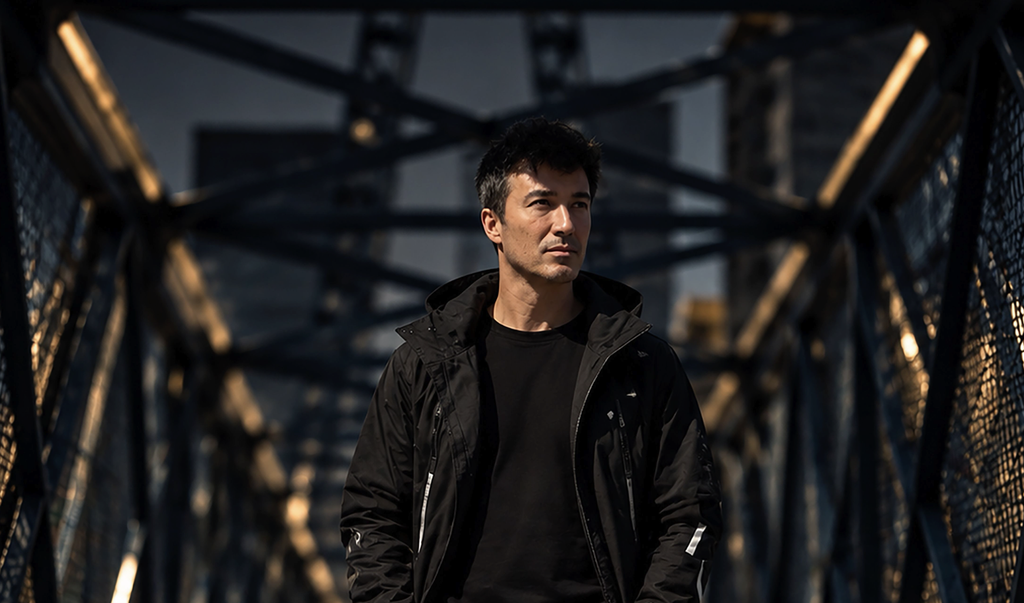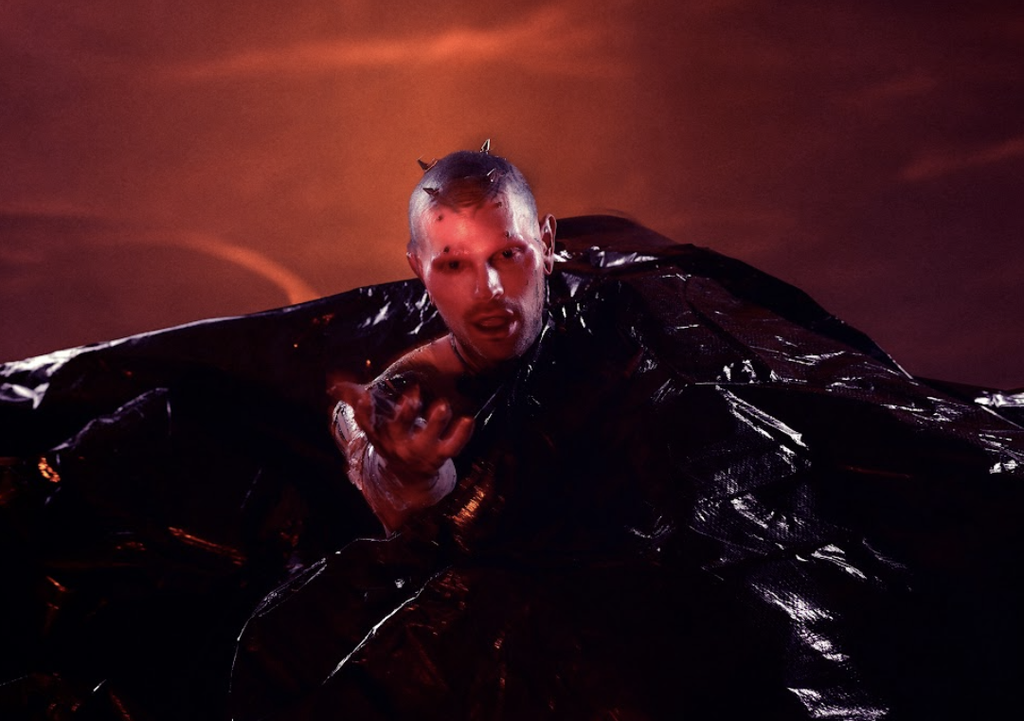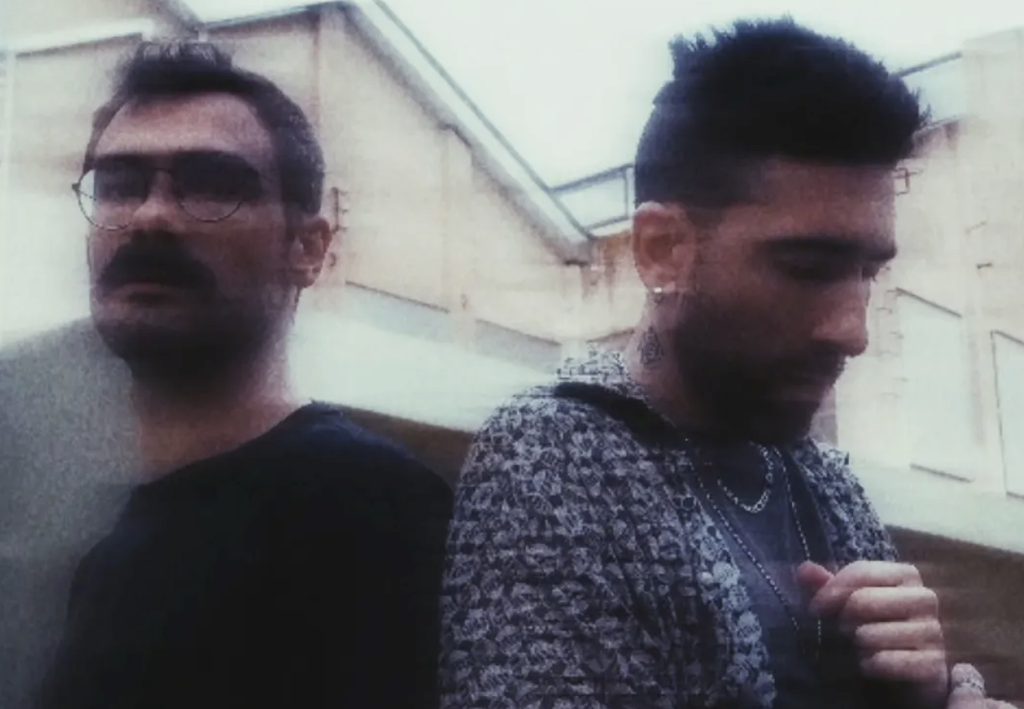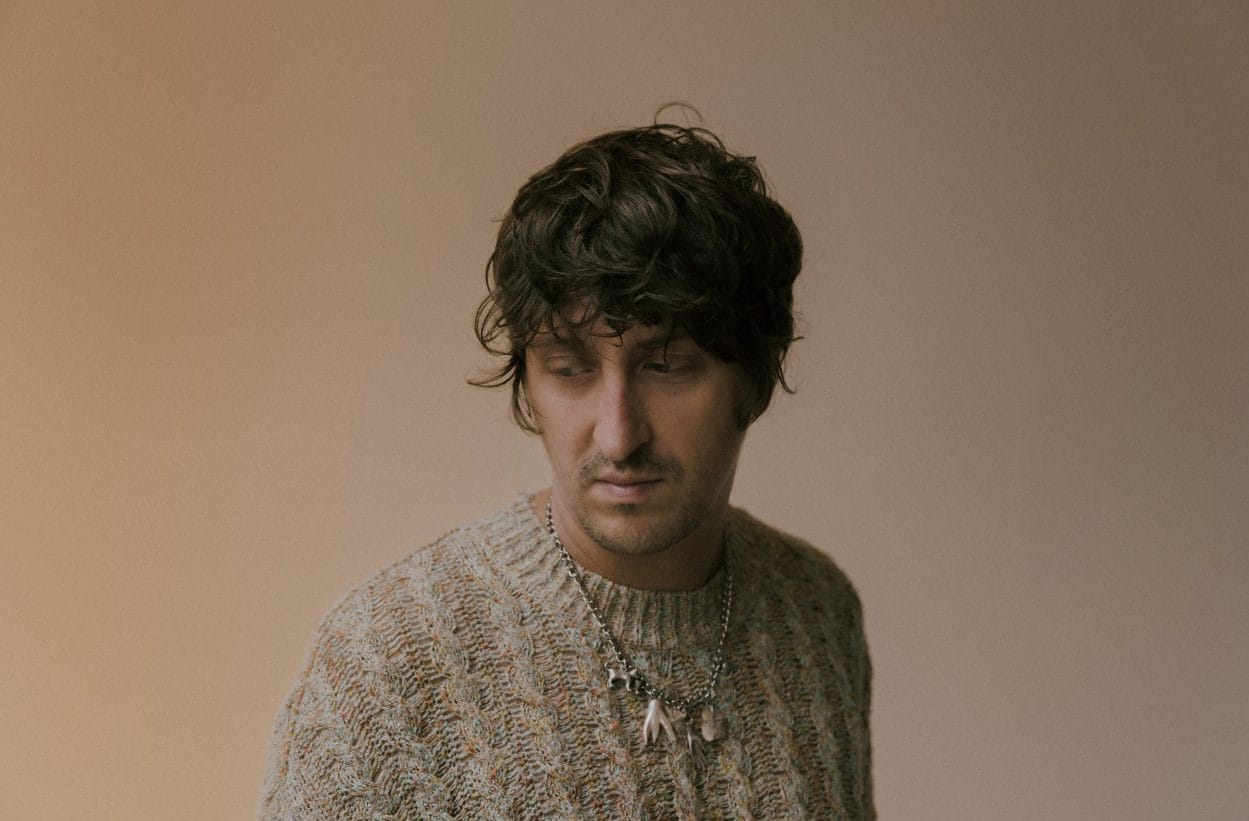
Press Images Courtesy Of Max Hartmann
Parra for Cuva (@parra_for_cuva) has spent the past decade building a catalog that moves through downtempo, organic house, ambient electronica, and club-focused material with a clear sense of personal taste. His sixth studio album, Nacar, continues that path across 12 tracks, with collaborations from Nathan Ball, orbit, CRi, Vraell, Cile, PALLADIAN, Aukai, and Vines, along with three solo pieces that give the record its central shape.
The album was written across a period of heavy travel, with Nico Demuth setting up small mobile studio spaces between shows and capturing ideas in places including Mexico, France, Italy, Japan, Panama, Canada, Costa Rica, Australia, and the United States. Field recordings from Costa Rica also became part of the album, giving Nacar a connection to the places where much of the material first took form.
That context makes the conversation around the album feel especially relevant.
Nacar arrives at a point where touring, writing, recovery, and long-term creative discipline are all part of the same process for Parra for Cuva. In the interview below, he talks about making music consistently, staying creative while traveling, learning to slow down after a panic attack, and keeping his connection to music alive outside the pressure of release cycles.
Parra for Cuva Interview
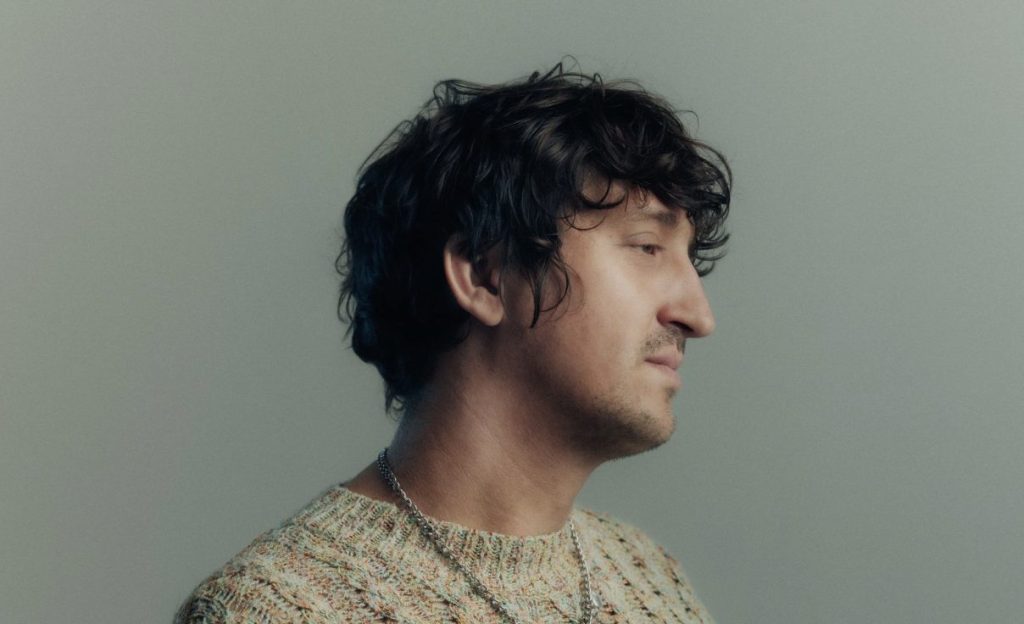
What habits or boundaries have helped you protect your long-term energy in this work?
The most important habit for me when it comes to releasing music consistently is making as much music as possible. Nowadays, that can be difficult because touring takes up almost half of my year, and during release phases there is often very little time left to sit down in the studio.
For me, it is essential to keep showing up and working, even on days when nothing feels productive or the ideas sound terrible. In the end, it is all part of learning and slowly getting closer to the tracks and ideas that feel right. I have realized that consistency matters more than waiting for inspiration to appear.
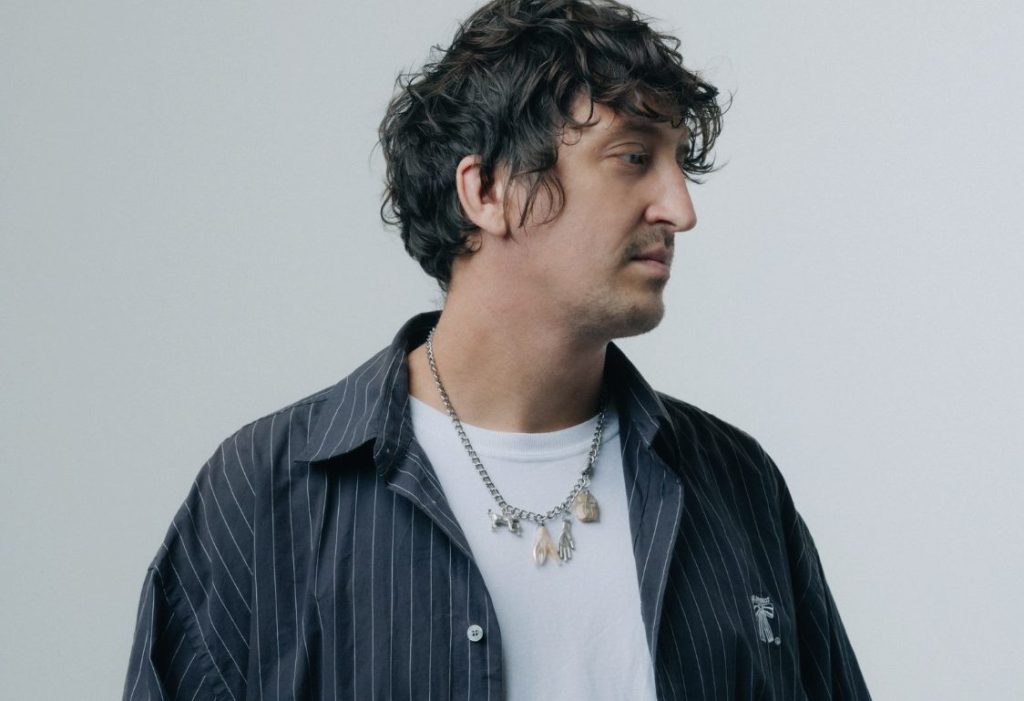
As playing live becomes a bigger part of your profession, how do you keep your creativity engaged?
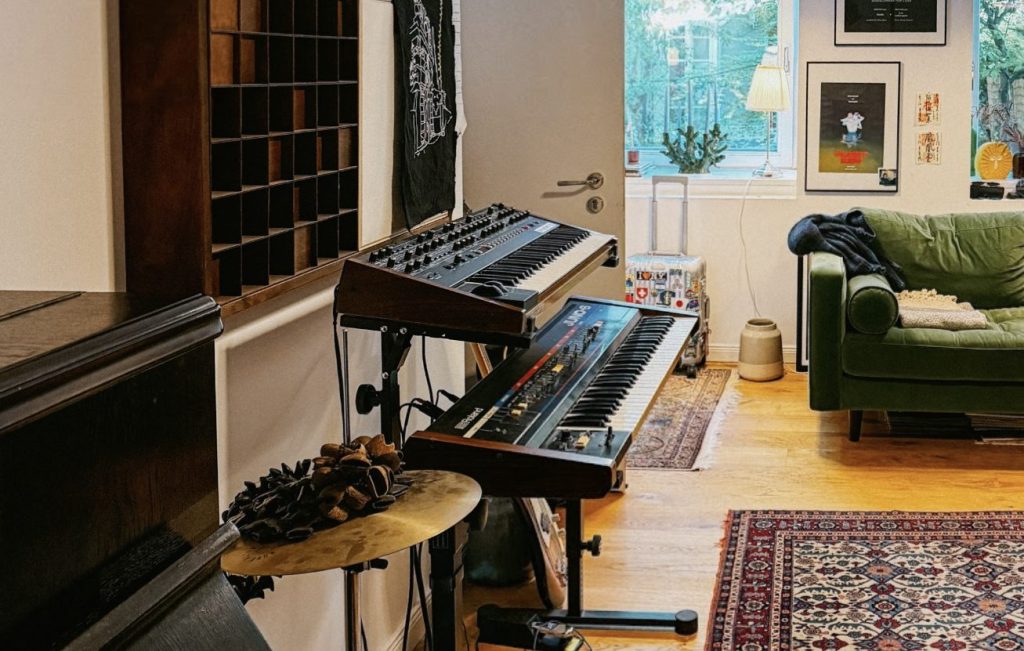
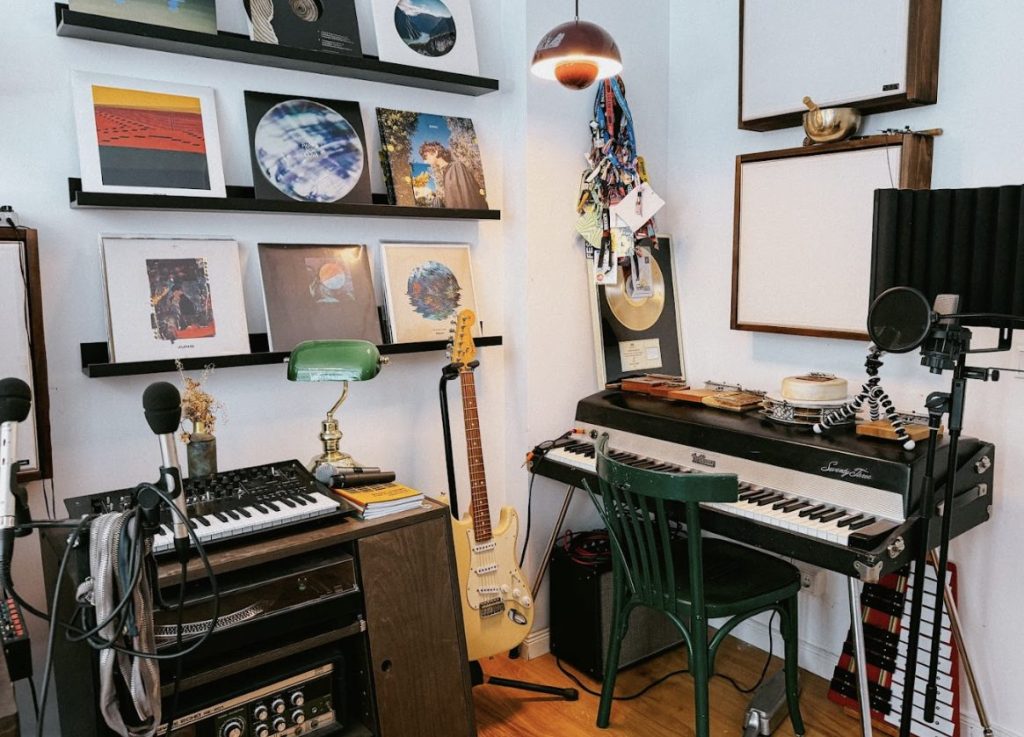
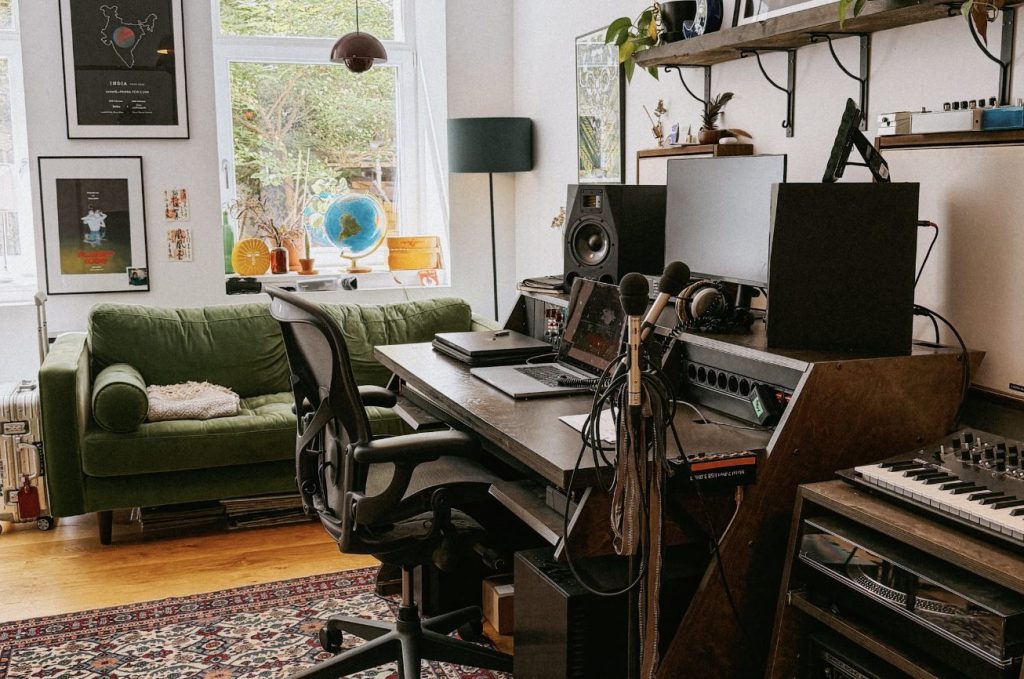
Playing and traveling take up a huge part of my year now, although I always try to spend most of my week at home, where my studio is. That balance helps me stay grounded and gives me at least a few days each week to focus on being creative.
Now that I am entering my thirties, I am also much more conscious about taking care of my wellbeing and protecting my energy. One thing that keeps me inspired is connecting with other musicians, exchanging ideas, starting sessions, or simply talking about music, since that pushes me back into a creative mindset.
I also get a lot of inspiration from documentaries, random sounds I find online, and samples from YouTube, Instagram, or any place where something unexpected catches my attention.
Have there been seasons where stepping back offered clarity or renewal? What does a healthy pace look like for you at this stage?
Last autumn, I started preparing this album, and I was incredibly motivated to get the project off the ground.
Even during vacations, I was still working and constantly taking calls. Then, on the way to my first gig after a holiday, I had a small panic attack while boarding the flight, and that moment made me realize I needed to slow things down a bit.
Since then, I have become more selective with the offers I accept. My schedule was still quite full, although from January until now I have played three shows, which is actually very little for me. During that time, we traveled to Costa Rica, Argentina, and Canada, and we also managed to fit in a few small holidays along the way, which helped. I feel much more refreshed now, and moving forward I want to continue building more breaks and recovery time into my schedule.
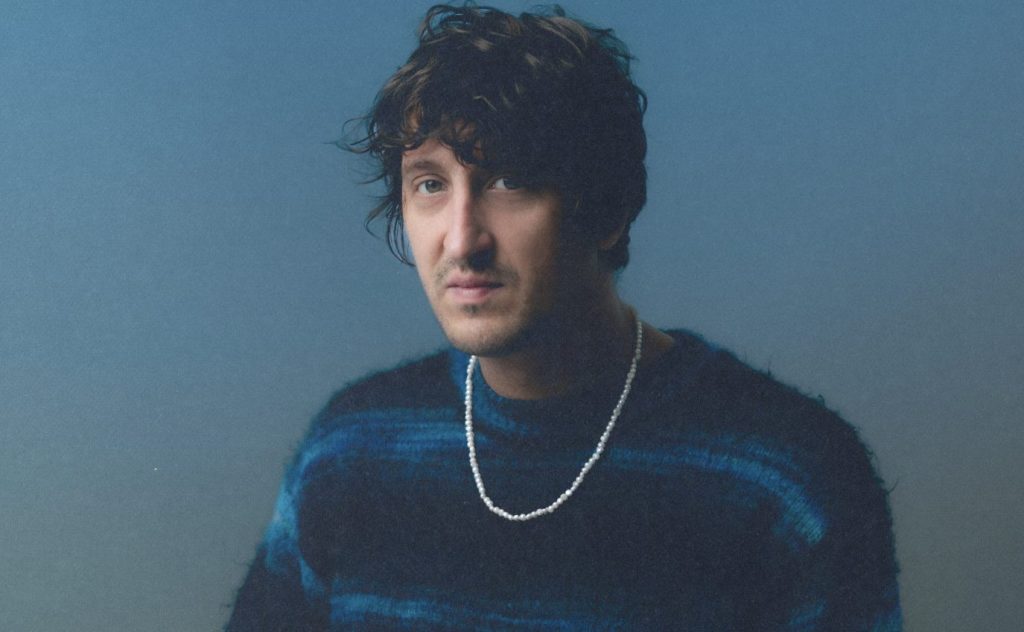
How do you stay connected to the joy of music while remaining active in the scene?
Honestly, sometimes that can be quite difficult. In my free time, I usually listen to completely different kinds of music, especially singer-songwriter music, soul, or older records. If I constantly listened to the same type of electronic music I make, I think I would end up analyzing it too much instead of enjoying it.
Nowadays, I am probably less easily surprised by music than I was at twenty, although almost every week I still find one special song that completely captures my attention.
Those moments are really important to me. Sometimes, when there is enough time, we also get to properly experience festivals ourselves instead of arriving for a set and leaving again. Being able to stand on a stage for two hours, dance, and listen to a great DJ set is honestly one of the best feelings in the world. And if you see a tall guy dancing nonstop in the crowd, it is probably me.

Will Vance is a professional music producer who has been involved in the industry for the better part of a decade and has been the managing editor at Magnetic Magazine since mid-2022. In that time period, he has published thousands of articles on music production, industry think pieces and educational articles about the music industry. Over the last decade as a professional music producer, Will Vance has also ran multiple successful and highly respected record labels in the industry, including Where The Heart Is Records as well as having launched a new label with a focus on community through Magnetic Magazine. When not running these labels or producing his own music, Vance is likely writing for other top industry sites like Waves or the Hyperbits Masterclass or working on his upcoming book on mindfulness in music production. On the rare chance he's not thinking about music production, he's probably running a game of Dungeons and Dragons with his friends which he has been the dungeon master for for many years.