I think one of the hardest parts of developing an artist project is figuring out what makes your music recognizable. When a particular sound starts getting attention, you might be tempted to keep returning to the same production choices because you know people already respond to them.
But your taste probably hasn’t stopped changing, and the music you’re listening to today might be completely different from what inspired you when you first started producing.
I was thinking about this recently during my interview with Whisnu Santika, who talked about the difficulty of becoming known for a particular style while wanting the freedom to explore other genres.
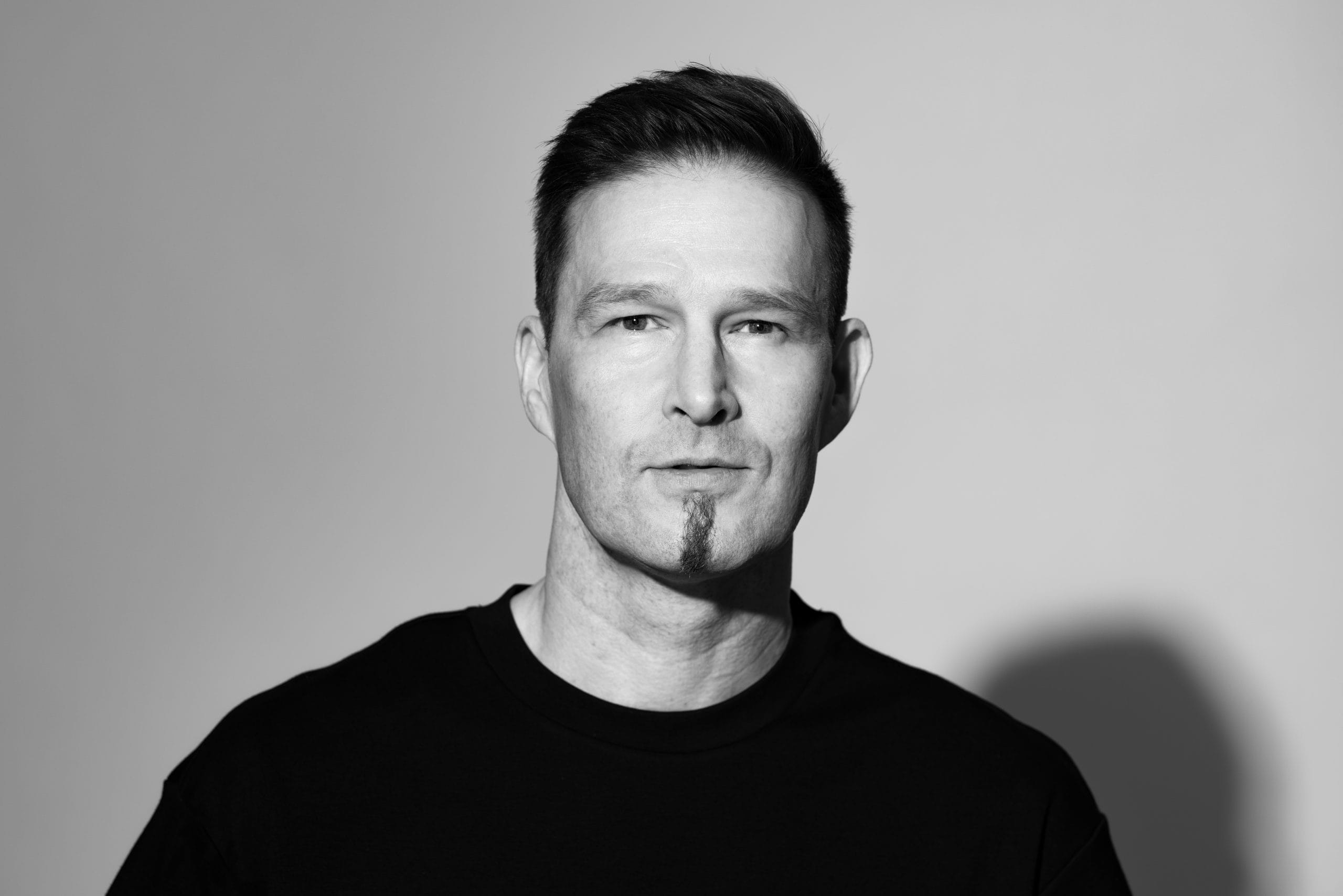
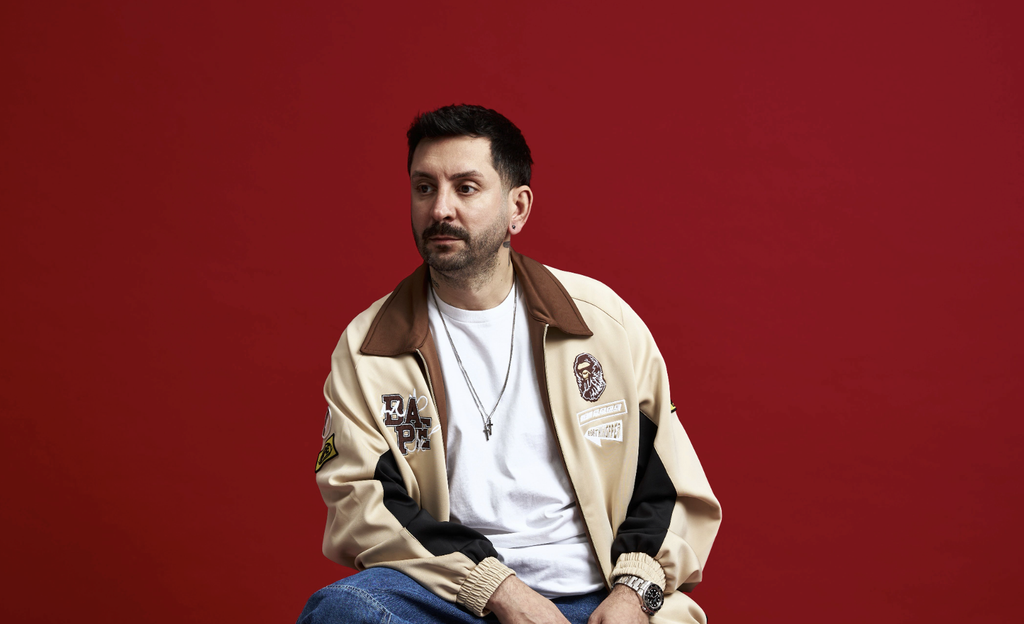
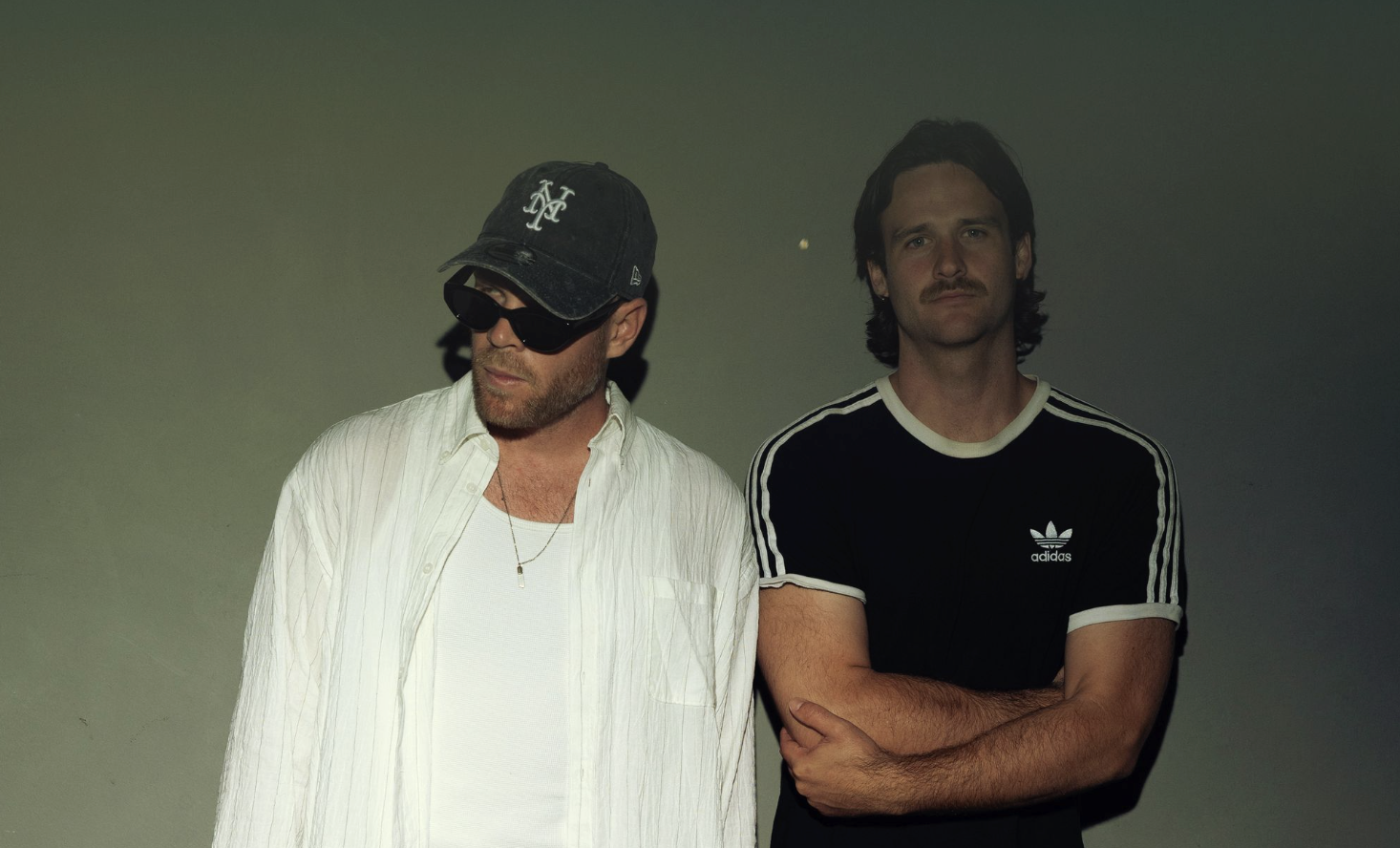
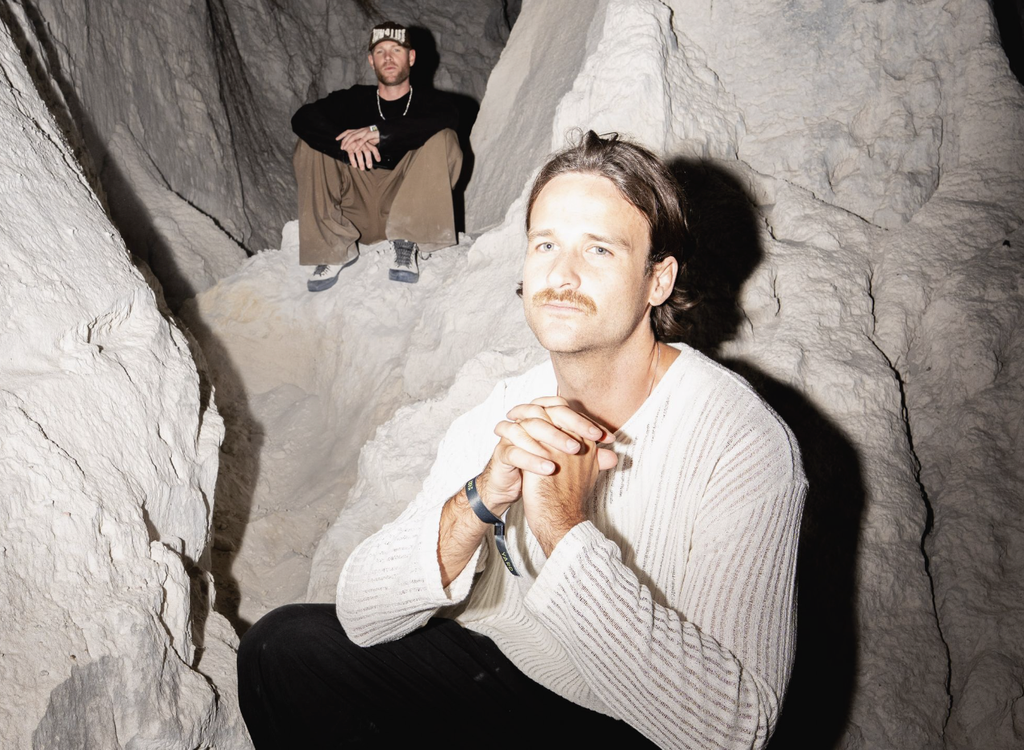
It’s a subject that comes up throughout my conversation with Two Another (@twoanother), the production and live duo who have spent the last decade developing a catalog that draws from alternative R&B, soul, and house. Their latest release is a remix of “Elation” from Copenhagen producer Nandu, out October 23 on Another Label. The original captures the excitement of falling in love, blending live instrumentation, a sampled groove, and the duo’s vocal songwriting with club-ready production.
Nandu, whose previous releases include music on Innervisions and Human By Default, approaches the material from a club-focused direction, retaining the vocals while introducing new synthesizer parts and rhythmic elements.
What interested me about Two Another’s answers was how little they seem to associate having an identifiable sound with staying in one particular genre. They talk about discovering their musical preferences by imitating artists like Pharrell, D’Angelo, and Daft Punk; the small production decisions that connect otherwise different records; and the importance of explaining your creative direction to people who haven’t spent the last year listening to the same music you have.
There’s also a particularly worthwhile point about knowing when you’re genuinely interested in a new direction and when you’re responding to something that happens to be successful for another artist. I think that distinction matters for anyone trying to develop a recognizable project without feeling obligated to make the same record repeatedly.
Interview With Two Another
From the outside, what makes an artist’s taste easy to recognize?
We think it’s often something you feel before you can explain it. The artists we’ve always looked up to draw on familiar sounds from different eras and genres, but you can still hear their own personality in what they make.
When we first started making music, we were drawing on a lot of influences, everything from Pharrell and D’Angelo to Daft Punk, Groove Armada and Basement Jaxx. We used to joke that, by trying and kinda failing to sound exactly like the artists we loved, we ended up finding a sound of our own.
We also became part of a scene of artists doing similar things. The people and music around you play a big part in developing your taste and figuring out where to take it.
How can a catalog feel connected without repeating the same move every time?
We’ve never really felt that our identity comes from sticking to one genre. There are certain rhythms, melodies and vocal choices we always seem to come back to, even when the production around them changes quite a lot.
Our tastes change, and we’re always learning as writers and producers, so we want the records to reflect that. We’d probably get bored if we felt we had to keep making the same thing.
Collaborators have been a big part of that too. That’s why we’re currently working with a lot of people in the dance space who bring their own experience and help give some context to this world we’re stepping further into. It’s exciting to see what they bring to what we already do.

Where does consistency need to show up for listeners, labels, managers, and bookers to understand an artist?
Probably in how everything fits together. The music, visuals, live shows and the way you communicate should feel connected, even if they change from one record to the next.
Listeners are often pretty good at picking up on that without needing it explained. For labels, managers and bookers, it helps if you can communicate what you’re trying to build and what the next stage looks like.
That’s something we’ve had to think about more as our sound and live show have changed. It can be clear in your own head, but you still have to find a way to get it across to other people.
How do artists avoid blurring their identity by chasing too many lanes?
It helps to ask yourself why you want to explore a new direction. Is it something you’re actually excited by, or are you just seeing it work for someone else?
There’s nothing wrong with having a lot of influences, but you need to give yourself time to do something with them and make them your own. For us, there are usually parts of what we already do that carry through, even when we’re trying something quite different.
You also can’t assume your audience has been on the same journey as you. You might have spent a year listening to different music and experimenting, while they’re only hearing the result for the first time. Giving them some context can help.

Why does a clear point of view support a longer career?
We’re still figuring this out ourselves. Your tastes and perspective change as you get older and have new experiences, so having a clear point of view doesn’t mean having everything decided forever.
But with the artists we’ve followed for years, there’s usually something about their personality or the way they see things that we connect with beyond individual songs. That’s what makes us curious about whatever they do next.
Hopefully that gives you room to take a few risks too. Every release doesn’t have to please everyone if people feel connected to you and want to see where you go.
About Two Another’s Elation Nandu Remix
Released October 23, 2026, on Another Label, Nandu’s remix of “Elation” continues Two Another’s interest in bringing their songwriting into club-focused electronic music. The original incorporates live instrumentation and a sampled groove, with the duo describing the track as occupying a space between a conventional song and a club record. Their intention with the remix was to explore the latter direction while retaining the warmth and emotional character of the original composition.
Nandu’s interpretation retains the vocal performance and introduces synthesizer melodies alongside a broken rhythmic pattern. According to the release announcement, the arrangement subsequently develops into a more regular club rhythm. The remix also reflects Two Another’s interest in collaborating with producers from the dance music community as they continue developing that side of their catalog.
Final Thoughts From The Editor
The part of this interview that I keep coming back to is Two Another’s explanation of how they discovered their own sound by trying, and occasionally failing, to imitate the artists they admired. I think there’s a lot of truth in that, particularly for producers who are still figuring out what they want their music to sound like. You can spend years studying arrangements, recreating synthesizer patches, and analyzing why certain records work, but your own preferences inevitably influence how you interpret what you’re learning.
What you get wrong, what you decide to change, and what production choices you keep returning to can reveal a lot about the music you actually want to make.
I’ve seen this come up in interviews with artists at very different points in their careers, and I think the most interesting examples tend to involve producers realizing that their identity was already apparent before they had consciously defined it. In our interview with mono sky about finding a personal sound, they talked about making music outside a specific genre and having other people recognize their style even when the finished result felt completely different to them.
There’s a connection to what Two Another are describing here, particularly when they mention the rhythms, melodies, and vocal decisions that keep appearing across their catalog. Those recurring preferences are easier to identify when you have enough finished music to compare, which is one reason I think producers can become too concerned with defining their artistic identity before they’ve spent enough time actually making records.
There is a business consideration here as well, and I think Two Another are right to distinguish between how listeners understand an artist and how labels, managers, and bookers understand one.
An audience can develop an attachment to your music without being able to explain exactly why they recognize it, but the people responsible for presenting and promoting your work often need a more specific idea of what you’re trying to accomplish. Having a recognizable artist project helps them understand what you’re offering, although that can create its own difficulties when you decide to change direction. It’s something I discussed in my interview with Nick Niclassen about developing an artist identity, where he talked about feeling pressure to make music with mainstream appeal before deciding to concentrate on records that reflected his personal interests.
There is certainly a commercial argument for giving audiences something they recognize, but I don’t think that automatically means an artist should continue making music they’ve lost interest in.
And I think that’s the biggest thing producers can take from this conversation. Having an identifiable artistic point of view doesn’t mean choosing a set of production techniques and committing to them indefinitely, and it certainly doesn’t mean every new interest needs to become part of your next release. Two Another’s answers suggest that the consistency comes from knowing what you respond to musically, recognizing which elements feel personal to you, and allowing those preferences to develop as your experience changes.
For me, that’s a much healthier way to think about building a catalog, because it gives you something recognizable to develop without assuming that the music you want to make five years from now should sound exactly like the music you’re making today.

Will Vance is a professional music producer who has been involved in the industry for the better part of a decade and has been the managing editor at Magnetic Magazine since mid-2022. In that time period, he has published thousands of articles on music production, industry think pieces and educational articles about the music industry. Over the last decade as a professional music producer, Will Vance has also ran multiple successful and highly respected record labels in the industry, including Where The Heart Is Records as well as having launched a new label with a focus on community through Magnetic Magazine. When not running these labels or producing his own music, Vance is likely writing for other top industry sites like Waves or the Hyperbits Masterclass or working on his upcoming book on mindfulness in music production. On the rare chance he's not thinking about music production, he's probably running a game of Dungeons and Dragons with his friends which he has been the dungeon master for for many years.