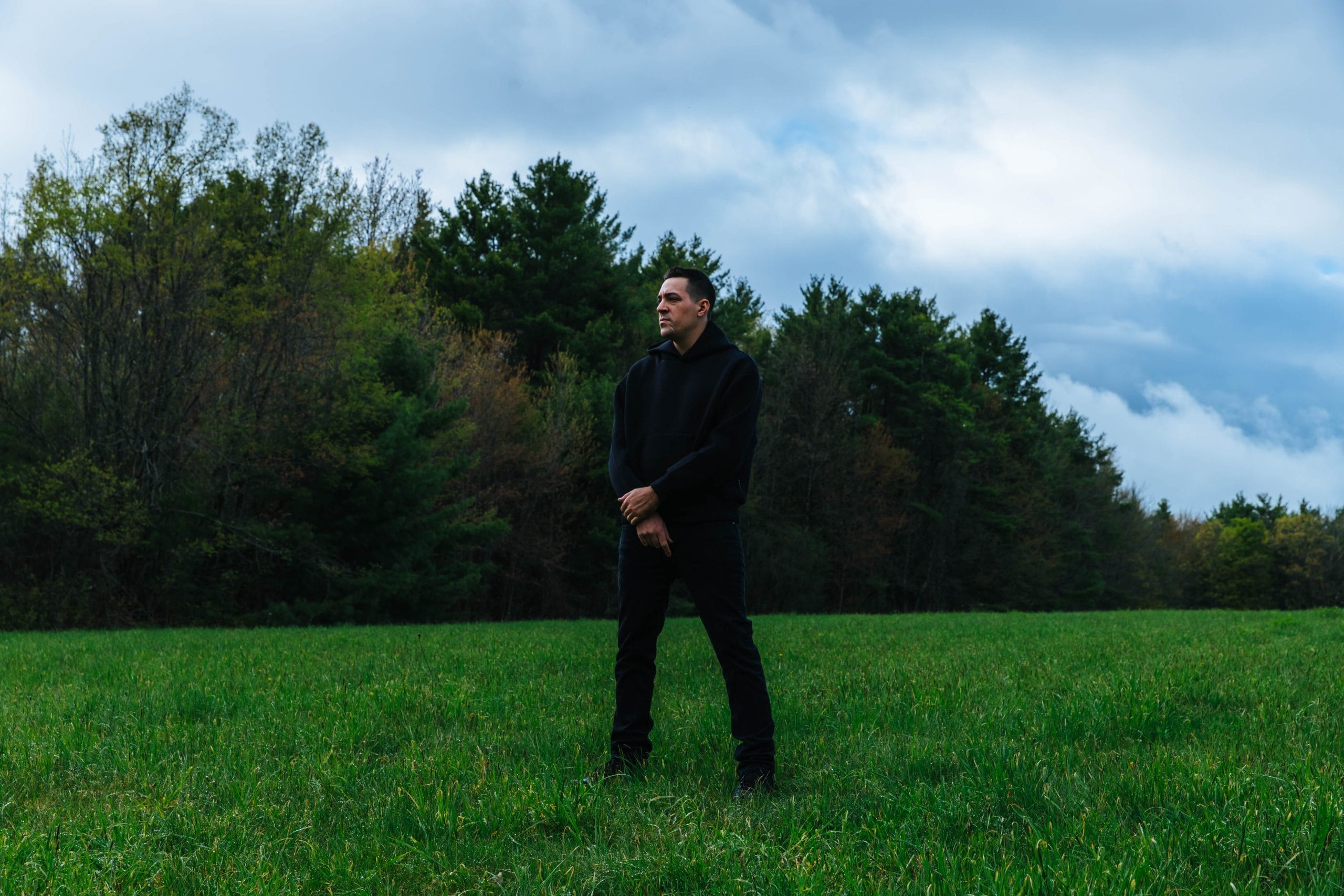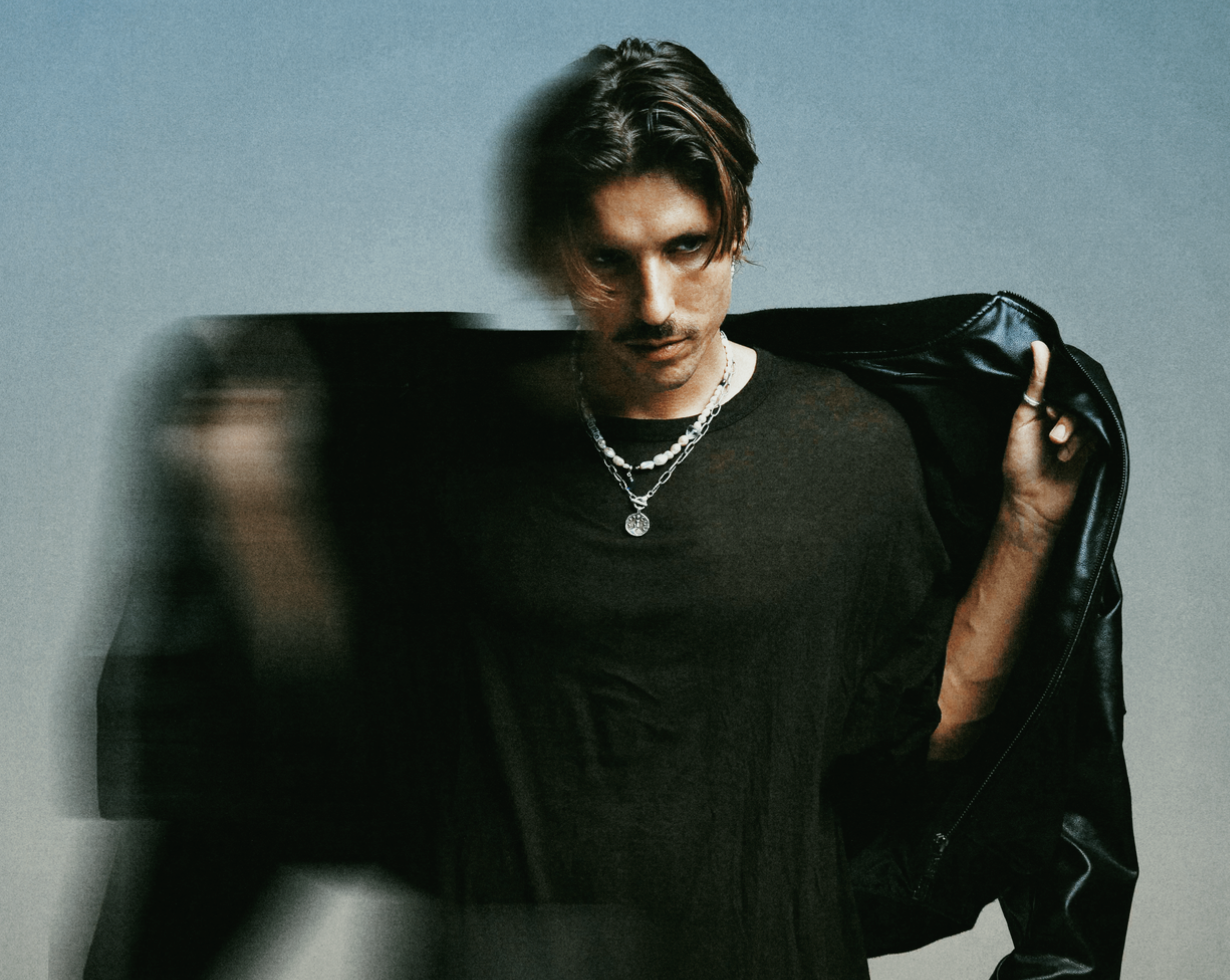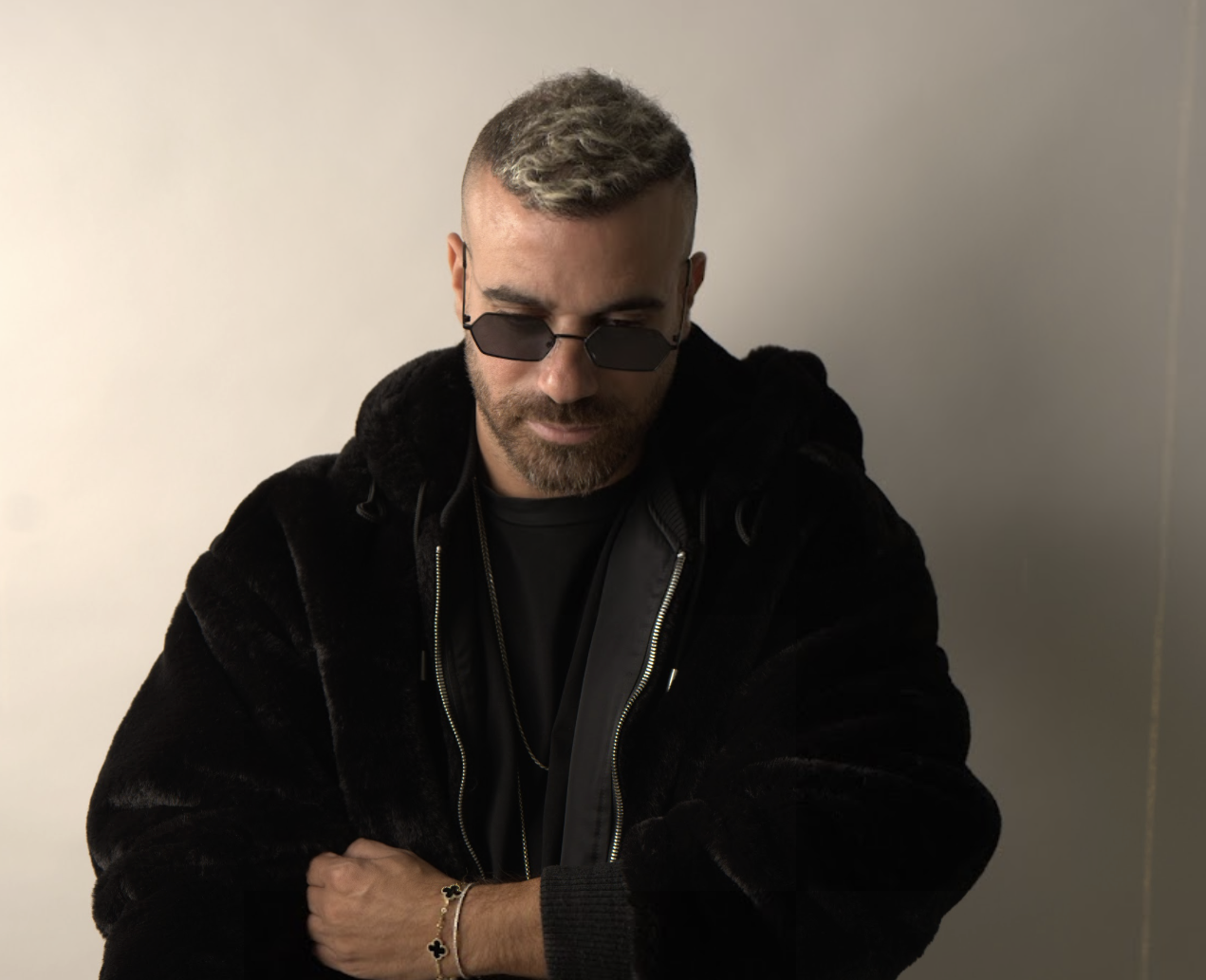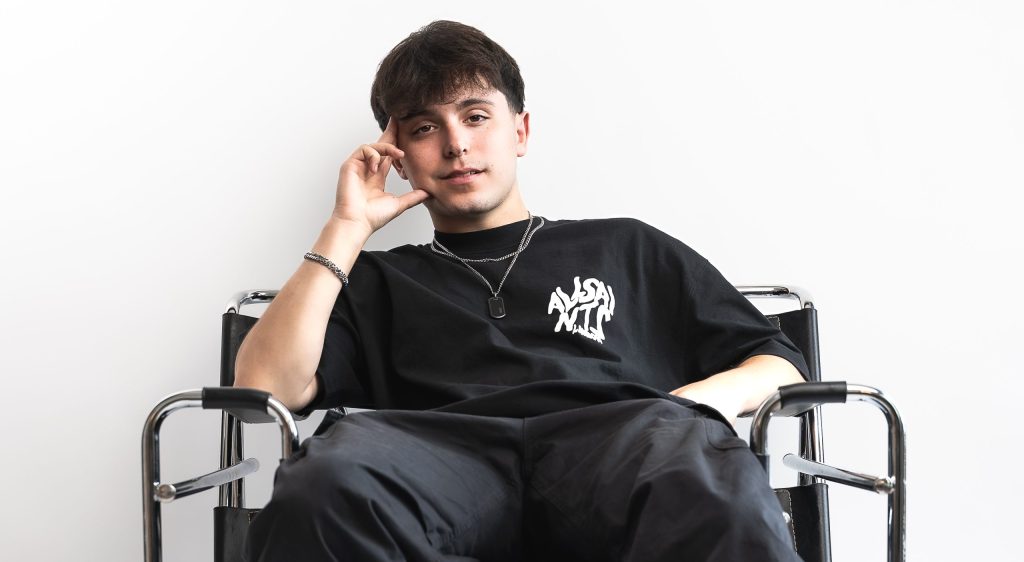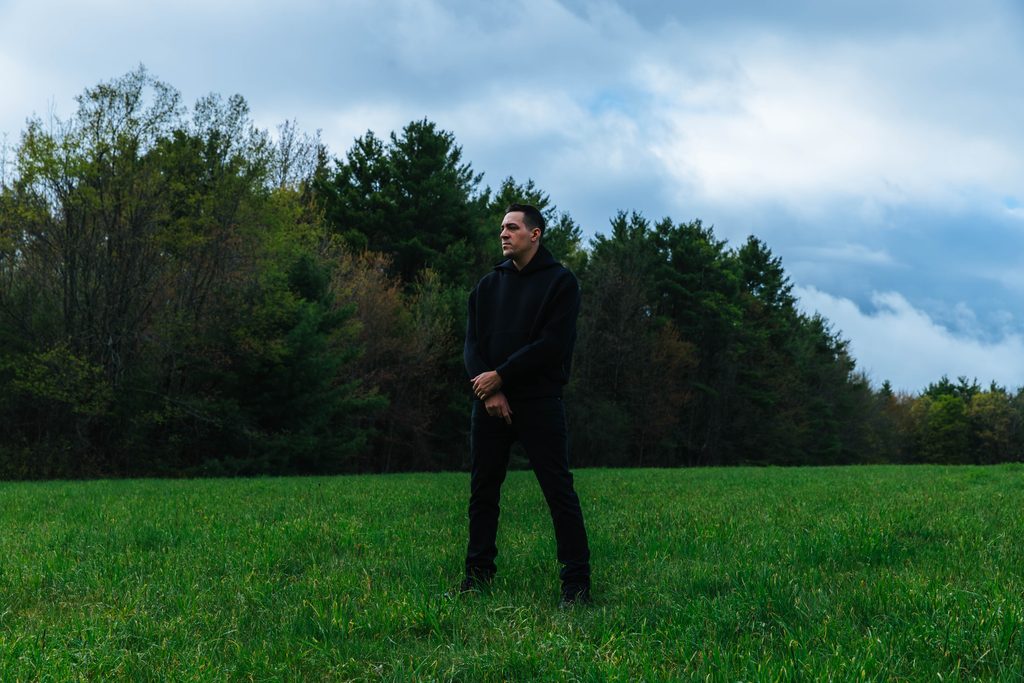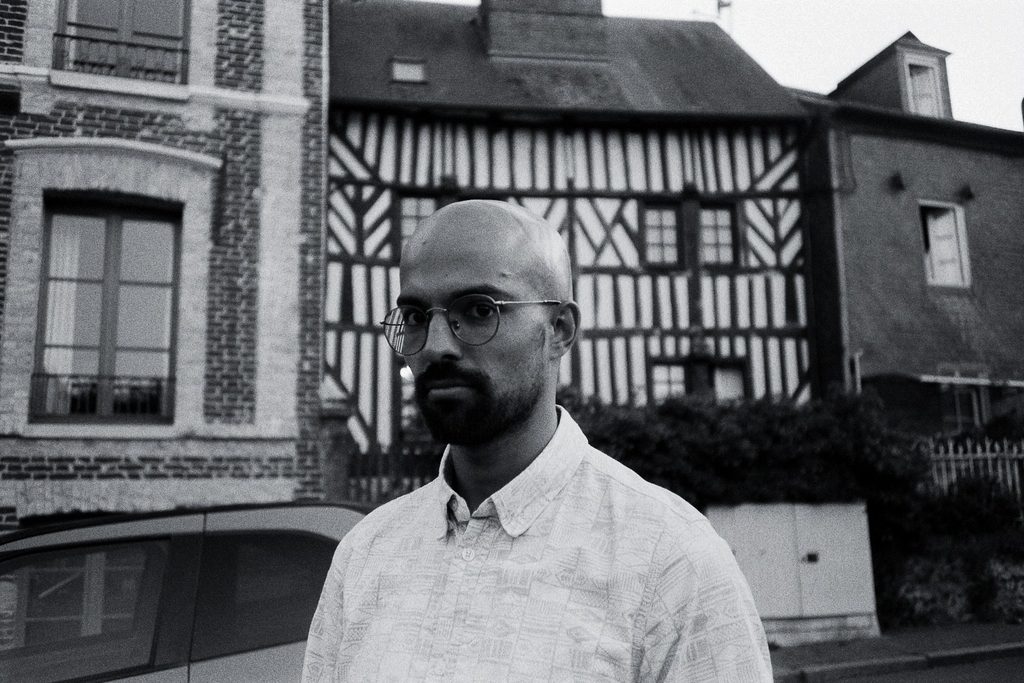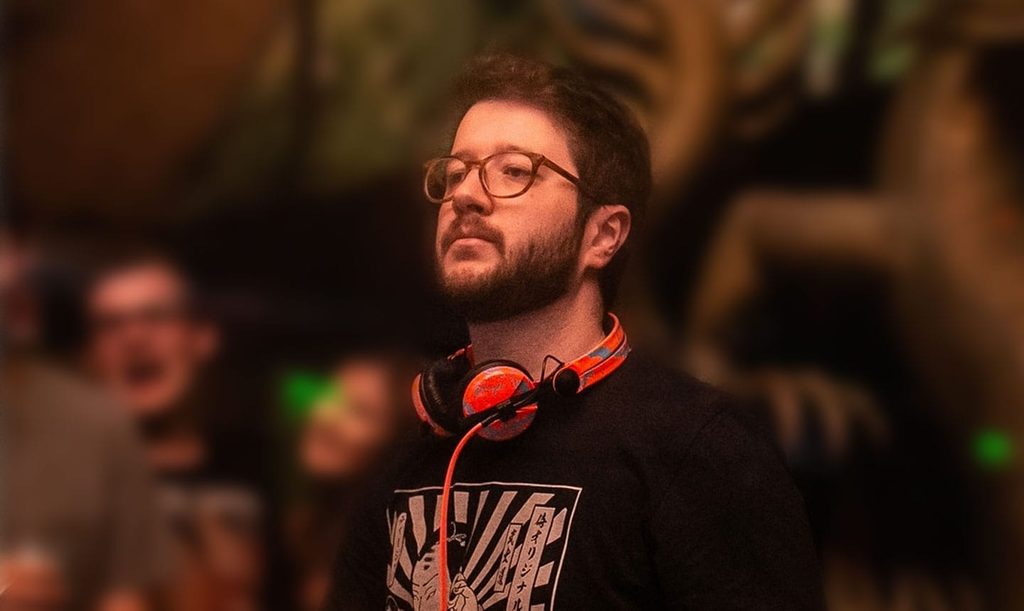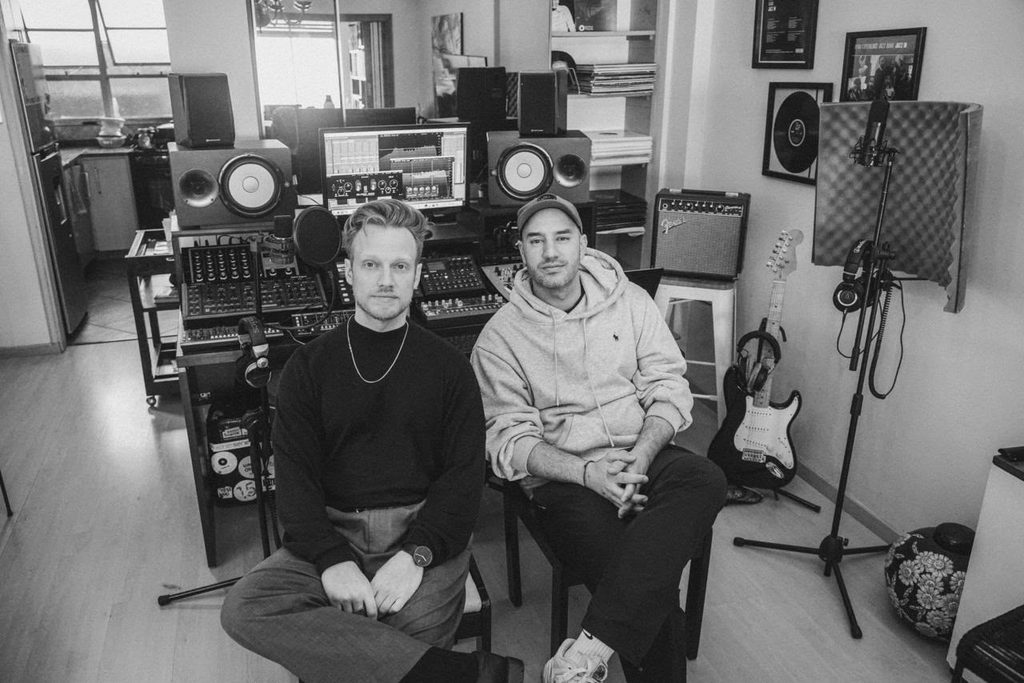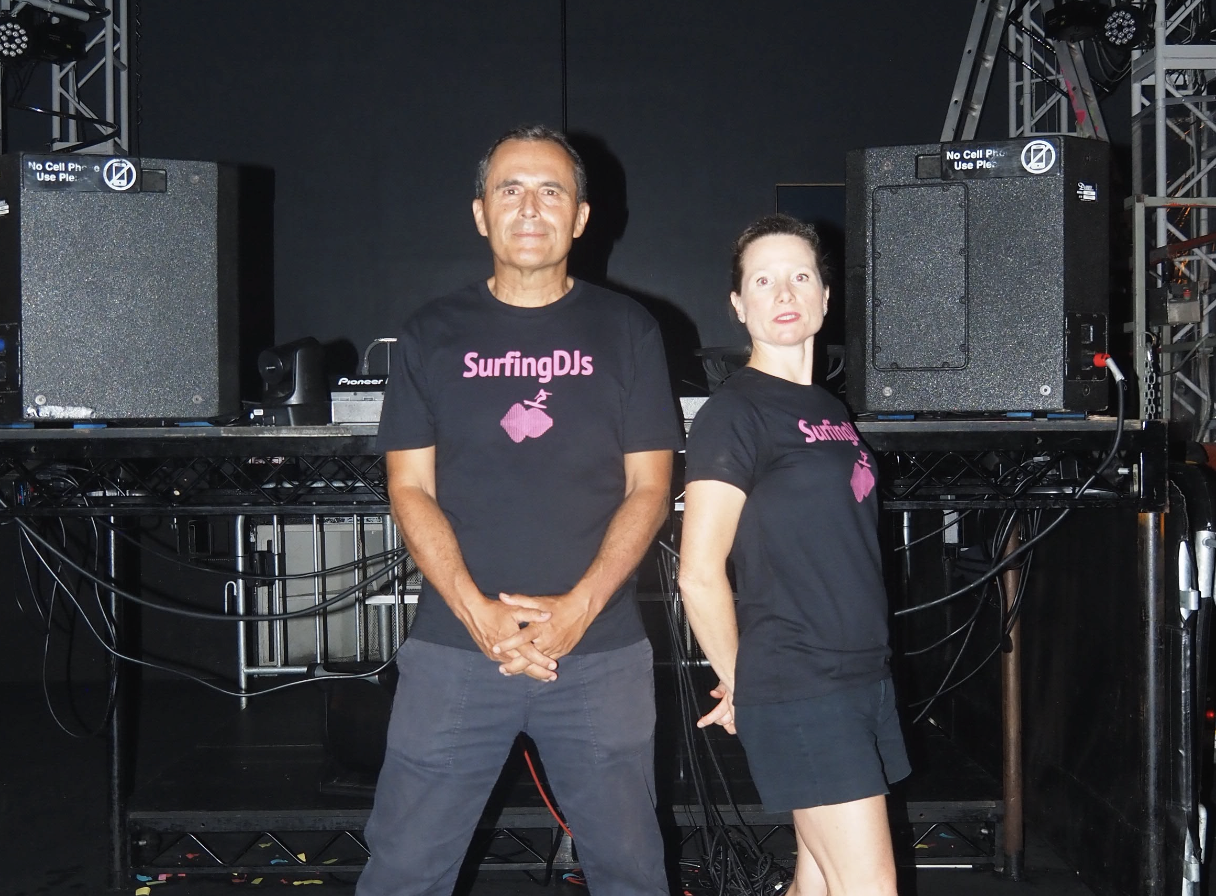
SurfingDJs (@surfingdjs) approach DJing with a simple premise: the room has conditions, and the DJ has to read them. That idea comes partly from the booth, partly from the dancefloor, and partly from surfing itself. For JF and Hannah, the connection between surfing and electronic music is not only a name or visual identity.
It is a way of thinking about timing, patience, adaptation, and the trance-like state that can appear when rhythm starts to take over.
Their recent track, “Penthouse,” along with their 2026 rework of their 2024 hit “Higher”give that idea a club-facing shape, built around drums, groove, and the kind of melodic/progressive pressure that can carry emotional weight without losing the floor. Their wider sound pulls from more than one obvious lane too. New Wave remains a serious influence, especially in the use of simple synth melodies and arpeggios, while progressive rock, Genesis from the Peter Gabriel era, Depeche Mode, and more recent guitar-led touchpoints all sit somewhere in the background.
The interview below focuses on DJ culture, but the answers keep reaching beyond track selection. SurfingDJs talk about building trust in a room, reacting when something unexpected happens, balancing patience with a push, and why professionalism matters as much as musical taste.
Their position is grounded in a wider belief about the scene: DJs do not grow alone, and the culture gets weaker when people forget they are part of an ecosystem.
Interview With SurfingDJs
Beyond track selection, how do you see your role in guiding the energy of a room?
For us, the role of a DJ is to take people on a journey. Some of that journey can be familiar, because recognition creates an immediate connection. But we also want to introduce people to music they don’t know—including our own. The challenge is creating enough trust in the room that people are willing to follow you somewhere unfamiliar.
And a lot of music, of our music, is built around tension and release. When we’re DJing, we’re interested in taking people through different emotional states. It’s not just about making the energy go up. Sometimes you want intensity, sometimes anticipation, sometimes release.
Moreover, the themes of the tracks are more than just titles – they convey thoughts that are not necessarily original but shared by all of us: mortality (“The Future,” “Rage Rage”), passion (“Rediscover”), uncertainty (“Precipice,” “Berlin/Kyiv,” “Shipwrecked”), love. Romantic love, but also parental love, as in “Children” — which may or may not have been influenced by Robert Miles; in fact, we wonder if the same cause, children, has not had the same effect, similar track construction. We’re trying to guide people through emotions rather than simply through BPMs.
When something unexpected happens, how do you keep the dance floor grounded without losing the atmosphere you have created?
There’s a strong surfing philosophy behind what we do: you can’t fight the wave. You adapt. If something unexpected happens in the room, we try to absorb it and adjust rather than forcing things back to where we thought they were going. Concretely, it can boil down to exiting early a track that doesn’t resonate with the audience, and shifting to another style that we feel is better welcome. Our tracks range from more pop, like “Higher,” to more techno, like “Let’s Go.”
To prepare for the unexpected, we also try to play at as many venues as possible, in as many different contexts as possible. We have to be prepared for all sorts of technical issues and stay calm and on course.
What tells you a room feels slightly off, and how do you respond before the energy changes?
You can feel a room losing its connection before you can necessarily see it. People become less engaged, the movement becomes fragmented, and the collective anticipation disappears. It’s similar to surfing — you start noticing subtle changes in the conditions before they become obvious. DJing requires that same judgment. Your instinct might say “push harder,” but sometimes the wiser decision is to pull back and let the room reconnect. Actually, we address this point almost explicitly in “Rediscover”: “Every drop is a chance to rediscover.”
How much does great DJing depend on awareness and intuition compared with technical ability or the music on your USB? Do you see parallels with your surfing background?
To us, great DJing only means delivering great emotions. Whether that emotion comes from the technical skills, creating surprising live music using the USB content as raw material and the CDJ and mixer as the instrument, or mixing the recorded but thoughtful content of your USB, what matters is the end result: the emotions we create. Your USB is your board. Your technique matters, but you still have to read the ocean.
We love your use of “awareness” in the question. We feel that seeking connection with the audience is paramount — we tend to get carried away by the music when we DJ, but we still try to make eye contact with the crowd, and to smile.
The other parallel with surfing is in the emotions we feel: the trance state we can reach while dancing in a club is not dissimilar to the ecstatic state provided by riding waves. Actually, this music-vs-surfing inebriation is a state of mind we tried to recreate in most of our tracks.
How do you tell when a room needs patience versus a sharper push? Did you notice similar cues during your New Wave phase?
We hope the audience will be receptive and not expect instant gratification — which is a big ask nowadays. We have a style, a music genre — we cannot be everything to everyone — so when we are DJing, we have to do the work and be ready to adjust, to gently capture the audience’s ear, to get people to accept following us and to listen to the emotions we are trying to carry across. Sometimes our connection with the crowd takes a more patient build up, and sometimes this goes fast.
Regarding New Wave, that genre is not a phase but a strong influence and inspiration. We tend to favor simple synth melodies and arpeggios, like ’80s New Wave, and we think that might distinguish our sound in the melodic/progressive universe. We are also influenced by Progressive Rock, like Genesis of the Peter Gabriel era, or more recently bands like The Slow Readers Club.
What has your career taught you about restraint, and what advice would you give younger DJs about holding back instead of forcing a bigger reaction?
“Burn or Breathe” is really about that balance. Passion is essential — you need the fire. But wisdom tells you when to control it. In DJing, enthusiasm can make you want to push the room constantly. Restraint is knowing that you don’t have to.
But overall we would encourage younger DJs to experiment, to try new stuff. And many of them do, as we witness all the time in various “underground” venues in NYC. Musically and technically, the younger DJs are great. It’s probably more on how to be professional than on the musical side that we would offer advice to younger DJs. To us, professionalism starts with realizing we DJs are part of an ecosystem, we don’t grow alone. This implies supporting other DJs, respecting the music style of the evening, etc. This sense of collegiality towards other DJs is an important part of what we think helps build a brand and a reputation.
Mutual respect between venues and DJs seems to be weakening too, with too many DJs arriving late and too many venues double-booking events or canceling them at the last minute. It gives our entire industry a bad rep.

Magnetic byline note: This byline is used for staff produced updates and short announcements, often based on press materials and official release information. Editorial responsibility: David Ireland (Editor in Chief) and Will Vance (Managing Editor). About: https://magneticmag.com/about/ Masthead: https://magneticmag.com/masthead/ Contact: https://magneticmag.com/contact/