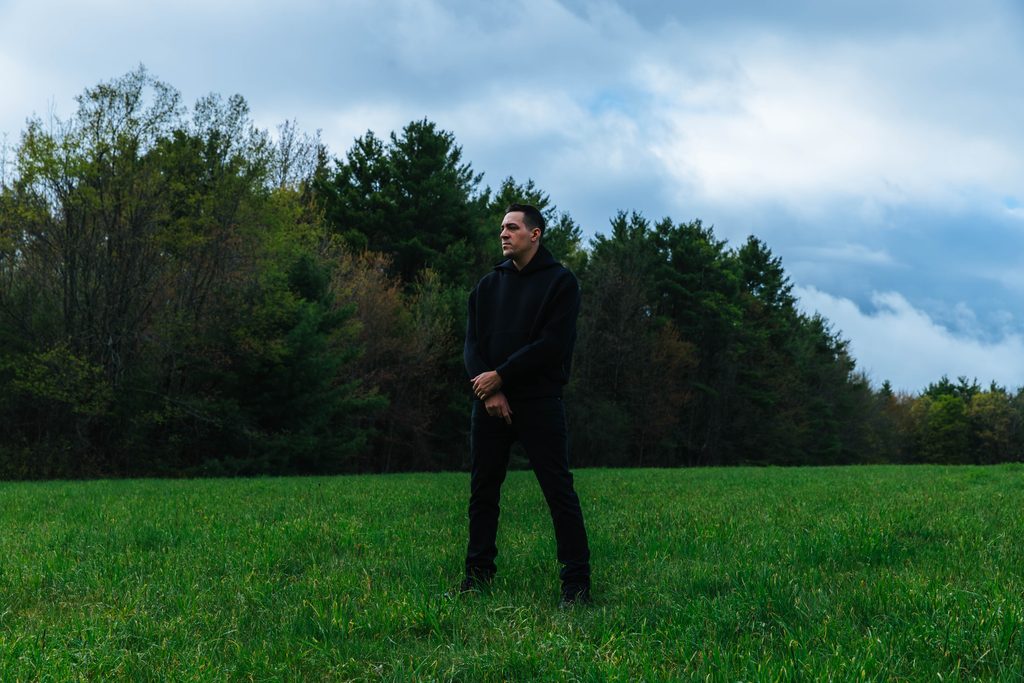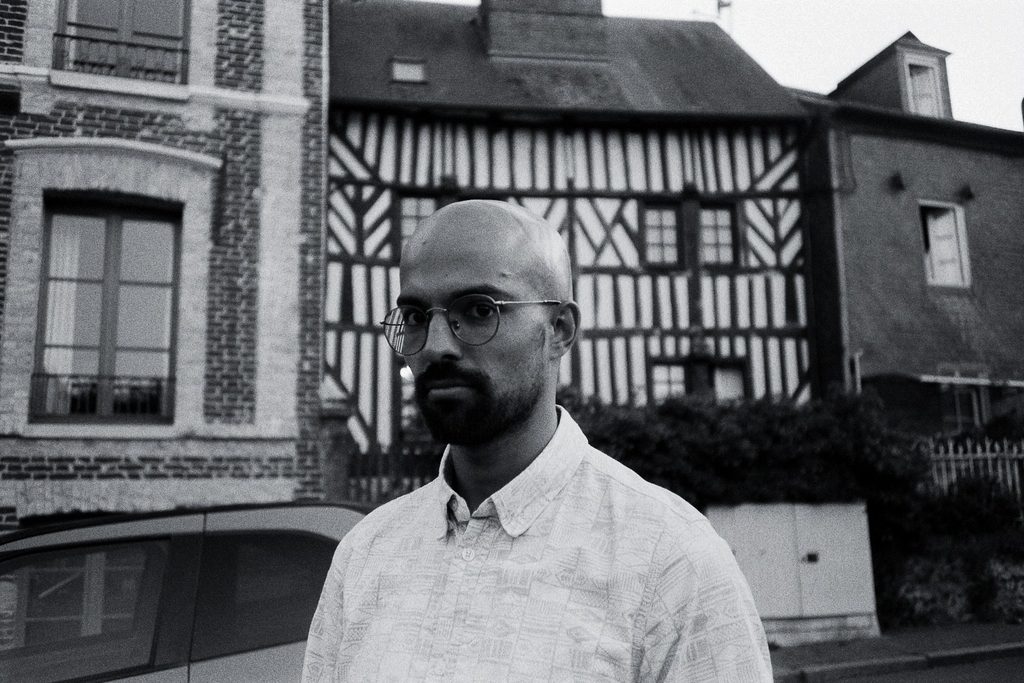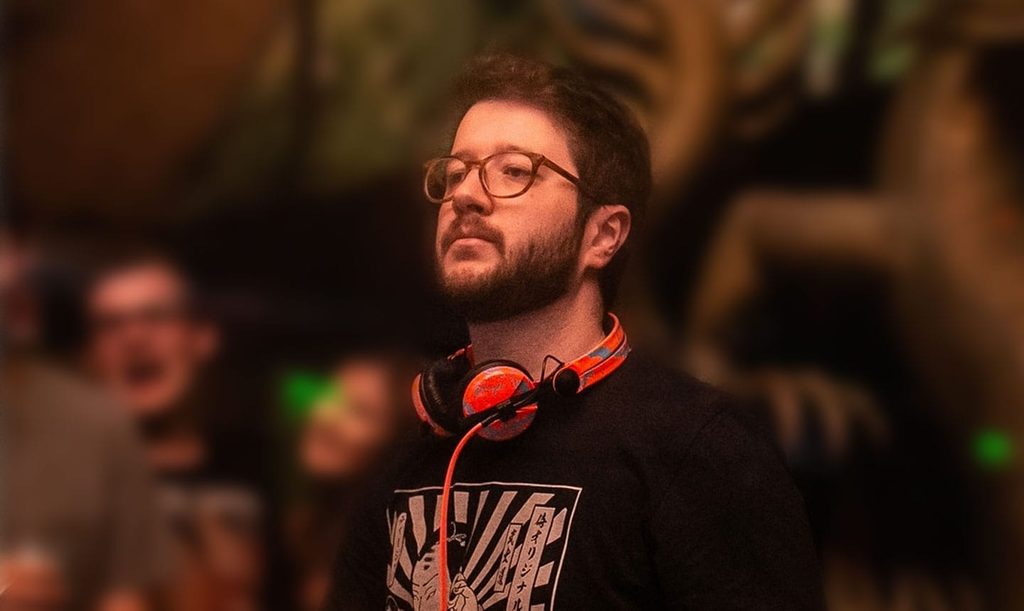
SUAHN’s new album does not treat distortion like decoration and if you’re expecting just a touch or warmth or a dash of grit, you’re going to be caught severly flat footed. So buckle up, cause this album has some teeth on it.
Because distortion feels baked into the record’s emotional language, sitting somewhere between industrial pressure, bass music, acid, jungle, and techno without needing to explain itself every few minutes. Michael York has spent years refining that voice from Baltimore, and this album feels like the point where the uglier textures, anxious pacing, and fragile details start speaking the same language.
The record began around 2020 and took nearly five years to finish. Over the last year, SUAHN worked on it every day, almost obsessively, building song skeletons, getting knocked sideways by other records and artwork, then tearing his own material apart and rebuilding it. That process matters because the album does not feel like a pile of aggressive ideas thrown together. It feels labored over, questioned, broken down, and rebuilt until the chaos had a reason to exist.
That mindset also comes from his relationship with albums as complete works.
SUAHN has already been part of Magnetic’s orbit before, including his bass music picks for January 2023. That earlier selector ear is still easy to hear here, but this album feels more inward. It is not only about records that hit hard. It is about why someone might need to make them hit that hard in the first place.
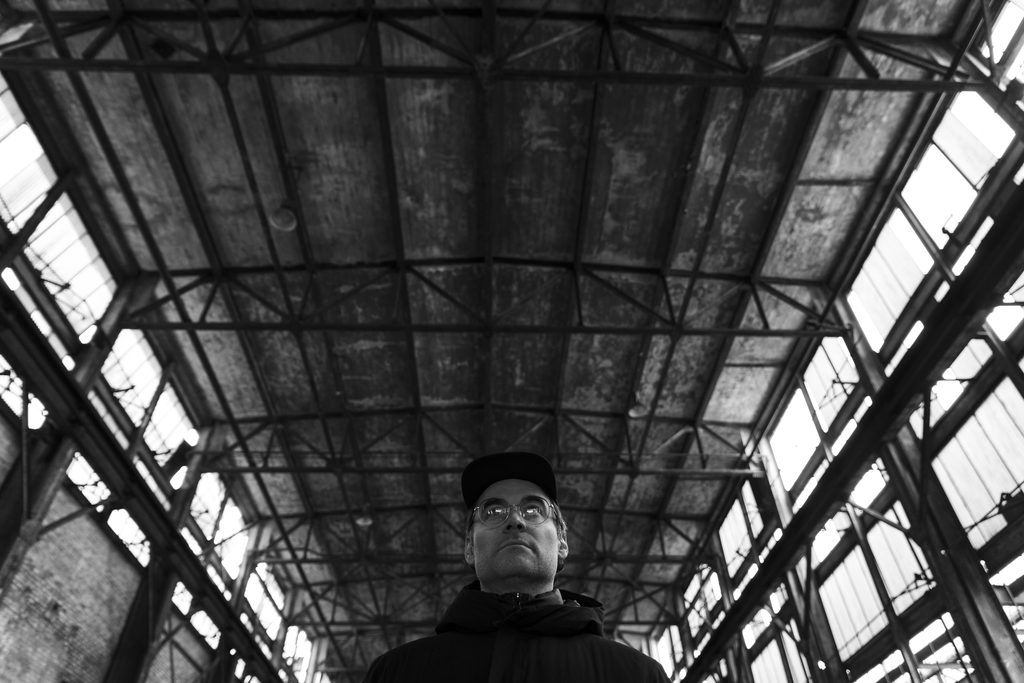
A Record Built From Injury, Anxiety, and Time
In 2023, SUAHN had a serious accident that left him unable to walk and in a wheelchair for several months.
He spent much of that time propped up in his studio, looking out the window while life kept moving outside. That experience changed the way he looked at the record. It stopped being only about writing the best tracks possible and became more tied to anxiety, aging, impermanence, and the fear of dying young.
That is heavy subject matter, but the album does not turn it into melodrama which is a tough line to toe, no doubt.
It translates those feelings into pressure, pacing, texture, and contrast. The record moves through chaos, anxiety, frantic motion, calmer states, and darker sections that feel brooding or suffocating. It does not resolve those feelings neatly. It lets them ebb into each other the way they often do in real life.
That is why the most distorted moments feel earned.
The album’s harshness is not only about intensity. It feels connected to panic, injury, recovery, time, and the strange way fear can sharpen your attention to everything around you. There are beautiful passages here, but they do not soften the record into something easy. They make the heavier moments feel more human.
SUAHN’s reference point of Bon Iver’s 22, A Million is helpful here, less because the albums sound alike and more because of the shared feeling of damage becoming part of the emotional surface. He describes loving the way that record can feel like a tape found in a ditch, warped by weather but still deeply human. That metaphor fits his own album well. The music feels scraped, bent, bruised, and still moving.
Analog Gear, Granular Synthesis, and Preserved Machines
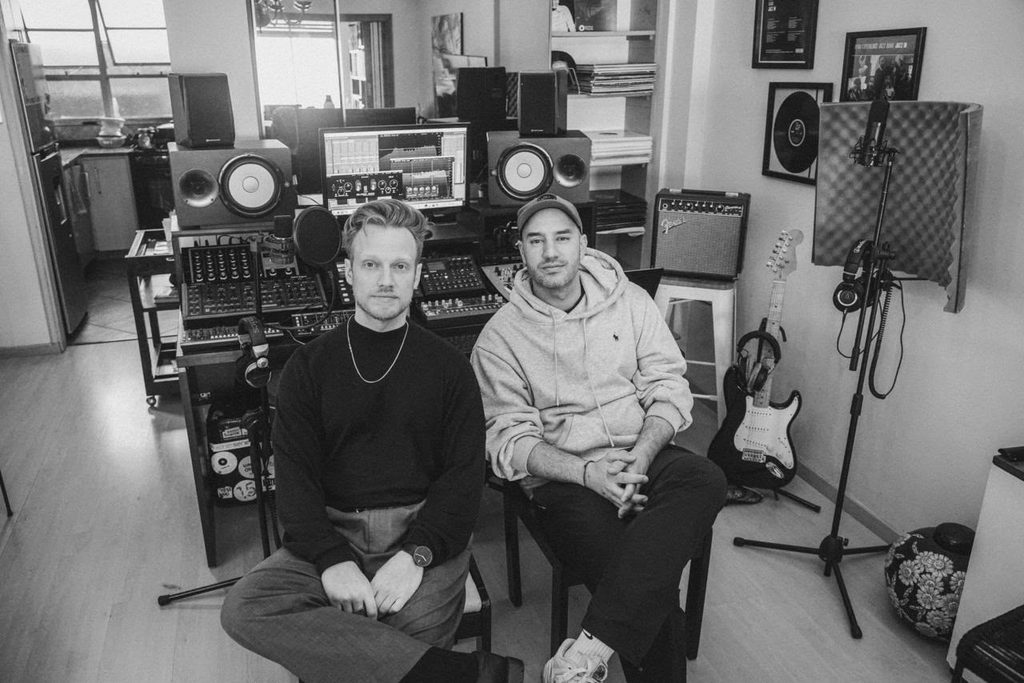
The album draws heavily on analog gear, granular synthesis, and synth emulations from The Usual Suspects’ chip preservation projects. The Usual Suspects digitally preserve classic instruments like the Virus TI and Virus A/B/C, and those emulations played a major role in the album’s sound. SUAHN leans into those tools because they bring a specific tension: the precision of digital production with the character of machines that feel slightly alive.
That human quality is a major part of the record.
For a producer working near jungle, techno, and bass-driven music, that collision is valuable. Jungle especially has always thrived on source material being bent into something more urgent than its origin point. I wrote about that kind of thinking in my piece on music production tips for making jungle, and SUAHN’s album speaks to a similar instinct. The source does not need to stay clean. It needs to become expressive.
The album was mastered by Bob Macc at Subvert Central Mastering in the UK, someone SUAHN considers one of the best mastering engineers working in electronic music. That final stage is important because this record has a lot to manage: distortion, low-end pressure, fragile organic detail, granular decay, and moments that need to feel like they are falling apart without actually collapsing.
That balance is hard to get right. Saturation and distortion can easily become lazy shorthand for aggression, but they can also create texture, depth, and emotional force when used with intent. For producers interested in that side of sound design, my article on free saturation and distortion plugins connects to the same broader production question: when does damage become tone?
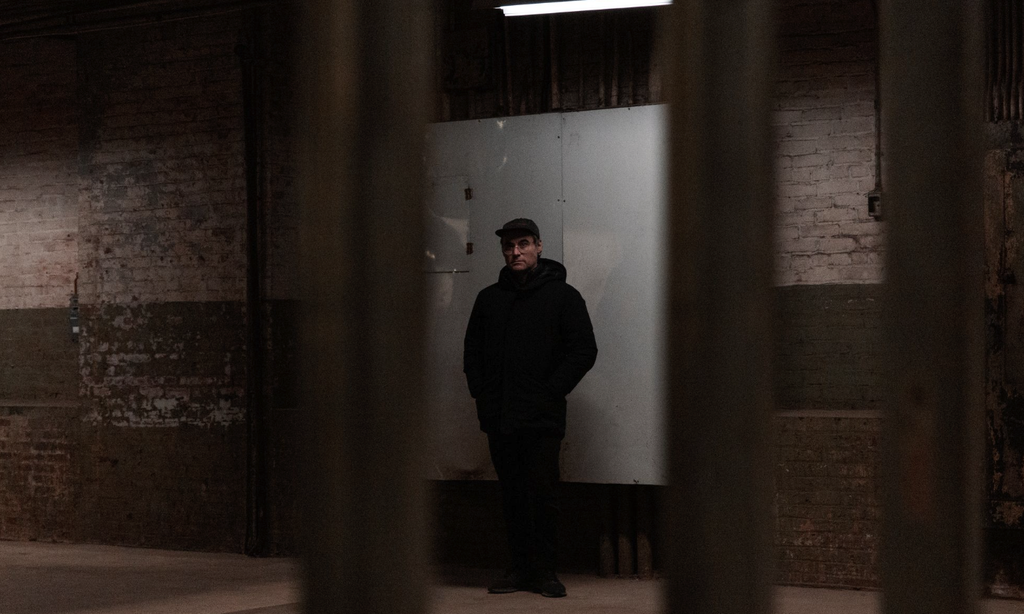
The Album Refuses to Sit Still
SUAHN has been described by Dancing Astronaut as “wildly innovative,” and while that kind of quote can read like standard press language in isolation, the music backs up the harder-to-file part.
Acid, techno, jungle, bass music, industrial influence, and punk-adjacent mood all appear, but the album never feels like it is checking genre boxes. It feels like an artist using whatever language best suits the anxiety underneath the record.
That also explains why support around SUAHN has come from a wide spread of artists, including RL Grime, Boombox Cartel, Four Tet, and Ivy Lab. His music can reach bass crowds, leftfield electronic listeners, experimental heads, and DJs who want records with more grit than polish.
SUAHN’s new album is out now as of September 25. It is heavy, anxious, distorted, self-made, and deeply personal, but the best part is that none of those qualities feel separate.
The record sounds like someone trying to turn fear into motion, then letting that motion overload just enough to feel human.

Will Vance is a professional music producer who has been involved in the industry for the better part of a decade and has been the managing editor at Magnetic Magazine since mid-2022. In that time period, he has published thousands of articles on music production, industry think pieces and educational articles about the music industry. Over the last decade as a professional music producer, Will Vance has also ran multiple successful and highly respected record labels in the industry, including Where The Heart Is Records as well as having launched a new label with a focus on community through Magnetic Magazine. When not running these labels or producing his own music, Vance is likely writing for other top industry sites like Waves or the Hyperbits Masterclass or working on his upcoming book on mindfulness in music production. On the rare chance he's not thinking about music production, he's probably running a game of Dungeons and Dragons with his friends which he has been the dungeon master for for many years.