Something funny is happening in club culture right now: the biggest moments in the room often get flattened into the smallest possible version of themselves online. A phone catches the drop, the crowd looks big enough, the lights do their job, and the clip moves around for a day or two before another one replaces it.
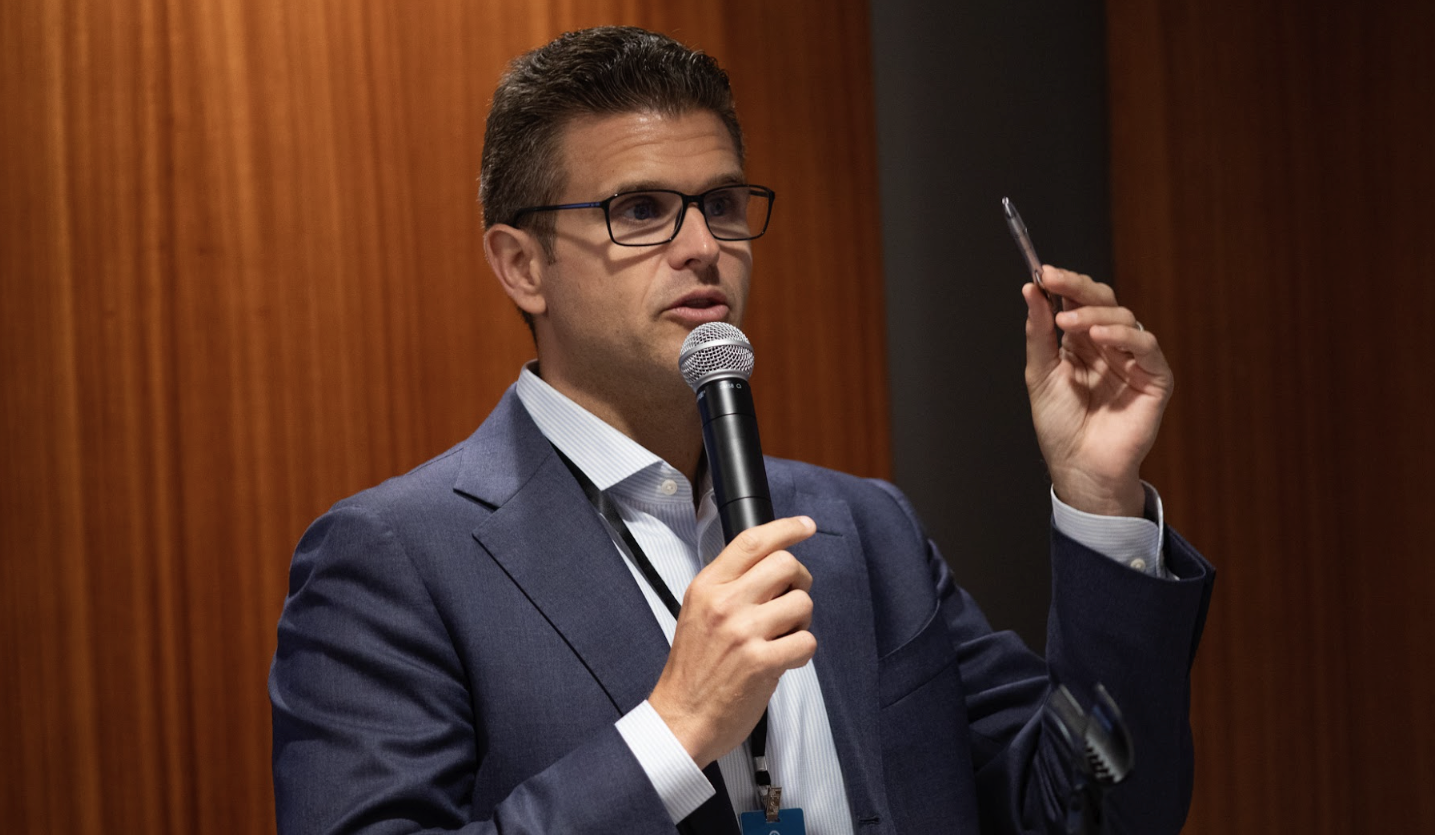
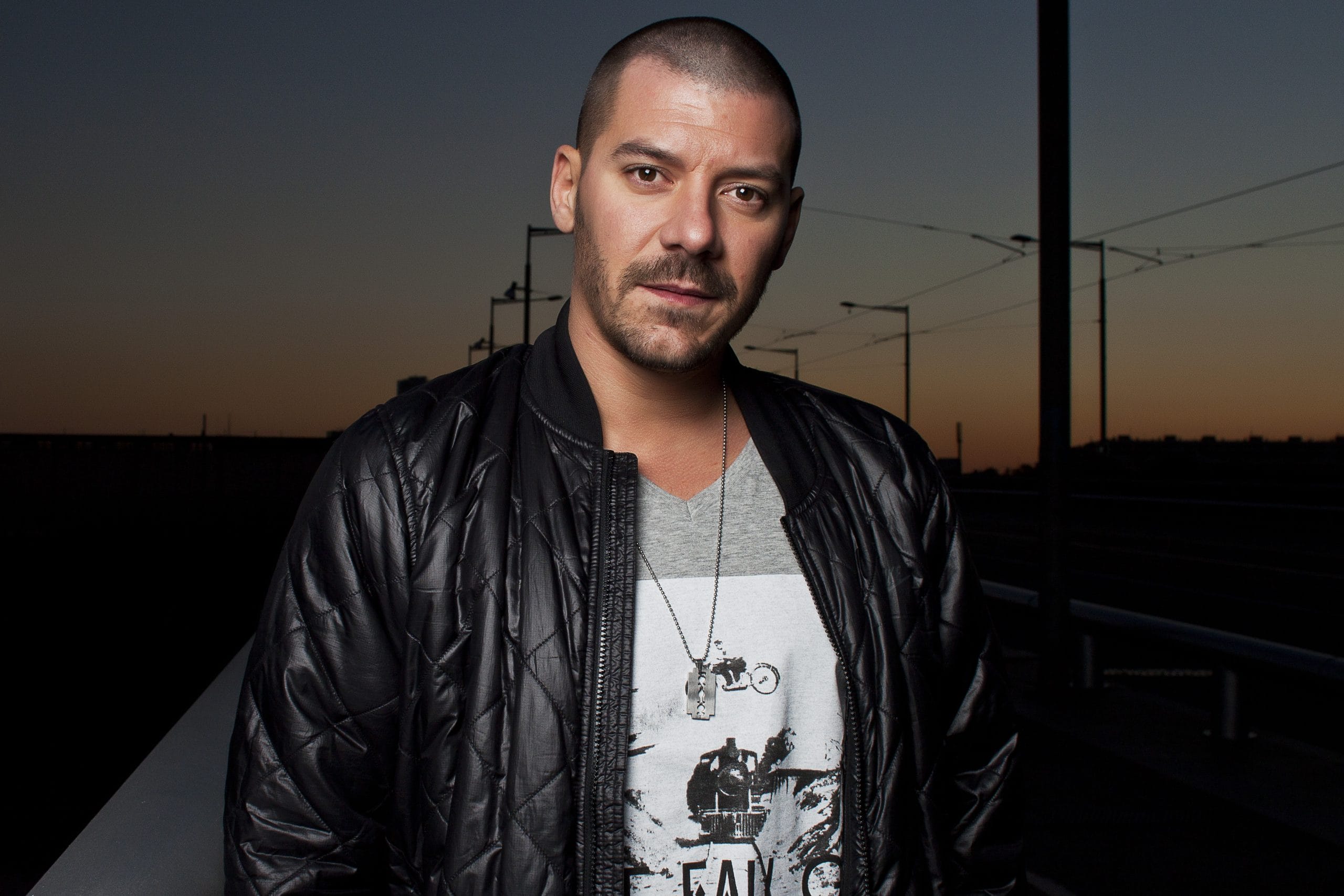
That is fine for documentation, and it is obviously part of how dance records travel now, but it misses the part Peter Brown (@djpeterbrown) keeps coming back to in this interview: the feeling of being physically in the room when the music, the crowd, the sound system, and the booth are all locked into the same emotional temperature.
That makes “Better Days” feel like a fitting record to premiere here before its official release on Brook Gee Records. The track is built as a positive, groove-forward house cut, landing September 25 with both an Extended Mix and Radio Edit, and Brown’s own explanation of it is refreshingly direct.
The world feels heavy, people need release, and house music still has this very simple ability to give a room a few minutes where optimism feels less like a slogan and more like something moving in the body.
Brown has been around long enough to know that none of this works if the sentiment is forced.
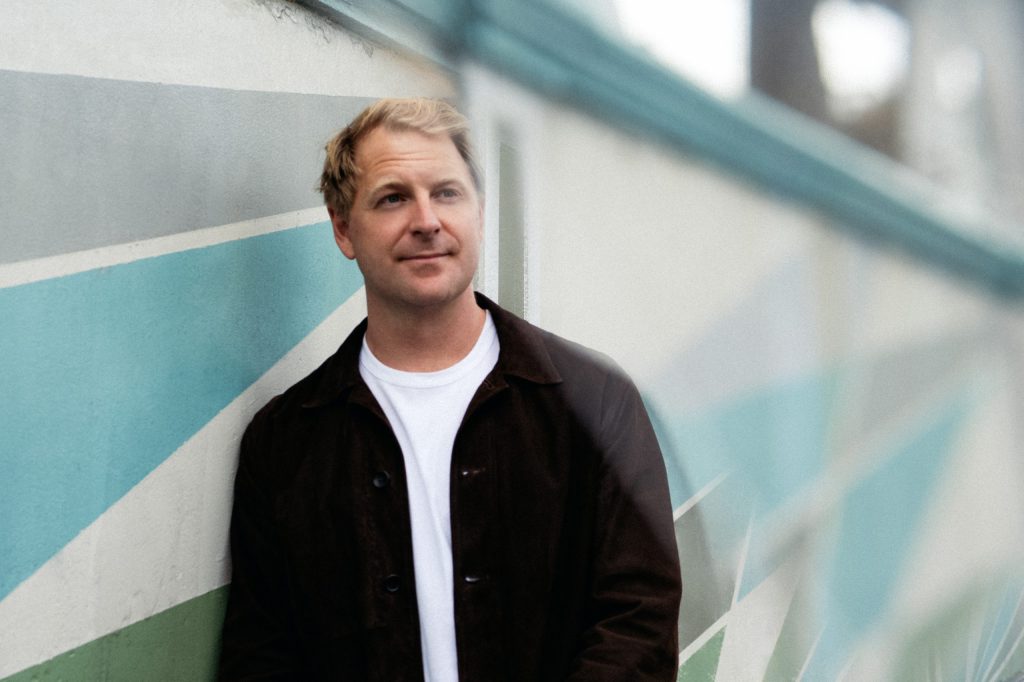
Born in France and now based in Barcelona, he has spent years building the kind of house catalog and booth experience that comes from playing rooms across countries, clubs, and eras, and the answers below are less about chasing visibility than protecting the reason people still gather in the first place. “Better Days” is not trying to reinvent the idea of uplifting house. It is trying to remind the floor that feeling good together is still one of the genre’s most durable promises.
Interview With Peter Brown

With so much of DJ culture now shared online, do you think some moments are better experienced live in the club?
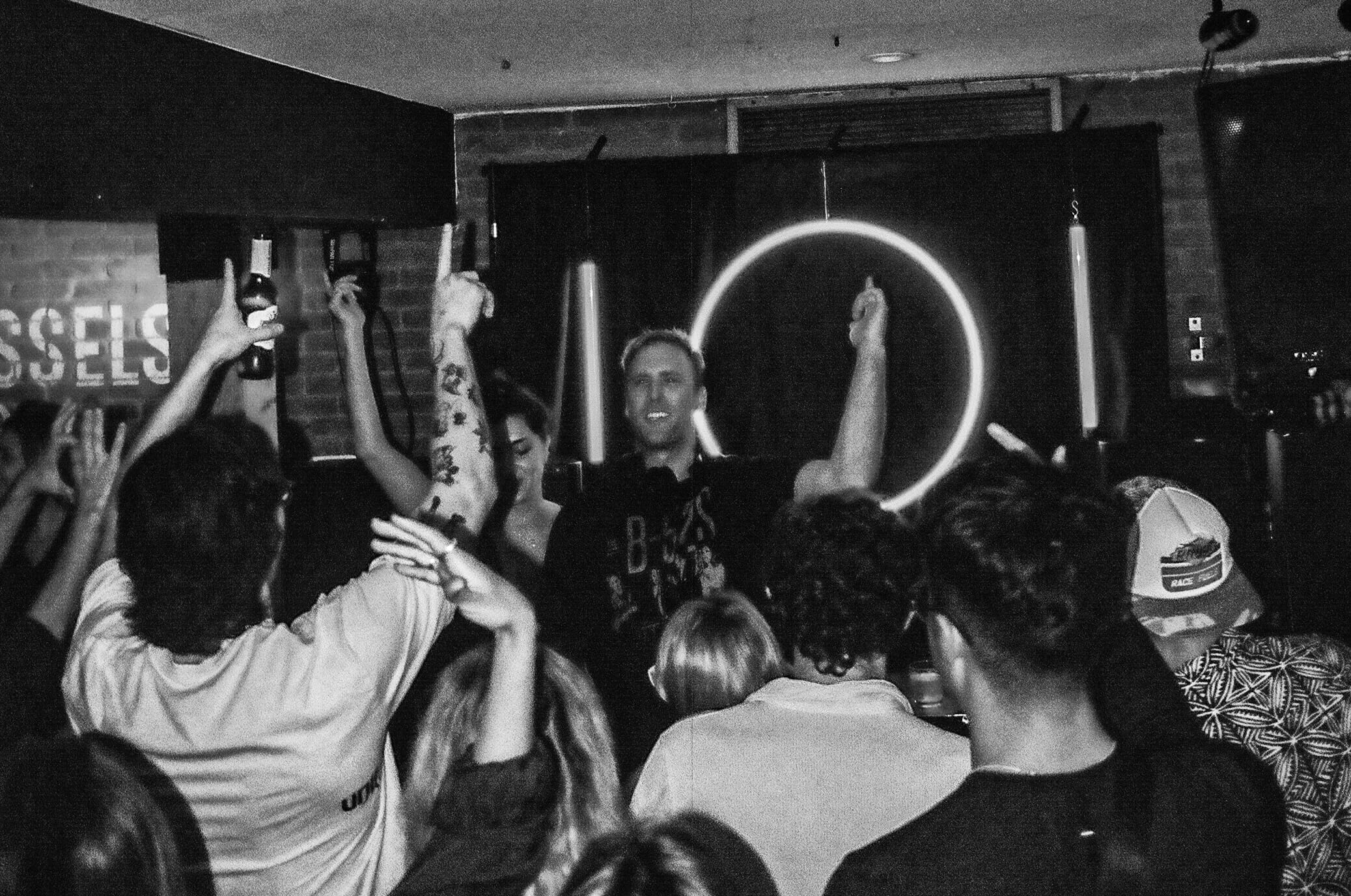
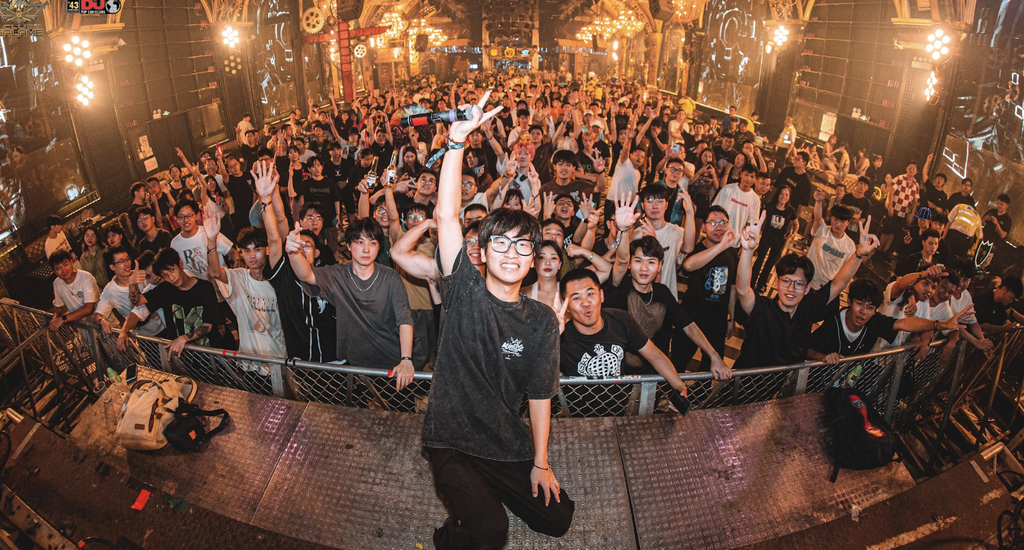
Absolutely. There’s something about experiencing music in a club that you simply can’t reproduce online. The energy of the crowd, the sound system, the atmosphere, and the connection between the DJ and the people on the dancefloor all come together in a very unique way. Some moments are really about being there and experiencing them together.
Do you think filming and creating content during a DJ set can sometimes take away from the live experience?
I think it can, if people become too focused on recording everything. Of course, social media and content are an important part of the scene today, and they help artists reach new audiences. But sometimes you have to put the phone away and just enjoy the moment. The best memories are often the ones you didn’t record.
What makes a DJ set really memorable for you — the music, the crowd, the atmosphere, or a mix of everything?
For me, it’s definitely a mix of everything. The music is obviously the foundation, but the crowd can completely change the energy of a set. When the music, the atmosphere and the people all connect, that’s when something really special happens. You can feel that connection from the booth.

Your new track “Better Days” is coming soon on Brook Gee Records. What inspired you to create the track?
The world is going through a difficult time in many ways, and I felt that music could be a way of sending a positive message. “Better Days” was inspired by the idea that, even when things aren’t going well, we should keep moving forward and believe that better days are ahead.
I wanted to create something positive and uplifting — a track that could make people feel good, forget their worries for a moment and simply enjoy the music.
What can listeners expect from “Better Days”, and how do you hope people react when they hear it on the dancefloor?
I hope “Better Days” brings a feeling of optimism and positive energy to the dancefloor. For me, music is not only about making people dance; it’s also about creating emotions and bringing people together.
If someone hears the track and, even for a few minutes, feels happier, more positive or simply forgets about their problems, then I feel I’ve achieved what I wanted with the track. I want people to feel that better days are always possible.

Closing Thoughts
The obvious angle here would be to talk about “Better Days” as an uplifting house record, and that would be true enough, but it would also stop one step too early.
The more interesting part is how Brown ties the track to the live setting, because the song’s optimism is not abstract in the way a lot of dance-music copy can be. He is thinking about people on a floor, away from whatever they carried into the room, and about the small but real emotional lift that can happen when a record gives them permission to feel lighter for a few minutes.
That connects naturally with my recent interview with Ciclo on Hottrax, patience, and reading the dancefloor. Ciclo talked about watching faces and knowing when the room needs a push, while Brown is talking about a related kind of awareness from a different house lane.
Both discussions get at the same practical truth: a DJ set is only partly about the music selected beforehand. The rest happens in the room, in real time, with people responding or drifting or suddenly locking in.
There is also a clear line to Jaguar B’s interview on restraint and club energy.
Jaguar B’s answers leaned into the patience needed to let a floor develop, and Brown’s comments about phones and live presence add another side of that. A crowd can be in the room physically while still half-performing for the clip, and there is a point where documenting the night starts to thin out the experience everyone came for.
That is why the phone answer lands. Brown is not pretending social media has no role in modern DJ culture, and at this point that would be a fantasy anyway, because clips help records move, help artists reach new listeners, and help moments travel beyond the club. His point is more human than defensive. Some memories get better when they are fully lived first, and the proof of a night does not always need to be the fact that it was filmed.
“Better Days” works best when heard inside that frame. The title could easily feel too broad if the record did not have the right musical purpose around it, but Brown explains it without overcomplicating the sentiment. People are carrying enough right now, and music can still create a brief pocket where the pressure loosens.
That does not make the track naïve. It makes it functional in the older, better sense of house music: built to move people, then leave them feeling a little more open than when they walked in.
There is another useful comparison with FIFI FORTE’s interview on trusting groove before overplanning the set. FIFI talked about flow, surprise, and not getting trapped by the plan, while Brown’s answers remind us why that flexibility matters. The room is not a backdrop for content. It is the place where the record either becomes more than audio or stays flat.
The broader takeaway is that “Better Days” is aiming for a very specific kind of optimism: dancefloor optimism, which is less about pretending everything is fine and more about giving the body a way to believe that the night can still turn. Brown is not asking listeners to overthink it. He wants the track to make people feel good, forget their problems for a moment, and come together around a shared feeling. That may sound simple, but house music has been built on simple ideas that become powerful once enough people agree to feel them at the same time.

Will Vance is a professional music producer who has been involved in the industry for the better part of a decade and has been the managing editor at Magnetic Magazine since mid-2022. In that time period, he has published thousands of articles on music production, industry think pieces and educational articles about the music industry. Over the last decade as a professional music producer, Will Vance has also ran multiple successful and highly respected record labels in the industry, including Where The Heart Is Records as well as having launched a new label with a focus on community through Magnetic Magazine. When not running these labels or producing his own music, Vance is likely writing for other top industry sites like Waves or the Hyperbits Masterclass or working on his upcoming book on mindfulness in music production. On the rare chance he's not thinking about music production, he's probably running a game of Dungeons and Dragons with his friends which he has been the dungeon master for for many years.