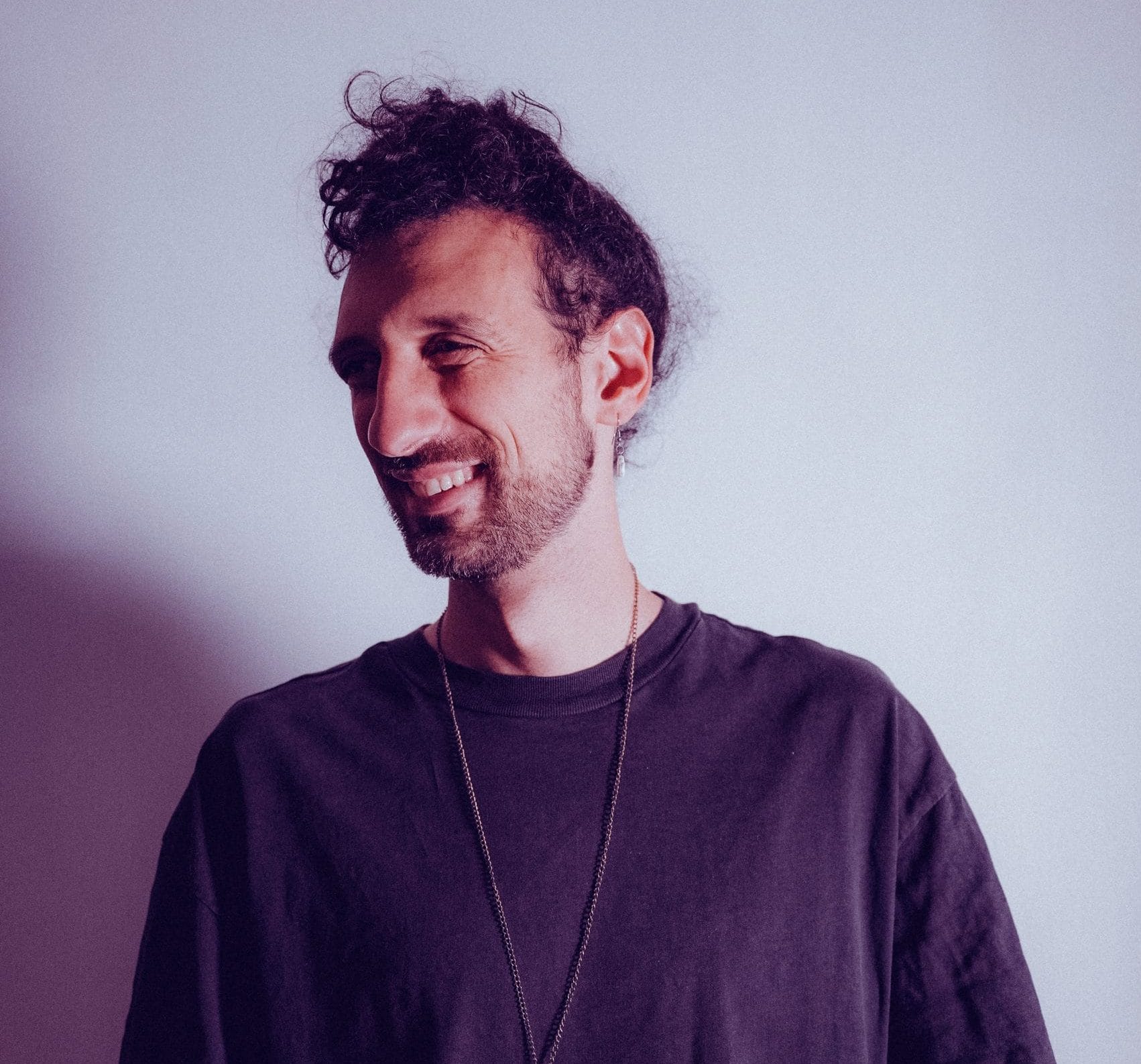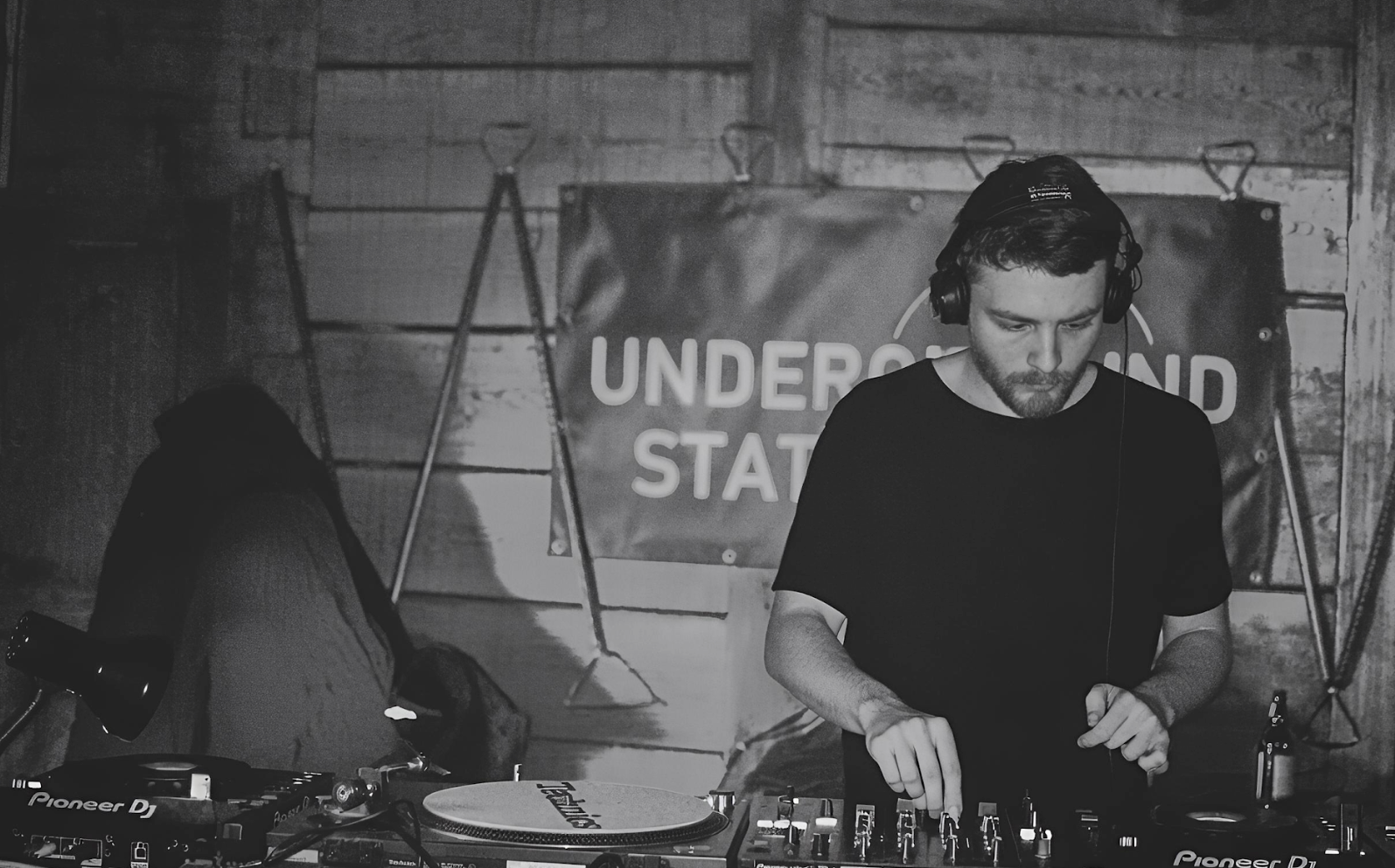
Nicolas Barnes (@nicolas_barnes_) makes his SATYADGTL debut with Be Calm, a September 11 release that places the Riga-based DJ, producer, and ECOUL SND label head inside the label’s deeper, more restrained lane. The record was written during a period of mental overload, and that context gives the title its real force. Be Calm is not a decorative phrase placed over minimal club music.
It is the point the record is trying to reach.
Barnes has spent recent years building a reputation across Europe’s dub techno and minimal circuits, developing a sound tied to immersive textures, restrained rhythm, and deep atmosphere. That same patience carries into Be Calm, where tension, restlessness, introspection, and acceptance are treated as different points in one emotional movement.
The production stays spacious enough for small details to settle, and that restraint gives the EP a calmer kind of pressure.
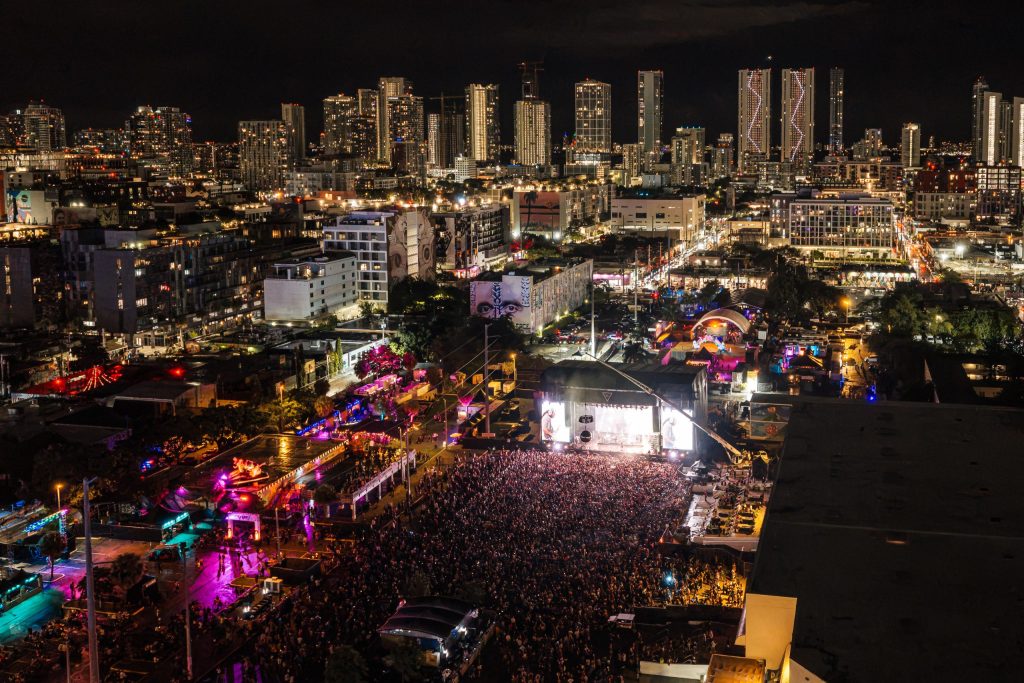
The interview below moves from that same idea into club culture’s visual economy. Barnes talks about being filmed, content pressure, social media, and the difference between documenting a night and taking something from it. His answers are not anti-camera or anti-content. He is clear that filming can help invite people into the next night.
But he also draws a line around moments that belong only to the room, especially when the floor becomes honest enough that recording it starts to feel wrong.
Interview With Nicolas Barnes

How do you think about the visual side of a set in an era where so much lives online afterward?
I’m okay with it. Unfortunately, it’s the future, and we can’t run from it. The only downside is that those with more followers can overcome those with real talent and music production.
What has your experience been with being filmed or having moments from your sets travel far beyond the room?

It doesn’t bother me at all. I like being filmed, and when someone captures a good moment or memory, I appreciate it.
How do you approach the balance between capturing content during a set and preserving what makes live club music so special?
The room always comes first.
Content is how you invite people to the next night, not how you replace the one that is happening. I take fragments: a walk-in, a face after the drop, thirty seconds that prove the night existed, and I leave the actual peak alone. When the floor goes quiet and honest, filming starts to feel like taking something that does not belong on a screen. The special part of club music is the agreement a crowd makes in the same air; a camera can document the edges of that, but it cannot stand inside it.
So the balance is simple: shoot what helps the culture survive, and protect what would die the second you try to own it.

Can you recall a big moment behind the decks that lived entirely in the room and could never be recreated or captured online or in “content”? What made it stay with you?
It was a freezing warehouse set around 4 a.m., when the room crossed the line where filming started to feel like theft. I played a track I almost never touch because it is too honest for a crowd that is not already listening with its whole body. For a few bars nothing moved, then strangers were holding each other and the floor stopped being just a floor. The real moment was the brief silence after the last bar, before anyone dared to cheer. No camera can catch that agreement a room makes with itself.
It stayed with me because the feeling belonged only to the air in that building and left with it.
When you reflect on a great set, what matters most to you about how it went down?
Whether people are happy, and whether I’m exhausted… meaning I gave everything I had to the crowd.

Closing Thoughts
Barnes’ answers work because they refuse the lazy version of the content argument. He does not pretend that cameras are going away, and he does not treat every filmed moment as an attack on the room. He makes a more precise distinction. Some fragments can help a culture survive online, while some moments become weaker the second someone tries to own them with a camera.
That connects directly with my interview with The Indiigo Child on club memory, visuals, and the moments that stay offline. That conversation centered on the value of rooms where people can actually be present without needing every second translated into content. Barnes takes that same concern into a more minimal and late-night setting. The clearest moment in his story is not the drop.
It is the silence after the last bar, before the room breaks the spell.
His answer also sits beside Jaguar B’s interview on flow, restraint, and reading the room. Jaguar’s point was that a DJ’s presence behind the decks can ripple across the floor, especially when the room needs patience rather than force. Barnes is describing a quieter form of that responsibility.
There is also a line to Heaven INC. on building DJ sets like shared stories. Heaven INC. spoke about sets as something formed between the DJ, the room, and the night as it unfolds. Barnes’ answer about the “agreement a crowd makes in the same air” gets at the same reality with stronger language. A club moment is not only the record playing. It is the temporary consent of everyone in the room to feel something together.
That makes Be Calm a fitting SATYADGTL release…
The label has been leaning into music that moves slowly enough for atmosphere and emotional detail to register, and Barnes’ debut sits comfortably inside that language. The EP was born from overload, but it does not dramatize overload for effect. It traces the process of coming down from it, letting tension dissolve rather than forcing a false peace onto the listener.
The broader takeaway is that Barnes understands restraint as protection. In the studio, that means leaving enough space for the record to breathe. In the booth, it means knowing when the peak should belong to the room rather than the phone. Be Calm carries both ideas at once: music for movement, but also music for keeping something sacred inside the noise.

Will Vance is a professional music producer who has been involved in the industry for the better part of a decade and has been the managing editor at Magnetic Magazine since mid-2022. In that time period, he has published thousands of articles on music production, industry think pieces and educational articles about the music industry. Over the last decade as a professional music producer, Will Vance has also ran multiple successful and highly respected record labels in the industry, including Where The Heart Is Records as well as having launched a new label with a focus on community through Magnetic Magazine. When not running these labels or producing his own music, Vance is likely writing for other top industry sites like Waves or the Hyperbits Masterclass or working on his upcoming book on mindfulness in music production. On the rare chance he's not thinking about music production, he's probably running a game of Dungeons and Dragons with his friends which he has been the dungeon master for for many years.