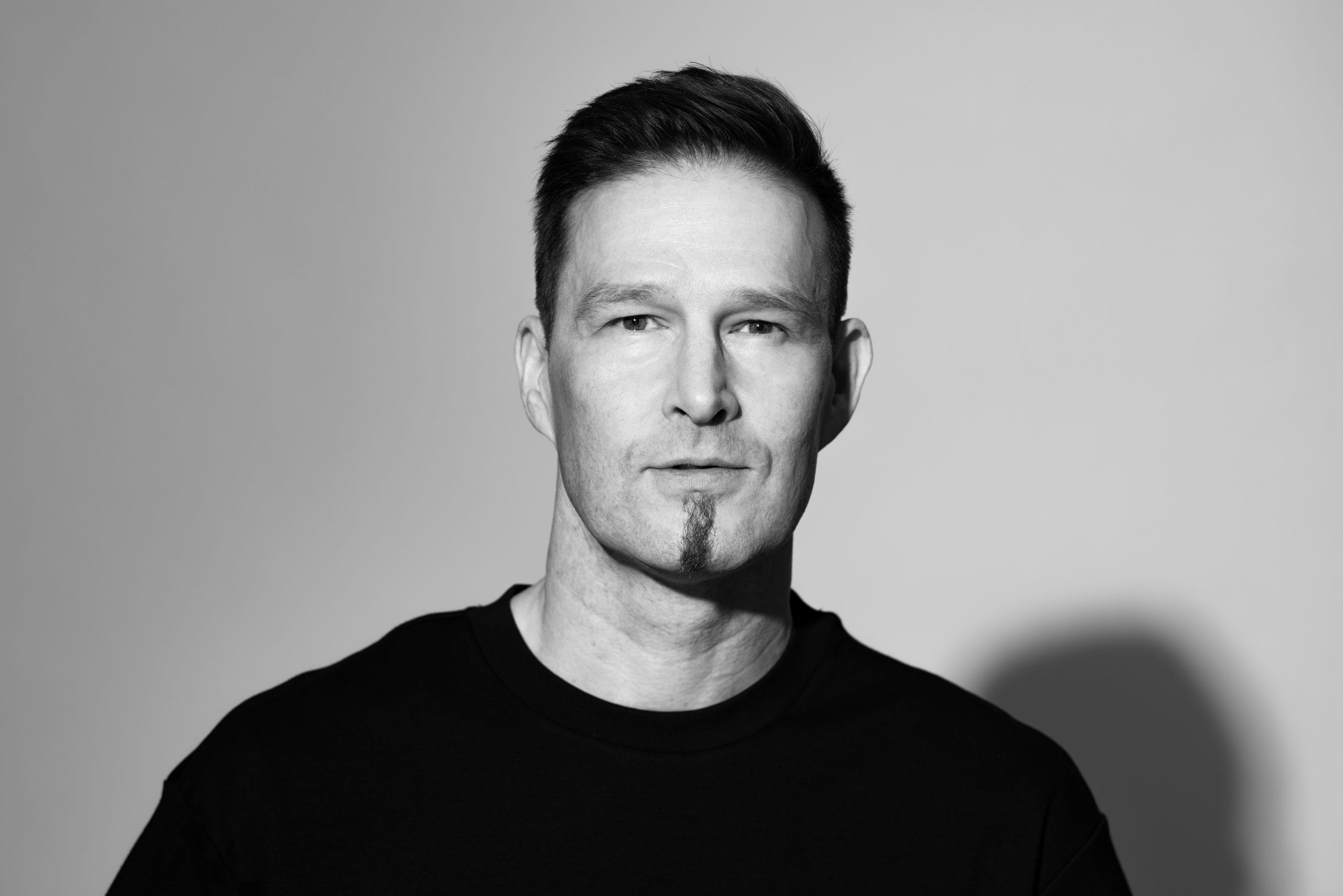
Nick Warren (@djnickwarren) has been around long enough to know that careers are rarely built by music alone.
Records matter, taste matters, and a DJ still has to be able to stand in front of a room and make the hours feel like they belong together. But behind that public version of a career are the people who keep it moving when the record is finished, the flight is booked, the party needs building, the label needs attention, and life outside the booth refuses to stay separate from the work.
Warren names Petra first, the person beside him for the past two decades, who runs The Soundgarden events, handles his social media, and helps with everything around the project. He also points back to Massive Attack at the beginning of his career, where friendship and creative proximity opened doors that even good music might not have reached on its own.
For an artist as tied to progressive house history as Warren, those admissions matter because they push back against the lonely-genius version of DJ culture that still gets sold far too often.
Waves, his first release for Through Gods Own Eyes, gives the conversation a fitting backdrop. The four-track EP includes Warren’s original alongside remixes from Paul James Nolan, Richard Norris, and Simon Sheldon, each version pulling a different side out of the same melodic idea. Warren’s original sits close to Ibizan dusk, breakbeat movement, dreamy pads, fluttering synth-flutes, and deep bass, while the remixes push the record toward progressive house, hypnotic electronics, and late-’90s club memory.
In the interview below, he talks about Petra, Massive Attack, enthusiasm, help, status, and why newer electronic artists should stop pretending they have to do everything alone.
Interview With Nick Warren
Looking back, which relationships have had the biggest influence on where you’ve ended up?
Obviously my relationship over the past 20 years with Petra has been the most important. She runs The Soundgarden events, does my social media, and helps with everything I do.
Have you had mentors or friends who opened doors that your music couldn’t on its own?
Being lucky enough to work with and be friends with Massive Attack at the beginning of my career opened a huge number of doors.
Do you think artists sometimes overlook how much real relationships shape their path?
The narcissistic nature of the DJ community means that many of them never value relationships enough, which is a sad reality of the business. Sharing your experiences and ups and downs of life is vital to good mental health.
What do you look for in people you choose to work or build with?
I think enthusiasm is a major plus point. Experience is not always necessary, but wanting to engage, improve, and learn is super important.

How do you keep things genuine in spaces that often reward status over connection?
That is something you just have to ignore. Being overly concerned with what others do or how they are received in this business is becoming sadly common.
Not every great footballer gets to play in the Premiership, and not every great DJ gets to be as popular as others. Being happy in yourself is the most important thing, and finding people to work with that align with your goals is a huge help.
What would you tell newer artists who believe they have to do everything on their own?
I never understand how electronic artists feel they have to do everything themselves. The Rolling Stones do not mix or master their own music. In fact, most songwriters do not do that, yet dance music producers think they are capable of everything. Find good people to work with. Asking for help is not a sign of weakness; it’s a sign of strength.
Closing Thoughts
The clearest line in this interview is Warren saying that asking for help is a sign of strength.
That is easy to repeat and harder to live by in electronic music, where the producer-DJ model has convinced a lot of artists that credibility comes from handling every part of the process alone. Warren is pushing back on that idea with the calm bluntness of someone who has seen enough careers to know the myth does not hold.
There is also a line to draw to Hraach’s interview on why social media cannot replace the dancefloor. Hraach was talking about community from the room outward, while Warren is talking about the relationships behind the career itself. Both point toward the same issue: visibility can imitate connection, but it cannot replace people who actually show up.
The Petra answer gives the piece its center.
A lot of artist features focus on collaborators, labels, mentors, or early breaks, but Warren starts with the person who has been beside the work for 20 years and helps keep The Soundgarden ecosystem moving. That says more than a longer answer would have. The real foundation of a career is often less glamorous than the story told from a stage, and probably more important.
Massive Attack enters the story differently. Warren frames that relationship as an early door-opener, which is the kind of thing artists can be uncomfortable admitting because it complicates the merit-only version of success. Music still has to be good, but proximity, friendship, timing, and trust can put that music in rooms it would not have reached alone. Pretending otherwise does younger artists no favors.
That also sits beside The Checkup’s interview on creative relationships and better house records.
That conversation focused more on collaboration inside house music, while Warren is speaking across a longer career arc. The overlap is in the refusal to treat relationships as decoration around the work. In both pieces, the people around the music shape what the music can become.
The Waves package gives that idea a musical echo. Warren’s original sets the melodic and emotional terms, then Paul James Nolan, Richard Norris, and Simon Sheldon each build a different version from that starting point. A remix package like this is a practical reminder that a piece of music can hold its identity while other people extend it, stress it, translate it, and push it into new rooms.
There is another relevant connection with Matt Fax’s interview on Jaytech, Ruben de Ronde, BT, and creative growth. Matt spoke about specific relationships that helped shape his development, while Warren looks at the same subject from further down the road. The lesson is consistent: the right people do not replace the work. They make the work more possible.
The progressive house angle also links with Robin Thurston’s interview on “Equinox,” Nick Warren’s support, and progressive house that takes its time. Thurston’s story showed how support from selectors like Warren can put patient, melodic music in front of wider rooms. This interview shows the other side of that chain: even artists who become gatekeepers, mentors, or supporters had relationships that opened doors for them earlier on.
The broader takeaway is that Warren’s advice is less sentimental than it sounds.
Find good people.
Stop obsessing over status.
Work with people who are enthusiastic and willing to learn.
Value the relationships that keep you steady.
Ask for help before the idea collapses under the weight of trying to do everything yourself.
For newer artists, that may be more useful than another production tip, because the track can only carry so much. A career needs people around it.

Will Vance is a professional music producer who has been involved in the industry for the better part of a decade and has been the managing editor at Magnetic Magazine since mid-2022. In that time period, he has published thousands of articles on music production, industry think pieces and educational articles about the music industry. Over the last decade as a professional music producer, Will Vance has also ran multiple successful and highly respected record labels in the industry, including Where The Heart Is Records as well as having launched a new label with a focus on community through Magnetic Magazine. When not running these labels or producing his own music, Vance is likely writing for other top industry sites like Waves or the Hyperbits Masterclass or working on his upcoming book on mindfulness in music production. On the rare chance he's not thinking about music production, he's probably running a game of Dungeons and Dragons with his friends which he has been the dungeon master for for many years.