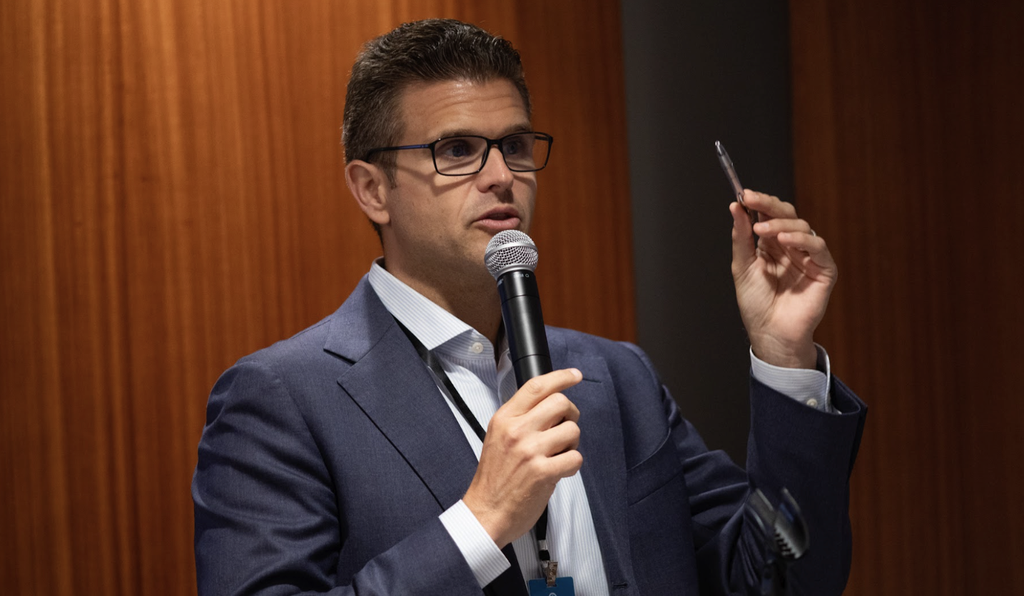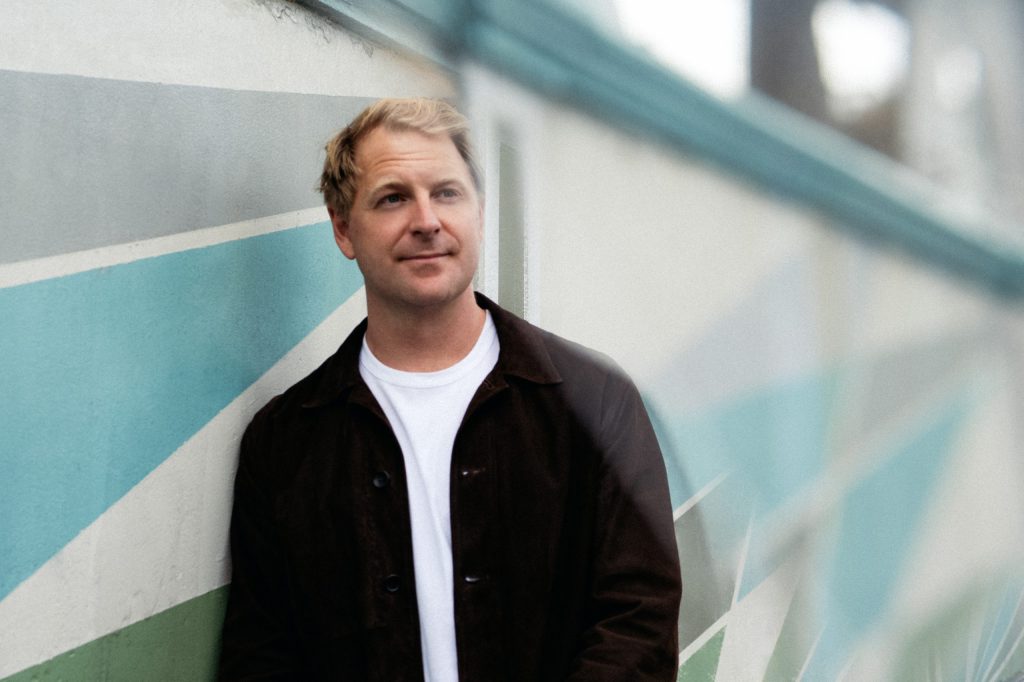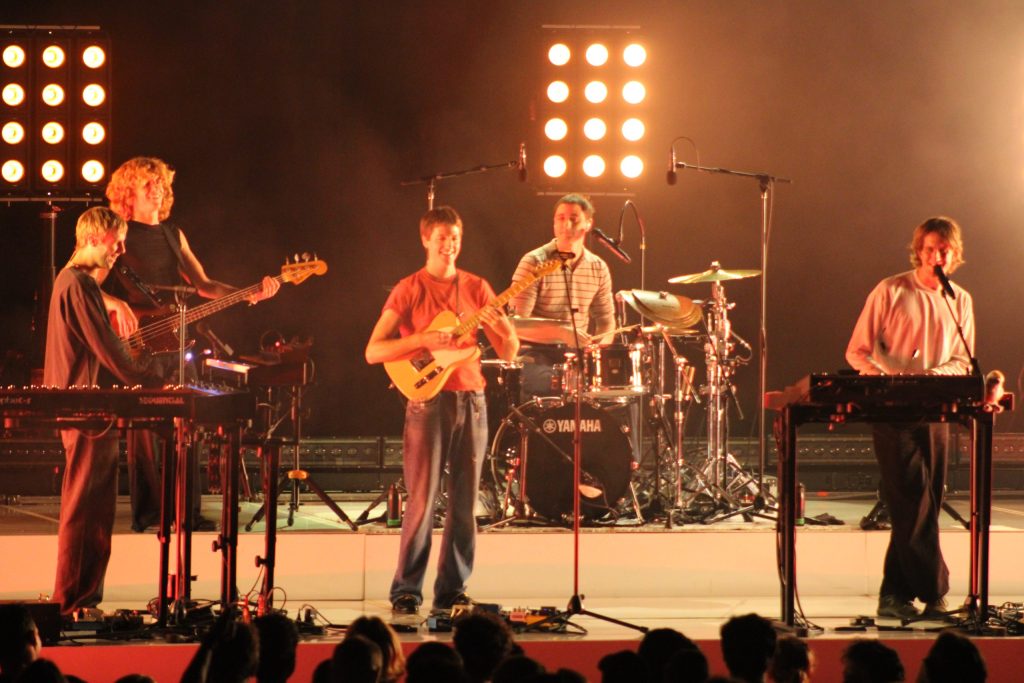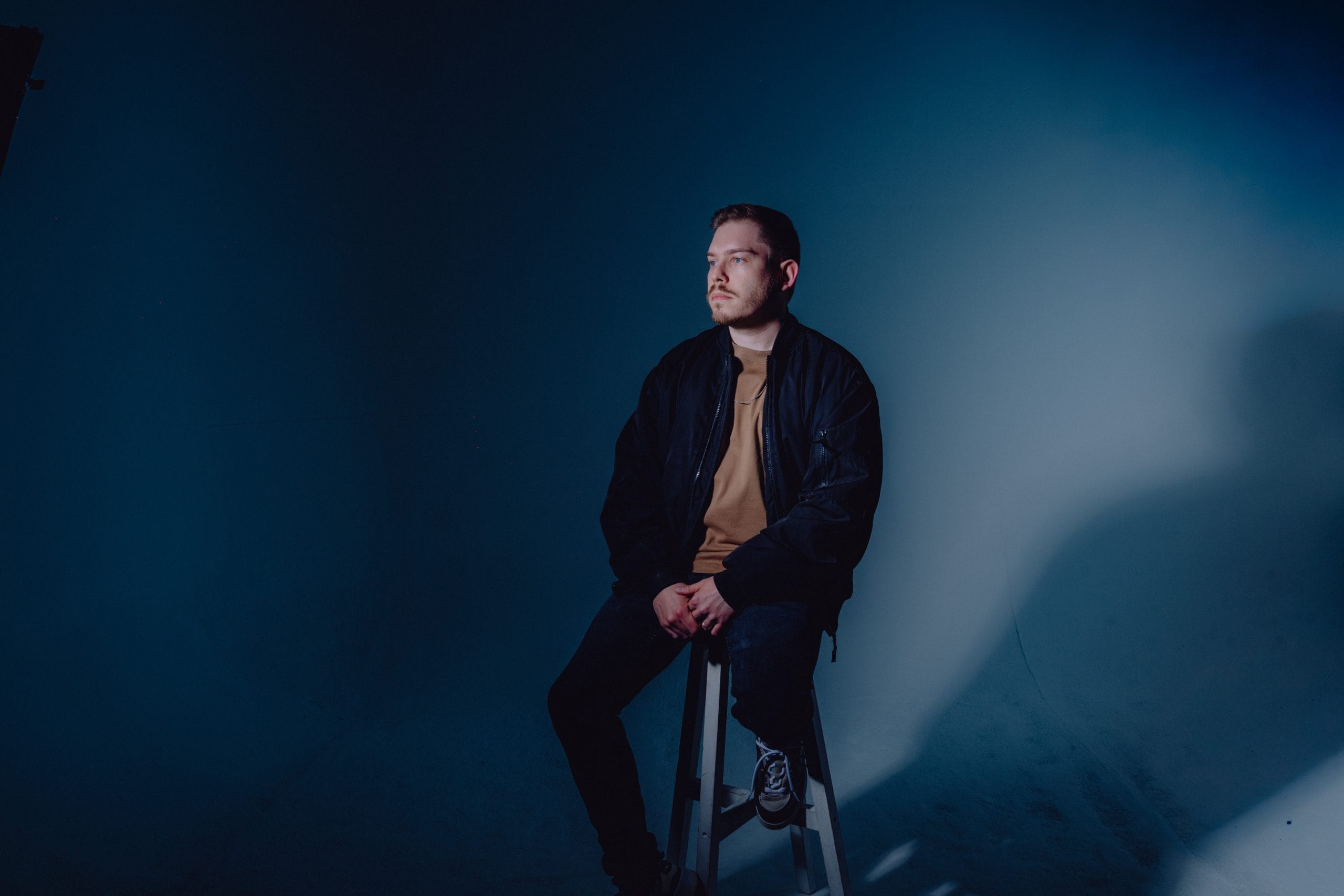
Matt Fax (@mattfaxmusic) returns to Colorize with Innerframes, a four-track EP out August 5 that pulls together the darker, more futuristic side of his progressive sound without losing the melody and emotional detail that have followed him through the last decade of releases. Opening with “Till You Let Go,” then moving into “Tomorrow,” “High On Life” with 88Birds, and “Oddity,” the EP feels like a project rather than a loose run of singles, which is exactly how Matt describes it in the interview below.
There is a long history between Matt Fax, Colorize, Enhanced, Anjunabeats, Armada, and the melodic-progressive space around all of them. My previous Director’s Cut feature on Matt Fax’s Progressions captured him at an earlier point in that arc, while my more recent coverage of Will Holland and the Enhanced Progressive refresh looked at how labels like Enhanced have helped shape a melodic trance and progressive lane that still has real pull in 2026.
Innerframes sits naturally inside that history, but Matt is clearly thinking beyond a single release cycle.
In the interview below, Matt talks about the relationships that shaped his career, including early support from Jaytech, Ruben de Ronde, and BT, and why “Till You Let Go” best represents where his progressive sound is headed right now. He also explains why Innerframes became an EP instead of a group of standalone singles, with the project set to continue as a series built around his view of where melodic house and progressive should move next.
Interview With Matt Fax
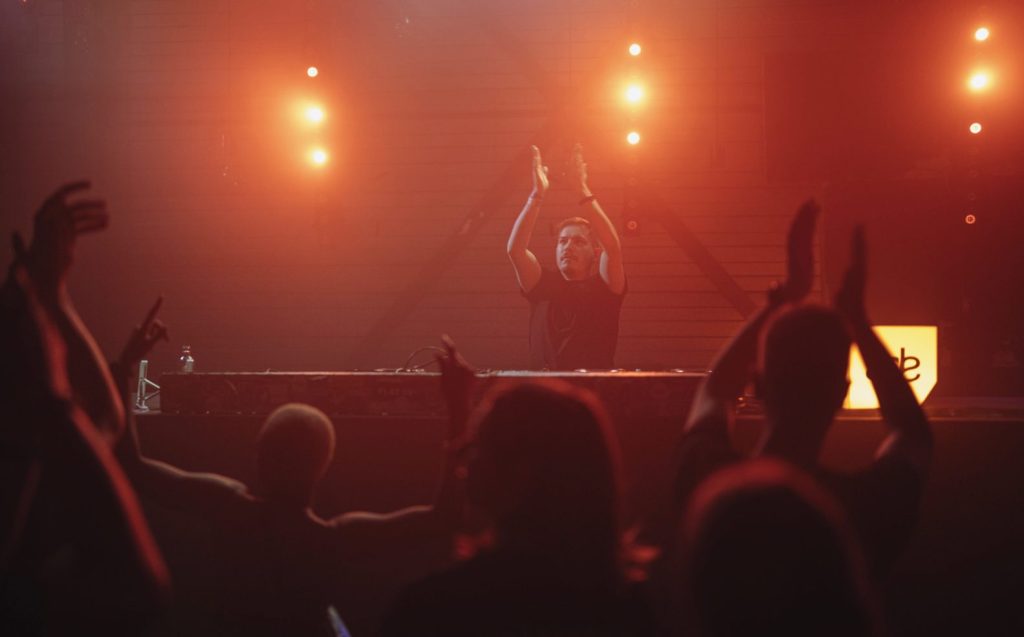
Looking back, which relationships have had the biggest influence on where you’ve ended up?
I think almost every relationship in my life influenced me in different ways, whether it’s with my family, friends, partners, etc. Some people helped me to understand myself better as a human, and it reflects in the music I do.
I’m growing every year and I think my music and my career do the same.
I draw inspiration from my life and my experiences.
Have you had mentors or friends who opened doors that your music on its own couldn’t?
I have to give it back to the couple of people that supported me from the beginning. Jaytech for example was one of the first artists to play my music in his sets, and he pushed me to Anjuna afterwards which led to a remix on the label. Ruben de Ronde is another person that believed in me when I first came out. He showed my music to Armin, and then I got my first ASOT support and then connected with him, so Ruben will always have a special place in my heart for that.
I also can mention BT who helped me to grow as an artist and human, he’s a master at what he does and also a great human.
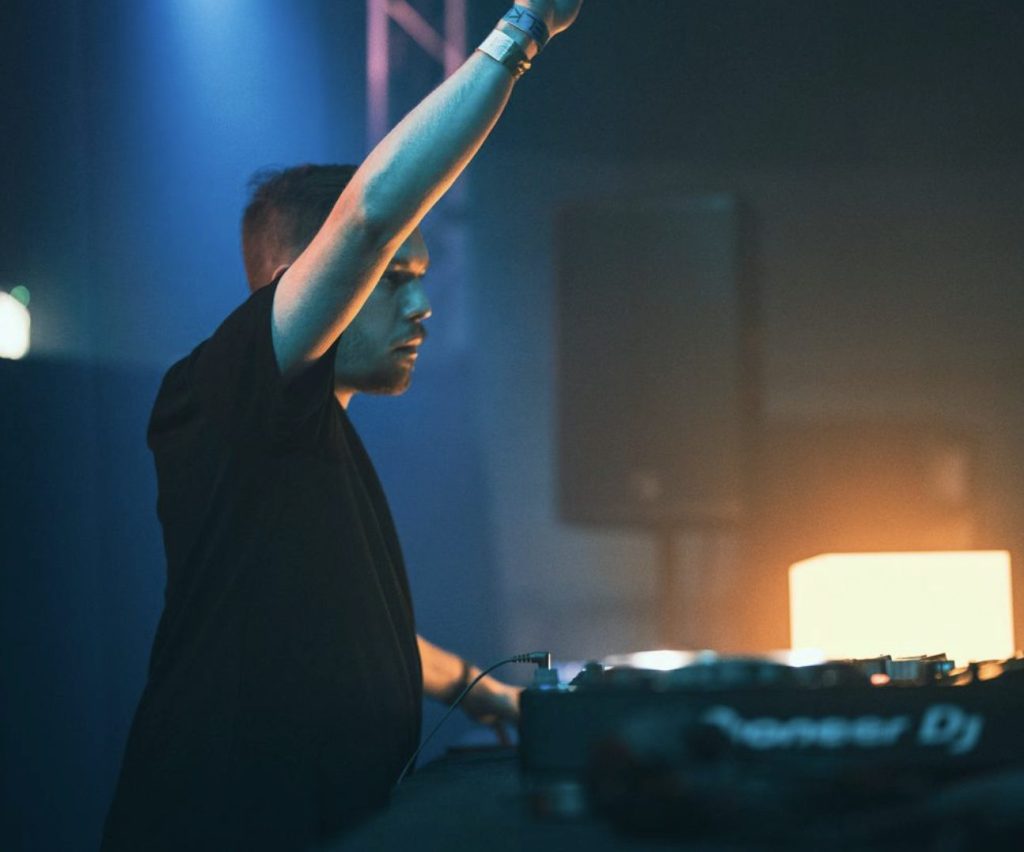
What do you look for in people you choose to work or build with?
I’m looking for a musical connection at least, and most importantly I like to work with people that I align with personally. I used to do a few collaborations with people I’ve never spoken to, and it turned out that some of those experiences were uninteresting to me.
There is something about making music with someone you are friends with, you can have fun and be unhinged in the studio, it makes everything so much simpler.
How do you keep things genuine in spaces that often reward status over connection?
I just try to remember where I started and that I’m just a regular guy doing his thing.
There were times a few years ago when my ego grew too much, thinking I had an unbelievable status in this industry. Nowadays I don’t feel connected to the current state of the music industry, but I still love to write records for myself and my fans. That’s all that matters.
Has there ever been a relationship you had to walk away from that ended up changing your direction in an unexpected way?
Not exactly, but I’d say some relationships made me change my musical direction over time.
It’s interesting to see how much a situation or a person can inspire you to write a song and to develop your style of music. I guess that if you listen to my whole discography from beginning to end you’ll definitely see that.
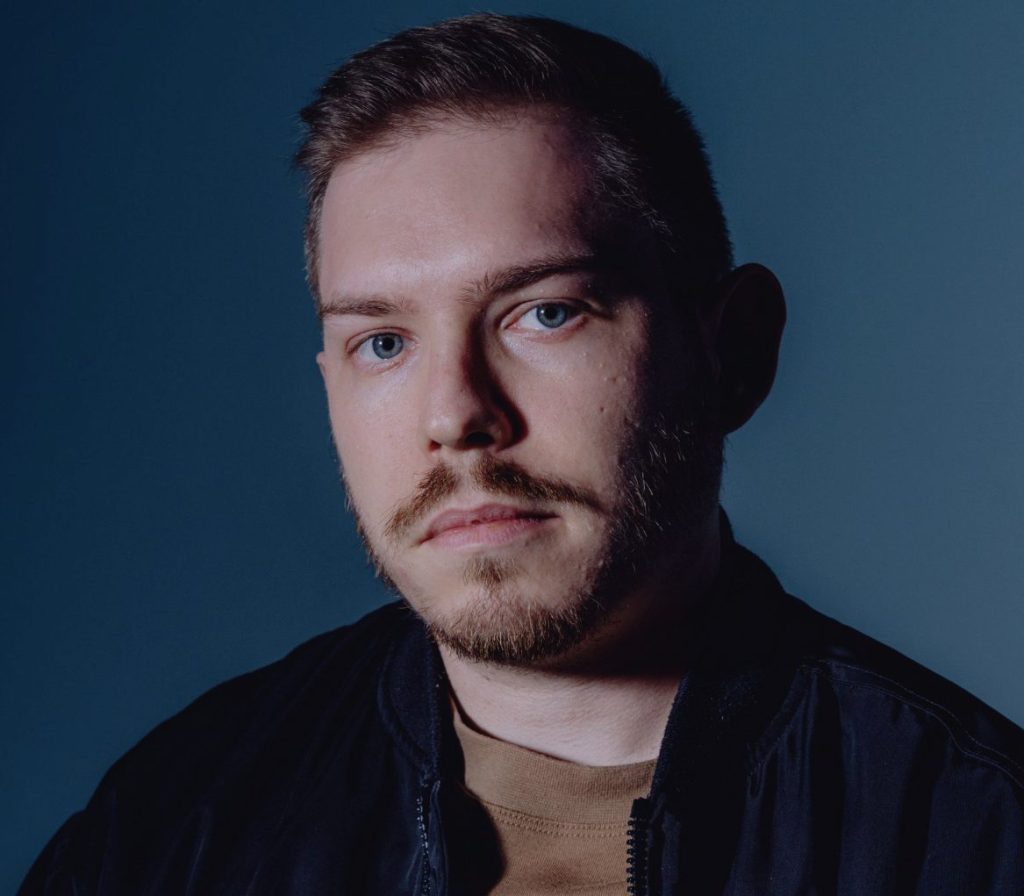
What would you tell newer artists who believe they have to do everything on their own?
That unfortunately sometimes they have to, especially at the beginning. We are not just artists, we are influencers, inspiring people to others and businessmen. Once you are starting to catch attention you need to surround yourself with competent people that believe in your project and make your life easier. Unless you are a control freak like me.
Which track from Innerframes best represents where you are creatively right now, and why?
I think “Till You Let Go” would be the track that represents my music currently. It had this dark vibe with futuristic elements, while still having melodies and emotions. It’s exactly the style that I’m envisioning when doing Progressive, something forward-thinking.
At what point did you realise the Innerframes records belonged together as an EP rather than standalone singles?
From almost the beginning after finishing the first song. I knew I didn’t have either the time or the energy to do another album, but still wanted to have a project that I could promote and brand with the hope of making it grow over the next few years. Innerframes is going to be a series of EPs in the coming years, showcasing this mix of Melodic House and Progressive, in the style of what I believe should be the future of the genre.
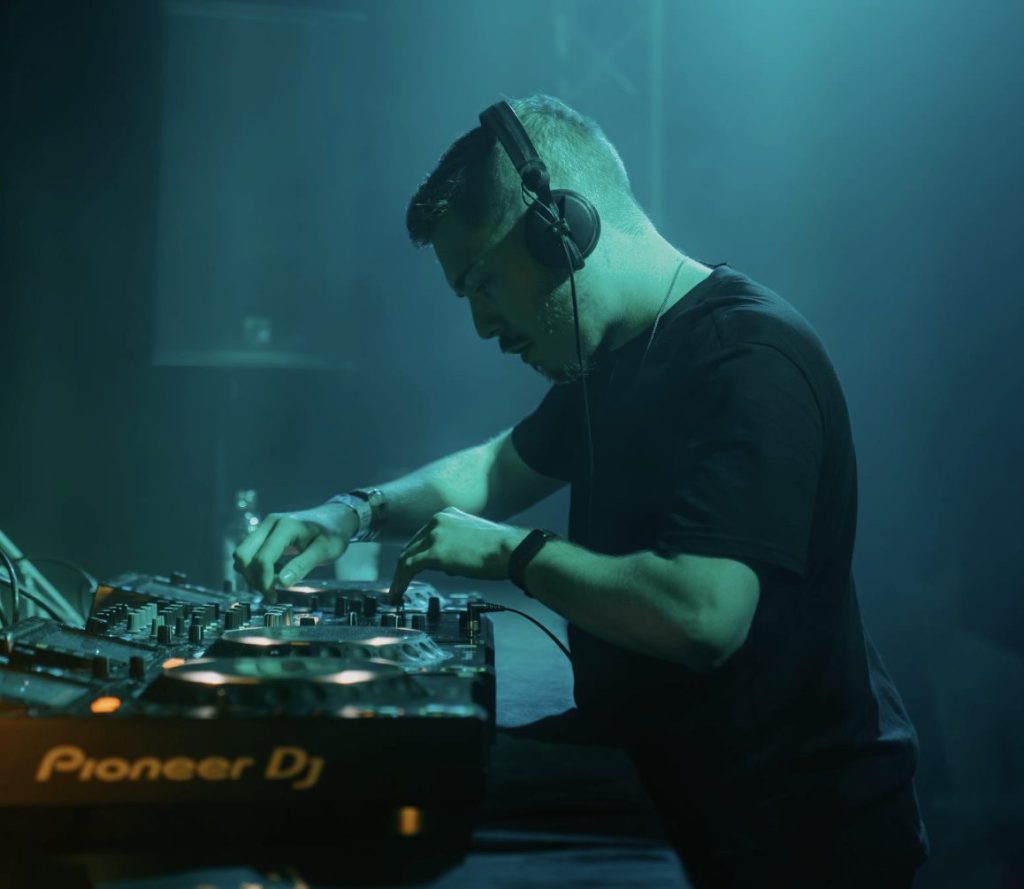
Closing Thoughts
Matt Fax’s answers make the relationship side of a career feel less like networking and more like accumulated direction. Jaytech playing his music and helping connect him to Anjuna, Ruben de Ronde getting his records in front of Armin, and BT helping him grow as both an artist and a person are not just name-drops. They are markers in a long creative chain. A career like Matt’s gets shaped by records, yes, but also by people who hear something early enough to take a chance on it.
There is also a link to my Hana interview on writing, production, and self-reliance, because Matt’s comments about doing things yourself land with more nuance than the usual “independent artist” advice. He is not pretending artists can outsource their identity.
He is saying the modern job includes artistry, communication, business, influence, and enough self-awareness to know when help will make the work better instead of diluting it. That is a much more realistic read of what it takes to survive now.
The Innerframes piece of the conversation is where the release starts to feel bigger than four tracks.
Matt says “Till You Let Go” best represents where his progressive sound is right now because it holds darker, futuristic elements beside melody and emotion. That balance reminded me of my coverage of Sound Quelle’s Higher Note, where Colorize felt less like a narrow genre lane and more like a home for producers trying to stretch melodic progressive music without losing its emotional center. Matt is making a similar argument from inside his own catalog.
That is the real takeaway here. Innerframes is not being treated like a one-off EP that disappears after release week. Matt is thinking in chapters. He wants it to become a series, a branded space where he can keep testing what melodic house and progressive might sound like next.
After years of support from the big names, labels, and scenes that helped define his path, he now sounds more interested in building a world he can keep returning to on his own terms. That is usually where an artist’s next phase starts: when the outside support still matters, but the direction finally belongs to them.

Will Vance is a professional music producer who has been involved in the industry for the better part of a decade and has been the managing editor at Magnetic Magazine since mid-2022. In that time period, he has published thousands of articles on music production, industry think pieces and educational articles about the music industry. Over the last decade as a professional music producer, Will Vance has also ran multiple successful and highly respected record labels in the industry, including Where The Heart Is Records as well as having launched a new label with a focus on community through Magnetic Magazine. When not running these labels or producing his own music, Vance is likely writing for other top industry sites like Waves or the Hyperbits Masterclass or working on his upcoming book on mindfulness in music production. On the rare chance he's not thinking about music production, he's probably running a game of Dungeons and Dragons with his friends which he has been the dungeon master for for many years.