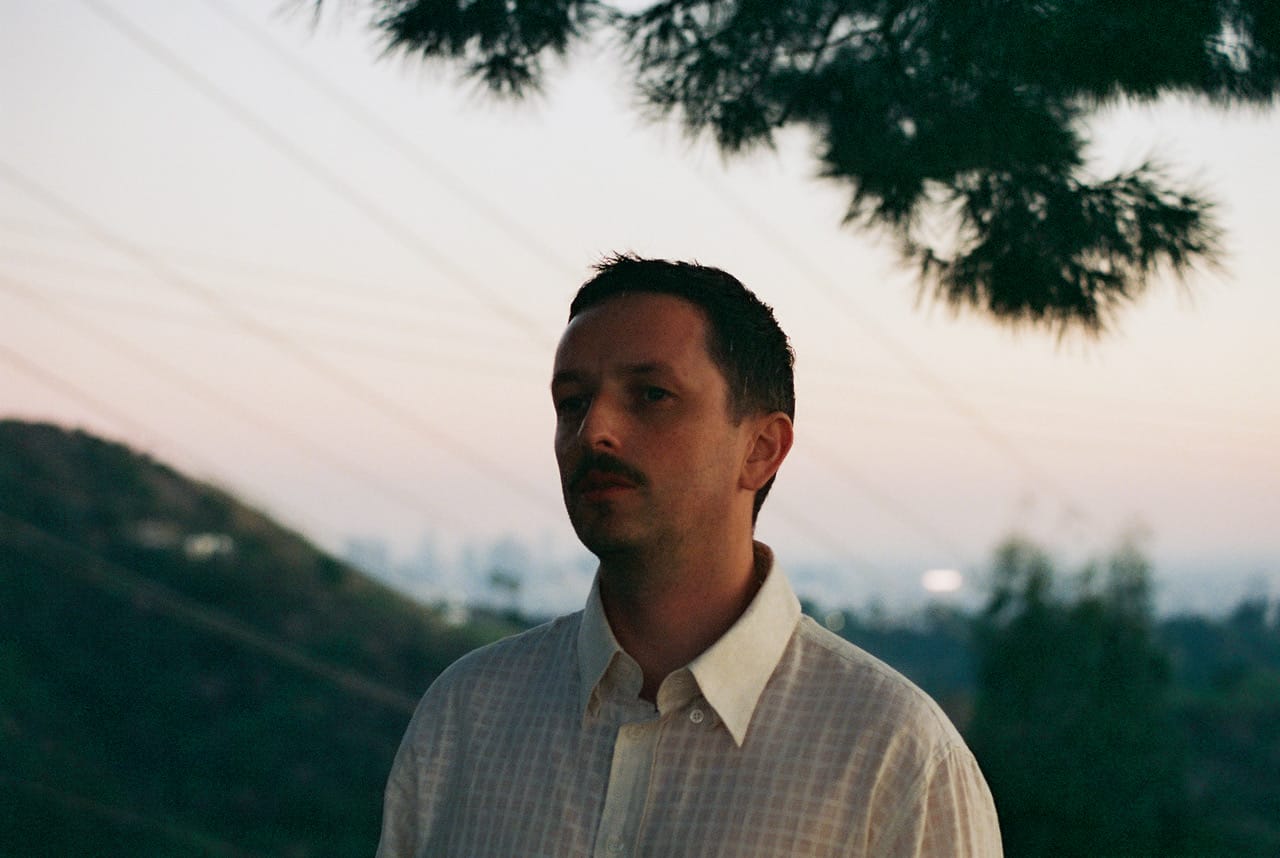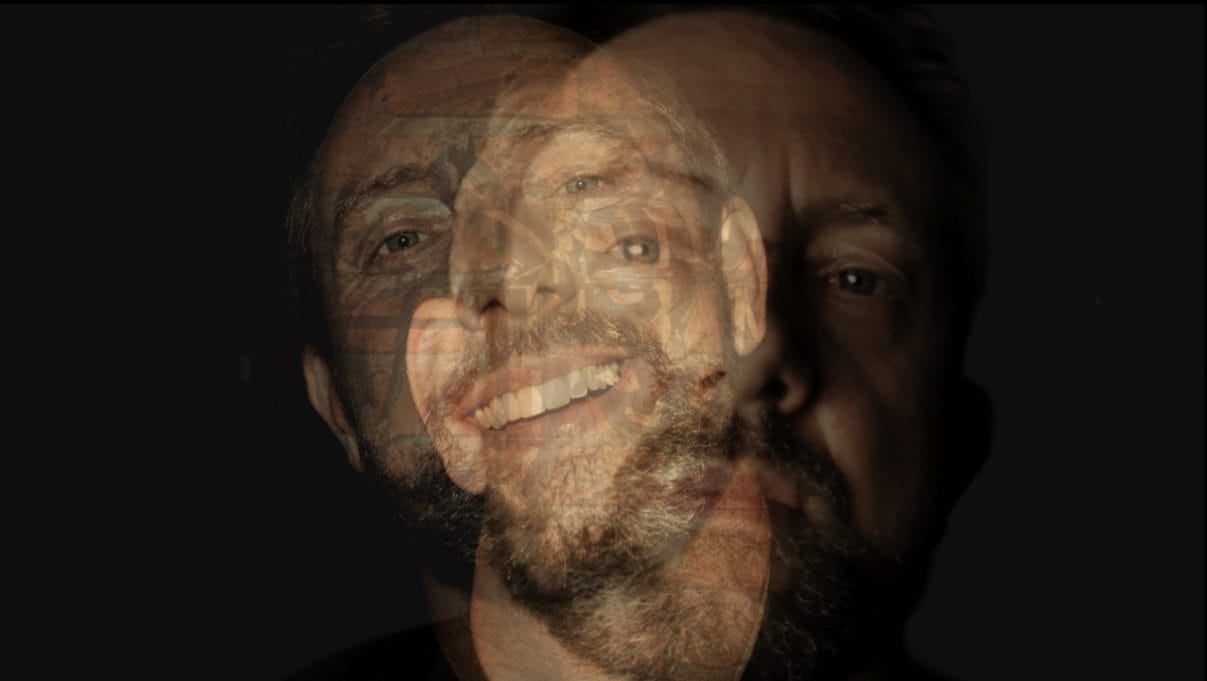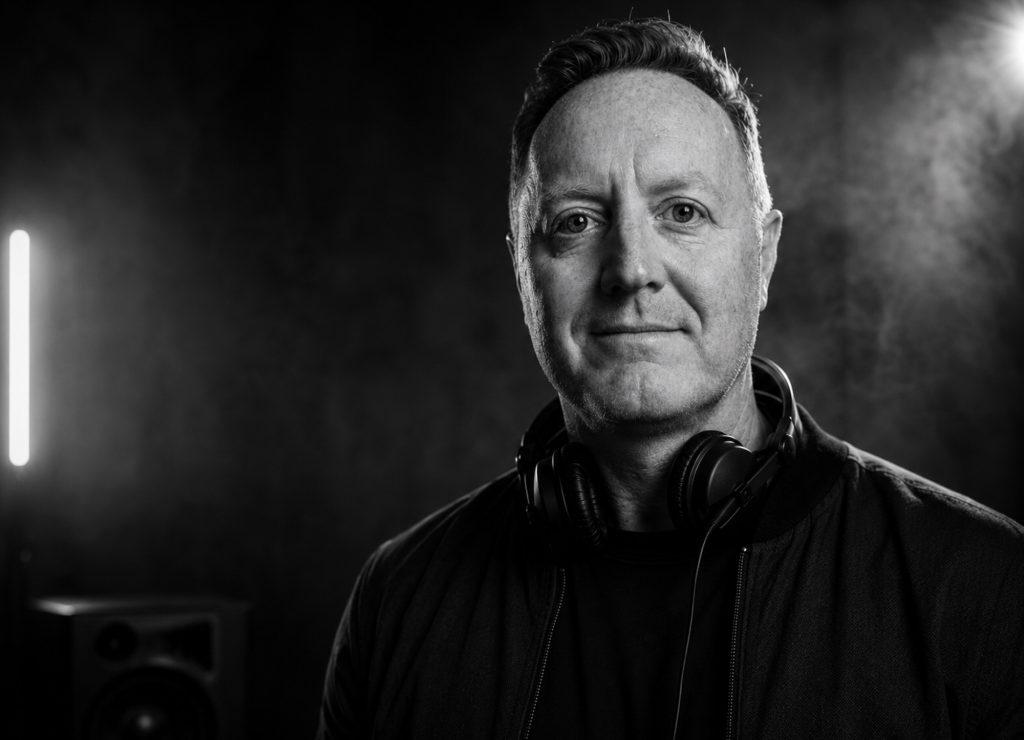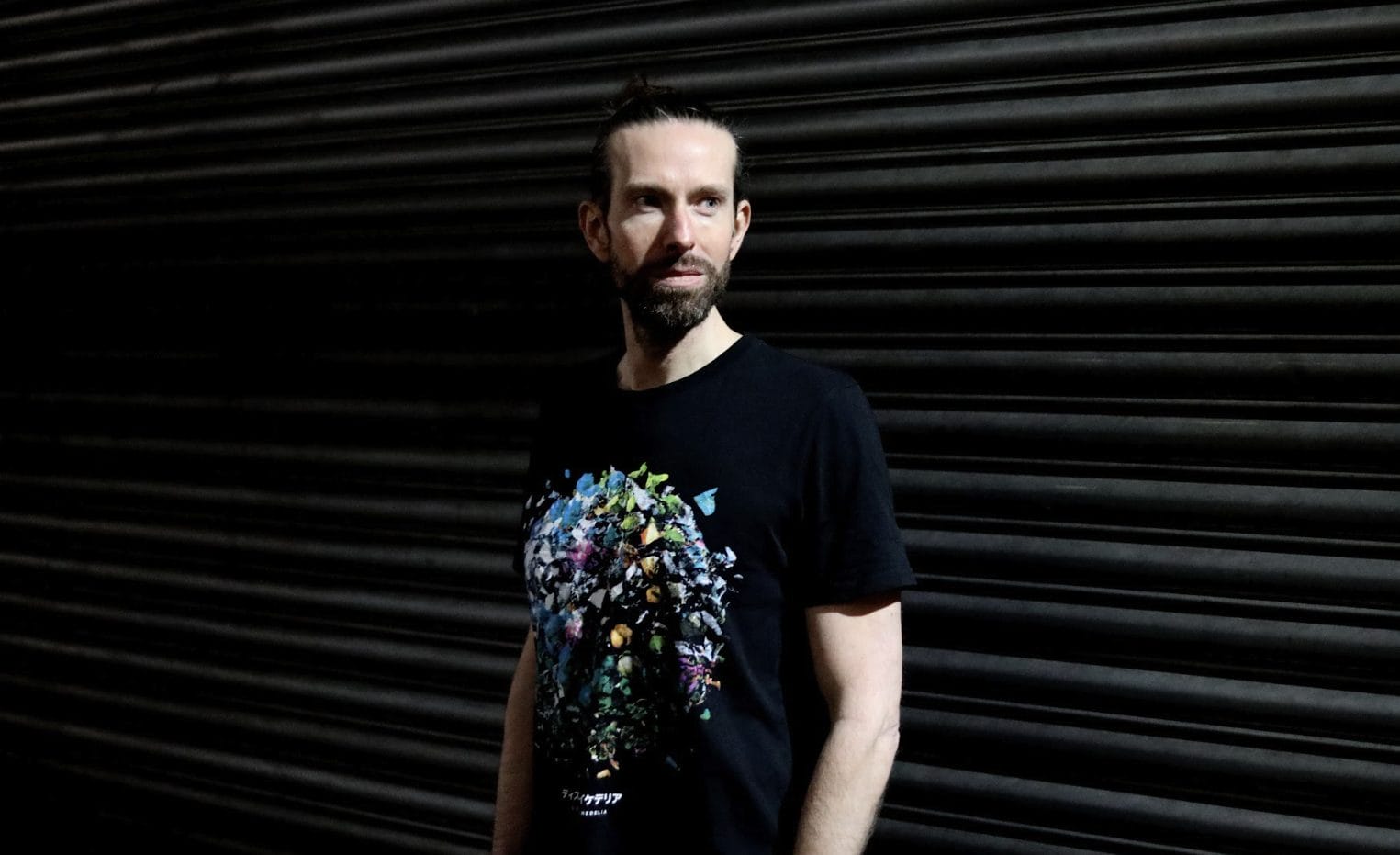
Robin Thurston (@robin_thurston) has been a familiar name for progressive house listeners who pay attention to melody, structure, and patience in a record. His catalog has touched labels including Particles, Soundteller, Bonzai, Emergent Properties, ARRVL, AH Digital, BC2, and The Soundgarden, with support from Hernan Cattaneo and Nick Warren helping put his music in front of a wider club audience.
I think that the context behind the track here is especially important because “Equinox” fits the part of DJ culture that still values a long build, a clear melodic idea, and a record that can sit inside a proper late-set stretch.
Next week, Thurston joins Magnetic Magazine Recordings with “Equinox,” the label’s 68th signing, set for release on June 26, 2026. It starts with melodic content, lets the pads and lead lines develop over time, and saves its larger payoff for the back half instead of giving away the whole idea too early.
Ahead of the release, we are premiering the track a week early, giving the single its first glimpse before it moves fully into the release cycle. In the conversation below, Thurston talks about early perfectionism, mentorship from Medway, support from Nick Warren, and why the best ideas usually come when a producer stops chasing formulas.
Interview With Robin Thurston
When you think back to your earliest projects, what’s something you would do differently now?
Looking back, I think I often tried to cram too many ideas into a single track.
The early ones perhaps lacked a bit of focus. I would pile too much into them rather than homing in on the core idea to build around. There was a scarcity mindset to it too, where I would get overly attached to a track and treat it a bit too preciously, which fed the perfectionism and slowed the finishing right down.
If I could tell my earlier self anything, it would be to spend more time on the initial idea generation part of the process. Start more ideas than feels comfortable, loosely and quickly, so you have a set of options to choose from and no single one ends up feeling too precious to walk away from.
Then it is about spending focused time on the best ones. Over time, I have come to realize that output is what improves everything. The more tracks I finish, the better I get at each part of the process.
Who’s been your biggest supporter throughout your career, and what’s their impact been on your success?
The longer I have been doing this, the more I have come to value having supportive people around me, and there are a few to mention.
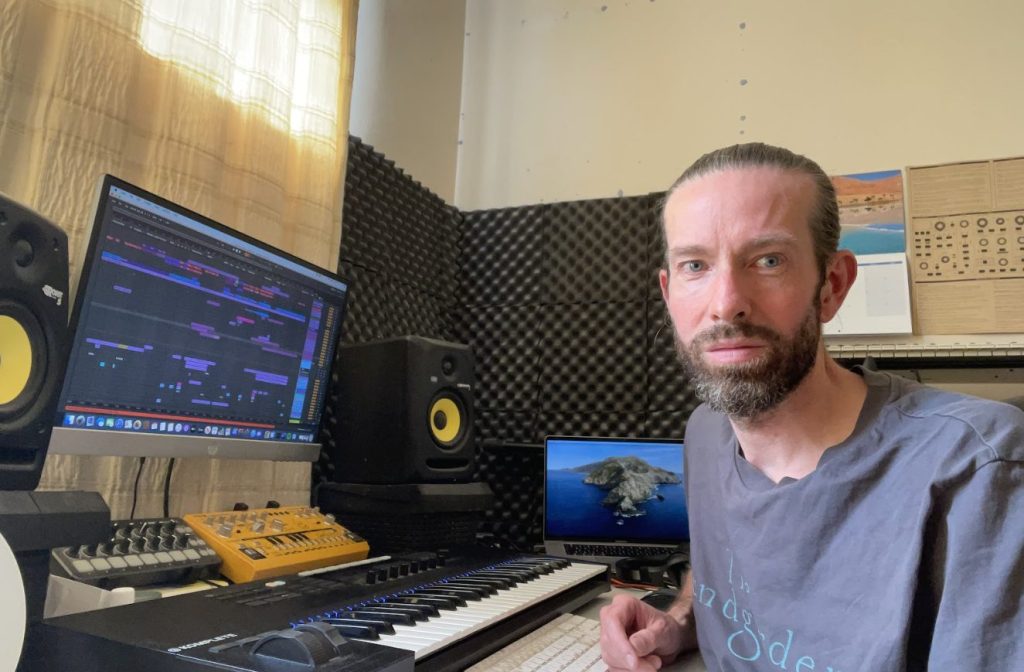
Medway has been something of a mentor in recent years, particularly on the mixdown side and in pushing me to make sure each element is there for a reason so that the music sounds more focused. It is a discipline I have become far more conscious of over time. It is still ongoing, but it has changed how I hear my own tracks.
I have also been part of Paul Nolan’s Make Your Transition program for the last few years, which has been invaluable on the feedback side. Being able to test track ideas in a small, trusted group setting and come away with specific, actionable feedback, plus the accountability of monthly sessions, has made a real difference.
In recent times, Nick Warren has been a big supporter too. He started playing my tracks out when I was not well known, then backed the music further by signing an EP to his label, The Soundgarden. That has done a lot to raise my profile and get the music in front of a larger audience.
Who are the artists or sounds that most shaped your style early on?
Sasha and Paul Oakenfold were the two I gravitated to most in the early days, mainly through their Radio 1 Essential Mix sets in that late-90s era. You would probably describe the sound of that time as progressive trance.
From there, I was heavily influenced by the Global Underground albums. Sasha’s Global Underground Ibiza was an important one for me. Later, Nick Warren’s mixes were right up there in terms of showing what progressive house can do as a genre, with plenty of musicality, melody, patience, and long-form arrangement. That is still central to what I try to do today.
What’s the one sound or technique that you think defines your signature style?
I always find my own music hard to describe, but I would point to the melodic content first.
The pads and lead melodies carry the emotional tone through the track.
I try to make sure the arrangement develops over time, with those melodies usually becoming broader in the break, then building steadily toward a later peak rather than giving away the full idea up front. That patience with the arrangement is probably one of the things that defines it most. “Equinox” was built in that way.
Can you describe how your creative process typically begins when starting a new track?
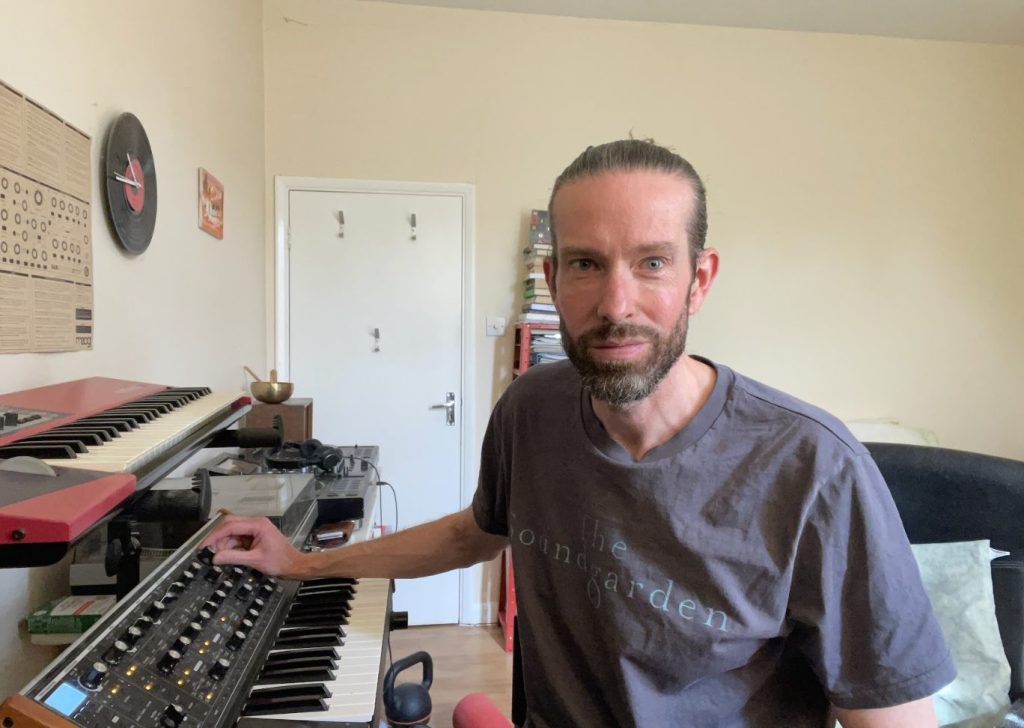
Many of my tracks start as unstructured sessions. Often, I will hear a sound or preset and that leads to a short note pattern, usually a motif that fits the tone. I usually start with the melodic parts first, trying to find a hook, with just a kick and a simple drum pattern underneath. Detailed drum programming tends to come later.
A lot of the process is testing ideas against the track and keeping what works. I also like to take my time with tracks, which has positives and negatives. Part of that is about not rushing the initial idea stage and giving it enough time. Another part is the value of distance, letting a track sit for a bit so I can return to it with clearer judgment.
The downside is that momentum can slow down. Working on a few projects in parallel helps with that. While one track is inactive, I can move another one forward.

Why do you think some artists become trendsetters while others follow trends?
I think the trendsetters tend to be the ones making music from personal taste rather than outside approval.
They are essentially making music for themselves. Within any genre, there are established formulas for what is seen to work, and it is natural that some producers gravitate to replicating that as the perceived surest way to get heard, signed, or get a foothold. I can understand the logic, but it tends to lead to a lot of fairly formulaic music.
For me, the difference comes down to being open, exposing yourself to a broad set of influences, knowing the rules without being beholden to them, and staying free enough in the studio to let happy accidents happen. That is usually where the more interesting and original material comes from.

Will Vance is a professional music producer who has been involved in the industry for the better part of a decade and has been the managing editor at Magnetic Magazine since mid-2022. In that time period, he has published thousands of articles on music production, industry think pieces and educational articles about the music industry. Over the last decade as a professional music producer, Will Vance has also ran multiple successful and highly respected record labels in the industry, including Where The Heart Is Records as well as having launched a new label with a focus on community through Magnetic Magazine. When not running these labels or producing his own music, Vance is likely writing for other top industry sites like Waves or the Hyperbits Masterclass or working on his upcoming book on mindfulness in music production. On the rare chance he's not thinking about music production, he's probably running a game of Dungeons and Dragons with his friends which he has been the dungeon master for for many years.